

If you’re building a trad rack, a solid set of nuts still does a ton of the work. The wild country rock on wire set is a bundle of curved, color-coded wired nuts (passive protection) made to bite in cracks and pin scars without adding much weight.
Most climbers grab the common #1 to #10 set, which covers a wide range of placements with 10 pieces. It’s a strong fit for new trad leaders who want gear that’s easy to learn, and it also makes sense for experienced climbers trimming ounces for alpine and mountain days.
In this post, you’ll see what comes in the set, how the curved taper affects placements, and where Rocks shine (especially in flaring cracks). You’ll also get the honest limits, since the smallest sizes carry lower strength and can feel more finicky in thin or uneven rock. Finally, we’ll compare Rocks to other popular wired nuts like DMM Wallnuts and Black Diamond Stoppers.
Passive pro is simple, but it isn’t automatic, practice placing, test each nut, and use good judgment.
What you actually get in the Wild Country Rock On Wire set (sizes, feel, and key design details)
The Wild Country Rock On Wire set packs 10 nuts in sizes 1 through 10. This covers cracks from pencil-thin tips around 7mm wide up to fist-sized gaps near 30mm. You get 7075 aluminum heads that stay tough, galvanized steel wires that resist kinks, and a total weight of about 355 grams. Most pieces hit 10 kN strength, although smaller ones drop lower. Colors match the standard rainbow code, so you grab the right size fast on lead. Larger options go up to size 14 as singles if you need more reach.
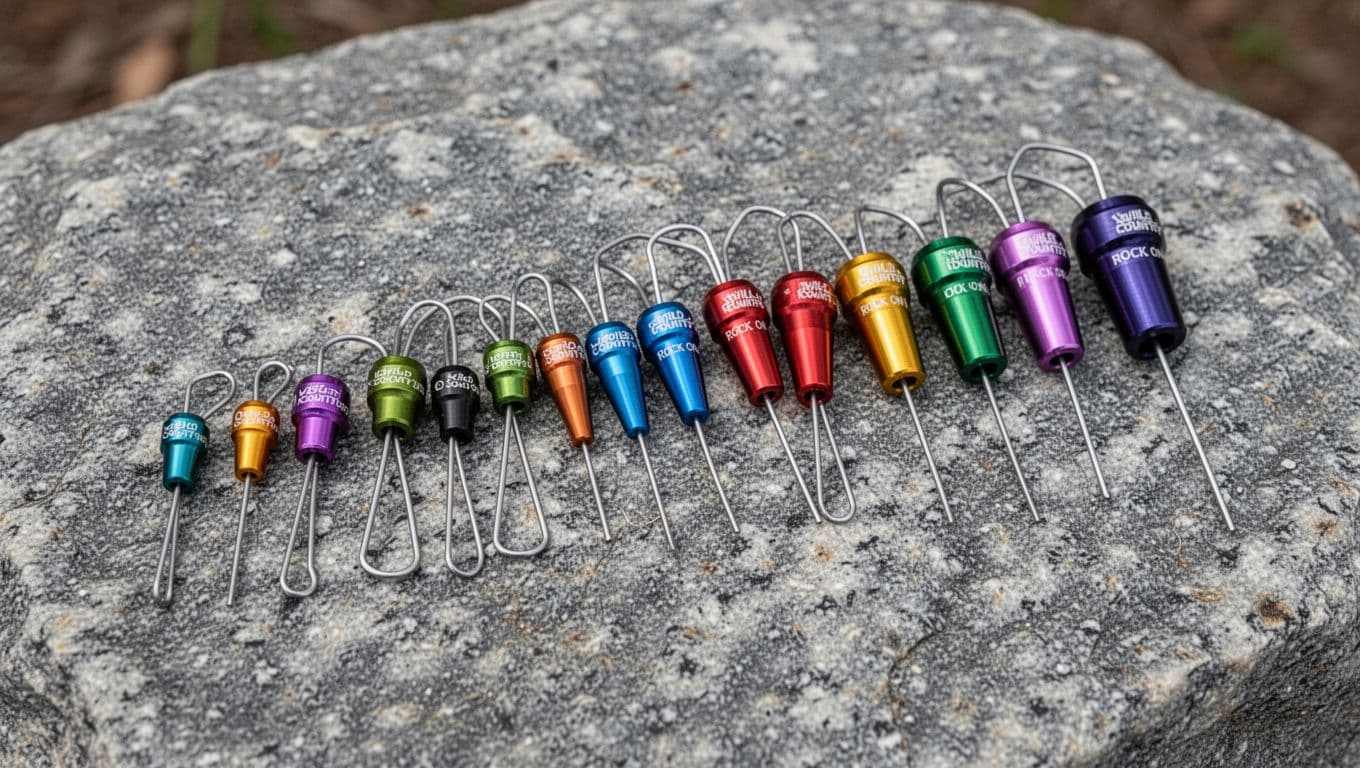
These nuts feel light and precise in hand. The curved, tapered shape with a 5-degree side cut hugs irregular rock. Thinner sidewalls on bigger sizes like 7 and 8 trim weight without skimping on hold.
The curved, tapered shape, and why it bites in flares and pin scars
Picture a nut that doesn’t sit flat. Instead, it curves gently, with one side narrower than the other. This taper means the narrow end slips in first, then the wider part locks with three-point contact on crack edges.
In simple terms, two points grip one wall while the third bites the other. Flares and pin scars love this setup because the curve matches uneven spots. You push it in, and it cams against lips or scars without walking.
However, perfectly parallel cracks sometimes suit straight-sided nuts better. There, the taper might shift under load. Still, Rocks excel in real-world granite or grit, where cracks rarely run true.
Materials and durability: what holds up, what wears out, and what to check
7075 aluminum forms the heads, so they resist dings from falls or hammer taps. Galvanized steel wires use a thin 7×7 strand design. This setup stays flexible and fights kinks better than thicker cables.
Wires fray over time from rack tosses or sharp edges. Heads develop grooves from repeated pulls. Edges deform if you hammer them in quartzite.
Check gear before each trip. Look for these red flags, and retire suspect pieces:
- Frayed or kinked wires that won’t straighten.
- Deep grooves or cracks in the aluminum head.
- Bent or mushroomed edges from impacts.
In short, inspect often. A quick once-over saves hassle on the sharp end.
Size range and strength in real life: why the tiny ones deserve extra respect
Sizes 1 to 10 span 7mm x 13mm violet micro-nuts to 30mm x 31mm silver beasts. Here’s the breakdown for quick reference:
| Size | Color | Dimensions (mm) | Weight (g) | Strength (kN) |
|---|---|---|---|---|
| 1 | Violet | 7 x 13 | 16 | 7 |
| 2 | Green | 8.2 x 13.8 | 25 | 9 |
| 3 | Silver | 9.6 x 14.5 | 28 | 10 |
| 4 | Gold | 11.3 x 15.3 | 30 | 10 |
| 5 | Blue | 13.3 x 16.8 | 32 | 10 |
| 6 | Red | 15.6 x 19 | 36 | 10 |
| 7 | Orange | 18.4 x 21.2 | 38 | 10 |
| 8 | Turquoise | 21.6 x 24 | 41 | 10 |
| 9 | Gold | 24.4 x 27.7 | 49 | 10 |
| 10 | Silver | 30 x 31 | 60 | 10 |
Smaller sizes like 1 and 2 pull easier in crumbly rock. Their lower kN ratings mean they act as better-than-nothing backups. Always equalize them, back up with bigger gear, and nail placements.
Focus on quality over speed. Test each tug before you bounce. Larger sizes hold firm, but micros demand your best eye.
How to place and clean Rock On Wires so they hold well and come out fast
You can master placements with the Wild Country Rock On wire set using a quick routine. First, pick the right size. Then seat it firm. Test the hold. Align the wire. Extend it out. This process keeps nuts bomber yet easy to yank on the follow. Beginners nail it fast because Rocks grab constrictions well. Practice cuts stuck gear and rope drag. In short, good habits save time and nerves.
A simple placement routine you can use on every lead
Follow these steps on every pitch. They work in granite, grit, or limestone.
- Read the crack. Look for a constriction or flare. Rocks shine here because of their taper.
- Match the width. Grab a color that fits snug, not loose. Sizes 1-10 cover most spots.
- Aim for the constriction. Slide the narrow end in first. Twist if needed for three-point contact.
- Set with a firm tug. Pull down sharp. Feel it lock.
- Check for wiggle. Bounce it light. No movement means solid.
- Orient for the expected pull. Point the wire toward your fall direction. This fights walking.
- Extend with an alpine draw. Clip quickdraws keep ropes straight.
Avoid rope drag by spacing pieces. Also, clip so the nut stays put and doesn’t rotate. You’ll place faster each time.
End-on placements, sideways placements, and when to walk away
End-on means you slot the nut straight into the crack, narrow side leading. The side cut on Rocks helps because it bites one wall while the curve grabs the other. This setup locks tight in offsets.
Sideways works if the nut sits stable and aligns with the pull. For example, in a horizontal scar, tilt it across. However, skip it when the crack flares outward. A shallow bite spells trouble too. Poor rock quality makes it worse.
Watch for these red flags, then bail to another spot:
- Flaring walls that push the nut out.
- Less than half the face seated.
- Crumbly edges that flex.
- Wire pinches tight against rock.
Choose a different piece. Or move past. Safety first beats forcing it.
Cleaning without drama: getting nuts out without welding them in place
Grab your nut tool for clean pulls. Hook the slot and tap light from different angles. Push the nut back the way it went in. This pops it free without wire damage. Yanking hard skips steps and bends cables.
Partners help by leaving pieces right. Align the wire straight out. Don’t over-set on lead; a firm tug sets it safe without gluing it. Over-setting turns easy cleans into fights.
Meanwhile, stop yanking if it sticks. Bounce the rope or down-pry gentle. Still no? Leave it for rapping or skip past. Rocks rarely weld because their taper releases easy.
When this set shines (and when another nut shape might be the better call)
The Wild Country Rock On wire set fits many routes because its curved taper grabs irregular cracks well. You see it often as the core of trad racks. It saves weight on long days, yet holds firm in real rock. However, some spots call for other shapes. Let’s break it down so you rack smart.
Best rock and route styles for Rock On Wires
Mountain trad routes suit these nuts perfectly. Think wandering pitches on granite or grit with mixed crack shapes. The curve bites flares and pin scars where cams might slip.
They form the backbone of your rack for good reason. Climbers carry them even with cams because passives stay light and reliable. For example, alpine links or multipitch adventures favor the full 1-10 set. It covers constrictions from tips to hands without bulk.
In short, pick Rocks for varied cracks on big walls or peaks. Their taper locks in offsets too. You build confidence fast on routes like those in the Tetons or Yosemite.
Where you may want different gear (micros, offsets, or a different nut profile)
Perfectly parallel cracks sometimes shift these nuts under pull. Straight-sided profiles like some Stoppers sit flatter there. So, add them for uniform seams.
Thin seams or uneven pin scars push you toward micros. Brass or steel micros fit sub-7mm tips where size 1 feels loose. Offsets handle side-to-side flares too.
Safety stays first. Skip forcing Rocks in shallow pockets; grab specialized gear instead. This mix keeps your rack versatile without excess weight.
How many to rack, and which sizes people often double up on
Start with one Wild Country Rock On wire set from 1 to 10 if you’re new to leading. It covers most needs light and quick.
Double mid-sizes like 4 through 7 on local rock. Granite routes eat gold through orange often. Local cracks dictate extras, so test your crags.
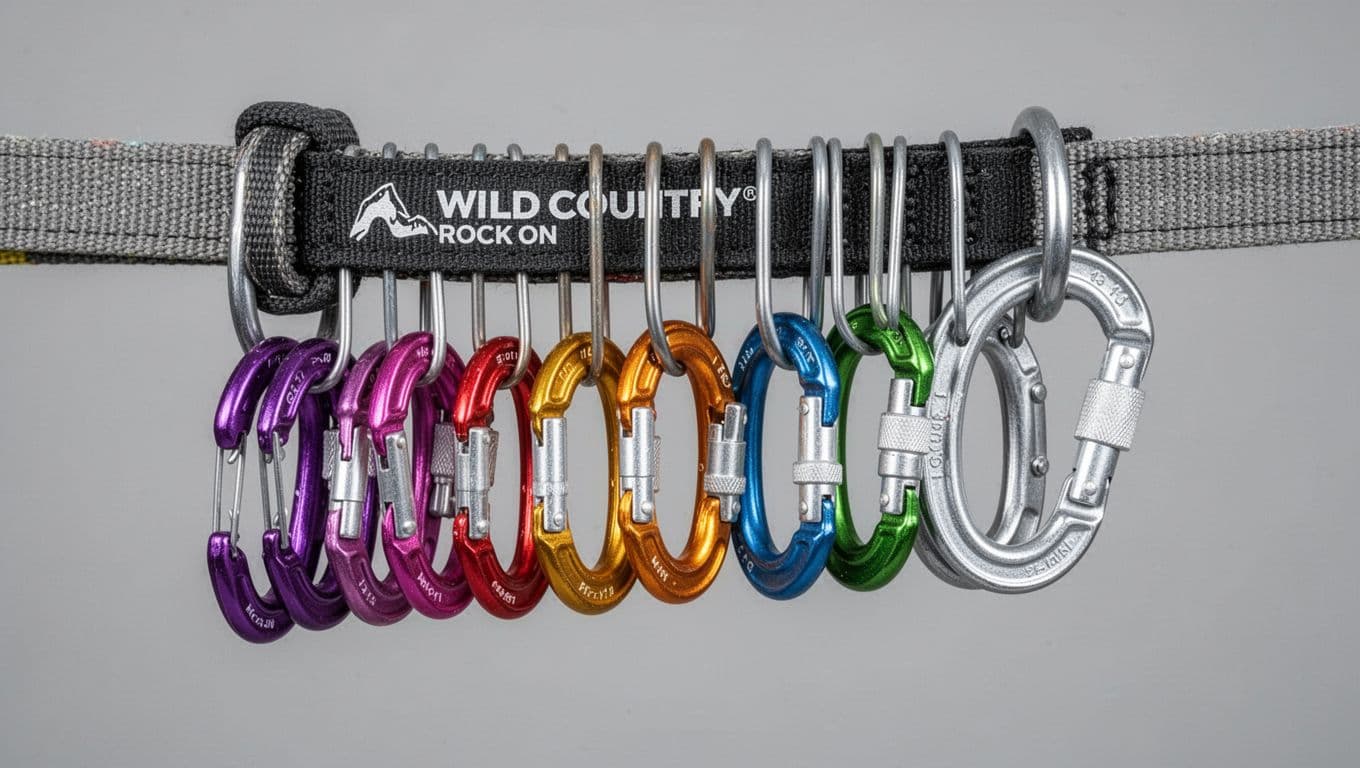
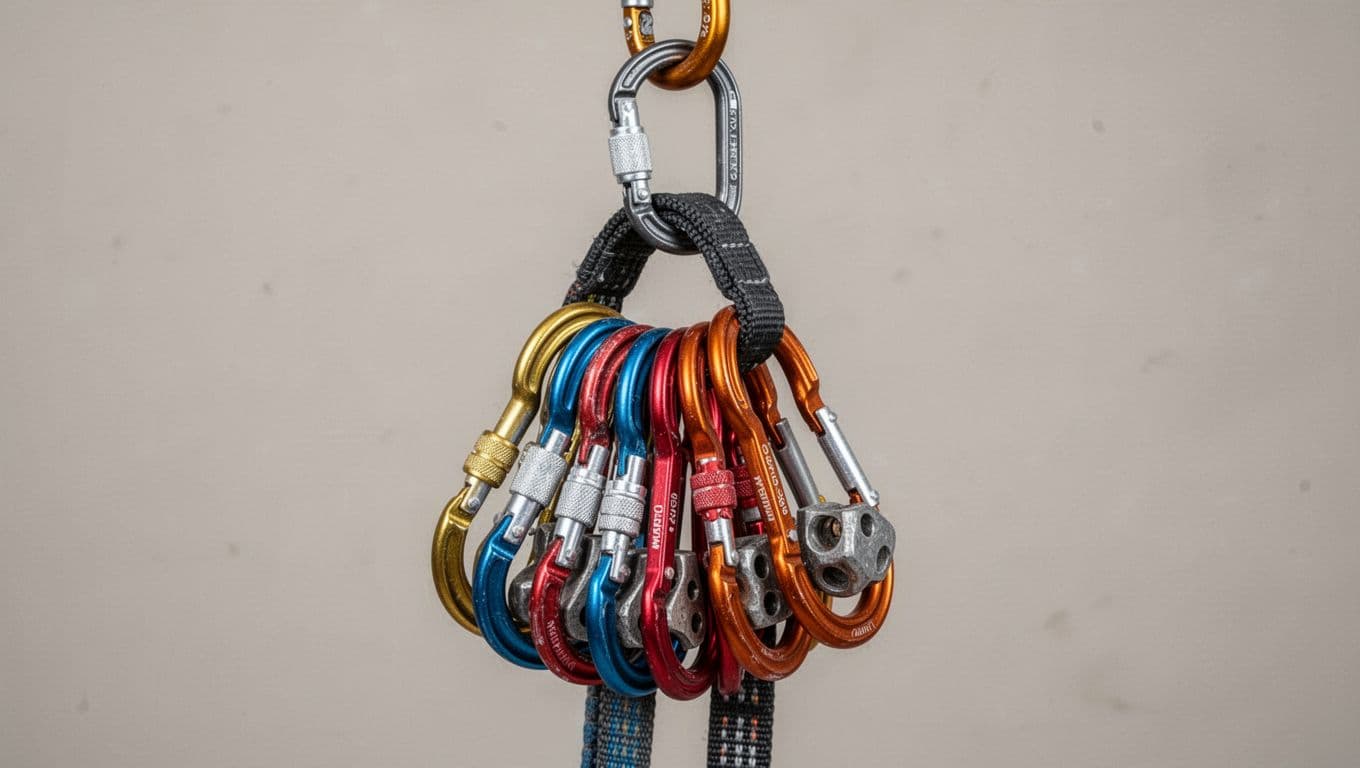
Rack by rainbow order on slings or loops. Keep them waist-high for fast grabs. Pair with cams for balance: nuts back up cams in flares.
Buying advice in 2026: price, versions, and how it compares to other wired nut sets
You want the Wild Country Rock On wire set without regrets. In 2026, expect to pay $75 to $130 for the full sizes 1-10 set at US shops like REI or EpicTV. Discounts drop it to $75-80 often, while full price hits $100-120. Singles run $8 to $15 each, so building custom racks costs more. Prices shift with sales, so check current deals. Also, names mix up: folks call it Rock On Wire set, Rock Set, or Rocks on Wire. The current version uses anodized colors and thinner sidewalls for light weight and better bite, as of February 2026.
Black Diamond Stopper sets go $100 to $180, like the #5-11 at $100 or full pro at $180. DMM Wallnuts and Metolius Curve Nuts sets hover similar, around $90-140, though exact prices vary. Durability matches across brands; all use tough aluminum and steel wires. Handling differs most because shapes change how they seat. Let’s compare so you pick smart.
Rock On Wire set vs Black Diamond Stoppers: the quick, real-world difference
Rocks taper and curve, so they hug flares better. Stoppers stay more parallel, which helps in straight cracks. Both hold strong at 10kN mids, but feel shifts on lead.
For example, on a Yosemite granite flare, the Rock’s narrow end slips deep, then locks with body weight. It seats fast without wiggle. On the other hand, picture a smooth Black Diamond seam like in the Gunks. The Stopper sits flat, pulls true, and cleans easy. No bashing; both shine in spots. Rocks edge out in irregular rock because taper grabs lips. Stoppers win parallels since they don’t shift. Grab Rocks if flares rule your crags.
Rock On Wire set vs DMM and Metolius: what changes in feel and placement options
DMM Wallnuts share color logic, so rainbow grabs stay quick. Metolius Curve Nuts praise comes for tight constrictions. Wires slide smooth on all, but stability varies.
On lead, Rocks handle light with thin sidewalls; you flick sizes fast. DMM feels stiff, seats solid in parallels yet fights flares. Metolius curves similar, bites narrow spots best. Climbers notice Rocks seat quicker in offsets because taper cams gentle. DMM needs twist for three points, while Metolius stays put in squeezes.
In short, you find sizes same speed across. Rocks “seat” snug in mixed cracks. DMM excels uniform; Metolius constricts. Durability ties; inspect wires same. Test local rock to feel diffs.
A simple checklist to pick the right wired nuts for your first rack
Narrow choices with this quick list. Start here before buying.
- Local rock type: Granite flares? Go taper like Rocks. Smooth limestone? Parallels like Stoppers.
- Crack style: Flared or offset heavy? Taper wins. Parallel seams? Straight sides.
- Offsets needed?: Add 4-6 each if cracks jog side to side.
- Budget: $80 set beats piecemeal. Watch sales.
- Weight goals: Rocks shave grams with thin walls.
- Alpine climbs?: Light sets like 1-10 rule long days.
Beginners, grab one Wild Country Rock On wire set for core coverage. Add a few offsets or extra mids (sizes 5-7). This racks versatile without overload. Test on toprope first.
Choose Rocks if flares, pin scars, or mixed granite fill your leads; they bite irregular best. Pick Stoppers for parallels; DMM for stiff seats; Metolius for tight. Mix for full racks.
Conclusion
The Wild Country rock on wire set stands out as a light, durable choice for trad climbers. It racks easy on slings, thanks to color coding and low weight around 355 grams. Most pieces hit 10 kN strength, so they hold firm in flares, pin scars, and constrictions where straight nuts might slip. In addition, the curved taper creates three-point contact that bites irregular granite or grit cracks reliably.
However, smaller sizes like 1 and 2 carry lower ratings at 7-9 kN. They work best as backups, so always test placements hard and equalize with bigger gear. Solid habits prevent issues on lead.
Meanwhile, experienced climbers double mids like 4-7 for local routes. Beginners start with the full 1-10 set and add offsets as needed.
Practice placements at ground level now. Learn to clean nuts fast with a tool and light taps. Then build your rack around the cracks you climb most. Grab a Wild Country Rock On wire set today, hit the crags, and build confidence pitch by pitch.
Back to Climbing Nut Reviews
Recommended Products for Trad Climbing
These products can support safer climbing, belaying, rappelling, and emergency readiness.
Affiliate disclosure: As an Amazon Associate, TradClimbers may earn from qualifying purchases at no additional cost to you.
Keep exploring helpful trad climbing, gear, safety, and technique resources.
- A Climber’s Guide to Rock Climbing in Thailand
- A Trad Climber’s Guide to the Isle of Skye Ridge
- Hueco Tanks Rock Climbing: hueco tanks rock climbing Essentials
- A Climber’s Guide to The Nose of El Capitan
- The Top 8 Unforgettable Climbing Routes El Capitan Has to Offer in 2026
- Yoga for Climbers: Boost Strength, Flexibility, and Recovery | yoga for climbers