

Ever struggled to protect a Wild Country Offset Rocks spot in a flaring crack or pin scar? Those awkward placements can turn a solid lead into a sketchy adventure. These ultralight offset nuts solve that problem fast.
Wild Country Offset Rocks are tapered passive nuts made from 7075 alloy. They feature a curved Rock shape with one narrow side and one wide side, so they grip irregular cracks better than standard nuts. At just 27 grams for size 8, they’re the lightest offsets around and hold up to 7 kN.
Don’t mix them up with Wild Country Offset Zero Friends, though. Those are micro cams with moving parts for tiny pockets. Offset Rocks stay simple, superlight, and perfect for nut-friendly cracks.
Trad and alpine climbers love them because they save rack weight while boosting options in weird spots. In this post, I will cover how they work, where they shine, placement tips, and how they stack up against DMM or Black Diamond offsets.
What Wild Country Offset Rocks are, and what makes them different from regular nuts
Passive protection like nuts works by wedging into rock constrictions. You tap them in place, and they hold falls through friction and a slight camming action as the rope yanks them deeper. No moving parts mean reliability in dirt or ice.
Wild Country Offset Rocks take this basic design further. They use 7075 aluminum alloy for strength and lightness. Each nut keeps the classic curved Rock shape but adds offset tapered sides – one narrow side fits tight spots, while the wider side presses into flares. Sizes run from 5 to 10, with color coding for quick grabs: blue for 5, red for 6, up to silver for 10. All hold 7 kN except size 10 at 9 kN, certified to EN 12270, UIAA, and CE standards. Weights start at 21 grams for size 5, so a full rack weighs just 163 grams.
Regular nuts stay symmetric, so they often sit loose in flares or pin scars. Offsets solve that because the narrow side bites the pinch, and the wide side grabs extra rock. You get more contact and stability. In addition, the superlight single wire cuts weight versus standard wired nuts.
Don’t confuse these with offset cams like Wild Country’s Offset Zero Friends or Black Diamond offsets. Those have springs and lobes for active expansion. Offset Rocks stay passive and nut-only.
Offset shape explained with simple crack examples
Picture a pin scar that flares. The bottom pinches tight, but the top widens. A regular nut slips because both sides can’t grip well. Drop in an Offset Rock narrow side first. It seats deep, while the wide side hugs the flare. More metal touches rock, so it feels rock-solid.
Next, try a shallow groove wider on one side. The left wall constricts, but the right opens up. Regular nuts rock out under pull. However, the offset nut orients easily. Narrow side locks the tight edge; wide side fills the void. Contact doubles for better hold.
Finally, a slightly irregular natural crack works the same way. Walls bump unevenly. You twist the offset to match. As a result, it conforms better than a straight nut. Climbers report these placements inspire confidence in runouts.
The superlight wire design, and what you gain (and give up)
The thin single wire sets these apart. Swaged precisely at the top, it forms a clean loop. This drops weight by up to 40% over standard Rocks or other brands. Size 8 weighs only 27 grams. On long routes, that adds up. You shave ounces per piece, so your rack stays light for alpine pushes or big walls.
Besides saving weight, the 7075 alloy pulls out easier after stress. You gain rack space too. Fewer heavy nuts mean room for more gear.
Yet, lighter builds have trade-offs. Softer aluminum wears faster on gritty rock over many uses. Thin wires can kink or bend if you torque them hard while placing or racking. Treat them gently, and they last seasons. Most reviewers praise the gains for weight weenies, but skip them for bomber-only spots. In short, perfect for flares where regulars fail, as long as you place smart.
Where Offset Rocks shine on real routes: pin scars, flares, and light racks
Wild Country Offset Rocks excel in spots where standard nuts flop. Think old fixed-gear scars from classic aid lines, granite flares on big walls, or shallow sandstone pods too tight for micro cams. Sizes 5 to 10 handle thin cracks perfectly, so you grab a light set for runouts without bulk. Experienced leaders reach for them over micro cams when passive pro fits snug, because offsets stay simple and light. In contrast, cams add active grip but extra grams.
Pin scars and flared cracks: the “this finally fits” placements
Pin scars often flare wide at the top. You slide the narrow side of the Offset Rock into the tight pinch first. Orient it side-to-side across the scar for best hold, not front-to-back like in parallel cracks. The wide side then presses against the flare walls.
This setup boosts surface contact. Rock touches more metal, so the nut sits firm. It rocks less under bounce tests, unlike symmetric nuts that wobble. Pull straight; the offset creates a clean downward tug that cams it deeper.
Granite flares work the same. Narrow side bites the constriction; wide side fills the void. Climbers report solid holds in Red Rocks scars or Yosemite pins. Sandstone pods stay shallow, yet these nuts squeeze in without chewing rock.
Test it yourself next time. That “finally fits” feel builds trust on lead.
Alpine and fast-and-light trad: trimming weight without going unprotected
Alpine days demand light racks. A set of Wild Country Offset Rocks from sizes 5 to 10 weighs about 170 grams total, so you carry options without penalty. Sizes stay small for thin cracks, yet they protect flares where nothing else grabs.
Experienced leaders benefit most. If you place nuts well already, these add versatility fast. Pair them with a few cams; the offsets handle scars and pods on granite ridges. Reviews praise them as “leaver” gear for fast ascents, because thin wires save ounces over stiff competitors.
Fast-and-light trad loves this too. On multipitch granite or gritstone, flares pop up often. You trim weight yet stay protected. In addition, the intuitive curve orients quick under headlamp or in wind.
One climber ditched heavier offsets for these on a Chamonix linkup. Result? Lighter harness, same security in shallow slots.
Above all, they let you move quick without gaps.
When not to use them (and what to choose instead)
Skip Offset Rocks in certain spots for safety. Here are clear cases:
- Slick, parallel cracks: A standard nut sits perfect. Offsets add no gain, so stick with symmetric Rocks for bomber holds.
- Deep placements: Larger standard nuts seat safer and pull cleaner. Offsets work shallow only.
- Very soft rock: Any nut chews in easy. Cams expand better without damage.
- Active holding power needed: Wide flares or dynamic pulls demand cams. Micro cams like Black Diamond or Metolius grip outward force.
In short, reach for offsets in passive-friendly irregularities. Otherwise, prioritize reliability. Reviews agree: supplement, don’t replace full racks.
How to place Wild Country Offset Rocks so they actually hold
You can nail placements with Wild Country Offset Rocks in seconds if you follow a simple process. These nuts grip flares and pin scars because their offset shape matches irregular rock. Practice the steps below, and you’ll build confidence fast. Most importantly, always inspect the crack first. Then match your nut to the shape. Good placements feel solid right away.
A quick placement checklist you can run in 10 seconds
Run this checklist every time for bomber holds. It takes just moments, yet it boosts security.
- Inspect the rock. Look for a constriction or rough spot. Skip loose flakes or smooth walls.
- Choose the size. Pick one where the narrow side fits the pinch snugly. Test a size or two if needed.
- Orient the offset. Slide the narrow side into the tight part first. Turn it sideways for flares.
- Seat it with a firm tug. Push in, then give a sharp bounce downward. It should set without walking.
- Check for wobble. Wiggle it. No movement means good contact on both sides.
- Protect the direction of pull. Align so a fall yanks down and out, not sideways. Use the C-S-D method: constriction, surface contact, direction.
- Extend with an alpine draw if needed. Clip a sling to cut rope drag and stop the nut from shifting.
Test gently after. Bounce the rope. If it holds firm, clip and climb on. In short, this routine turns sketchy spots into solid pro.
Reading the rock: finding the “best bite” in an irregular crack
Spot the right place before you commit. Seek constrictions where walls pinch tight. Rough texture helps too; gritty surfaces grab the alloy better. The nut stops moving when you find the sweet spot.
Offsets shine here. Rotate the Wild Country Offset Rock a few angles. Try it narrow side in the tight edge, wide side filling the void. It often clicks after one twist. For example, in a bumpy granite crack, the narrow face locks the bump while the wide face presses the flare.
Watch for places with max contact. Both sides touch rock evenly. As a result, it feels stable under your fingers.
 A Wild Country Offset Rock sits firm in an irregular granite crack, narrow side in the pinch and wide side against bumps. Created with AI.
Besides that, practice at the crag base. You’ll spot “best bite” spots quicker on lead.
Common mistakes with offset nuts (and easy fixes)
Beginners mess up offsets often. However, simple tweaks fix most issues. Here are the top errors and how to dodge them.
Placing too shallow: The nut pops out easy. Fix: Push past the constriction until it stops. Tug down to seat deep.
Using in straight-sided cracks: It rotates under load. Fix: Save offsets for flares. Grab a standard nut for parallels.
Loading it sideways: Pull twists it out. Fix: Align with fall line. Check direction before clipping.
Over-camming like a cam: You force it too tight. Fix: Bounce test lightly. It should hold without brute force.
Yanking hard when cleaning: Wires kink or nuts stick. Fix: Wiggle and tap from below with a tool. Pull steady.
Placing blind or ignoring shape: Fails fast. Fix: See the spot. Match narrow to tight always.
Avoid loose rock too. These steps keep your Wild Country Offset Rocks working right. In addition, check reviews; climbers fix these daily for solid runs.
Cleaning and care: keeping the thin wires and soft alloy in good shape
Treat your gear gentle to make it last. The thin wires and 7075 alloy wear if you abuse them. After each trip, brush off dirt with a soft nylon tool. Hold the nut loose in your palm. Never pry or twist hard.
Watch for kinks in the wire or grooves on the body. Sharp edges mean retire it. Inspect before every climb. Follow Wild Country’s guide, and trust your eyes.
Store them dry and loose in a bag. Rack small sizes one side, large the other. As a result, they grab quick and stay straight.
Above all, damaged gear goes. Better safe than sorry on the sharp end.
Offset Rocks vs other offset options: nuts, micro cams, and what belongs on your rack
Wild Country Offset Rocks fit into a bigger picture of offset gear. They handle flares and pin scars better than standard nuts. However, micro cams and other offsets offer choices too. You pick based on weight, speed, and terrain. In short, know the trade-offs before you rack up.
Offset nuts vs offset cams: the simple trade-offs
Offset nuts like Wild Country Offset Rocks stay passive and simple. Cams add active expansion. Both work in flares, yet each shines differently.
Consider weight. A full set of six Offset Rocks totals 163 grams. That’s lighter than most racks. Micro offset cams, such as Wild Country Offset Zero Friends, weigh 49 to 78 grams each. So, they add up quick on long routes.
Next, price. Nuts cost less upfront. You grab a set for under what one high-end cam runs. Cams demand more cash because of springs and lobes.
Speed of placement varies. Nuts slide in fast with a tug. No fiddling required. Cams set quicker in a rush, though. You twist and go, especially in slick spots.
Range overlaps in tiny cracks. Offset Rocks cover 12.5 to 23 mm shallow. Offset Zero Friends expand 11.7 to 37.4 mm across sizes. Cams grip wider or slicker rock.
In flares, nuts hold solid when seated right. The narrow side bites deep; wide side fills the void. They cam under pull for bomber holds. Cams expand easier in shallow or dynamic spots. However, nuts win for light alpine racks.
Offset Rocks pull even with Black Diamond offsets in reviews. Climbers praise their mild taper for everyday cracks.
Nuts stay reliable in dirt. Cams snag on grit. Above all, place nuts well, and they match cams for strength at 7 to 9 kN.
A simple buying plan for most trad climbers
Build your rack smart. Match it to your style and spots. Here are three paths that work.
Newer trad leaders start basic. Buy a set of standard nuts first. They teach placement feel. Then add Wild Country Offset Rocks for flares. This keeps costs low and builds skills.
Experienced climbers in pin-scar granite grab Offset Rocks plus a few offset micro cams. Pair sizes 5 to 10 nuts with two Offset Zero Friends or Black Diamond offsets. Nuts handle shallow scars; cams cover slick runouts. Climbers report this combo fits Red Rocks or Yosemite best.
Alpine folks prioritize light passives. Rack Offset Rocks as duplicates for thin cracks. Skip heavy cams unless routes demand them. Total weight stays under 200 grams for options.
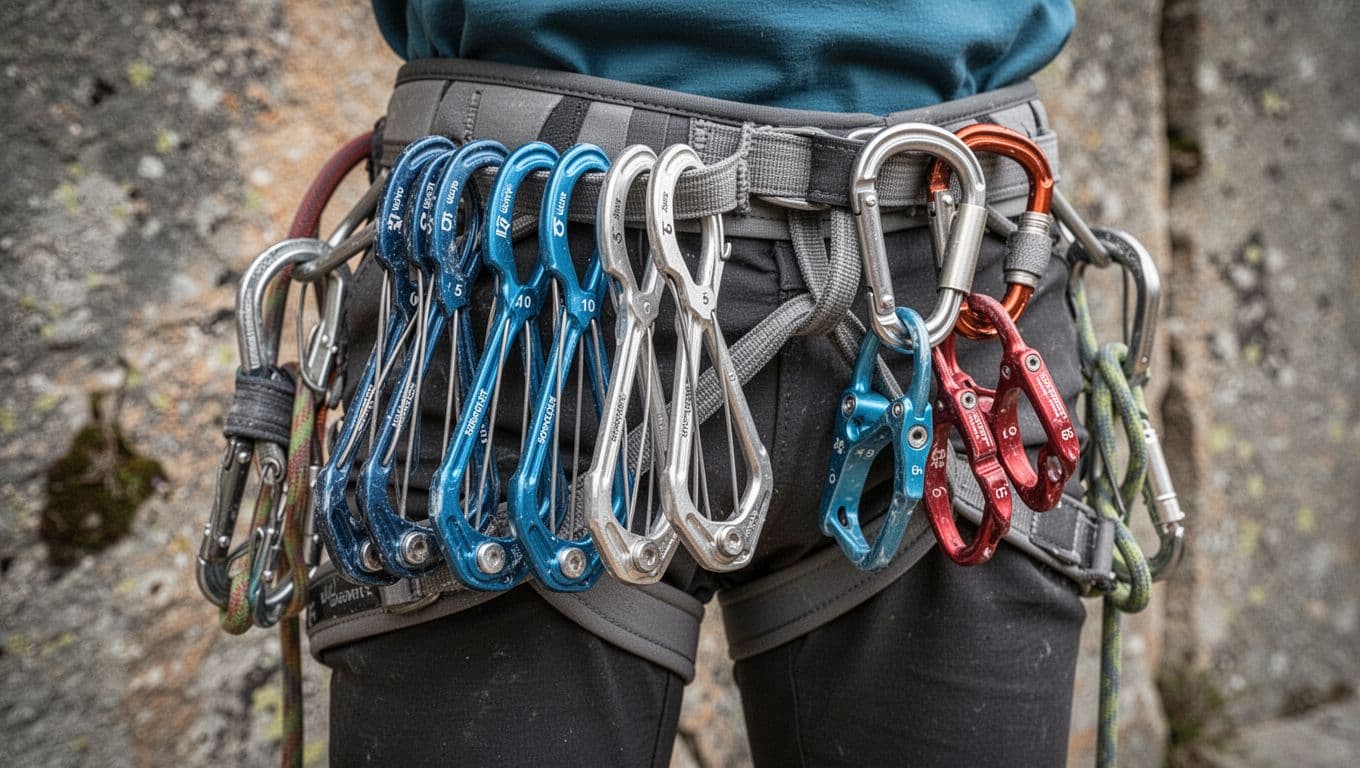 climbing harness gear loop with exactly six colorful Wild Country Superlight Offset Rocks (sizes 5-10, blue to silver) neatly racked in order and two small offset micro cams (blueish and reddish) attached via carabiners on the adjacent loop, photorealistic high detail, blurred granite background.">
In addition, test at the crag. Reviews from climbers like Andy Kirkpatrick back these setups. They save weight without gaps. So, choose what fits your leads.
Conclusion
Wild Country Offset Rocks deliver ultralight protection at just 163 grams for a full set of six. They excel in flares and pin scars, where the offset taper grabs tight constrictions and fills voids for solid holds. Climbers praise their versatility on granite routes, because careful placement turns sketchy spots into confidence builders.
However, the soft 7075 alloy wears quicker on gritty rock, and thin wires flop or kink if you torque them hard. So, they suit experienced trad and alpine leaders who place nuts precisely and prioritize light racks over bombproof backups.
In short, these nuts reward smart use without replacing standard gear. Practice placements close to the ground next time out. Feel that good contact on both sides, then build a rack that fits your local rock.
Back to Climbing Nut Reviews
Recommended Products for Trad Climbing
These products can support safer climbing, belaying, rappelling, and emergency readiness.
Affiliate disclosure: As an Amazon Associate, TradClimbers may earn from qualifying purchases at no additional cost to you.
Keep exploring helpful trad climbing, gear, safety, and technique resources.
- A Climber’s Guide to Rock Climbing in Thailand
- A Trad Climber’s Guide to the Isle of Skye Ridge
- Hueco Tanks Rock Climbing: hueco tanks rock climbing Essentials
- A Climber’s Guide to The Nose of El Capitan
- The Top 8 Unforgettable Climbing Routes El Capitan Has to Offer in 2026
- Yoga for Climbers: Boost Strength, Flexibility, and Recovery | yoga for climbers