
Trad Climbing Safe Lead Practice
I remember that day on a granite crack in Joshua Tree. My cam placement zipped right out during a whip. I decked hard, helmet cracking on rock, but walked away with bruises and a wake-up call.
Trad climbing safe lead practice keeps you alive. You place removable gear like cams and nuts in cracks. This protects falls as you lead pitches without bolts.
Safety isn’t optional. In 2024, trad saw 52 accidents in North America alone. Ground falls caused 30% of rock deaths; bad placements lead to decks and head trauma. Helmets cut that risk by 70%.
New gear helps. Wild Country’s 2026 Friends cams feature hollow axles and better locks. Black Diamond harnesses pack bigger loops for racks. Edelrid’s Ohmega cams and Avant tools make placements smoother.
This post breaks it down. You’ll learn gear picks, placement tips, belay musts, and risk stats. Master these, climb bold, stay safe. Let’s gear up.
Essential Gear for Safe Trad Leads in 2026
Nothing beats the rush of leading a trad pitch when your rack inspires total trust. In trad climbing safe lead practice, pack doubles of cams from #00 to #4, including offsets; nuts sized 1 to 13 with offsets; a few tricams and hexes; 12 alpine draws; long slings; extra lockers; and cordelettes. Rack big. Don’t skimp. Carry extras for anchors. Helmets protect both leader and belayer from rockfall or swings. This setup cuts drag, boosts protection, and lets you climb bold. New 2026 releases like Wild Country’s updated Friends cams and Edelrid Ohmega add reliability.
Cams and Nuts: Picking the Right Sizes
Cams shine in parallel cracks. Retract lobes 50 to 90 percent. Apply even pressure. Stem them toward the fall line so they grab under load. Nuts fit best in downward constrictions, like narrowing tips. Offsets handle flaring cracks that standard pieces skip.
Skip shallow spots or overcammed placements. They zip out fast. Gear strength hinges on solid rock. Hollow flakes or loose blocks fail no matter the piece. Test by bouncing lightly. Solid holds firm.
Key rack picks:
- Doubles of Black Diamond Camalots or Metolius from micro to #4.
- Offset nuts like DMM Wallnuts for weird seams.
- A handful of hexes for wide or shallow zones.
These choices build unbreakable confidence.
Slings, Draws, and Ropes to Cut Drag
Clip 12 alpine draws and double-length slings to keep your rope line straight. They prevent zigzags that build deadly drag. On wandering routes, double ropes shine. Alternate strands to slash friction, reduce stretch, and lower impact force in falls.
Thin ropes stretch more for soft catches but risk grounders on short falls. Pair with beefier tags for safety. Avoid too much extension. It turns solid gear into weak links.
Pack extras for anchors. Less drag means smoother leads and fewer surprises. Your rack flows; you fly up the rock.
Key Techniques for Bomber Placements
Your rack means nothing without bomber placements in trad climbing safe lead practice. One weak spot, and a fall turns deadly. I learned this the hard way on a sketchy Joshua Tree flake that blew out mid-whip. Focus here: inspect rock, nail orientations, and protect low. Practice these until they feel automatic. Speed comes with reps, even under pump.
Check the Rock Before You Place Gear
Solid rock holds your gear. Tap cracks with a nut tool or knuckle. A hollow sound screams trouble; solid rock rings true. Skip loose flakes or blocks, they rip free under load. Bounce lightly on holds. If it shifts, bail or downclimb.
Gear fails if rock does. I once yanked a cam from a rattling block; better safe on the ground. Test every placement spot. Clean dirt or moss first for true grip.
Perfect Nut, Cam, and Hex Placements
Nuts shine in constrictions. Tilt them downward-pointing so the cable angles toward your fall. They cam against rock lips under pull. Check REI’s guide on trad gear for visuals.
Cams demand parallel lobes to the fall line. Stem the trigger so lobes retract evenly, 50 to 90 percent. Twist cams for bite in flares; avoid overcammed walks. Hexes and tricams lever along the pull line. Clip rope from the rock side, never backclip. Extend with slings to kill drag.
Practice on toprope. Place, tug, yank sideways. Only bomber pieces stay.
Start Strong with Low Protection
Hunt first gear low, off the deck. Even five feet saves your neck from ground falls. Wear helmets, you and your belayer. Mock leads on easy routes with toprope backup; build speed without risk.
Downclimb to clean if needed. Belay smart: thumb on brake strand, cam-to-cam only at slack’s end. Rack doubles for runouts. Place under stress after clean reps. These habits keep you climbing bold, fall after fall.
Rope Management to Prevent Zippering and Falls
Rope zigzags kill protection in trad climbing safe lead practice. One bad clip starts a chain reaction. Your rope yanks cams and nuts out like dominoes. Proper management keeps the line straight and gear bomber. I’ve fixed sloppy ropes mid-pitch; it saved my lead.
Avoid Backclipping and Zipper Falls
Backclipping happens when the rope runs behind the carabiner instead of through it from the rock side. In a fall, it flips the biners open and spits gear. Always grab rope from the downhill side. Pull it across the front gate into the carabiner basket. Check every clip twice.
Zippering strikes next. Rope drag from crooked runs overloads sequential pieces. The lowest blows first, then the next, until nothing holds. Straighten your line with alpine draws and long slings. Clip every 10 feet max. Extend just enough to kill angles; too much creates slack bombs.
Climb steep faces or vertical cracks when you can. Ledges catch swings and rip gear sideways. On wanders, pack double ropes. Alternate leads to cut drag and stretch.
Quick fixes for clean runs:
- Rock-side entry: Rope enters carabiner from cliff wall.
- Slings first: Double lengths on crux gear.
- Skip runouts: Place often, extend smart.
See this clipping guide for visuals. Practice on sport leads. Clean rope flow builds trust. You clip smooth, fall safe, send bold.
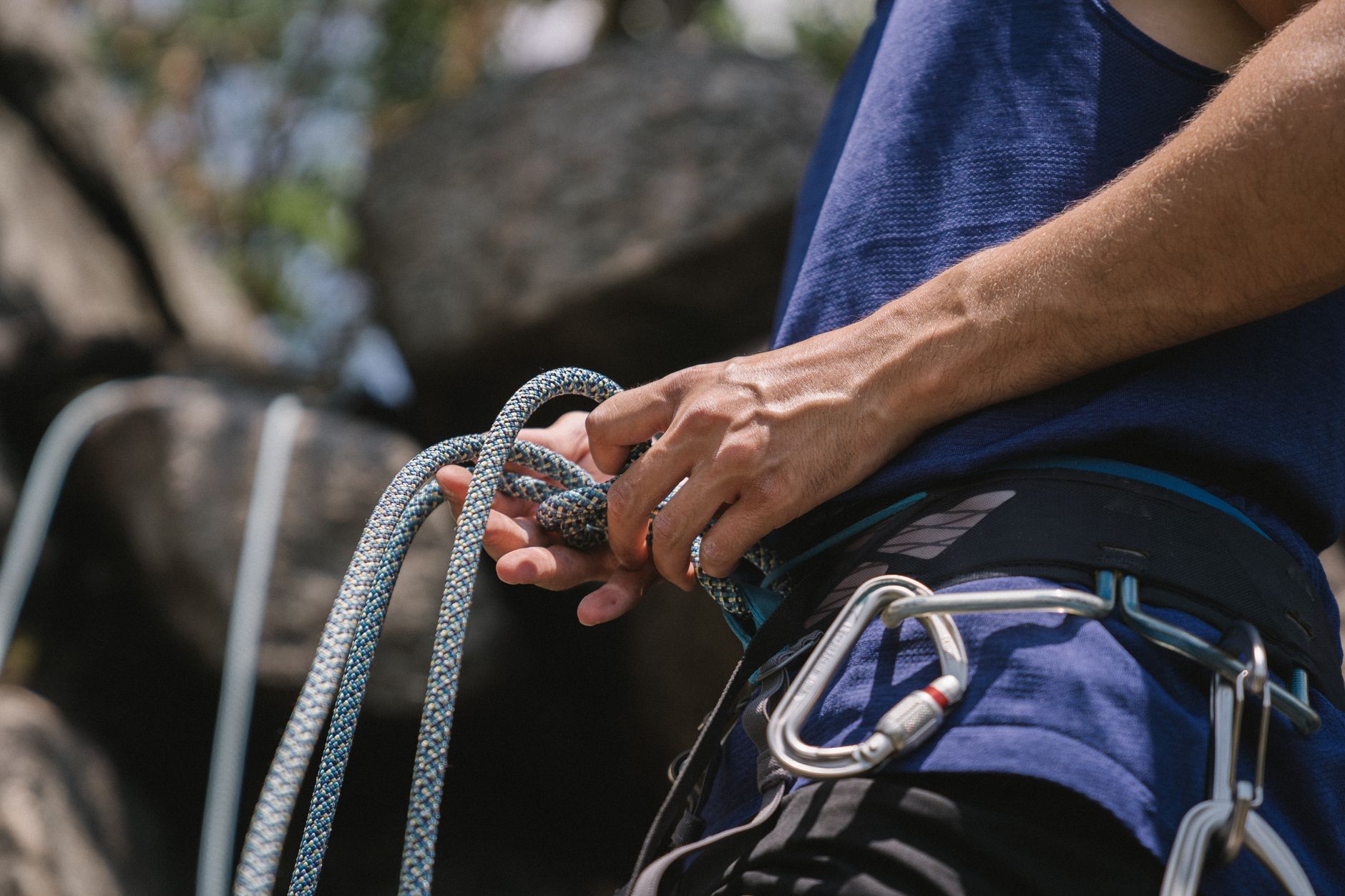
Photo by Katya Wolf
Common Mistakes and How to Fix Them
Even pros slip up in trad climbing safe lead practice. One lapse turns a solid lead into a hospital trip. Ground falls smash heads and spines; helmets slash that risk by 70 percent. Leader whips can yank belayers off feet too. Common traps include skipping low gear, bad placements, backclipping, zippering, thumb on the live rope, and picking rotten rock. Accept the risk, but drill fixes on easy grades. Move clean, stay alive.
Skipping Gear Leads to Ground Falls
You spot a crack five feet up but push on without placing. A slip means decking hard. Ground falls cause most trad deaths. Always hunt gear low, off the deck. Even a marginal nut beats nothing.
Downclimb to clip if you must; pride won’t break bones. Rack doubles so you place without pause. Practice mock leads on 5.6 routes. Belay tight. Your first piece sets the tone: protect early, climb free.
Bad Placements That Walk or Fail
Hollow rock rings false when you tap it. Skip those flakes; they blow out fast. Shallow cams or nuts pull easy; go 50 to 90 percent deep. Overcammed lobes walk under shock loads.
Spot and fix bad spots:
- Test rock: Bounce lightly. Solid stays put.
- Check depth: Twist cams for even lobes; tilt nuts down.
- Avoid flares: Use offsets here.
Clean moss first. See Climbing Magazine’s placement guide for pro tips. Solid gear holds whips; junk fails you.
Thumb off the live rope in belays. Clip from the rock side to dodge backclips. Extend with slings to kill zippering. These tweaks build bombproof runs. Climb smart; send safe.
Safe Practice Drills for Confident Leading
You build real confidence in trad climbing safe lead practice through drills that mimic the real thing. Fear of whipping fades when you stack reps on safe ground. Start on vertical routes at your gym or crag. These steps turn shaky nerves into solid trust. Practice until gear feels like an old friend.
Mock Lead with Top Rope and Lead Belay
Clip a top rope first, then rack up and lead like it’s real. Place your trad gear below the bolts or rope. Climb past pieces, fall short to test them. Switch to full lead belay next; your partner catches from below. This setup lets you focus on placements without ground risk.
I did this on 5.8 cracks. One fall yanked a nut clean; I cleaned it up and tried again. Reps build speed.
Whip on Bolts to Lose the Fear
Head to sport routes with bolts. Climb high, yell “falling,” and whip. Feel the drop, the catch. Do 10 in a session. Your body learns falls don’t end in decks. Once comfy, mix in trad pieces below bolts. Check this lead fall practice drill for top-rope tips.
Fear shrinks fast. You clip bolder after 20 whips.
Grab Mentor Feedback and Place After Pink Pointing
Rope up with an experienced partner. They spot weak placements and call runouts. Ask: “Does this cam bite?” Pink point the route first, on top rope. Know every hold. Then lead, placing gear on the way down or up. Fall high on good pieces; gear pulls feel sharper than bolts.
See tips for building trad confidence. Mentors sharpen your eye. You lead clean, fall safe. Stack these drills. Your rack runs true.
Conclusion
Mastering trad climbing safe lead practice boils down to smart gear, solid techniques, smart fixes for mistakes, and steady drills. Pack doubles of cams, nuts, and slings. Nail placements in solid rock. Clip clean to dodge zippers and backclips. Whip on bolts and mock leads to build trust.
Gear up now. Rack reliable pieces like updated Friends cams or Camalots. Hit the crag for practice sessions. Rope up with a mentor for sharp feedback. These steps turn fear into flow.
Safe leads unlock the pure joy of cracking granite cracks pitch after pitch. You climb bold, fall protected, and savor every move.
Back to Trad Climbing Basics
Recommended Products for Trad Climbing
These products can support safer climbing, belaying, rappelling, and emergency readiness.
Affiliate disclosure: As an Amazon Associate, TradClimbers may earn from qualifying purchases at no additional cost to you.