
Trad Climbing Gym to Outdoor Transition
Picture this: your fingers jam into a sun-warmed granite crack as wind whips your face. Rocks shift underfoot with a faint rattle, and gravity pulls harder than in any gym. That’s your first outdoor trad climbing gym to outdoor transition lead, raw and real.
Trad climbing means you place your own removable gear into cracks. No bolts mark the way. You build protection as you go, one cam or nut at a time.
Gym trad feels safe and scripted. Holds glow in color, walls stay dry, routes run straight up. Outside, rock types vary wild, rain slicks holds, paths twist, and falls hit different.
You’ve crushed gym cracks, but outdoors grades drop fast. Weather bites, route finding tests you, stakes rise with every placement. Many climbers stall here, unsure how to bridge the gap.
This post gives you a step-by-step plan. You’ll learn to read real rock, jam cracks right, manage wind and loose bits, and build skills safely. Gear tips, training drills, and first crag picks wait ahead.
Stick with it. That granite summit feels earned. Let’s get you outside.
Build Your Starter Trad Rack for Outdoor Success
Your gym setup gives you a head start in the trad climbing gym to outdoor transition. Most basics carry over with small changes. Add trad pieces next, and you’ll place gear that holds real falls on single-pitch routes. Picture that satisfying click as a cam locks into granite. Safety comes first, so build smart on a budget. Share gear with partners or grab starter packs to save cash.
Must-Have Basics You Already Own
You likely own these from gym sessions. They work outdoors with tweaks for cracks and longer drops.
Start with your harness. A padded gym model sits comfy for hours. It keeps you secure when you clip a nut high in a dihedral. Check straps fit over layers for cooler days.
Grab your helmet every time. Gym falls sting, but outdoor rockfall waits around corners. A loose pebble from above hits harder than any crash pad. Models like the Black Diamond Half Dome protect without bulk.
Your climbing shoes shine here. Sticky rubber edges tiny quartz crystals in cracks. Resole if worn; smearing slick slabs demands fresh grip.
Pack the belay device, like an ATC. It handles thicker ropes and lowers smooth over edges. Pair it with prusiks for backup on rappels.
Don’t skip the chalk bag. Dry hands jam finger locks tight.
Upgrade your rope to 60-70 meters. Gym 40s fall short for outdoor lowers. Add 6-12 quickdraws to extend placements and reduce drag.
These items boost safety right away. They cost little extra since you own them.
Trad-Specific Gear That Makes the Difference
Now stock the rack that sets trad apart. Focus on single-pitch cracks from finger to fist size.
Cams form the core, 10-15 pieces in sizes 0.3 to 3. Double up on mid sizes like #0.75 to #2; they fit most routes. Black Diamond Camalots expand smooth in tapering cracks. Imagine wedging one in a bomber slot, lobes biting rock as you pull past.
Add assorted nuts, 10-12 from micro to large. They slot passive into pin scars or flares. Offset nuts shine in wonky cracks, a hot trend for precision.
Get 4-6 slings, double-length for anchors. They girth trees or horns clean. Toss in 3-4 locking carabiners to build stations strong.
Pack extras: a repair kit with duct tape and Leatherman, plus guidebook apps like Mountain Project for topos.
Look for 2026 trends like lighter cams under 100g and sustainable slings from recycled nylon. They cut pack weight without skimping protection.
Budget tip: Starter racks run $400-800. Check The Evening Sends Guide to Building Your First Trad Rack for exact picks, or borrow to test sizes.
This setup protects 5.8 to 5.10 leads. Place often, and falls stay short.
Master These Core Skills Before Your First Outdoor Lead
Gym muscles carry you far in the trad climbing gym to outdoor transition, but real rock demands smarts over power. Drop one or two grades from your gym max to start. Top-rope easy cracks first, then try short leads with walk-off descents. Practice these core moves on the ground or at home before you rack up. Feel that solid “pop” when gear seats right. Confidence builds fast with reps.
Practice Gear Placement and Anchor Building
Start on flat ground with a pile of rocks or a crack simulator from the gym. This builds muscle memory without height fear. Clip your rope through pieces as you go.
Slot cams like this: Find a constriction in the crack. Retract lobes, push in perpendicular to the rock. Twist parallel and release. Tug down hard; lobes expand to grip. Practice in finger-thin to fist-wide spots. Nuts work passive: Tilt them into a narrowing crack, tap with a nut tool if needed. They shine in parallel walls or scars.
Test every placement with sharp pulls in all directions. Bounce the rope off it. Good gear stays put; bad ones rattle or walk out.
Now build anchors. Equalize two solid cams or nuts with a cordelette. Clip both pieces, pull slack to the center, tie an overhand knot for the master point. Add a third piece if possible. For trees, girth-hitch double-length slings around trunks at least thigh-thick and eight feet apart. Tie clovehitches to extend belay stances; they adjust easy under load.
Master figure-8s for rope ends. Practice until knots flow blindfolded. Check REI’s guide on placing trad gear for visuals, or watch tree anchor setups on YouTube. Ground sessions last 30 minutes daily. Your hands learn the secure feel quick.
Route Finding and Belay Tips for Real Rock
Real cracks wander unlike gym lines. Scan from below: Look for continuous features, shade lines on slabs, huecos under overhangs. Slabs need precise smears; stem feet high on overhangs. Back-clip draws to fight rope drag on wanders.
Belay sharp outdoors. Use clear calls: “Slack!”, “Tension!”, “Off belay!” Manage lowers slow over edges; stack rope neat to avoid tangles. Spot rope drag early; extend with double-length slings.
Grab beta from apps like Mountain Project. They show topos and photos. In 2026, hybrid apps use your camera to overlay routes on crag pics, while VR sims let you scout cracks at home.
Gym hangboards build finger locks; pair with crack machines for jams. Top-rope five routes per session, note features. Lead 20-foot test pitches next. You read rock like a book soon. Trust your eyes, and the summit waits.
Top Beginner Spots for Your Trad Climbing Gym to Outdoor Transition
You’ve built your rack and drilled placements. Now test them on real rock. Pick spots with short single-pitch routes, walk-off descents, and forgiving cracks. These areas match your gym skills to outdoor demands. Crowds offer beta, solid rock builds trust, and guides ease nerves. Start guided if new. Load the Mountain Project app for topos. Check seasons and permits first.
Best US Crags for New Trad Climbers
Smith Rock, Oregon draws you with fun hand cracks in tuff. Drive right to the base; no hike needed. Routes like Monkey Face (5.8) offer 5.6 to 5.9 grades. Beginners love the bomber placements and walk-offs. Fall or spring dodge heat; join the Bendistillery club for partners.
New River Gorge, West Virginia feels approachable on sandstone. Short approaches lead to routes like Acid Wash (5.6). Gear slots easy in flared cracks. Walk down or rap; grades stay 5.7-5.9. Fall colors stun; crowds share tips. Mountain Project’s easy trad leads thread lists gems.
Joshua Tree, California serves sandy granite cracks. Camp nearby; trails stay short. Try White Rastafarian (5.7) for liebacks and jams up to 5.9. Walk-offs rule; winter sun warms you. Check Joshua Tree trad forums for beta. Local guides teach runouts.
Vedauwoo, Wyoming mixes bouldery moves with cracks on granite turtles. Park and scramble in. Turtle Traverse (5.6) fits #1-3 cams perfect. 5.7-5.9 lines have walk-offs. Summer green tempts; Vedauwoo on Mountain Project shows details. Laramie climbers welcome newbies.
These spots let you practice anchors and reading rock safe.
Great Worldwide Options to Start
Stanage Edge, UK packs gritstone cracks close to Sheffield. Hike easy from roads. Hollybush Crack (HVD, about 5.4) starts mild; up to 5.8. Walk off; BMC guidebooks rule. Fall dry; BMC’s beginner crags list praises it. Join local meets for tips.
Fontainebleau, France shifts to sandstone slabs and short cracks near Paris. Train in; bouldery trad like Les Gorges du Casse-Pot (5.7). Walk down; forest shades you. Spring or fall best; French guidebooks map it.
Tonsai, Thailand hides karst towers by beach. Boat from Krabi; Nov-Feb dry. Easy trad like Year of the Snake (5.8) mixes cracks and pockets. Rappel or scramble; Railay climbing intro covers it. Guides abound; vibes mix beta and beaches.
Book guided intros abroad. Practice your trad climbing gym to outdoor transition here; summits reward quick.
Photo by Simon Berger
Avoid Rookie Mistakes and Prioritize Safety in Outdoor Trad
Your trad climbing gym to outdoor transition pumps adrenaline, but real cracks hide traps that gym walls never show. A whip over shaky gear or a slick approach trail turns fun into fear fast. Trad gear pulls out if placed wrong, unlike bolted sport routes. Start with an experienced partner or guide. They spot flaws you miss. Picture your belayer’s steady voice below as you breathe deep and clip solid.
Drop Grades and Skip the Rush to Multi-Pitch
Gym grades lie. Drop two full numbers outside; a 5.10 crack demands jams and stems that tire you quick. Push your limit, and pumpy arms spit you off mid-route.
Rookies chase multi-pitch too soon. Stick to single-pitch with walk-offs. Long rappels tangle ropes and test anchors you barely know. Build hours on short leads first.
Quick pitfalls list:
- Climb at gym max; fatigue leads to sloppy placements.
- Ignore loose rock; a hold snaps and sends you whipping.
- Rush the top; down-climb if sketched instead of forcing it.
Nail Gear Checks and Placement Basics
Skip the helmet? One loose chunk from above cracks it open. Always buckle up, even on “easy” terrain.
Poor placements kill confidence. Cams walk in flares; nuts pop on shallow seats. Tug every piece hard in three directions. No bounce means bomber.
Carry extras: two ropes for rappels, nut tool for stuck gear, headlamp for surprise dark. Pack a first-aid kit with bandages for scrapes.
Follow 5 Common Gym to Crag Mistakes You Need to Avoid to dodge habits like back-clipping or ignoring rope twist.
Watch Weather, Approaches, and Leave No Trace
Storm clouds build fast outdoors. Check forecasts twice; wet rock slicks jams into slides. Bail early if thunder rumbles.
Approaches hide roots and exposure. Scout with apps, wear boots with grip. Tell someone your plans.
Pack out trash. Tape peels, gel packets litter cracks. Leave cracks clean for the next climber.
Pre-Climb Safety Checklist
Run this before ropes go tight:
- Partner brief: Confirm signals, roles, bailout options.
- Gear inspect: No frays, worn sheaths, or bent carabiners.
- Anchor test: Three points equalized; redundancy rules.
- Mental reset: Breathe slow. Fear sharpens focus, don’t fight it.
- Extras ready: Extra slings, prusiks, knife.
Watch 10 Beginner Trad Climbing Mistakes to Avoid for pro tips on anchors and leads. Solid habits keep falls short and fun long. Rack up smart; granite waits.
Shift Your Mindset for Confident Outdoor Trad Climbing
Gym sessions build flash and power. Your trad climbing gym to outdoor transition asks more. Swap controlled pulls for wild cracks where wind howls and rock crumbles. Picture yourself calm amid the rattle, placing gear with steady hands. This shift turns fear into focus. Patience pays off as you own the unknown.
Embrace Adventure Over Gym Routines
Leave behind colored holds and padded floors. Outdoors rewards systems over strength. Scan cracks like a puzzle, not a power problem. Your first lead at Smith Rock felt shaky; mine did too. Deep breaths settled my pulse. Gear checks became ritual. Trust the process, and granite feels like home.
Visualize Safe Falls to Build Trust
Close your eyes before the crag. See your cam catch soft, rope stretch gentle. Practice this nightly. It rewires doubt into readiness. Red Bull’s 10 mental training techniques for climbing include breathwork that sharpens this skill. Short falls on top-rope build proof. Fear fades with reps.
Go Slow on Short Routes First
Rush kills confidence. Pick 30-foot cracks with walk-offs. Clip often, even on easy 5.6s. My partner froze mid-pitch once; we downclimbed safe. Build hours here. Progress feels real.
Tap 2026 Training Apps for Gains
Apps like Crimpd track finger strength and loads. ClimbingCoach tweaks plans for your goals. Pair with multi-pitch sims at home. Log sessions, watch trends climb. Patience turns gym beasts into outdoor vets.
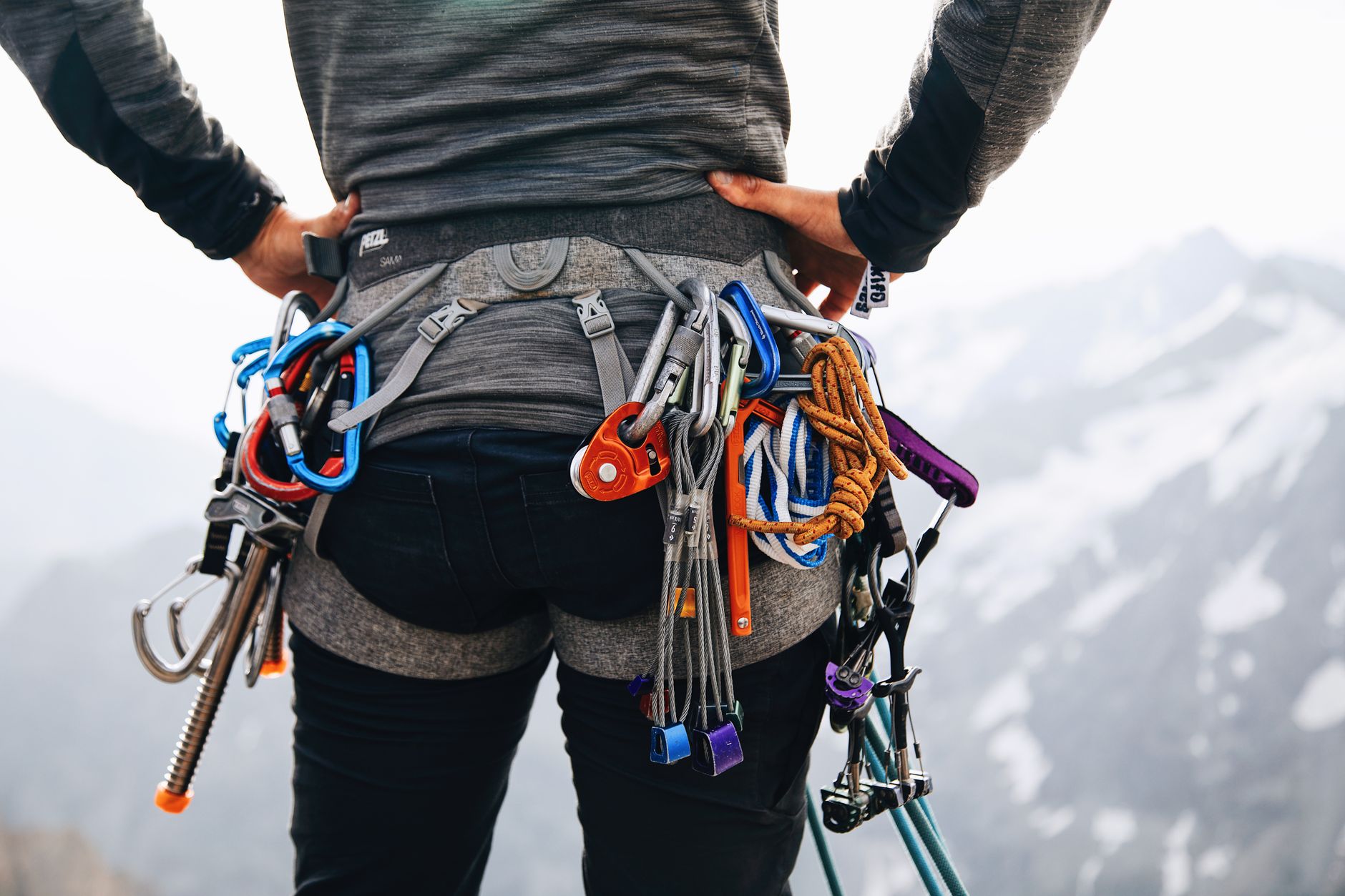
Photo by Maël BALLAND
Conclusion
You’ve got the rack ready with cams and nuts that click into granite cracks. Skills like solid placements and route reading flow from your gym drills. Spots from Smith Rock to Stanage Edge wait with short, forgiving leads. Safety checklists and mindset shifts turn nerves into steady pulls.
The trad climbing gym to outdoor transition feels big at first. It shrinks with prep. Drop grades, clip often, trust your gear. Real rock rewards patience; that first outdoor lead builds unbreakable confidence.
Pick a crag now. Find a partner through apps or local meets. Book a guide if solo scares you. Rack up, hike in, and clip the first piece.
Back to Trad Climbing Basics
Recommended Products for Trad Climbing
These products can support safer climbing, belaying, rappelling, and emergency readiness.
Affiliate disclosure: As an Amazon Associate, TradClimbers may earn from qualifying purchases at no additional cost to you.