
How to Get Into Trad Climbing
Picture this: you’re high on a sun-baked crack in Yosemite, the wind whipping past as you slot a cam into the rock with your own hands. No pre-drilled bolts below, just the raw pulse of placing your protection and trusting it to catch a fall. That rush beats gym walls or sport routes every time.
Gym sessions build pull-ups and footwork. Sport climbing clips quickdraws on fixed bolts for steady progress. But trad climbing flips the script; you lead by wedging gear into cracks, building anchors from scratch.
It’s placing your own protection in natural fissures while you lead the pitch. Simple, yet it demands sharp judgment on rock features others ignore.
You’ll build real skills here, like reading cracks and managing fear. It opens wild crags far from crowds, forging a deeper bond with the stone under your fingers. No wonder climbers chase that freedom.
Ready to learn how to get into trad climbing? This guide covers key differences from sport, must-have gear (including 2026’s lighter cams from Black Diamond and slim Petzl harnesses), essential skills, safety basics, top spots to start, and a clear progression plan.
Stick around. You’ll clip your first trad rack sooner than you think.
How to Get Into Trad Climbing
You know sport climbing from the gym: clip bolts, push limits on steep faces. Trad takes that up a notch. You hunt cracks and fissures, slot in your own gear, and trust it holds. No fixed protection waits ahead. This shift builds sharper skills and opens remote spots.
Gear and Protection
Sport climbers rely on bolts drilled into rock. Quickdraws snap onto them as you ascend. Simple and reliable.
Trad demands removable gear like cams, nuts, and hexes. You place them in cracks yourself. Pull one out, and it might shift or fail if poorly set. Packs weigh more too: expect 20-30 pieces on your rack.
Here’s a quick breakdown:
| Aspect | Trad Climbing | Sport Climbing |
|---|---|---|
| Protection | Removable gear in cracks | Fixed bolts |
| Rack Weight | 5-15 lbs typical | Minimal (draws, belay device) |
| Placement | On lead, as you climb | Clip pre-placed anchors |
Check Climbing House’s guide for gear picks.
Challenges and Risks
Trad ups the ante. Route finding eats time; you scan for cracks, not chalked holds. Falls run longer without close bolts. Mental focus stays high.
Data backs it: In 2024, trad saw 52 accidents versus 35 in sport. Gear placement errors cause most. Injuries hit harder too, often from whippers past pro. Wear a helmet; clip belay devices right.
Why Choose Trad?
Gear travels light to wild crags. Endless lines exist beyond bolt crowds. You bond with rock, read its stories. That freedom hooks climbers for life. Ready for your rack?
Essential Gear for Your First Trad Rack
Your first trad rack sets the stage for safe leads. Start simple to dodge rack fatigue on long days. Aim for 6-10 cams, a nut set, and basics like a harness and helmet. Budget $500-1000 new; snag used deals at REI Outlet or their used gear guide to save big. Black Diamond cams shine for 2026 with lighter Ultralights. Pair them with DMM nuts for versatile fits. Practice placements at home on a gear board or real cracks. Clip everything to a sling; light racks climb better.
Here’s a starter rack snapshot:
| Gear Type | Quantity/Sizes | Why It Matters |
|---|---|---|
| Cams | 6-8 (#0.3 to #3, doubles #0.75-#2) | Parallel cracks; Black Diamond Camalots grip firm. |
| Nuts | 10-12 (DMM Wallnuts 1-11 + offsets) | Tapered spots; cheap backbone. |
| Slings/Draws | 6-8 (60cm) | Reduce drag; build anchors. |
| Rope | 60m single (9.5-10mm) | Dry-treated for trad falls. |
| Other | Helmet, harness, belay device, 6+ carabiners | Safety first. |
Protection Gear Breakdown
Cams expand in parallel cracks like Black Diamond Camalots (sizes #00 to #4). Small ones (#0.3-#1) fit finger-thin spots; double them since runs repeat. Medium (#1-#3) handle hands and fists; grab extras here too. Nuts like DMM Wallnuts wedge in tapered or flaring cracks cams skip. Sizes 1-11 cover micro to wide; offsets tackle irregular scars. Hexes shine in shallow horizontals or wide pods, while tricams toggle in pockets or loose rock.
Picture a nut snug in a narrowing fissure, or a cam’s lobes biting smooth granite. Why doubles in smalls? You place more pro close on runouts. Test at home: hang pieces from a doorframe, tug hard. Builds confidence fast. Check Black Diamond’s rack guide for visuals.
Slings, Ropes, and Essentials
Grab 6-8 quickdraws (extend cams, cut drag) and 5-6 slings (120cm for anchors, 60cm for racking). Add a cordelette (18ft) and prusiks for belays or escapes. Chalk bag and nut tool round it out; the tool yanks stuck pieces.
Pick a 60m single rope (9.5-10mm, dry-treated) for single-pitch trad. It handles falls, packs light. Pair with an ATC belay device and 6 locking carabiners. Harness needs 4+ gear loops (Petzl slim works). Helmet saves noggin from flakes.
Total setup weighs under 10 lbs. Rack on a sling to free hips. Practice full mock anchors on the ground. You lead smoother when gear feels familiar. See DMM’s beginner tips for tweaks.
Key Skills to Master Before Leading Trad
You have your rack ready. Now build the skills to use it right. Before you lead trad, master core moves like gear placement, anchor building, belay knots, movement on cracks, and route finding. These keep you safe and let you climb with trust.
Start on the ground. Practice placements on boulders or a gear board. Slot cams and nuts into real cracks at low-angle spots. Feel how they resist pulls. Follow experienced leaders first. Clean gear as the second; it teaches removal without drama. Gym toprope sessions mimic cracks with holds. Top rope trad lines build footwork on smears and jams.
Take a guided course. Pros spot bad habits early. Focus on jam cracks: hand stacks, fist fists, chicken wings. Read the rock like a book; flaring cracks take offsets, parallel ones cams. Nail these, and you’ll lead confidently. No more runouts that spike your pulse.
Belay skills matter too. Tie figure-8s and clove hitches smooth. Manage slack tight. Route find by spotting crack systems from below. Practice escapes like lowering or V-threads. Do this, and getting into trad climbing feels solid, not sketchy.
Perfecting Gear Placement and Cleaning
Fit cams by twisting lobes into parallel cracks. Black Diamond Camalots expand even; seat them with a tug. Nuts need constriction points. Rotate DMM Wallnuts for taper fits; they cam against downward pulls.
Always bounce test new pieces. Hang weight, bounce knee-to-chest. Good pro holds firm. Learn this from Alpine Savvy’s bounce test guide. It builds gut feel fast.
Ground practice first. Find roadside cracks. Place 20 pieces, yank them out. Clip to a sling; extend to cut drag.
As follower, clean smart. Unclip rope first. Wiggle nut tool under wires. Rock nuts back and forth; don’t yank. Cams retract lobes fully before pull. Practice on easy routes. Clean 10 pitches before leading. See REI’s trad placement tips for visuals. Solid habits save falls.
Building Solid Anchors and Rappelling
Equalize three or more pieces. Use a cordelette or sling. Tie an overhand to clip the master point. Load shares evenly. Add natural gear like horns or boulders; girth hitch them.
Clip in with a clove hitch. It adjusts easy for rope stretch. Tie to the master point; back it with a figure-8 on a bight.
For rappel, thread the rope double. Backup with a prusik below the rap device. Test the anchor with body weight. Check REI’s anchor building advice for steps.
Simple process:
- Place redundant pro in good rock.
- Equalize with knots.
- Clip in, then rig rappel.
- Double-check before go.
Practice on toprope anchors. Weight them fully. Rappel short walls. Builds speed and calm. Solid anchors end pitches safe.
Trad Climbing Safety Tips for Beginners
Safety keeps trad climbing fun, not frightening. You’ve got gear and skills; now stack the odds with smart choices. Toprope routes first to test placements without lead falls. Pick a trusted partner or mentor who spots errors. Inspect every piece before clips; damaged cams fail. Mock lead on easy ground to feel runouts. Start on 5.4 to 5.6 grades with bomber cracks. Watch rope drag on wandering lines; extend draws keep it smooth. Consider Chockstone’s intro courses for guided practice. Climb bold, stay safe.
Choosing Routes and Partners Wisely
Hunt easy cracks that take gear well, like hand-sized parallels for cams. Skip flaring or shallow scars at first. Scout routes with apps such as Mountain Project or guidebooks; they show pro quality and belay spots. Aim for single-pitch with short approaches and simple descents.
Team with an experienced belayer who knows trad rhythms. They catch sloppy falls and clean anchors clean. Newbies pair with mentors for honest feedback. Ask: Does this crack protect every body length? Toprope it twice before leading. Solid picks build confidence fast. Check REI’s trad basics for route ideas. Your first leads stick when choices click.
Best Beginner Trad Spots and Progression Path
You want spots that welcome new trad climbers with forgiving cracks and solid courses. These areas offer easy grades, short approaches, and guides to build skills fast. Pair them with a clear progression plan, and you’ll lead your own pitches in no time.
Top US and Global Starter Areas
Seek out crags with abundant hand cracks and low runouts. They let you focus on placements without panic. Many run intro courses too.
- Smith Rock, Oregon: Steep tuff stone with 5.6-5.8 cracks. Beginner-friendly via short hikes and guided lessons from local outfitters. Perfect for gear practice.
- Joshua Tree, California: Granite boulders and slabs up to 5.7. Sunny weather, quick access, and 57 Hours courses teach crack technique.
- New River Gorge, West Virginia: Sandstone splitters at 5.6. Flat approaches and AMGA-certified guides make it safe.
- Gunks, New York: Quartzite edges and corners to 5.6. Dense routes with easy top-outs; join Alpine Institute clinics.
- Yosemite, California: Iconic granite. Try Jam Crack (5.8), a hand jam classic with bomber pro every few feet. Yosemite Mountaineering School offers beginner trad intros.
- Squamish, British Columbia: Dihedrals and flakes at 5.7. Pro Guiding courses cover multi-pitch basics amid sea views.
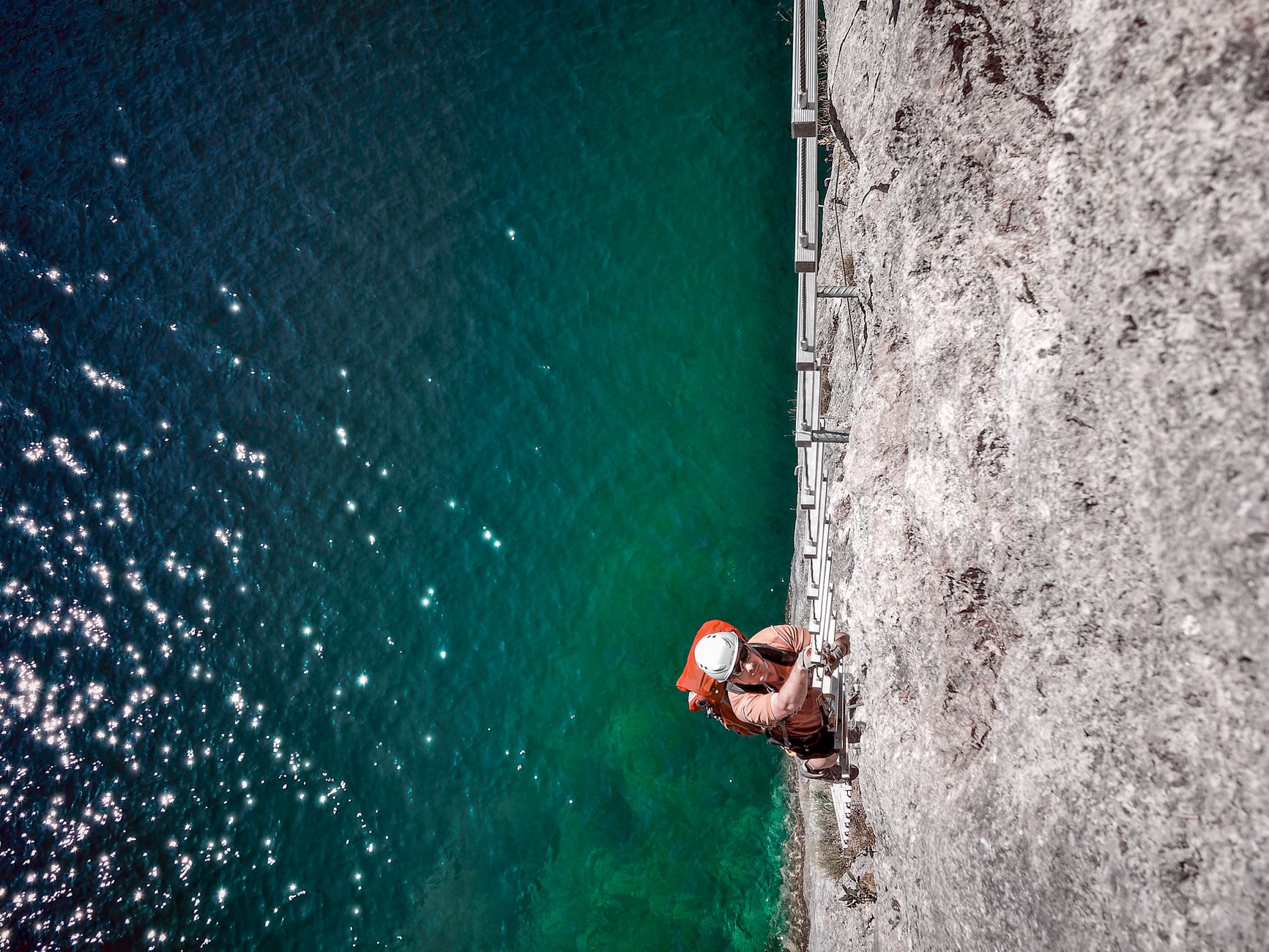
Photo by Simon Berger
These spots match your rack and skill level. Book a course; they spot bad habits early.
Step-by-Step Progression to Independence
Follow this roadmap from gym rat to solid trad leader. Each step builds on the last. Expect 3-6 months with weekly practice.
- Master gym basics up to 5.8 lead: Nail finger locks and stemming on plastic cracks.
- Practice gear on the ground: Build a board or hit boulders. Place 50 pieces; bounce test each.
- Follow trad routes: Clean gear on 5.6-5.8 seconds. Feel removals without lead stress.
- Mock lead easy terrain: Toprope 5.4-5.6 cracks. Clip pretend pro; manage mock runouts.
- Lead your first 5.4-5.6 pitches: Pick bomber single-pitch like those listed above. Partner watches.
- Tackle multi-pitch: Start short, like two-pitch 5.6s. Build belay anchors.
Boost with online tools. Climbing.com’s beginner guide demos steps. Apps like Wideboyz Global Crack School offer virtual jam practice. Track progress in a journal. You’ll lead independently soon.
Conclusion
You’ve covered the basics on how to get into trad climbing: snag a starter rack with Black Diamond cams and DMM nuts, master placements and anchors on the ground, follow easy routes first, then lead 5.4-5.6 cracks at spots like Smith Rock or Joshua Tree.
Gear up smart, practice bounce tests, and team with a mentor to build trust fast. Take a guided course at places like Yosemite Mountaineering School or Chockstone; they spot habits that save falls.
Hit those beginner crags with a progression plan. Toprope cracks, mock lead low angles, then clip your own pro on single-pitch lines. Clean as second to feel the flow.
Ready to chase that raw freedom on sun-baked Yosemite cracks? Grab your rack, book a session, and lead your first pitch.
Share your first trad story in the comments below. What’s your go-to starter route? Join a local meetup to find partners and swap tips.
Back to Trad Climbing Basics
Recommended Products for Trad Climbing
These products can support safer climbing, belaying, rappelling, and emergency readiness.
Affiliate disclosure: As an Amazon Associate, TradClimbers may earn from qualifying purchases at no additional cost to you.