
Best First Trad Climbs Near Me
Picture this: you slot your first cam into a perfect crack, tug the rope tight, and clip in. That rush hits hard. Trad climbing just unlocked a new world of adventure.
Trad climbing means you place your own gear. You use nuts, cams, and slings for protection. No fixed bolts like sport routes; it’s all on you to build safe anchors.
It’s ideal for beginners who crave real skills. You learn to read cracks, judge rock, and trust your placements. Short, easy routes build confidence fast without scary falls.
You’re hunting the best first trad climbs near me, right? Spots like Joshua Tree and the Gunks top the list. Joshua Tree offers sandbagged 5.3 cracks at Intersection Rock, like Upper Right Ski Track. The Gunks deliver juggy classics such as Easy V.
This guide covers it all. You’ll get essential gear tips, top beginner routes at these parks, and key safety steps. Start leading trad today.
What to Know Before Your First Trad Climb
Trad differs from sport in big ways. You place removable gear like cams and nuts into cracks, not clip bolts. Runouts between pieces test your nerve, and you read crack systems for holds and protection. Practice top-rope first to nail skills without lead pressure. Talk clearly with your partner about belay signals and gear pulls. These steps build trust on your best first trad climbs near me.
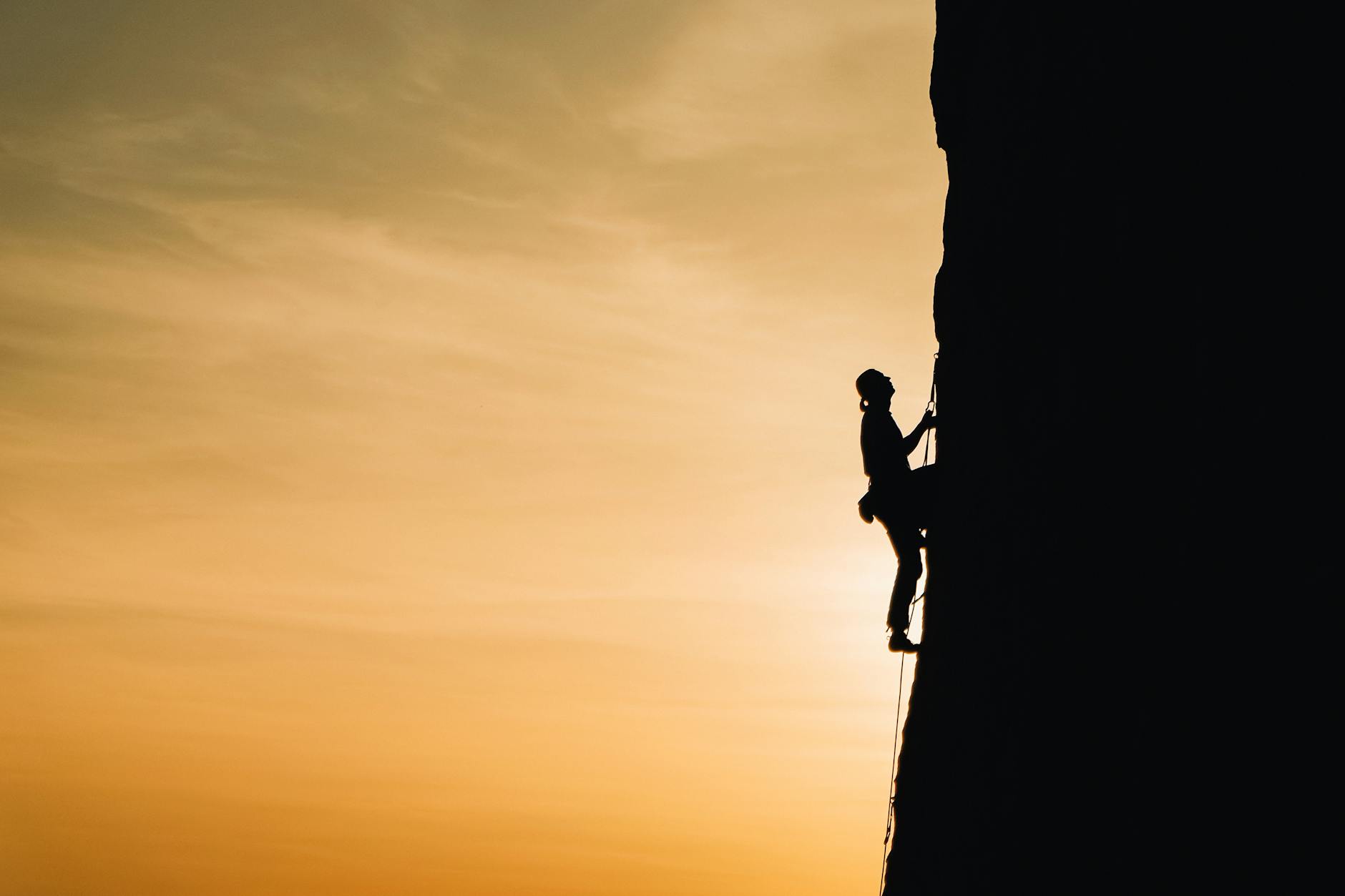
Photo by Анна Рыжкова
Key Skills for New Trad Leaders
Master these basics before leading. Start with crack jamming on easy terrain.
Hand jams: Slide your hand palm-down into the crack. Twist thumb in, fingers out to cam against walls. Pull up smooth; it feels secure fast.
Foot jams: Jam toes or heels sideways. Twist like hands for friction. Keep weight over feet.
Stemming: Press hands and feet on opposite walls. Push apart to climb wide cracks; use knees bent.
Practice on short, easy cracks at spots like Joshua Tree’s sunny beginner areas (check these crags). Halfway ledges let you rest, shake out, and place gear. Try them at Little Stony Man in Shenandoah. Learn more on crack techniques. Read rock for flakey spots, and build solid anchors with equalized gear. These moves click with reps.
Trad Grades and What They Mean for Beginners
Yosemite Decimal System grades blend difficulty and danger. Beginners stick to 5.3-5.8.
- 5.3-5.4: Simple slabs or wide cracks. Walk-up feel; build base confidence.
- 5.5: Basic jams, short runouts. Like Upper Right Ski Track at Joshua Tree.
- 5.6: Fist jams start; steeper angles. Easy V at the Gunks fits here.
- 5.7: Liebacks or stems needed. Overhang Bypass in Joshua Tree.
- 5.8: Finger cracks, precise feet. Room to Shroom tests control.
Start easy. They boost skills before you tackle harder lines. See full grade breakdowns here.
Gear You Need for Beginner Trad Routes
Gear keeps you safe on your first trad leads. Pick pieces that fit cracks on easy routes up to 5.7. A standard rack covers spots like Joshua Tree’s Overhang Bypass or the Gunks’ Easy V. Start simple to avoid overload.
Core Items Every Beginner Needs
Stock these basics first. They form the foundation for any best first trad climbs near me.
- 60m single rope (9.8-10.2mm): Dry-treated for water resistance. Light and durable for short pitches.
- Harness with gear loops: Padded waist fits all day. Four loops hold your rack.
- Helmet: UIAA-rated to shield from rockfall.
Add four quickdraws, a belay device, and slings. These let you clip placements fast.
Nuts, Cams, and Sizes for 5.7 Cracks
Nuts work in pin scars and flares; cams expand in parallel cracks. For 5.7 routes, focus on finger to hand sizes.
Build a rack with 10-12 nuts (#4-11), 8-10 cams. Key sizes: doubles in 0.4-2 Camalot range (finger to hand). Singles larger. Why doubles? Cracks repeat sizes; you place often.
Budget picks save cash without skimping safety. Black Diamond Stoppers cost under $100 for a set. Metolius Team Cams run $250 full rack. Check this rack-building guide for visuals.
Routes like Maggie’s Farm in the Gunks need #0.75-3 Camalots, nuts #5-10. Mountain Project threads detail exact beta (see Gunks rack tips).
Your Quick Gear Checklist
Run this before heading out. Tick each for your pitch.
| Item | Quantity | Notes |
|---|---|---|
| Nuts | 10-12 | Sizes 4-11, wired |
| Cams | 8-10 | Doubles 0.4-2, singles larger |
| Slings | 8-10 | Doubled 24-inch |
| Carabiners | 12-16 | Locking for anchors |
| Rope | 1 | 60m, check knots |
| Harness/Helmet | 1 each | Snug fit |
This setup weighs under 10 pounds. Shop REI sales or used gear sites. Practice racking on your harness; quick access builds confidence on lead.
Best First Trad Climbs in Joshua Tree and West Coast Gems
West Coast spots shine for your best first trad climbs near me. Joshua Tree packs short cracks with sunny faces. You get obvious protection and top-rope setups. Smith Rock and Yosemite add variety with quick access and big views. These areas build skills on routes under 100 feet. Pick them for low commitment and high reward.
Joshua Tree Starter Routes Like Maggie’s Farm
Head to Joshua Tree for beginner gold. Maggie’s Farm (5.7) at Mindless Mound stands out. This 70-foot route offers two hand cracks or an arete finish. Start with top-roping to practice jams. Then lead with a standard rack: doubles in #0.75-3 Camalots, nuts #5-10. Protection slots in every 10 feet. Approach takes five minutes from the parking lot. Sunny south face warms up fast.
Nearby, South Horror Rock mixes 5.6-5.8 cracks. Try the obvious hand crack on the left face. Short runouts and big holds make it forgiving. Views sweep over Hall of Horrors boulders.
For anchors at nearby Sage Rock, use Coarse and Juggy (5.6). Big holds lead to a bomber station. Check Mountain Project for Maggie’s Farm details. These routes teach crack reading without whippers. Racks stay light; pitches end quick.
Smith Rock and Yosemite for West Coast Newbies
Smith Rock eases you from bolts to trad. Over 2,000 routes cluster on short approaches under 10 minutes. Start with 5.6 classics like Super Slab at Red Wall. Pebble pulls mix with cracks; place nuts in flares. Chainsaw Traverse builds gear confidence on moderate ground.
Yosemite calls next. No timed entry reservations needed in 2026; just pay at the gate. Day climbs skip permits, but overnight trips require wilderness ones via recreation.gov. Try Southwest Books (5.6) on Lembert Dome. Two pitches of slabs and cracks overlook Tuolumne Meadows.
Red Rocks draws early crowds, so arrive before 8 a.m. Beginner lines like those in Pine Creek offer sandstone jams. Short approaches beat Joshua’s scrambles.
These gems fit standard racks. Sunny starts and top-rope options let you focus on leads. See Smith Rock 5.6 trad picks. Your first placements stick here.
East Coast Top Picks for Beginner Trad Climbs
East Coast crags deliver best first trad climbs near me for those closer to the Atlantic. You find quartzite and gneiss walls with short pitches under 100 feet. Ledges offer rest spots, and top-rope access builds confidence before leading. These spots match your standard rack from nuts #4-11 and cams 0.4-2. Pick sunny mornings to dodge crowds and wet rock.
Gunks and Seneca Rocks Essentials
The Gunks feature tough quartz conglomerate that grips holds tight. Routes stay airy with runouts that test nerve on moderates under 5.10. Easy V (5.6) follows a huge corner crack; place cams every eight feet up 90 feet to a tree anchor. Jugs abound, but watch the bulge. Beginner’s Delight (5.5) eases in with stemming and jams on flakes. Top-rope from rappels first; approaches take 10 minutes via carriage road trails.
Seneca Rocks rise sharp in granitic gneiss. Classics like Forecastle (5.6) stack overlaps for bomber nuts and cams. The South Peak face gets shade; scramble 15 minutes from the lot. Both areas demand precise placements, but short lengths keep falls low. Racks shine here with doubles in hand sizes. Check Easy V details and Gunks classics for beta.
Shenandoah and NC Beginner Cracks
Shenandoah’s Little Stony Man packs 80-foot quartzite routes with natural rests. Chimney Cricket (5.3) squeezes a wide slot; jam hands and stem feet to ledges. Head First (5.6) diagonals a hand crack; gear slots deep every five feet. Hike five minutes from Skyline Drive; top-rope trees make practice simple.
North Carolina’s Table Rock suits gear drills. Jim Dandy (5.5) climbs a clean corner; place cams in parallel walls up 70 feet. Short approach via trail; ledges let you shake out. Crowders Mountain offers Gastonia Crack (5.4), a straight dihedral with fist jams and obvious pro. Walk 10 minutes to the base.
Add Cathedral Ledge in New Hampshire for Try (5.2), a slabby start to cracks; nuts hold flares well. Carderock in Maryland has Beginner’s Crack (5.3) on schist; top-rope from bolts above. All share short heights, bolted anchors nearby, and quartzite bite. You lead clean after one top-rope burn; views reward the effort. See Seneca classics for more East Coast prep.
Safety Tips and Mistakes to Avoid on First Trad Leads
Your first trad lead pumps adrenaline, but safety comes first. Stick to short routes under 100 feet at spots like Joshua Tree or the Gunks. These let you build gear skills without long falls. Check weather apps for wind or rain that loosen holds. Pick partners who know trad; they spot issues fast. Watch for rock fall on popular crags by wearing helmets and climbing early.
Common Mistakes and How to Dodge Them
New leaders often rush placements or ignore basics. Here’s a numbered rundown of top errors, pulled from real climber lessons. Follow these to stay safe on your best first trad climbs near me.
- Skip the mentor lead. Don’t solo your first pitch. Let an experienced leader place gear first; you follow and clean. This builds eye for good cracks without lead panic. Pros like those in this video stress it.
- Bad placements lead to zippers. Test every piece with a solid tug. Cams need lobes seated; nuts tilt against walls. Pull sideways too. Weak gear pulls out in falls, whipping cams past lower ones.
- Rope behind the leg. Clip before moving up; glance down often. It flips your body in falls, risking broken bones. Yell “rope” if tangled.
- Ignore runouts. Place pro every body length, even on easy ground. Short routes forgive this less than you think. Back-clean only if bomber pieces stack up.
- Weak anchors at the top. Equalize two or three pieces over a feature. Use slings and locking biners; weight-test before belaying up. Read this honest first-lead guide for anchor pics.
- Overpack or under-rack. Match your rack to the route via Mountain Project comments. Doubles in key sizes prevent skips.
- Complacency after success. Re-check knots and belays every pitch. Fatigue dulls focus; rest on ledges.
These steps cut risks sharp. Climbers report fewer close calls with practice.
Pre-Climb Checks and Partner Tips
Scan the rock for loose blocks before starting. Brief your belay partner on signals like “up rope” or “take.” Check forecasts; bail if storms brew. Use Mountain Project forums for recent rock fall reports. Solid partners catch what you miss. Start short, lead clean, and climb another day.
Conclusion
You now know the top spots for your best first trad climbs near me. Joshua Tree shines with Maggie’s Farm and Upper Right Ski Track for hand cracks and quick leads. The Gunks deliver Easy V and Beginner’s Delight on juggy quartzite. East Coast picks like Seneca’s Forecastle and Shenandoah’s Chimney Cricket offer short pitches with solid rests. West Coast gems such as Smith Rock’s Super Slab and Yosemite’s Southwest Books build skills fast.
Pick a crag close to home. Gear up with your nuts, cams, and helmet. Head out with a trusted buddy this weekend. Joshua Tree stays prime right now with mild days around 60°F and trad courses running in January 2026. Check Mountain Project or apps for fresh conditions at other areas.
Trad climbing grows your skills and confidence pitch by pitch. Slot that cam, clip in, and own the rock. Your next lead waits.
Back to Trad Climbing Basics
Recommended Products for Trad Climbing
These products can support safer climbing, belaying, rappelling, and emergency readiness.
Affiliate disclosure: As an Amazon Associate, TradClimbers may earn from qualifying purchases at no additional cost to you.