
Trad Site Approach Risk Tips
Climbers fixate on lead falls and gear pulls. Data tells a different story. About one-third of accidents strike on descent. Approach hikes snag 10 to 20 percent more.
Trad sites mean natural rock crags. You place removable gear there for traditional climbs. No bolts or fixed anchors.
The approach covers the hike or scramble to the base. It includes base setup. Descent counts too: rappels, downclimbs, or walks off.
Simple changes slash these risks. They demand little effort. Yet they save lives.
This post shares trad site approach risk tips. You’ll get steps for trail hazards, base area problems, weather shifts, descent errors, and people issues.
Anyone can apply them. No expert skills needed. Start safer next trip.
Three key takeaways:
- Check descent routes before you climb.
- Pack for sudden weather on any approach.
- Brief your partners on base rules upfront.
Beat Loose Rock and Steep Trail Dangers on Trad Approaches
Trad site approach risk tips focus on real threats like loose rock and steep trails. These spots turn hikes into hazards. You face rockfall that injures partners below or slips on unstable ground. Steep scrambles add falls from poor footing. Solid habits cut these dangers. Follow these steps to stay safe.
Handle Loose Rock and Rockfall Like a Pro
Loose rock hits hard on trad approaches. Partners below take the worst blows from falling chunks. Slips on scree fields send you tumbling too. One loose hold can trigger a cascade.
Wear helmets near any wall. They guard against surprises like sudden rockfall from above or holds that break free. A helmet spreads impact force and cuts injury risk. Check REI’s guide on climbing helmets for fit tips.
Test every hand and foot hold. Kick or tug loose gravel before weight shifts. Step light to avoid knocking stones free.
Skip gullies where rocks funnel down. They trap debris from higher slopes.
Key habits for loose rock:
- Call “rock” loud if anything drops.
- Spread out the group; no one stacks below another.
- Climb early to beat crowds that loosen holds.
Follow Mountaineers advice on loose rock. These moves keep your team intact. (148 words)
Master Steep Scrambles Without a Slip
Steep scrambles demand focus. Needles, snow patches, or wet rock cause slips. Heavy packs pull you off balance on edges. Unprotected drops wait below.
Pack snug. Cinch straps so weight hugs your back. This centers your center of gravity.
Don harness and helmet right away. They prep you for slips or short falls.
Downclimb face in, like a ladder. Hands and feet match rungs. Turn out only on easy slabs for better views.
Bail if it exceeds your skills. No shame in retreat.
Downclimb steps:
- Assess exposure first.
- Place gear if possible for backup.
- Move slow; test holds twice.
See Climbing.com’s downclimb tips for details. Practice these on low-angle terrain.
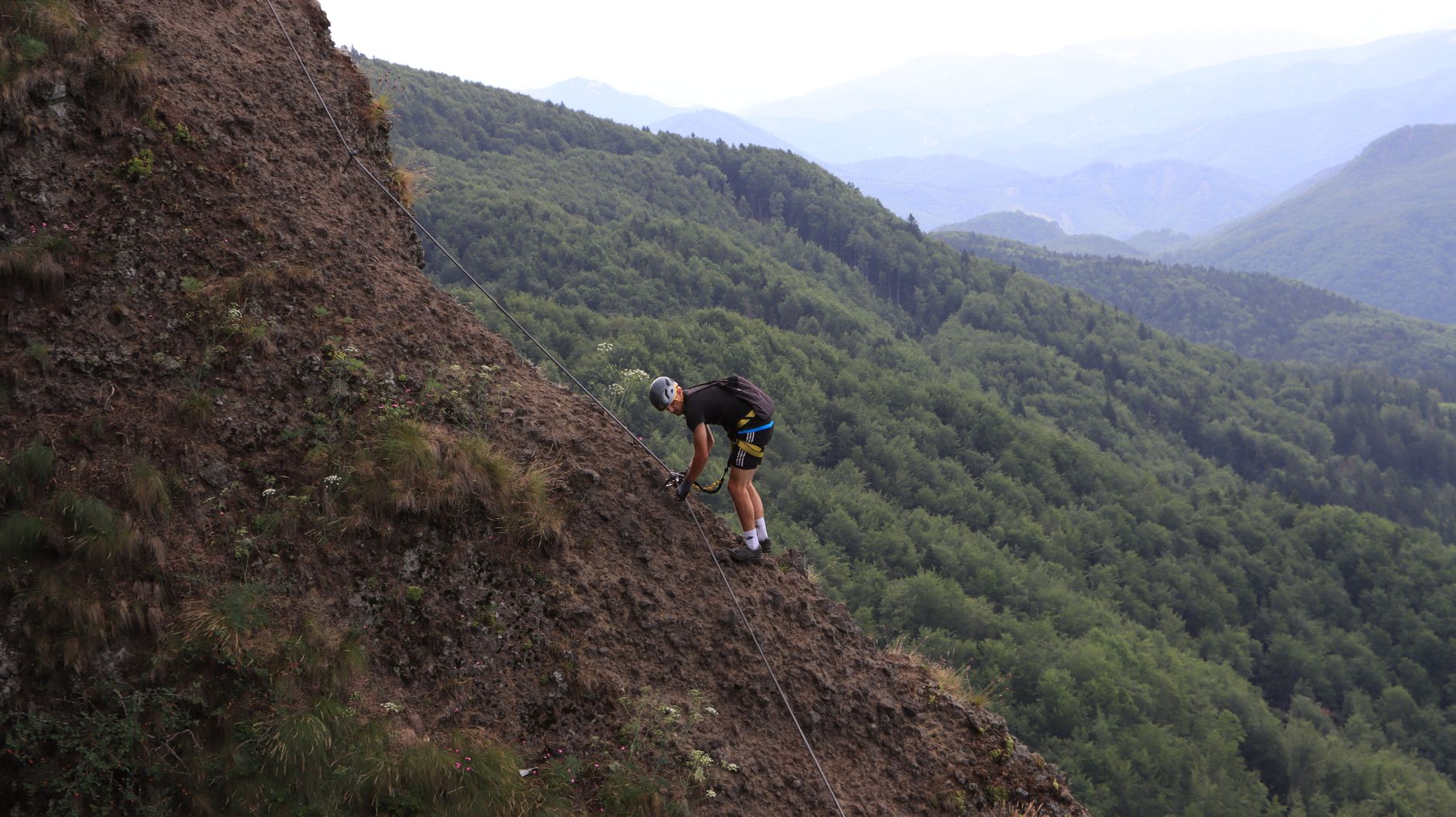
Photo by Gokul K S
These tactics prevent most scramble falls. (152 words)
Navigate Trails to Avoid Getting Lost
Wrong turns waste time on trad approaches. You hit tough terrain, face dark, or run low on energy. Fatigue clouds judgment.
Study routes ahead. Use guidebooks, apps, or maps. Screenshot key sections for offline use.
Note junctions. Snap photos of signs or forks.
Pack a headlamp always. Dusk hits fast in canyons.
Stop often. Check your position against the plan.
Prep checklist:
- Trace the full loop: up, climb base, down.
- Mark bail spots.
- Share the route with partners.
Early prep saves hours. Check Mountain Hardwear’s route finding guide. It stresses visuals over guesswork.
Stay on track with these trad site approach risk tips. You’ll reach the crag fresh. (149 words)
Set Up Safe Belay Spots at the Trad Site Base
Trad site approach risk tips extend to your belay spot at the base. A poor setup leads to trips, ground falls, or gear snags. You spend time here, so make it stable. Pick spots that protect you from pulls toward the wall or loose rocks. These habits keep your team focused on the climb.
Pick Flat Spots and Clear Loose Debris
Roots and boulders trip belayers fast. A yank from a leader fall pulls you into sharp rocks. These spots turn safe bases into hazards.
Flatten the area first. Scrape away dirt or small stones with your boot. Remove sharp rocks that cut skin or snag ropes.
Stay back from the edge. Set up where a fall won’t drag you over. Test the ground; it must hold your weight without shifting.
Stash packs aside. Place them where feet won’t kick them into the line.
Quick setup steps:
- Scan for level ground 5-10 feet from the wall.
- Clear a 6-foot radius; rake out gravel and roots.
- Sit or kneel to check stability.
A stable belay spot cuts injury odds. Check REI’s anchor guide for base ideas that apply here too. Solid ground lets you belay without worry. (152 words)
Clip Gear Early to Skip Ground Falls
Trad routes often start with tough cracks. Poor first placements mean decking on ledges below. You hit hard if the leader slips right away.
Wear helmets on both ends. They shield heads from rock or whip.
Place the first piece ASAP. Hunt cracks within reach; extend if needed.
Use a stick clip for reaches over voids. It protects the first 10-20 feet without risk.
Pad ledges with crash pads. Stack them under crux starts.
Only experienced leaders push thin starts. Back off if gear looks shaky.
Protection priorities:
- Spot cracks early on the approach.
- Tie in leader short for quick clips.
- Belay from cover if rocks loom above.
These trad site approach risk tips stop ground falls cold. See VDiff’s trad anchor basics for gear ties that help low clips. Stay backed up from move one. (148 words)
Keep Gear Tidy Around Busy Crags
Rocks or dropped gear from above crush belayers. Tangles slow you in crowds.
Never belay under active parties. Scout spots away from routes.
Chat with groups nearby. Agree on drop zones and call “below.”
Rack gear off the ground. Use draws or slings on your harness; bin cams neatly.
Coil ropes loose but contained. Avoid loops underfoot.
Tidy habits for crowds:
- Sort rack by size before setup.
- Helmets on; yell “rock” at any slip.
- Shift if lines form above.
Organized gear speeds clips and cuts trips. Busy crags demand it. Talk clear and keep space. You’ll climb smooth without chaos. (149 words)
Prep for Weather, Wildlife, and Descent Traps
Trad site approach risk tips cover weather shifts, wildlife threats, and descent slips. These factors catch climbers off guard. Storms roll in fast. Snakes hide in cracks. Tired legs lead to falls. Prep cuts these risks. Plan ahead. Pack right. Stay alert. You’ll reach the base and return safe.
Spot Weather Changes Before They Hit
Storms bring lightning that strikes ridges. Heat drains you dry. Cold saps strength quick. Wet rock turns slick underfoot.
Check forecasts twice before you leave. Use apps for hourly updates. Pack extra water, a jacket, and snacks. They fight dehydration or chills.
Slow down at first rain signs. Clouds build? Darken fast? Turn back. Wet holds double slip odds.
Skip exposed ridges. They draw strikes. Drop to lower ground or trees.
Weather watch habits:
- Scan skies every 30 minutes.
- Hydrate before thirst hits.
- Bail on thunder rumbles.
Follow Climbing.com’s lightning rules to time your day right. These steps keep lightning at bay. Stay dry and warm. (149 words)
Dodge Snakes, Plants, and Bugs
Snakes coil in warm cracks. Poison ivy rash itches for days. Ticks latch silent. Thorns snag skin deep. Stings swell fast.
Look before you grab any hold. Poke cracks with a stick first. Shake boots out each morning.
Wear long pants and sleeves. Tuck them tight. Use bug spray with DEET.
Check for ticks after every stop. Pull them quick with tweezers. Wash rash spots right away.
Wildlife avoidance moves:
- Step wide over logs and ledges.
- Spot three-leaf ivy clusters.
- Freeze at rattles or hisses.
See OSHA’s insect and snake guide for bite basics. Scan your path. Touch nothing blind. You’ll skip the hospital trip. (148 words)
Downclimb or Rappel Without Mishaps
Fatigue causes slips on downclimbs. You cliff out with no route. Rappel knots jam or anchors fail.
Scout your descent plan before you lead. Note rappel stations or walkoffs.
Downclimb face in. Test holds twice. Keep your pack snug and low.
For rappels, double check knots and carabiners. Thread the rope right. Brake smooth.
Take time. Rush kills.
Descent safety checks:
- Pack light for the return.
- Use a backup knot on ropes.
- Partner belays sketchy spots.
Read American Alpine Club’s rappel how-to for setup details. Know your exit cold. Move deliberate. You’ll touch down whole. (150 words)
Overcome Fatigue and Group Pressure on Approaches
Fatigue hits hard on trad approaches. Rushing from late starts or hunger leads to slips. Crowds amp the chaos. Group pressure silences gut checks on bad vibes. These trad site approach risk tips help you push back. Pace right, eat smart, and speak up. You’ll hit the base sharp and safe.
Fight Rushing and Stay Focused
Late starts force rushes through steep spots or loose rock. You skip hold tests and miss hazards. Crowds pack trails, so steps falter amid the push. Hunger drains power fast; low blood sugar blurs focus and slows reactions.
Pace smooth from the trailhead. Set a steady rhythm that matches the group’s fitness. Take micro-breaks at flats to scan ahead. Eat often to keep energy level.
Fuel up before and during. Pack gels, nuts, or bars in hip pockets. Graze every 30 minutes. Drink water steady; dry mouth warns too late.
Anti-rush checklist:
- Start early to beat peak hours.
- Assign a pace caller who knows the route.
- Pre-eat a solid breakfast with protein and carbs.
Check Training for Climbing’s fatigue tips for recovery hacks. These steps cut stumble odds. Stay fueled, stay deliberate. (152 words)
Call Out Unsafe Vibes in Your Crew
Group pressure mutes fear. You ignore shaky holds or storm clouds to fit in. One voice stays silent, and risks build. Bad calls follow.
Speak your doubt clear and calm. Say what you see: “That slab looks slick; let’s reroute.” No blame, just facts.
Change plans without shame. Back off steep scrambles or wet starts. Lives top egos every time.
Speak-up moves:
- Set a team rule: anyone calls bail.
- Pause for group votes on sketch spots.
- Lead by example; retreat first if needed.
Read Mountaineers on herd mentality. Voice trumps silence. Safe teams thrive on it. (102 words)
Conclusion
Trad site approach risk tips keep you safe from start to finish. Use these steps every time you head out.
- Wear helmets and test holds to beat loose rock and steep scrambles. Call “rock” loud, spread out, and downclimb face in.
- Set up flat belay spots: clear debris, clip gear early, and keep racks tidy to avoid ground falls and trips.
- Check weather, scout descents, and dodge wildlife. Pack extras, bail on storms, and double-check rappel knots.
- Fight fatigue with early starts, steady snacks, and open talk. Call out bad vibes; back off without shame.
Print this checklist. Run through it before every trad trip. It cuts risks fast.
Back to Trad Climbing Safety Tips
Recommended Products for Trad Climbing
These products can support safer climbing, belaying, rappelling, and emergency readiness.
Affiliate disclosure: As an Amazon Associate, TradClimbers may earn from qualifying purchases at no additional cost to you.