
Trad Daypack First Aid Essentials
Trad climbing packs high risks. Falls twist ankles. Rockfall causes cuts. Hard crimps tear finger pulleys. Rough rock leads to scrapes and blisters. Sprains hit from bad footwork.
A compact trad daypack first aid essentials kit handles these fast. It stabilizes injuries right away. This saves time on remote crags and can save lives before help arrives.
Experts stress preparation for climbers. Finger injuries top the list from pulley strains. Tendonitis builds in elbows and wrists. Shoulder pulls come from poor moves. Ankle twists need quick wraps.
This guide lists must-haves like bandages, athletic tape, and blister pads. You’ll learn to pack light yet complete. It covers pain relief, splints, and infection fighters based on pro advice.
Prep now beats panic later. Carry these items every trip. Stay safe on the wall.
Common Trad Climbing Injuries and Why You Need These Essentials
Trad climbing exposes you to unique risks. You place gear on lead, often in remote spots. Falls happen when protection pulls. Bad footwork twists ankles. Crimps strain fingers. Rockfall scrapes skin. These injuries strike fast, and help sits far away. That’s why trad daypack first aid essentials matter. They let you stabilize issues on site and keep climbing.
Finger pulley injuries top the list. You crimp hard edges for hours. Tendons snap or tear. Pain shoots through your hand. Swelling blocks grip strength. Without quick tape or splints, you bail the route.
Finger Pulley Strains and Tears
Fingers take the brunt in trad. Pulley systems in your fingers hold tendons in place. Crimping overloads them. A tear feels like a pop, then sharp pain. You lose power fast.
Common signs include bruising, swelling, and pain on bend. Rest helps long term, but on the crag, you tape it tight. Use buddy taping or H-tape methods. Trad daypack first aid essentials like 1-inch athletic tape prevent worsening. Skip this, and downtime stretches weeks. Studies show these make up 30% of climbing injuries, per Physio-pedia on rock climbing injuries.
Quick tape fix:
- Clean the finger.
- Apply base tape around the joint.
- Add figure-8 loops for support.
- Test grip before pulling.
Ankle Sprains from Falls
Trad falls twist ankles often. Uneven terrain and whippers stress ligaments. You land off balance. Pain swells quick. Walk out hurts.
Grade 1 sprains stretch ligaments. Grade 2 tears some fibers. Grade 3 rips them. Ice, compression, and elevation work first. Pack elastic bandages and pre-wrap in your kit. They cut swelling and let you hike down. Full kits speed recovery by days.
Abrasions and Lacerations from Rockfall
Sharp granite or sandstone rakes skin. Gear whips cause gashes. Dirt grinds in deep. Infection risks rise without care.
Clean wounds with antiseptic wipes. Apply antibiotic ointment and pads. Big trad daypack first aid essentials like trauma shears cut clothing for access. Gauze stops heavy bleed. Sources like Johns Hopkins on rock climbing injuries note skin issues hit 20% of climbers.
Wound care steps:
- Flush with saline.
- Pat dry.
- Ointment and cover.
- Change daily.
Shoulder and Elbow Overuse
Overhanging trad strains rotator cuffs. Poor belay stance tweaks elbows. Tendonitis builds slow. Pain limits reaches.
Ice packs numb it. NSAIDs ease inflammation. Compression sleeves support. Your daypack kit includes these to push through or end safe. Data from climbing studies flags upper body strains at 25% incidence.
These injuries demand action. Pack trad daypack first aid essentials to handle them. Light weight keeps you mobile. Next, see specific kit items that target each.
Wound Care Basics for Cuts, Scrapes, and Rock Rash
Trad routes grind skin against rough granite or sandstone. You get cuts from sharp edges, wide scrapes known as rock rash, and friction burns. Quick care cleans dirt, fights infection, and keeps you climbing. Stock your trad daypack first aid essentials with saline, antibiotic ointment, gauze, and tape. These stop minor wounds from sidelining your day. Follow clean, cover, and monitor steps to heal fast. Check REI’s backcountry wound guide for pro tips.
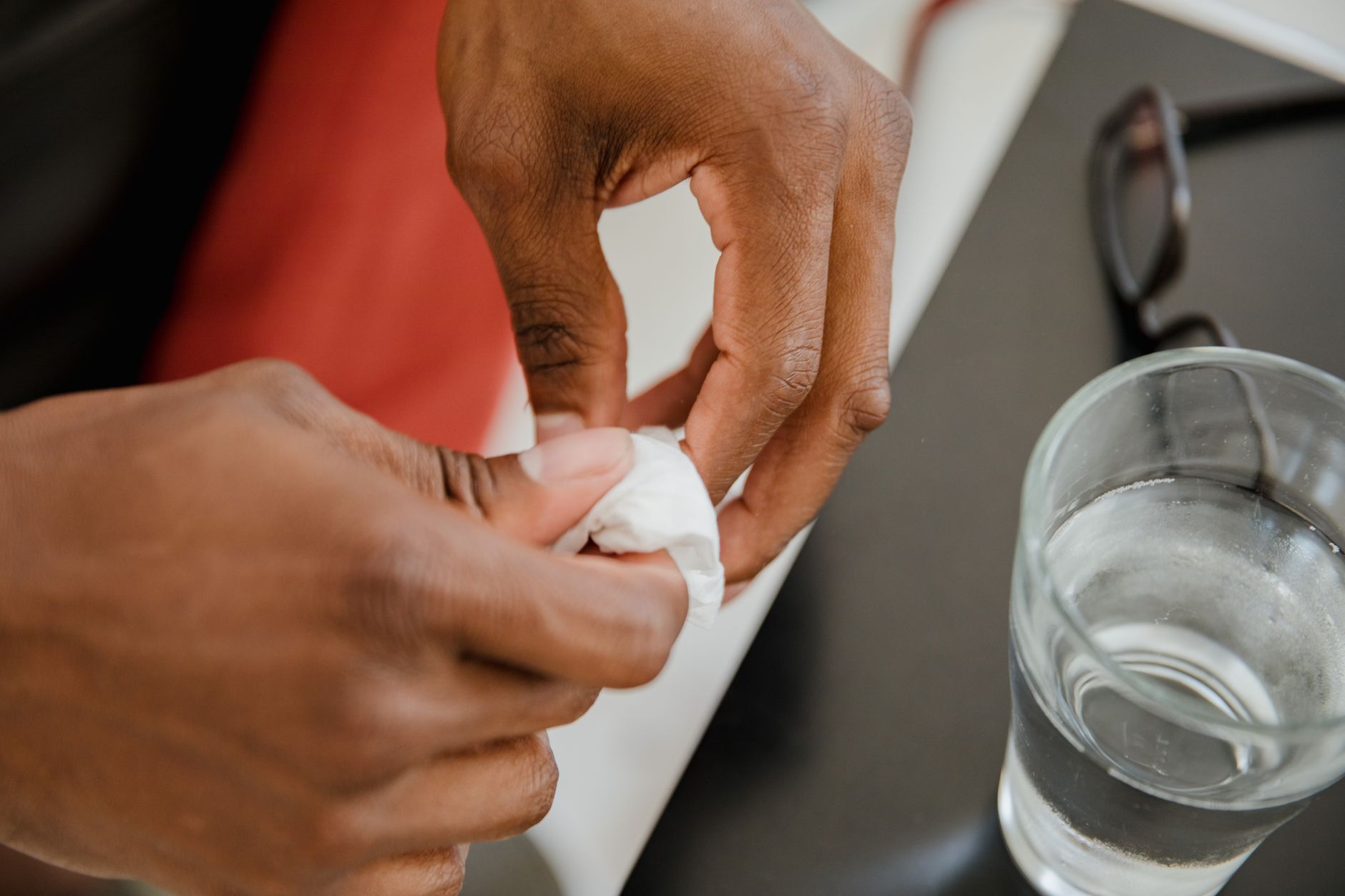
Photo by RDNE Stock project
Blister Prevention and Skin Protection
Blisters hit hard in trad. Feet rub during long approaches or smears on slabs. Hands chafe from rope work and jams in cracks. Spot hot spots early: red, tender skin signals friction. Act fast to prevent full blisters.
Pack Leukotape for tough foot protection; its zinc oxide adhesive sticks through sweat. Use KT tape or climbing tape on hands for flexibility during pulls. Hydrocolloid pads like Compeed seal small blisters; they cushion and draw fluid. Add small scissors to trim tape clean.
Tape a hot spot:
- Clean skin with alcohol wipe.
- Cut strip to fit area (1-inch wide).
- Round edges to avoid peeling.
- Press firm; add compound strips for heels or palms.
Apply before pain builds. Feet get Leukotape wraps around heels and toes for crack climbing. Hands need figure-8 patterns over knuckles. These trad daypack first aid essentials cut downtime. See Leukotape details for sizing. (148 words)
Handling Splinters and Eye Irritants
Grit flies in windy trad spots. Splinters lodge from gear or brush near routes. Eyes sting from dust or chalk. Eyesight matters for spotting holds or gear. Your kit needs fine-tip tweezers, a small needle or pin, and saline or eye drops.
Sterilize tools first: flame needle with lighter or swab alcohol. For splinters, pull skin taut. Grip end with tweezers; ease out at same angle. No end visible? Lift gently with needle tip, then tweezers grab.
Safe splinter steps:
- Wash hands and area.
- Sterilize tool.
- Remove parallel to skin.
- Clean wound; apply ointment.
For eyes, tilt head. Flush with saline drops from inner to outer corner. Blink to clear. Avoid rubbing. Tweezers pick larger grit if visible. Protect with sunglasses pre-climb. These steps prevent infection or vision blur. Quick action keeps focus on the rock. (152 words)
Support Gear for Sprains, Strains, and Major Trauma
Sprains twist ankles on ledges. Strains tear finger pulleys during crimps. Major trauma from falls demands fast stabilization. Trad daypack first aid essentials center on tape and wraps. They provide support without bulk. Climbers rely on these to protect joints and skin. Pack 1-inch cloth tape for strength. Add climbing tape for precision. These items let you tape on the crag and keep moving.
Tape Tricks Climbers Love
Climbers swear by tape. It protects pulleys, supports sprains, and guards against jams. Carry 1-inch cloth tape for ankles and hands; it’s sticky and tough. Use thinner climbing tape for fingers; it flexes with movement. Tape matters most because it prevents small injuries from worsening on remote routes.
Buddy taping works fast for finger strains. Tape the hurt finger to a healthy one next door. This shares load and cuts pain. Start with a base wrap around both at the joint. Loop figure-8 patterns over the top. Test by making a fist.
For pulley injuries, apply H-tape. Anchor strips across the pulley. Cross them in an H shape for pulley support. Check Grassroots Physical Therapy on H-tape for details.
Hand jams in cracks need protection. Wrap tape around knuckles and backs of fingers. Add padding under for cushion. This stops skin tears and bruises.
Tape application basics:
- Clean skin first.
- Pre-wrap with stretchy tape to protect.
- Apply firm but not tight.
- Round edges to avoid snags.
These tricks stabilize trad daypack first aid essentials in action. They cut recovery time and get you down safe. (152 words)
Pain Meds, Allergies, and Quick Fixes
Pain flares after pulley tears or sprains. Allergic reactions hit from bee stings or plants near crags. Your trad daypack first aid essentials include meds that cut swelling and itch fast. Pack ibuprofen for inflammation, antihistamines for allergies, and basics like tweezers for stings. These items weigh little but handle downtime risks on remote routes.

Photo by Towfiqu barbhuiya
Pain Relief with Ibuprofen and Basics
Ibuprofen tackles pain and swelling from strains or bruises. It works better than plain acetaminophen for climbing injuries since it fights inflammation too. Adults take 200 to 400 mg every 4 to 6 hours. Stay under 1,200 mg per day for over-the-counter use. Check Drugs.com ibuprofen dosage guide for exact amounts by weight and condition.
Pack 200 mg tablets in foil packs to save space. Take with food to avoid stomach upset. Pair it with tape for pulley strains; meds numb pain while support holds the joint. Skip if you have ulcers or kidney issues. Acetaminophen serves as backup for pure pain without swelling.
Key dosing rules:
- Start low: 200 mg after injury.
- Wait 4 hours between doses.
- Hydrate well; climbers sweat lots.
These steps let you finish the route or hike out steady.
Allergy Care for Stings and Plants
Bees buzz near cliff bases. Poison ivy hides on approaches. Hives or swelling signal reactions. Antihistamines like diphenhydramine (Benadryl) block itch and puffiness. Take 25 to 50 mg every 4 to 6 hours for adults.
For stings, scrape out the stinger with your card edge or tweezers. Wash with soap. Apply hydrocortisone cream from your kit. Severe signs like throat swell or hard breaths need evac; carry partner’s phone for SOS. See WebMD on bee sting treatment for steps.
Sting response list:
- Locate and remove stinger fast.
- Clean site; ice for 10 minutes.
- Dose antihistamine right away.
- Watch for worse symptoms 30 minutes.
Stock 25 mg tabs; they double for sleep on multi-pitch bivies. These trad daypack first aid essentials keep allergies from ending your day.
Fast Remedies for Minor Gripes
Nausea from nerves? Ginger chews settle stomachs. Headache from dehydration? Extra electrolyte tabs help. Cramps in calves? Salt packets replenish quick. Keep these in a zip bag labeled “quick fixes.” They weigh grams but boost comfort on long hauls. Test meds pre-trip to spot personal reactions. Always read labels for clashes with other drugs.
Tools, Packing, and Kit Maintenance for Your Daypack
Your trad daypack first aid essentials need the right tools to stay effective. Scissors cut tape clean. Tweezers pull splinters. A compact mirror signals for help. Pack these smart to save space and weight. Proper organization keeps items dry and quick to grab. Regular checks ensure nothing expires. Climbers who maintain kits avoid surprises on remote routes.

Photo by Dan Galvani Sommavilla
Essential Tools That Fit Any Daypack
Tools make your kit work. They handle tasks bandages can’t. Start with trauma shears. These blunt-tip scissors slice clothing or tape without skin nicks. EMT style holds up to granite grit.
Add fine-tipped tweezers. They grip thorns or stingers tight. Stainless steel lasts seasons. Pair with a small sewing needle for deep splinters; sterilize over flame.
A SAM splint folds small but molds rigid for sprains. It supports ankles or fingers without bulk. Climbers pack mini versions under 4 ounces.
Other must-haves include:
- Digital thermometer for fevers after chills.
- Emergency whistle (120 decibels pierces wind).
- Signal mirror for line-of-sight rescues.
- Headlamp with red light mode (spares night vision).
See Fox Mountain Guides on climbing first aid kits for tool picks. These weigh little but handle big fixes.
Packing Strategies to Keep Weight Low
Pack tight for trad daypacks. Use a waterproof pouch like a 4×6-inch silnylon bag. It floats if dropped in streams. Label compartments: wounds one side, meds the other.
Roll tape into mini spools. Cut Leukotape into 6-inch strips; stack flat. Ziploc bags sort pills by type. Vacuum-seal gauze to shrink volume.
Organization tips:
- Outer pocket for quick-grab items like shears and bandages.
- Inner mesh for meds (check dates monthly).
- Clip pouch to pack strap for belay access.
- Weigh total under 8 ounces.
Group by injury: finger tape near top, ankle wraps lower. Test access blindfolded. Golden Mountain Guides covers climber kit packing. This setup grabs gear in seconds during pain.
Kit Maintenance for Long-Term Readiness
Check your kit monthly. Replace used items right away. Inspect tape for dry stickiness. Swap expired meds; ibuprofen lasts 2 years sealed.
Maintenance checklist:
- Inventory all contents against a printed list.
- Test tools: snip with shears, pinch with tweezers.
- Wipe pouch clean; air dry fully.
- Note personal meds like EpiPens (swap yearly).
Store at room temp, away from sun. Log checks in a notebook. Before trips, shake out grit. REI’s emergency kit maintenance guide stresses routine audits. Fresh kits save days on the crag.
Conclusion
Trad daypack first aid essentials cover wounds, support gear, meds, and tools. Stock bandages, gauze, antibiotic ointment, and antiseptic wipes for cuts and rock rash. Add athletic tape, Leukotape, and SAM splints for pulley strains, ankle sprains, and jams. Pack ibuprofen for pain and swelling, antihistamines for allergies, and quick fixes like electrolyte tabs. Include trauma shears, tweezers, and a signal mirror to handle tasks fast.
Build your kit today. A compact pouch under 8 ounces fits any daypack. Check dates monthly and test access. These items stabilize injuries on remote crags so you hike out safe.
Inventory your pack now. Enroll in a WFA course to learn patient assessment and evacuation for climbing spots.
Back to Trad Climbing Safety Tips
Recommended Products for Trad Climbing
These products can support safer climbing, belaying, rappelling, and emergency readiness.
Affiliate disclosure: As an Amazon Associate, TradClimbers may earn from qualifying purchases at no additional cost to you.