
Trad Commands Belay Climbing Guide
Clear trad commands keep you safe on routes where one slip means disaster. In trad climbing, the leader places protection like cams and nuts into cracks. The follower cleans that gear as they climb up, often on multi-pitch routes that stretch hundreds of feet.
Mix-ups happen fast in wind or crowds. Wrong words can lead to dropped ropes or early off-belay calls. Exact belay commands fix that and save lives.
This trad commands belay climbing guide shows you the full set. You’ll learn core exchanges like “On belay?” and “Belay on,” plus slack and tension calls. Multi-pitch steps cover leader anchors, bringing up the second, and lead swaps.
We’ll break down lowering, rappelling, and rope throws too. Best practices include using names in noise and tug signals for backup. Common pitfalls get fixed, like vague “Take” vs. “Tension.”
Master these commands and you build trust with your partner. You gain confidence to lead bolder pitches. Read on for step-by-step sequences and examples that match real routes.
Startup Commands: Get Ready to Lead
Startup commands kick off every trad lead climb. They confirm the belayer stands ready to catch falls while the leader places gear. You exchange these calls right before leaving the ground. Clear startup commands prevent accidents from rushed starts. In this trad commands belay climbing guide, master the basics to lead with trust.
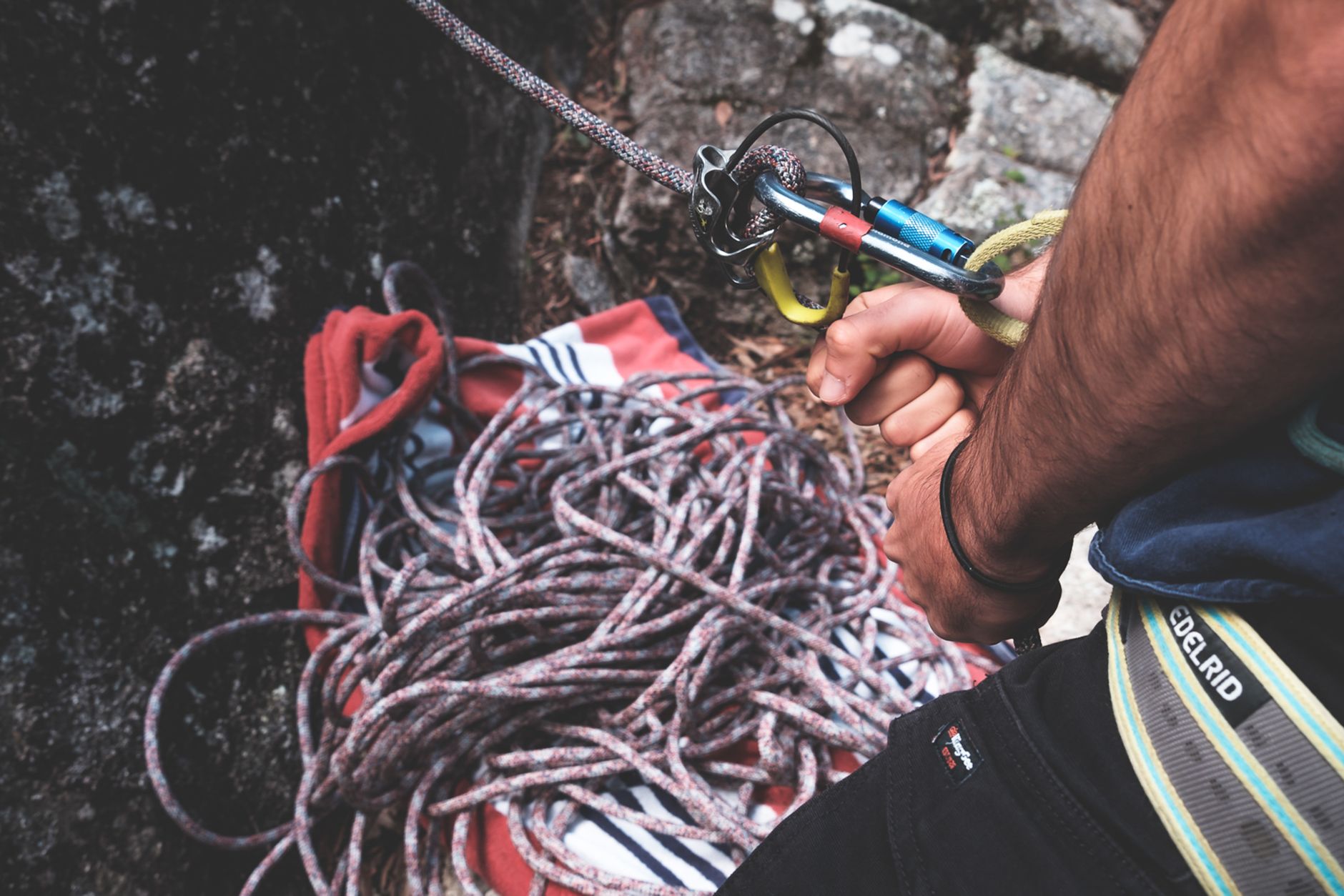
Photo by Lachlan Ross
On Belay? Belay On!
The leader starts with “On belay?”. This question checks if the belayer can catch a fall. The belayer responds “Belay on!” only after key checks.
The belayer first ties into the rope with a figure-eight knot. They clip the rope through the belay device on a solid anchor or ground. They double-check the leader’s knot and harness. Slack stays minimal.
Repeat the call back for a safety loop. It forces both to pause and verify. Wind or crowds drown out words, so this echo cuts confusion.
Example dialogue:
- Leader: “On belay?”
- Belayer: “Belay on!”
Keep voices loud and clear. Shout if needed.
Common errors to avoid:
- Belayer skips checks and replies too fast. Always inspect knots and devices first.
- Leader assumes “Belay on” means go. Wait for eye contact or a thumbs-up.
- Vague replies like “Yeah, ready.” Stick to exact words.
- For more on this command, see this breakdown from Tripsavvy.
These steps build habits that save lives on steep trad routes.
Climbing! Climb On!
With belay confirmed, the leader announces “Climbing!”. The belayer replies “Climb on!” to green-light the move.
The belayer does one last visual scan. Check the leader’s helmet fits snug. Ensure hands stay off quickdraws. Watch feet clear the starting holds.
This order stops early moves. The leader waits for “Climb on” before pulling off the deck. It gives the belayer time to spot loose rocks or bad ties.
Picture a crux start 20 feet up. A slip without full attention means ground fall. These calls lock in focus.
Quick checklist before “Climbing!”:
- Rope runs clean from belayer to leader.
- No twists or knots in the strands.
- Both partners make eye contact.
Use names in noisy spots: “Sarah, climbing!” “Climb on, Mike!” Practice on easy routes first. Sites like Study Rock Climbing list full signal sets.
Nail these, and you lead smoother pitches every time.
Commands on the Lead: Manage Rope and Attention
As you lead a trad route, commands control rope slack and belayer focus. These calls keep tension right for placing gear or resting. In this trad commands belay climbing guide, learn how to manage rope flow and alert your partner to risks.
Slack! Take! Tension!
“Slack!” tells the belayer to feed more rope. Use it when you clip gear or move fast past protection. The leader needs extra length to reach cracks without pulling pieces.
“Take!” or “Tension!” pulls the rope tight. Call “Take!” to remove slack for a quick hang. Use “Tension!” on steep sections or hangs where you rest in your harness.
Belayers act fast but smooth. For “Slack!”, let rope out with your brake hand guiding it. Pull evenly to avoid jerks. On “Take!”, grab slack and pull down through the device. Lock off with your brake hand until ready.
Know when each fits:
- Slack! before clipping a cam 15 feet up.
- Take! after a hard move to shake arms.
- Tension! at a no-hands rest on a bulge.
Practice these on top-rope first. Check this REI guide on climbing commands for full sequences.
Belayer checklist for rope calls:
- Keep eyes on the leader at all times.
- Avoid yarding the rope; move it steady.
- Echo the command back: “Slack off!” or “Taking!”
These habits prevent drags or whipper falls.
Watch Me! Falling!
“Watch me!” warns the belayer of a tough spot ahead. Call it before a crux where a slip seems likely. It locks their attention on your position.
“Falling!” signals an actual fall. Yell it loud as you slip. The belayer braces, feet wide, and catches with body weight low.
Leaders stay safe too. Keep hands and feet on holds if you can. Avoid grabbing the rope; it risks a shorter drop. Lean back into your harness.
Belayers plant firm. Drop hips, pull the brake strand down hard. Feed no slack during the catch.
Build skills with drills:
- Leader calls “Watch me!” at a marked hard move.
- Belayer replies “Watching!” and focuses tight.
- Simulate falls on easy ground; practice catches.
Use these on gym routes or low trad leads. See detailed command lists here to match standard calls.
Master them, and you handle lead falls clean every pitch.
At the Anchor: Switch the Belay System
You reach the anchor after leading a pitch. Build a solid setup with equalized gear. Clip the rope through the master point. Now switch the belay to bring up your follower safely. This trad commands belay climbing guide covers the exact calls for the transition.
Off Belay! Belay Off!
The leader calls “Off belay!” once secure at the anchor. You stay clipped in with redundant protection. Pull up slack until the rope stacks neat at your feet.
The belayer replies “Belay off!” They remove the rope from the belay device. Clip both strands to their harness belay loop as backup.
Never call off belay early. Confirm your anchor holds body weight. Test pulls match the direction of a fall.
Rope tugs serve as backup signals. Give two sharp pulls on both strands after the verbal exchange. Your partner tugs back to confirm.
Key steps for the leader:
- Equalize at least two pieces plus the master point.
- Call “Off belay!” loud and clear.
- Wait for “Belay off!” and tugs.
Belayer actions:
- Echo “Belay off!”
- Rack the rope ends short.
- Stay alert for follower moves.
This exchange frees the leader to belay from above. Check Sportrock’s command table for multi-pitch basics.
That’s Me! Now Belay On!
Your follower climbs the pitch. They clean gear as they go. When the rope pulls tight through the anchor, they call “That’s me!”
The leader pulls in all slack. Stack it clean. Repeat the startup sequence with roles reversed.
Follower asks “On belay?” Leader answers “Belay on!” Follower says “Climbing!” Leader replies “Climb on!”
Now you belay from above. Use a redirected setup through the anchor. Keep hands on the brake strand.
Sequence recap:
- Follower reaches tight rope, calls “That’s me!”
- Leader takes slack, confirms ready.
- Follower: “On belay?” Leader: “Belay on!”
- Follower: “Climbing!” Leader: “Climb on!”
Add names in wind: “That’s me, Alex!” Practice this full loop on short routes. The American Alpine Club essentials stress clear handoffs like these.
These calls keep tension perfect. Your partner arrives secure for the next lead swap.
Rappel and Lower Calls for Trad Descent
Trad routes end with descent. You lower or rappel to the ground or next station. Mix-ups pull wrong ropes or drop gear. Use exact calls to stay clipped in. This trad commands belay climbing guide details commands for both methods.
Lowering Calls
Lower the second from the anchor after they clean gear. The leader sets a redirect through the master point. Clip both strands to the harness belay loop. Pull slack until the rope stacks at your feet.
The second calls “Ready to lower?” once secure in their harness. Check the knot backs up the device. Inspect the anchor holds full weight.
Reply “Lowering!” loud and clear. Feed rope smooth with the brake hand. Keep it controlled, no jerks. Watch their progress from above.
The second stays on belay until feet touch down. Call “At the bottom!” or “Off rappel!” The leader replies “Belay off!” and removes the rope.
Lowering checklist:
- Anchor equals two pieces minimum.
- Rope runs clean through rings or rap device.
- Echo the call: “Lowering now!”
Avoid “Down!”; it confuses with slack calls. For full lists, check these standard signals.
Rappel Calls
Rappel uses doubled ropes through anchors. Thread both strands even. Toss coils clear of ledges. The first rappeller goes.
Call “On rappel?” to confirm setup. Your partner checks the block, device, and backup knot. They reply “Rappel on!”
Yell “Rappelling!” as you start down. Bounce the rope ends to clear snags. Keep feet wide, weight on legs.
Your partner watches from the anchor. They manage slack or tension if needed. Call “Slack!” or “Tension!” same as lead.
At the bottom, tug twice sharp on both strands. Wait for two tugs back. Pull the ropes down.
Rappel steps:
- Tie figure-eight on a bight to belay loop.
- Clip through rappel device on anchor ring.
- Backup with a clovehitch on the strand.
- Exchange calls before sliding off.
Use names in teams: “On rappel, Jordan?” Repeat tugs three times if wind howls. Practice on short drops first. See rappeller commands here.
Multi-Pitch Rappel Swaps
On long routes, swap at each station. First downer unties, pulls ropes. Second repeats calls.
Call “Ropes down!” after pulling. New first yells “On rappel?” up top. Top person confirms “Rappel on!”
Stack ropes neat for the pull. Flake them in a pack to avoid knots. Give three tugs before yanking.
These calls cut errors on chained rappels. Your ropes stay tangle-free pitch after pitch.
Trad vs Sport Commands: Tips and Variations
Core trad commands match sport climbing calls in most cases. Both styles use “On belay?” and “Belay on” to start. Differences come from gear and route length. Trad leaders place removable protection, so they call “Slack!” more often. Sport climbers clip bolts fast with quickdraws. This trad commands belay climbing guide shows how commands shift between styles. You adapt with practice to stay safe.
Standard Commands Work Across Both
Basic exchanges like “Climbing!” and “Climb on!” apply everywhere. Leaders yell “Watch me!” before cruxes in trad or sport. Belayers reply “Watching!” to confirm focus. “Falling!” triggers the catch in either case.
Sport routes stay single-pitch most times. Trad often stacks pitches high. Commands overlap 90 percent. Belayers manage less slack in sport due to close bolts.
Use these tips to blend styles:
- Stick to exact words; don’t shorten to “Ready?”
- Echo calls back for confirmation.
- Add partner names in wind: “On belay, Chris?”
Check this Mountain Project forum thread for real climber talks on single-pitch belay tweaks.
Slack and Tension Calls Vary by Gear
Trad demands extra slack for nut or cam placements. Call “Slack!” two or three times per pitch. Belayers feed rope steady to avoid drags on wandering lines.
Sport climbers rarely need much slack. Bolts sit close, so one “Slack!” covers clips. Use “Take!” quick for rests between bolts.
Tension! fits both but shines in trad overhangs. Leaders hang longer to scout cracks. Here’s how calls differ:
| Command | Trad Use | Sport Use |
|---|---|---|
| Slack! | Frequent for gear hunts | Rare, quick clips |
| Take! | Short hangs after placements | Rest between bolts |
| Tension! | Full rests on runouts | Rare, steep faces |
Belayers pull smooth in trad to prevent piece pops. Practice transitions on mixed crags.
Multi-Pitch and Descent Add Trad Layers
Sport skips “Off belay!” and “That’s me!” since routes end at chains. Trad requires them at every anchor swap. Followers clean trad gear, so tension stays tight longer.
Rappel calls stay unique to trad descents. Sport lowers from top bolts. Use “Ready to lower?” same way, but trad ropes double for pulls.
Key variations for trad:
- Three rope tugs confirm off-belay.
- “Ropes down!” signals clean pulls.
- Stack slack neat before follower climbs.
Sport tip: Borrow trad tugs for noisy areas. It cuts verbal mix-ups.
Switch Styles with These Habits
Train both to climb versatile. Start sessions with command drills. Role-swap lead and belay roles.
Call variations aloud: “Slack off!” or “Taking tension!” Repeat partner words to lock focus.
Avoid sport habits in trad, like yard-arm pulls. They yank trad gear. Build muscle memory on gear-heavy routes first.
Master these shifts, and you belay sharp anywhere.
Conclusion
Master the trad commands in this belay climbing guide to handle any pitch. Key sequences start with “On belay?” and “Belay on,” then “Climbing!” and “Climb on.” Manage rope with “Slack!,” “Take!,” or “Tension!” during leads. At anchors, use “Off belay!” and “Belay off!,” followed by “That’s me!” to bring up your partner.
Switch roles clean with reversed startup calls. For descents, confirm “Ready to lower?” before “Lowering!,” or “On rappel?” then “Rappelling!” Rope tugs back up every exchange: two for off-belay, three for rappels.
Practice these full loops on flat ground first. Print a cheat sheet with the core set and tape it to your helmet. Drill with a partner until calls flow automatic.
You gain safer leads and tighter partnerships. No more mix-ups on runouts or multi-pitch swaps. Trust grows pitch by pitch.
Back to Trad Climbing Safety Tips
Recommended Products for Trad Climbing
These products can support safer climbing, belaying, rappelling, and emergency readiness.
Affiliate disclosure: As an Amazon Associate, TradClimbers may earn from qualifying purchases at no additional cost to you.