
Trad Climbing Wilderness Safety
Trad climbing in remote wilderness carries high risks. Help often sits hours or days away. Climbers place their own protection and anchors. They also deal with sudden weather shifts, rockfall, and rare wildlife encounters.
Falls cause most accidents. Reports show 68% stem from falls. Rappelling errors and anchor failures rank high among them. In 2024, trad climbing saw 52 reported accidents, more than any other style.
Rappel setups fail from old slings, loose blocks, or poor rope threading. Anchor issues hit lead belays and descents. They involve bad rock or single-piece reliance. Rockfall accounts for 7% of incidents.
These patterns hold from 2020 to early 2025 data. Trad climbing wilderness safety demands focus on prevention. Solid habits cut these pitfalls. Climbers avoid serious injury or worse.
This post covers key areas. You’ll learn about essential gear choices. Core principles guide safe practices. Risks break down with real stats. Wilderness challenges demand extra prep. Self-rescue skills save lives.
Start with gear. Pick the right tools to build trust in your system.
Essential Gear for Safe Trad Climbing in the Wilderness
Your gear sets the base for trad climbing wilderness safety. In remote spots, it must handle falls, rockfall, and long waits for help. Build a system you trust. Focus on quality pieces that fit your routes. Start simple and expand as you gain skill.
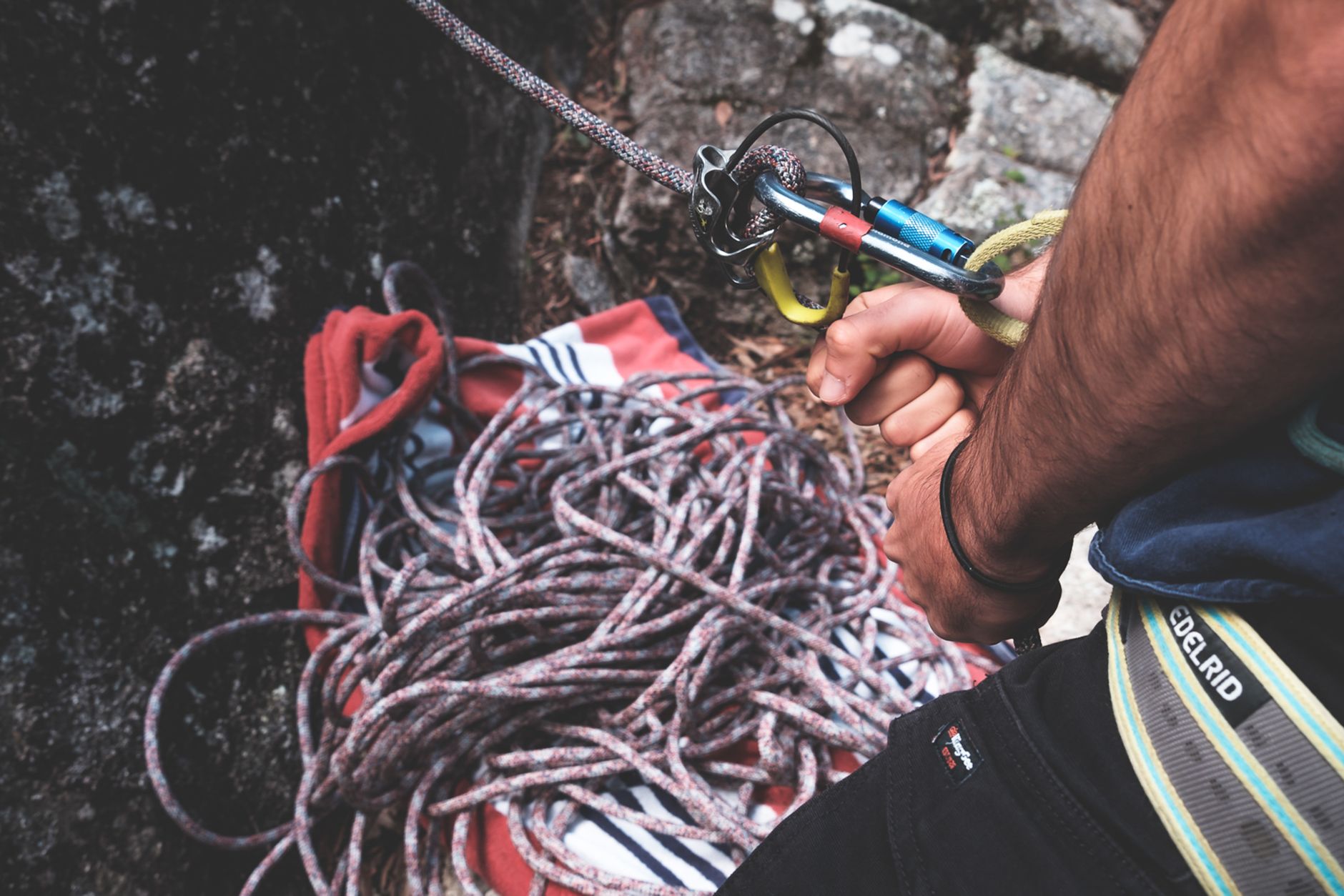
Photo by Lachlan Ross
Personal and Protection Gear Basics
A good harness keeps you secure. Pick one with padded leg loops and at least five gear loops for easy access. Helmets protect against rockfall, a top threat in trad; they stay non-negotiable. Sticky rubber climbing shoes give precise footwork on slabs and cracks. Use a tube-style belay device like an ATC for smooth control.
Locking carabiners secure key connections. Add a tether or PAS for belay anchors to prevent slips. Your trad rack needs a mix of nuts in small, medium, and large sizes for passive protection. Cams expand to grip cracks; carry 10-15 in a range from 0.3 to 3 inches. Hexes work as optional backups in wide spots.
Pack slings to reduce rope drag on wandering routes. A cordalette builds equalized anchors fast. Practice all placements on low boulders first. Test pulls to build confidence. Check the REI Trad Climbing Gear Checklist for rack ideas. Solid gear cuts failure risks by half.
Ropes, Descent, and Survival Kit Musts
Carry a 60-70 meter dynamic rope. It stretches on falls and suits most pitches. Prusiks serve as backups for ascents or crevasse rescues; tie two from 6mm cord. A headlamp lights late descents or caves.
Pack a first-aid kit with blister pads, bandages, painkillers, and tweezers for splinters. An emergency blanket traps body heat. Fire starters like a lighter and ferro rod ignite wet tinder. Bring extra water, energy bars, and a filter for streams.
In remote areas, weather or injury delays rescue for days. A GPS device or topo map with compass guides you out. Signal devices like a PLB add insurance. These items turn stuck situations into survivable ones. See self-rescue tips in resources like Climbers Portal essentials. Prep covers the gaps help can’t fill.
Core Safety Principles for Trad Climbers
Trad climbing wilderness safety starts with habits you drill into muscle memory. In remote areas, one slip means no quick bailout. Stick to basics that prevent falls and gear failures. These principles keep you and your partner alive when walls loom high and help stays far off.
Climb Smart and Check Everything Twice
Climb under your ability on lead. Pick routes that match your skills, so you stay calm and place gear without rushing. A fall from above protection spells trouble; keep it short.
Double-check all systems before you start. Inspect knots like the figure-eight tie-in and stopper knot. Tug on harness buckles. Confirm the belay device threads right and the rope runs free. Your partner does the same. Skip this, and a loose knot turns deadly.
Place gear early, right after easy terrain. Slot nuts or cams before hard moves demand focus. Test each piece with a solid pull in multiple directions. Aim for offsets and constrictions that bite deep.
Belay tight but smooth. Take in slack quick to catch falls early. Pay it out steady on traverses, so movement flows without drag. Practice these steps on every pitch. They cut fall distances and build trust in your setup. Check standard safety routines at ClimbingTechniques.org.
Build Solid Anchors and Communicate Clearly
Use the SERENE rule for anchors: Solid placements, Equalized load, Redundant pieces, Efficient rigging, No Extension on load. Pick rock that doesn’t flex. Pad two or three points to share force. Link with a cordelette or sling in a power point. Back it up always.
Simple belay commands keep things clear. Leader says “on belay?” Belayer replies “belay on.” Leader calls “climbing.” Belayer says “climb on.” At the top, “off belay.” Keep voices loud over wind. No slang; stick to basics.
Inspect gear together before each pitch. Swap roles to spot wear on cams or frayed slings. Run hands over ropes for fuzz. This team check catches issues early.
Master these, and anchors hold rappels or belays firm. Learn more on the SERENE method. Clear talk prevents mix-ups that kill.
Top Risks in Trad Climbing and How to Beat Them
Trad climbing wilderness safety hinges on beating common risks like gear pullouts, rappel errors, and off-route wanders. These cause most incidents in remote areas. Gear failures top the list at 68% of falls. Rappels and rockfall follow close. Spot trouble early to stay safe. Master these fixes to climb with confidence.
Avoid Gear and Placement Failures
Practice placements on the ground or easy boulders. Slot nuts into constrictions where they bind tight. Set cams with lobes perpendicular to the crack; twist stems for offsets. Bounce test each piece.
Choose solid rock. Skip flaking blocks or hollow flakes that shift under tug. Tap first; listen for dead sound.
Match direction of pull. Place gear to catch upward falls, not sideways whips. Angle pieces to align with expected force.
Build redundant anchors. Use at least two or three pieces, equalized with a cordelette. Clip master point with locking biners. This spreads load and backs up failures.
Follow these steps to cut pullout risks. Check climbing protection gear tips for more on common errors.
Handle Rappels and Rockfall Right
Tie stopper knots in both rope ends. They block accidental threading past the anchor.
Add a prusik backup. Loop 6mm cord below your harness; weight it to catch slips. Practice prusik ascents beforehand.
Your partner checks every setup. Confirm knots, twists, and carabiner gates before you descend.
Wear helmets on all rappels. They shield from dislodged rocks.
Keep safe distance below rappellers. Yell warnings and spot loose gravel.
To fight rockfall, downclimb slowly and kick holds loose before clipping. Stack ropes away from ledges. See rockfall risk tips and rappel safety techniques.
Spot Off-Route Trouble Early
Study photo topos before you start. Print them or load on your phone; match crack systems from afar.
Trace the route from the ground. Look for key features like roofs or trees that mark pitches.
Downclimb if moves look too hard. Back-clean gear to save it and avoid stuck ropes. Assess runouts below your last piece.
Carry a small rack for bail anchors. Build them quick with slings or cord.
These habits keep you on line and prevent epic wanders. Practice route reading on familiar crags first. Stay within your limits to avoid forced commits.
Master Navigation, Weather, and Wildlife Challenges
Trad climbing wilderness safety demands sharp skills in navigation, weather awareness, and wildlife avoidance. Remote routes amplify these threats. Poor planning strands you in storms or forces unplanned bivouacs. Lost paths waste energy and invite exposure. Animals add risks if you ignore storage rules. Master these elements to keep climbs controlled.
Plan Routes and Watch the Weather
Check forecasts from multiple sources before you leave. Use apps like Mountain-Forecast or NOAA for your exact peak. Look at wind speed, precip chances, and temps at ridge level. Storms hit fast in mountains; plan pitches to finish before noon.
Study topos and route descriptions. Note bail spots like ledges with anchors or gullies to downclimb. Mark them on your map. Start early to beat crowds and afternoon clouds. Pack layers for quick shifts.
Watch sky signs on route. Dark bases on clouds signal rain. Virga streaks mean lightning nearby. Wind gusts pick up before fronts. Strong headwinds sap strength; cold fingers numb placements.
Retreat at first red flags. If lightning flashes within 30 minutes travel time, rapel off. Low visibility drops below 100 yards? Bail. Fog rolls in? Stop. Exhausted team or low water forces turnarounds.
Build bail anchors with extra slings. Leave no trace. These steps prevent epics. See REI’s guide on when to turn back for more bailout cues.
Navigate and Dodge Wildlife Hazards
Carry a GPS unit or phone app like Gaia with offline topos. Pair it with paper maps and compass as backup. Batteries fail; clouds block signals. Plot waypoints for base, belays, and descent.
Follow Leave No Trace. Pack out waste. Camp 200 feet from water and trails. Step light to avoid spreading invasives.
Store food high in bear bags, 10 feet up and 4 feet from trunks. Use odor-proof bags. Hang scented items like toothpaste too. In bear country, cook away from tents. Check park rules.
Scan for ticks after bushwhacks. Wear long pants tucked into socks. Use DEET. Remove ticks with tweezers; twist and pull steady. Watch for rashes.
Spot bears from afar. Make noise on trails. Carry spray; practice draws. Group up if one appears. Back away slow.
These habits keep routes clear and camps safe. Review BearWise food storage tips for backcountry details.
Emergency Prep and Lessons from Recent Accidents
Trad climbing wilderness safety requires solid emergency prep. Recent accidents highlight self-rescue needs and common errors. You face long waits for help in remote spots. Build skills now to escape jams. Study trends to avoid repeats. These steps turn crises into safe exits.
Build Self-Rescue Skills
Master basics like prusik ascents and belay escapes. Tie prusiks from 6mm cord. Loop them below your harness on stuck ropes. Practice climbing up fixed lines at home or crags. Weight the system to grip tight.
Learn belay escape for stuck leaders. Use a Münter hitch to transfer load. Clip a locking carabiner for safety. Lower or raise as needed.
Set tandem rappels with partners. Keep ropes parallel and backups ready.
Practice on single-pitch routes first. Simulate stuck climbers or rope snags. Drill until moves feel automatic.
These skills cut rescue waits. Check Climbing.com’s multi-pitch rescue guide for drills. Self-reliance saves lives out there.
Learn from 2026 Accident Trends
Rappels lead accidents. Reports note 15 incidents with 23 climbers and 5 deaths. Top issues include wrong threading, missing knots, and weak anchors.
Inexperience plays a big role. New climbers skip checks or trust partners blindly. Complacency hits veterans too. They rush “easy” descents or ignore backups.
Fight this with best practices. Tie stopper knots in both rope ends. Add prusik backups below your device. Both partners inspect anchors and threads.
Confirm master points and no twists. Treat every rappel like the first. Slow down on ledges.
Practice these on short routes. Data shows they prevent most failures. Stay sharp to beat the odds.
Conclusion
Trad climbing wilderness safety rests on solid gear, core principles, risk management, navigation skills, and emergency prep. Pick quality harnesses, helmets, cams, nuts, and ropes that match your routes. Follow SERENE for anchors, place gear early, and check systems twice. Beat falls, rappels, and rockfall with redundant setups and prusik backups. Plan routes with topos, watch weather from multiple sources, and store food right to dodge wildlife.
Practice these steps with a mentor on easy terrain. Use checklists for every pitch and rappel. Review your rack before each trip, confirm knots and anchors aloud, and tie stopper knots in rope ends.
Checklists save lives; make them routine.
Take a self-rescue course soon. Share your plans with someone outside your group, including route, return time, and bail options.
Gear up right, drill habits, and stay sharp. You build trust in remote walls this way. Climb safer every time.
Back to Trad Climbing Safety Tips
Recommended Products for Trad Climbing
These products can support safer climbing, belaying, rappelling, and emergency readiness.
Affiliate disclosure: As an Amazon Associate, TradClimbers may earn from qualifying purchases at no additional cost to you.