
Trad Belay Communication Tips
Poor communication during a trad belay can turn a routine lead into disaster. Falls happen when belayers miss calls amid wind or distance. Gear pulls worsen without clear signals on multi-pitch routes.
Data backs this up. The American Alpine Club reports human error, including belay mistakes and miscommunication, behind most serious climbing accidents. One study found 1 in 3 climbers make belay or tie-in errors that could cause injury.
Clear belay calls matter more in trad than sport. Rope drag muffles voices. Wind and pitch length stretch distances. Partners must hear every command.
This post shares trad belay communication tips to fix that. You’ll get basic commands, in-climb calls, best practices, mistakes to avoid, and advanced options.
Expect safer leads with less slack risk. Flow improves on long routes. Partnerships grow stronger through trust.
Master the Standard Sequence of Trad Belay Commands
Trad belay communication tips rely on a fixed set of calls to build trust and prevent errors. These commands form the backbone of every pitch. They work the same in trad as in sport, but wind and distance make precision key on gear-protected routes. Master this sequence to keep slack tight and leads smooth.
Stick to the standard calls every time. Yell them loud and clear. Repeat if needed. Practice them on the ground first.
Starting the Pitch Right
Double-check your setup before any calls. Clip the rope through your belay device correctly. Brake strand stays on the side away from the anchor. Your partner ties in with a figure-eight knot backed up. Both inspect each other’s harness, knots, and carabiners. Test pulls confirm the system holds.
Once ready, start the sequence:
- Leader asks, “On belay?” This confirms the belayer pays attention and grips the rope.
- Belayer replies, “Belay on.” Only say this after full checks.
- Leader follows with “Climbing?”
- Belayer answers “Climb on.”
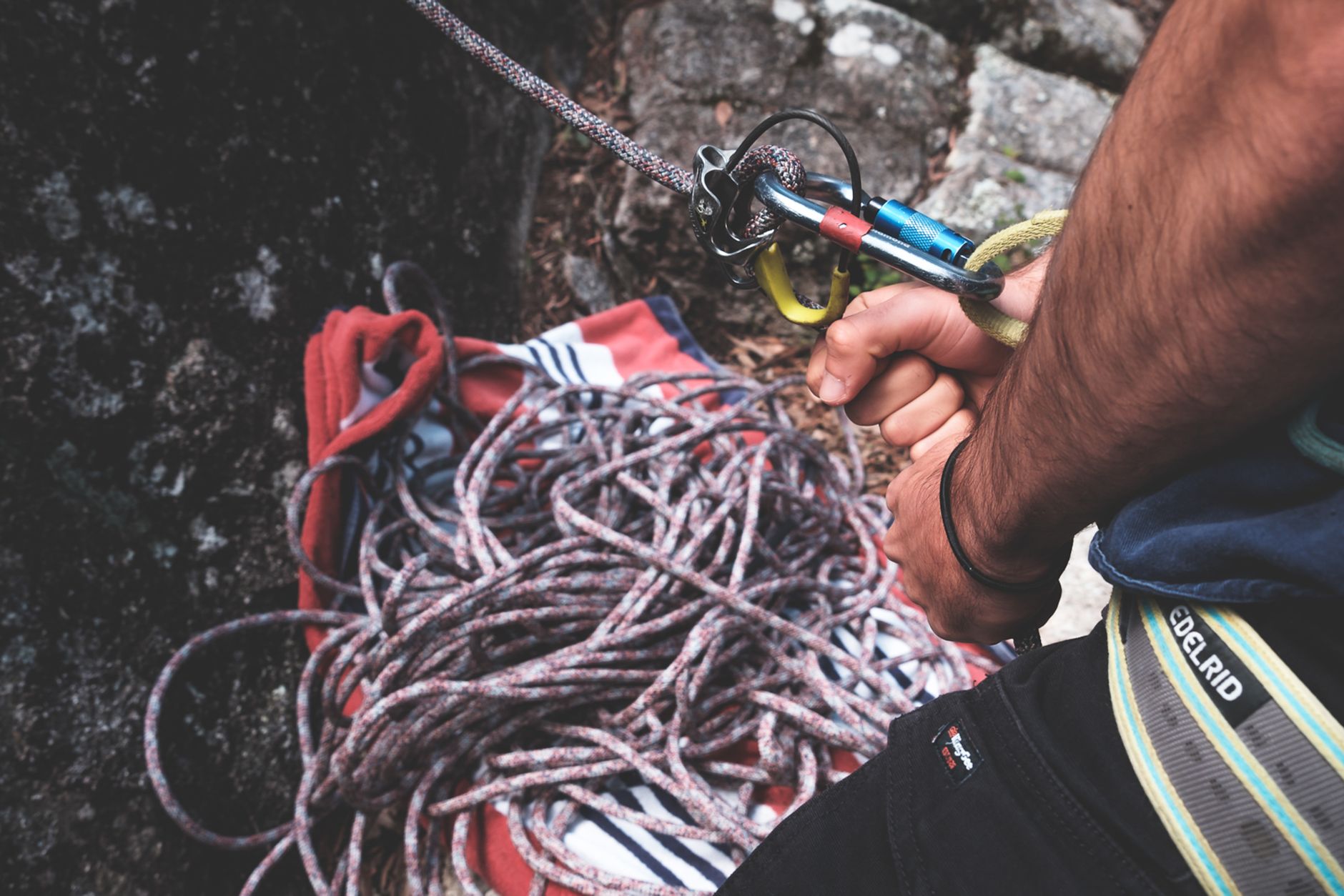
Photo by Lachlan Ross
These steps lock in safety. Skip them, and you risk starting with loose rope or wrong threading. On trad pitches, add a quick gear check: cams rack neatly? Runners prepped? Belayer takes in all slack before “Climb on.”
For more on basic commands, check REI’s guide to rock climbing communication.
Ending the Pitch Safely
Reaching the top demands the reverse sequence. Clear calls let the leader unclip from the belay rope without surprise drops.
The leader shouts “Off belay!” first. Belayer responds “Belay off.” Remove the rope from your device only after this exchange. Coil it neatly to avoid tangles.
Now handle anchor breakdown. The leader builds a solid equalized station with redundant points. Test it with bounces.
To clean the pitch:
- Leader calls “Got me?” when ready to lower or for tension.
- Belayer says “Got you” and takes weight.
- For slack during cleaning, leader yells “Slack!” Belayer feeds rope smoothly.
- Up rope comes next: “Up rope!” Pull it through as gear comes off.
- If tension needed: “Tension!”
Watch for rope drag in trad corners. Pull straight down. These calls prevent whips or stuck draws. See REI’s belay basics for visuals on device handling.
Use this full loop every pitch. It cuts mishears that lead to accidents. Your leads stay safe.
Essential Commands for Mid-Pitch Adjustments
Mid-pitch calls keep your trad lead smooth and safe. You handle rope changes and spot trouble before it hits. These trad belay communication tips shine when distance muffles voices or wind picks up. Leaders shout needs. Belayers respond fast. Practice them to cut slack errors that cause whips.
Managing Slack and Tension
Slack builds fast on trad routes with wandering lines. You need clear calls to stay tight without pulling your leader off. Slack! means feed rope now. Your partner clips gear or moves to a stance. Give it smooth and steady. Too much creates loops that snag cams.
Up rope! does the opposite. Take in extra after a clip or rest. It keeps tension just right for the next move. Yell it loud if drag tugs wrong.
Compare the two:
- Slack!: Leader gains reach. Belayer pays out 1-2 feet at a time. Watch for sudden pulls.
- Up rope!: Leader wants it snug. Belayer pulls hand over hand. Brake stays firm.
A single tug works as backup when noise drowns words. Leader yanks once for up rope. Two quick tugs ask for slack. Agree on this before the pitch. It saves time on runouts. For full details, see the American Alpine Club’s essentials of climber communication.
Use these together. Leader clips and yells “Slack!” You feed, then hear “Up rope!” Pull it back. Tension! adds weight for hard moves. Your partner hangs brief. This flow prevents ground falls from poor management.
Warning Calls for Falls and Progress
Falls strike without notice on trad gear. Quick warnings let you catch them clean. Progress calls track rope use too. They avoid knots at the top or end-of-rope surprises.
Start with Falling! Shout it as you slip. Arms out. Belayer catches the whipper. No extra words. Just brace and hold.
Watch me! comes right before risk. You eye a bold move or thin pro. Belayer focuses full. Take all slack. Spot the fall early.
Halfway! marks the rope midpoint. Yell when you pull half through. Belayer checks for knots or twists. It stops ties that jam draws.
Rope left! signals the end nears. Call it with 10-15 feet out. Belayer knows to anchor soon. No more rope means no more pitch.
Here is how they pair:
- Leader spots crux: “Watch me!”
- Slip happens: “Falling!”
- Belayer holds firm.
- Later: “Halfway!” then “Rope left!”
These calls build rhythm. See the Wasatch Mountain Club’s climbing communication guide for more team scripts. Your belays stay sharp. Leads push farther.
Top Best Practices for Reliable Trad Belay Communication
Trad belay communication tips work best when you make them foolproof from the start. Wind howls on exposed faces. Rope stretch muffles shouts. Customize your system to match the route and team. These steps ensure signals stick even under stress.
Agree on Signals Before You Rack Up
Set your calls and tugs at the base. Do not wait for the leader to stem up. Sit down. Talk through every pitch plan.
Start with voice commands. Pick short words that cut through noise. Stick to basics like “Slack” or “Up rope,” but tweak if needed. One team swaps “Slack” for “Take” to avoid mix-ups on windy days. Test yells at full volume. Your partner must hear from 50 feet away.
Add rope tugs for backup. Agree on patterns now.
- One tug: Up rope. Leader pulls once after clipping. Belayer takes in slack fast.
- Two tugs: Slack. Leader yanks twice for extra reach at cruxes.
- Three tugs: Off belay or ready to lower. Use at anchors to confirm.
Customize based on your setup. Long ropes need quicker pulls. New partners practice tugs on easy terrain first. Climbers on Mountain Project share protocols like double tugs for tension. Pick one and drill it.
Write signals on your helmet or forearm. Glance if nerves hit. This prep cuts errors by half on runouts.
Backup Options When Voices Fail
Voices fade on overhanging trad lines. Switch to visuals and tugs without pause. Your life depends on it.
Wave arms for big signals. Leader raises both for “Watch me.” Drop one arm for “Slack OK.” Belayer mirrors to confirm. Use headlamp flashes at dusk: one blink for up rope, two for slack. Keep it simple.
Rope tugs shine here. They transmit through stretch and drag. Leader feels every pull at the belay device. Repeat tugs if no response. Belay partners on multi-pitch routes swear by the silent system for wind walls.
Layer options for reliability:
Visuals first: Thumbs up for climb on. Fist for tension. Tugs second: One for take, two for give. Rock knocks: Tap cam on wall three times for falling.
Test the stack on warm-ups. Leader climbs 20 feet. Belayer responds silent. Switch roles. This builds instinct. No words needed mid-whipper. Your leads stay tight.
Common Trad Belay Communication Mistakes and Fixes
Even solid trad belay communication tips falter with simple slip-ups. Wind garbles words. Distance drops volume. Fix these errors to keep leads safe and slack minimal. Spot the traps and reset fast.
Sound-Alike Command Traps
Certain calls sound too close in wind or echo. You hear wrong and feed slack at the wrong time. Watch these pairs.
- Slack! and Track! (or back chatter): Leader wants rope out, but belayer hears casual talk. Feed nothing until clear. Always end commands sharp.
- Up rope! and You’re good!: Belayer takes in when leader needs reach. Confirm with repeat: Leader yells back “Slack!” if wrong.
- Falling! and Calling! (gear check): Slip warning turns to chat. Belayer relaxes brake. Leader adds “Fall!” loud if needed.
- Tension! and Attention!: Weight request becomes focus call. Give in-line pull only on “Ten-shun!” drawn out.
Enunciate ends. Yell “Slack!” with bite. Repeat every call twice on runouts. Teams cut mix-ups 80% this way. Check Climbing’s pro tips on avoiding communication breakdowns for more pairs.
Use a quick table for your cheat sheet:
| Command Pair | Risk if Misheard | Fix |
|---|---|---|
| Slack! / Track! | No rope fed | Repeat and confirm |
| Up rope! / Good! | Slack pulled too soon | Echo back exact words |
| Falling! / Calling! | Brake released early | Add “Fall!” emphasis |
| Tension! / Attention! | Wrong focus shift | Stretch vowel sounds |
Practice yells at the crag base. Your partner mimics wind with hands over ears.
What to Do When Contact Breaks
Voices drop out mid-pitch. Rope drag blocks sight. Do not guess. Follow this stop-and-reset protocol.
Freeze first. Leader stops at a rest. Belayer holds brake firm. No movement until contact returns.
Shift to backups in order:
- Rope tugs: One pull for up rope. Two for slack. Three for off belay. Repeat until felt.
- Visuals: Wave both arms for watch me. Thumbs up for got you. Headlamp blinks at low light.
- Rock it out: Tap gear three times on wall for falling or tension. Belayer taps anchor back.
If no response in 30 seconds, leader downclimbs to last stance. Belayer keeps light tension. Reset at eye contact: Yell “On belay?” full sequence.
On multi-pitch, belayer edges out for line of sight. Leader stays put. See Climbing’s guide to common belay errors for real fixes.
This protocol saved teams on windy faces. Drill it pre-climb. Your partnership holds through blackouts.
Advanced Tips for Pro-Level Trad Belay Talks
You’ve nailed the basics and backups. Now push your trad belay communication tips to pro levels with systems that work in total silence. Wind-swept faces and echoing chimneys demand signals beyond voice. Pros rely on rope tugs that transmit intent through stretch and drag. These cut errors on runouts where words fail. Master them to lead bolder lines with full trust.
The silent tug system stands out for multi-pitch trad. It uses precise pull patterns instead of shouts. Partners feel every command at the device. No visuals needed. Set it pre-climb, then drill on short leads. Teams report zero miscommunications on 5.12+ routes this way.
The Silent Tug System Explained
Build your silent tug protocol step by step. Start simple, then layer commands. Each pull pattern carries one clear meaning. Repeat pulls if no response in five seconds. Leader initiates; belayer mirrors a tug back to confirm.
Follow these steps to execute pulls:
- Agree on patterns at the base. Pick three to five tugs max. Common setup: one tug for up rope, two quick for slack, three for tension. Write them on your wrist. Test by pulling while partner belays from 30 feet away.
- Leader clips gear and tugs once. This signals “take in slack.” Belayer pulls hand over hand until slight resistance. Mirror one tug back. Keeps rope tight post-clip without words.
- Leader tugs twice fast for slack. Use at cruxes or stances. Belayer feeds one foot at a time. Watch for sudden yanks. Send two tugs in reply. Prevents snags on wandering trad lines.
- Three deliberate tugs request tension. Leader needs weight for cleaning anchors or hard pulls. Belayer takes full in-line pull. Confirm with three back. Ideal for lowering off marginal pro.
- Four sharp tugs mean off belay. Leader reaches top and builds anchor. Belayer removes rope from device only after four back. Add a long steady pull for “got me” during rappels.
- Reset mid-pitch if drag blocks feel. Leader stops at rest. Tug once slow for check-in. Belayer responds with pattern match. Downclimb if no reply after three tries.
Refine based on rope diameter and length. Thicker ropes dull tugs; shorten patterns. Check Climbing magazine’s silent communication guide for pro tweaks. Practice full sequences on toprope first. Your belays turn silent and sharp. Leads extend without doubt.
Conclusion
Master the standard belay sequence to start and end pitches right. Nail mid-pitch calls like Slack!, Up rope!, and Falling! to manage rope and spot risks. Set signals with your partner before racking up, layer in tugs and visuals for backups, and fix sound-alike traps by repeating commands sharp.
Dodge contact breaks with a clear reset protocol: freeze, tug, then downclimb if needed. Push to advanced silent tugs for wind-swept runouts.
Practice these trad belay communication tips on easy routes first. Habits stick when you drill them low stakes.
Back to Trad Climbing Safety Tips
Recommended Products for Trad Climbing
These products can support safer climbing, belaying, rappelling, and emergency readiness.
Affiliate disclosure: As an Amazon Associate, TradClimbers may earn from qualifying purchases at no additional cost to you.