
Avoiding Rockfall on Trad Climbs
Rockfall hits hard and fast on trad climbs. A loose block dislodged by your partner can cause head trauma, broken bones, or worse. Accident reports show these events happen often, even if under-reported, with serious outcomes in gullies, belays, and descents.
Trad climbing means you place your own gear in cracks and natural features. Routes stretch across multiple pitches on mountain faces. Loose rock lurks in flakes, blocks, and ledges along the way.
You can’t erase the risk. Smart choices cut it way down.
This post shares direct steps for avoiding rockfall trad climbs. Expect coverage of main causes, warning signs, route picks, best timing, key techniques, gear picks, and safe descents.
Follow this advice and gain these benefits:
- Spot loose rock early to dodge it.
- Pick routes with fewer fall lines.
- Set belays off to the side.
- Descend without triggering slides.
Climb safer. Enjoy it more.
Common Causes of Rockfall on Trad Climbs
Rockfall strikes trad routes from clear triggers you can predict and prevent. Most incidents tie back to climber moves, weather shifts, rock types, or crowds. Spot these causes to stay ahead.
Climber Moves Knock Rocks Loose
You place gear behind a sketchy flake, then yank your cam. It pops free and tumbles. Simple actions like this cause many falls.
Leaders kick loose chunks while stemming wide cracks. Feet slip on sandy ledges; blocks follow. Partners below catch the hit at belays.
Rope drag adds trouble. Long pitches mean friction builds. Cams snag edges and pull rocks as you climb past.
Key climber faults include:
- Hard pulls on loose holds during crux moves.
- Foot jams that pry flakes apart.
- Swings into walls after falls, which jar blocks overhead.
Test holds first. Tug gently. Skip anything that shifts.
Weather Weakens Rock Fast
Freeze-thaw cracks granite. Water seeps in overnight; ice expands and pops slabs. You see fresh scars on morning leads.
Rain soaks routes. Wet rock weighs more and grips less. Blocks slide after storms.
Heat swells cracks too. Daily cycles stress edges. Dry spells make holds brittle.
Check Yosemite’s rockfall page for park stats. Thousands of tons fall yearly from these forces.
Wait out bad weather. Dry rock holds firm.
Route Geology Sets Traps
Trad lines follow cracks full of loose blocks. Flakes stack in dihedrals; they shed under weight.
Chossy limestone crumbles easy. Blocks detach in layers. Sandstone routes flake at touches.
Some areas breed weak rock. Volcanic tuff shatters. Slate delaminates in sheets.
Pick solid stone. Avoid fresh scars or stacked blocks. For loose rock tips, see this guide on climbing choss.
Crowds Multiply the Risk
Parties above you drop tools or knock holds. Rope pulls from their descents trigger slides.
Busy weekends pack gullies. Foot traffic loosens scree. One slip starts a chain.
Followed routes mean cleaned lines turn dirty again. Fresh chalk hides loose spots.
Solo or go early. Space out from groups. Watch heads above.
Know these causes, and you cut rockfall odds. Next, learn the signs that scream danger.
How to Spot Rockfall Hazards Before You Start Climbing
You spot rockfall hazards on trad climbs before you rack up. Check the ground and wall first. These signs predict loose rock that could tumble during your ascent. Look close to avoid surprises that turn safe leads into close calls.
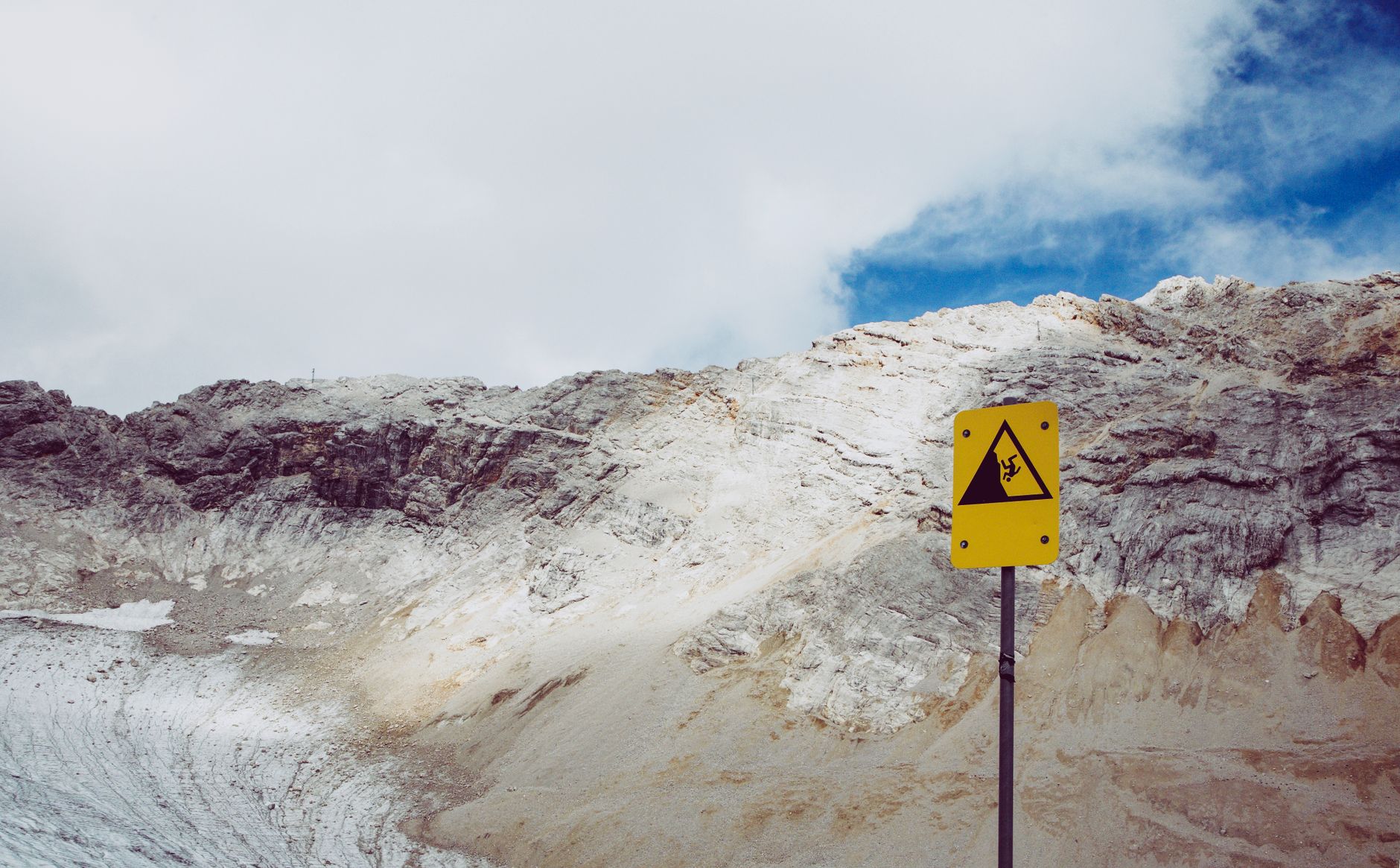
Photo by Markus Spiske
Signs at the Approach and Base
Walk the approach with eyes sharp. Talus fans pile at cliff bases. They mark runout zones where rocks fell from above. Big fans mean the wall sheds blocks often; small ones still signal risk.
Hunt for fresh sharp rocks. Angular edges show recent falls, not rounded by years of weather. These predict more drops soon, as the same weaknesses persist.
Scan for bare grooves on the wall. Plant-free tracks lack soil buildup. Water runs there, eroding holds over time and priming future slides.
Check bent gear or tree scars. Twisted pitons or gouged trunks mean past impacts. Trees bend from heavy hits; old gear warps under falls.
On Yosemite’s granite walls, talus slopes under East Buttress warn of blocky pitches. In the Tetons, scarred pines flag dihedral death traps. These clues tie to gravity pulls and freeze-thaw cycles. They forecast falls because unstable rock repeats its path. Pause here. Bail if signs stack up. (148 words)
Warning Signs Directly on the Wall
Clip into the first pitch and inspect up close. Tap suspect holds. A hollow ring means poor attachment; solid rock sounds dead. Use your knuckle or a stick to probe without full weight.
Spot big loose blocks or flakes. These wobble at light touches. Detached edges shift side to side, ready to peel off under tension.
Feel for crunch under weight. Sandy ledges or gravel beds compress. They signal rotten cores that give way fast.
Look for gravel buildup in cracks. Fine debris collects where bigger pieces shed. It hides sharp edges that slice ropes.
Beta from guidebooks or apps flags these spots. Watch this BMC video on spotting loose rock for quick demos.
Test safe: Stay tied in, below gear. Tug holds upward first, then sideways. Bounce feet light on ledges. Never trust a creak. On Moab’s sandstone towers, hollow flakes litter Wingate routes. Skip them for avoiding rockfall on trad climbs. Clean lines save lives. (152 words)
Pick Safer Routes and Timing for Avoiding Rockfall Trad Climbs
You cut rockfall risks on trad climbs by picking solid routes and smart timing. Skip death traps like loose gullies or blocky faces. Time your ascents for stable conditions. These choices stack the odds in your favor and keep you climbing longer.
Risky Rock Types and Terrain to Steer Clear Of
Some rocks crumble easy and send blocks flying. Limestone plates delaminate in layers; they peel off under light pulls because bedding planes weaken fast. Schist flakes apart along shiny cleavage lines; mica layers slip when you jam cracks. Volcanic breccia packs loose angular chunks; it shatters from impacts or freezes. Uncemented sandstone grinds to sand; holds erode with every step. Granite flakes near snow expand and pop from melt cycles; water seeps in and jacks them loose.
Steer clear of these spots too:
- Gullies funnel rocks down; gravity pulls blocks straight to belays.
- Below roofs stack dinner plates; vibrations knock them free.
- Exit chutes concentrate traffic; ropes and feet loosen scree piles.
Opt for solid quartzite slabs or bomber basalt columns instead. Check rock types for climbers to learn more. Solid stone holds firm and lets you focus on moves. (152 words)
Best Seasons, Times, and Weather to Climb Safely
Pick dry, cool windows to dodge rockfall on trad climbs. Summer heat afternoons bake cracks open; thermal expansion pops holds loose. Post-rain or melt days slick routes and add weight; wet blocks slide easy. Warm spells after cold snaps trigger freeze-thaw bursts; fresh scars mean active shedding.
Go low risk instead:
- Early mornings keep rock cold and stable; shadows hide fewer surprises.
- Stable dry days lock holds tight; no moisture to weaken bonds.
In alpine zones, target shoulder seasons like late spring or early fall. Snow stabilizes loose stuff up high, but watch melt. Avoid mid-summer storms that soak faces. Stable high pressure builds confidence. See alpine climbing seasons for area specifics. Time right, and routes stay put. (148 words)
Smart Pre-Climb Planning Steps
Plan ahead to spot rockfall traps before you commit. Start with guidebooks and forums. Scan recent trip reports for falls; Mountain Project threads flag fresh incidents. Look for “rockfall” or “loose” keywords in beta.
Next, use maps and photos. Trace dirty streaks or scar lines from Google Earth; they mark slide paths. Overlay topo lines to dodge them.
Set bail triggers early. Define red flags like fresh talus or wobbly crux holds. Agree on down-climb points per pitch.
Follow these steps:
- Cross-check three sources for route history.
- Note approach talus size and color.
- Pack extra slings for quick raps if signs appear.
This prep turns unknowns into skips. You save time and stay safe. (149 words)
Climbing Techniques to Cut Rockfall Risks
You cut rockfall risks on trad climbs with precise moves and habits. Test every hold. Talk clear. Position smart. These techniques keep loose blocks from flying and let you focus on the line.
Safe Ways to Move and Test Holds
Test holds before you trust them. Tap suspect rocks with your knuckles. A hollow sound means poor bond; solid rock rings dull. Push down gently next. If it shifts, skip it.
Never load a hold blind. Place one foot first. Roll it slow across the surface. Feel for give. Side-kick small gravel or sand only when your weight stays low and secure. This clears junk without prying bigger pieces.
Climb smooth. Avoid big dynos or heel hooks on flakes. Stem wide cracks with flat feet. Brush holds light if needed. Stay below your gear until pro looks solid.
Follow these steps to test safe:
- Tap twice: up and side.
- Bounce knee light on ledges.
- Tug cracks upward first.
For more on spotting loose rock, check this Mountaineers guide. Habits like these prevent most climber-triggered falls. Practice on easy terrain. (152 words)
Clear Communication and Belay Positions
Clear calls save you from surprises on trad routes. Agree on commands before you start: “Off belay,” “Slack,” “Tension,” “Rock.” Yell “Rock” loud if you knock anything. Repeat it twice if needed.
Belay positions matter most. Tuck your chin to your chest. Cross arms over your helmet. Face the wall straight. This stance shields your head from direct hits. Keep your belay device low and body compact.
Wear your helmet always, even at stances. Partners above drop holds without warning. Stand in nooks or behind columns when you can.
Standard calls for rockfall avoidance:
- “Above” when testing big blocks.
- “Safe” after clearing gravel.
- “Climbing” only when clear.
See Black Diamond’s helmet tips for stance details. These habits cut belay injuries sharp. (128 words)
Managing Your Team on Multi-Pitch Routes
Multi-pitch trad demands team sync to dodge rockfall. Build belays in shelter: behind boulders, under overhangs, or offset ledges. Avoid open corners where lines funnel drops.
Stagger your moves. Leader climbs 10 meters past the anchor before the follower starts. This spaces impacts. Climb offset too: one in a crack, the other on the face. Ropes run apart.
Watch parties above. If they knock rocks, pause and shelter. Give them space on ledges.
Key team rules:
- Rotate leaders to share load.
- Pack light; drop packs at stances.
- Echo all commands upslope.
Check Climbing.com’s multi-pitch safety for full setups. Tight management keeps your crew intact pitch after pitch. (126 words)
Gear Choices and Safe Descent Practices
Right gear and descent habits shield you from rockfall on trad climbs. Helmets take the main hits. Smart anchors and rope work prevent snags that pull blocks loose. Pack these items to handle loose rock without panic.
Essential Gear for Rockfall Protection
Helmets top the list for avoiding rockfall on trad climbs. They absorb impacts from falling blocks, which often strike heads at belays. Modern models weigh under 10 ounces and vent well. Tests show they cut injury risk by 70% in falls under 10 feet. Pick one certified to UIAA 106; fit it snug with no wobble. Check Outdoor GearLab’s helmet reviews for top picks.
Belay devices keep ropes under control. Tube-style or assisted versions cut drag that yanks loose flakes. Use them to lower smooth and avoid wild swings into walls.
Pack extras for scrapes:
- Gloves guard hands from sharp edges and cuts.
- Duct tape patches gear snags or rope sheaths fast.
- Leather cord ties off loose blocks at anchors.
Build anchors bombproof. Equalize three solid pieces in varied cracks. Add extenders to keep ropes off rub points. Double-check knots before you rap. These steps hold under tension and dodge triggered slides. (152 words)
Key Steps for Rappels and Descents Without Incident
Pick descent routes off the main fall line. Scout side rappels or walk-offs from topos. Avoid gullies stacked with scree; they funnel rocks straight down.
Handle ropes with care. Stack them neat at stances to prevent tangles. Thread through rappel rings smooth. Pull even and slow; yank one side first to test snags. Clip a prusik below your device as backup.
Position smart during raps. Face out from walls. Keep knees bent to swing clear of ledges. Shelter under roofs if parties climb above.
Follow these steps:
- Inspect anchors for wear; back them up.
- Yell “Rappelling” upslope.
- Pull ropes away from loose cracks.
For full rappel setups, see Petzl’s multi-pitch guide. Clean descents keep you intact pitch after pitch. (124 words)
Conclusion
You now know how to cut rockfall risks on trad climbs. Spot signs like talus fans and hollow holds early. Pick solid routes and dry mornings to dodge weather triggers. Use smart moves: test holds light, communicate clear, belay off the line. Gear up with helmets for both partners and extenders to avoid snags. Plan safe descents away from gullies.
These steps work because habits build safety over time. Check that your partner wears a helmet every pitch. Scan walls and above always. Teams that do this stay ahead of loose blocks.
Lower risks let you focus on the fun of cracking moves and summit views. No more scanning for death traps mid-crux.
Back to Trad Climbing Safety Tips
Recommended Products for Trad Climbing
These products can support safer climbing, belaying, rappelling, and emergency readiness.
Affiliate disclosure: As an Amazon Associate, TradClimbers may earn from qualifying purchases at no additional cost to you.