
Yale Cordage Static Rope: Specs, Models, and Safe Use Guide
Back to Trad Climbing Destinations
Static rope stretches very little under load. It offers a stable feel that keeps things predictable. Arborists, rescuers, and cavers count on it for control without unwanted bounce.
In tree work, this low stretch saves energy on climbs and rigging. Rescue teams use it to lower people smoothly or haul gear with exact handling. Cavers rely on its steady performance in tight spots and rappels.
Yale Cordage makes top Yale Cordage static rope in the US. The company started in 1950 and focuses on ropes for pros like arborists and rescue workers.
Their ropes blend tough polyester covers with flexible nylon cores. Models like Kernmaster Safari and Scandere handle heavy jobs with minimal wear.
This guide helps you pick the best one for your needs. You’ll learn key specs, safe use with ascenders and devices, and care tips to make it last. Stick around to gear up right.
Static rope basics, explained without the jargon
You pick up a Yale Cordage static rope, and it feels solid. Static ropes stretch less than 5% under heavy load. That low stretch gives you control. No bounce means smooth moves.
Dynamic ropes stretch up to 40%. They soak up energy from falls in lead climbing. Think of static rope as a stiff ladder. It holds position without give. Dynamic acts like a bungee cord. It cushions shocks.
Low stretch shines in smooth ascents. You climb fixed lines without wasting energy on rebound. Stable positioning keeps you steady in trees. Efficient hauling lets you lift gear fast. But static rope won’t catch big lead falls. Save those for dynamic lines.
Common jobs fit Yale Cordage static rope perfect. Arborists use it for single-rope systems (SRS) or moving-rope systems (MRS). Hauling and lowering stay precise. Rope access workers rappel buildings with steady speed. Rescue teams lower people or pull loads. Cavers trust it in wet caves for rappels. Pick based on your system, devices, and job site. Not just the brand.
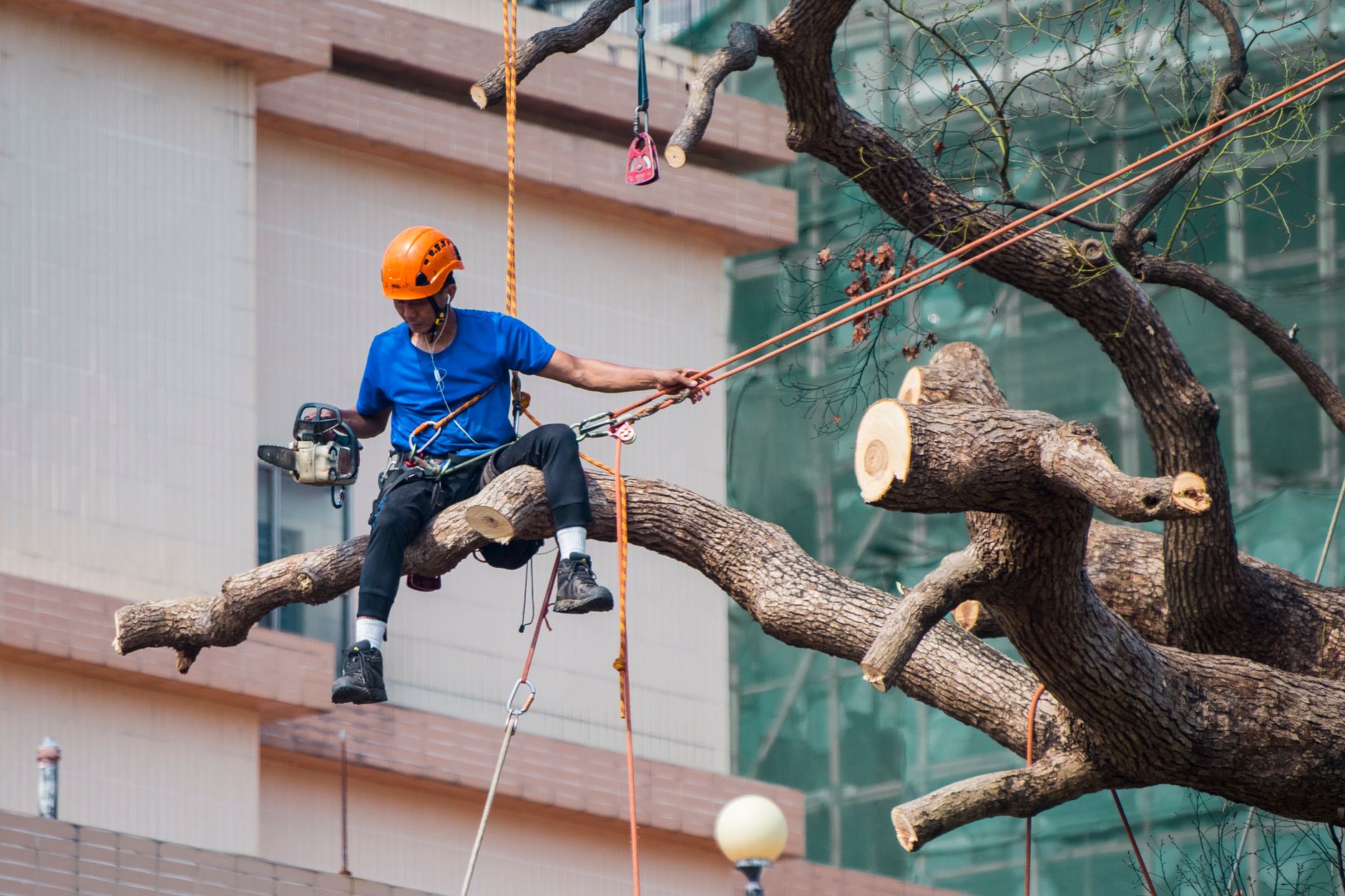
Photo by Jimmy Chan
When a Yale Cordage static rope makes sense (and when it does not)
Reach for Yale Cordage static rope in control-focused work. Position yourself in trees without drift. Ascend fixed lines quick and steady. Haul gear up high walls. Lower loads or people with exact speed.
Picture rigging a branch drop. Static rope holds firm. No stretch means you predict every move. In rescue, lower a stretcher smooth. Cavers rappel tight drops without bounce.
It fails in lead climbing. Falls there shock the rope hard. Dynamic lines absorb that force. Use static only on fixed anchors or top-rope setups. Safety first. Match rope to risk.
The key specs buyers should actually care about
Focus on specs that match your hands and job. Diameter sets the feel. Yale models run 11-13mm. Thicker grips better but weighs more.
Construction splits into cover and core. Cover is the outer braid. It fights cuts from bark or rock. Core carries most load. Yale uses polyester covers over nylon cores. Double braids like XTC stay round.
Hand and feel matter daily. XTC Spearmint has a firm, nubby grip. Kernmaster Safari flexes without hardening. Abrasion resistance lasts seasons. Tough polyester sheds dirt.
Knotability lets ties hold tight. These ropes grab prusiks well. They feed smooth through mechanical devices. Ascenders lock fast. Descenders brake even. Test with your gear first.
Understanding strength numbers, design factor, and real-world safety
Break strength lists max pull before snap. Like a truck towing limit. Say 6,200 lbs on XTC Spearmint. Working load is 10% of that. Often 620 lbs. Keeps safety high.
Yale models use a 10:1 design factor. Ten times your expected load. Haul 620 lbs max on that rope. Real safety needs more. Solid anchors hold first. Edge protection stops cuts. Inspect often.
Huge numbers tempt overload. They don’t fix bad setups. Check core wear inside braids. Frayed spots drop strength fast. Retire ropes at 50% damage. Your life counts on habits, not just specs.
Meet the lineup: popular Yale Cordage static ropes and what each one is best at
Yale Cordage static ropes come in models tuned for different jobs in the trees. You get options for smooth ascents, daily climbs, or spots with extra friction and heat. Each shares that low-stretch core you expect from Yale Cordage static rope, but they differ in feel, construction, and standout traits. Arborists pick based on their setup, like SRS or MRS, and the bark they face. Let’s break down key ones and their best fits. These profiles highlight typical use, handling, unique perks, and who grabs them.
Blue 32: the newer, smooth-handling option built with arborists in mind
Blue 32 stands out as a fresh take on Yale Cordage static rope. It feels soft and flexible right out of the bag. That gives it a lively hand without the stiffness some ropes pick up under load. It stays round under tension, so it feeds clean through pulleys and hitches.
The deep blue color pops in the canopy for quick spots. Go with the 11.7mm size for everyday tree work. It suits most mechanical ascenders and devices. Or pick 11.5mm for faster lines in competitions or speed-focused climbs. The low-profile splice slips through gear without snags.
Testers call it smooth and reliable; it keeps its shape all day. Arborists love it for SRS ascents where control matters. If you want a rope that handles like a favorite tool, this fits pros who climb long shifts.
Blue Moon and Sunburst: two different “daily driver” feels
XTC-24 construction shapes both Blue Moon and Sunburst as solid daily picks in Yale Cordage static rope. Think firmer braids with twisted polyester cores for that super-static vibe. Low stretch keeps your moves precise, but the feels split based on what you crave.
Blue Moon runs 11.7mm and delivers a balanced grip. It shines in dynamic removals or rigging with some shock. Smooth through hitches like Blake’s, it suits arborists who mix systems.
Sunburst matches at 11.7mm but swaps in a nylon core for CE EN1891 Type A nods. High-visibility colors help in busy sites. Listed specs show 6,500 lbs break strength and 650 lbs design factor, but those may vary by length and certification. Always check the product tag or data sheet for your cut.
You might grab Blue Moon for its firm, no-fuss hold on rugged days. Sunburst pulls ahead if you need that certified snap and bright sight lines. Both work as your go-to for MRS or SRS, but test the hand to match your style.
Here is what sets them apart in quick traits:
- Blue Moon: Twisted core for energy grab; blue tones; great for varied rigging.
- Sunburst: Nylon core compliance; high-vis pop; steady in certified setups.
Daily drivers like these save hassle when you climb often.
Kernmaster Safari: a tough pick for climbers who want high strength in a familiar size
Kernmaster Safari packs punch in a standard 11.7mm package. It hits 7,100 lbs break strength, so it holds up under real stress. The 48-carrier mantle sleeve wraps a parallel core of polyester and nylon. That setup absorbs shocks while staying static.
“Safari” points to visibility for outdoor work, like camo patterns in green and brown. It fights glare and blends in trees without hiding. No bounce means steady rappels or hauls.
This rope suits frequent climbers with heavier gear or rugged bark. Use it for training lines that see constant pulls. Arborists in high-demand spots grab it for SRS hitches and mechanical ascenders. The smooth cover ascends easy, and it shrugs off abrasion.
If your kit includes big loads or rough drops, Kernmaster Safari delivers without surprises. It feels familiar yet tougher than basic lines.
R.I.N.G. Rope and Scandere: when heat, friction, and long-term wear matter most
Friction devices build heat on fast descents or tight hitches. That’s where R.I.N.G. Rope and Scandere step up in the Yale Cordage static rope family. They handle prolonged wear better than standard builds.
R.I.N.G. Rope weaves Technora into the cover for heat resistance. It laughs off the burn from figure-8s or intense braking. Low-stretch keeps control sharp.
Scandere uses XTC-48 double braid with a polyester/nylon blend, plus that Technora boost. Around 11-12mm, it offers high static strength and smooth feeds. Energy absorption hits 299 ft-lbs/lb, so it takes abuse in pro work.
Expect a stiffer feel; these run more technical. They cost extra for the durability, but pay off in long hauls. Pick them for high-abrasion trees, rescue rigs, or sessions with hot descents.
Who needs these? Teams facing friction daily or spots with rock edges. Trade the soft hand for ropes that last seasons longer.
| Rope | Key Heat Trait | Best For |
|---|---|---|
| R.I.N.G. Rope | Technora cover | Fast descents, hitches |
| Scandere | XTC-48 + Technora | Pro abrasion, long wear |
Both shine when others soften up. Match to your hottest jobs.
Picking the right diameter and feel for your climbing system and devices
Your Yale Cordage static rope needs to match your setup for safe, smooth work. Diameter and feel affect speed, grip, and control in every ascent or descent. Pick wrong, and you fight the line all day. Get it right, and it becomes an extension of your hands.
Use this simple framework to decide. First, check your system: SRS favors lighter, faster ropes; MRS needs more grip for friction. Second, match your devices: hitches like prusiks grab thicker lines better; mechanical ascenders or descenders list exact diameter ranges. Third, weigh priorities: speed for comps, grip for control, durability for rough bark, visibility for teams.
Take Blue 32 as an example. Its 11.5mm version saves weight for quick SRS pulls. The 11.7mm adds grip for MRS hitches. Test both with your gear to feel the fit.
11.5mm vs 11.7mm: what changes in the real world
That small jump from 11.5mm to 11.7mm shifts handling in big ways. The 11.7mm fills your hand like a trusted tool. It cuts fatigue on long climbs and grips firm in gloves. The 11.5mm feels light and quick but can dig in during extended use.
Friction changes too. Thicker 11.7mm runs steady through hitches like Blake’s or Tautline. It needs fewer wraps and snags less. The slimmer 11.5mm speeds through mechanical devices but might slip more in dirty conditions. Add mud, and it grabs grit faster, raising wear.
Wet jobs test both. The 11.7mm sheds water and dirt better. Its jacket stays firm without packing down. The 11.5mm holds up but flattens easier under grime.
Always confirm your device’s diameter range with the maker. Test low and slow at ground level first. Pull through ascenders, run hitches, and brake descenders. Feel the difference before you trust it aloft.
How rope construction affects knots, splices, and device performance
Yale Cordage static rope uses kernmantle build. The braided cover, or mantle, shields the core inside. That core packs parallel strands of nylon or polyester for low stretch under load.
This setup keeps the rope round when you pull. It feeds smooth through pulleys and devices. Knots hold tight thanks to the cover’s grip. No slip means reliable prusiks or anchors.
Splices beat knots for low bulk. A low-profile splice tapers thin. It slides easy through mechanical ascenders or shuttles without hang-ups. Strength stays high, and drag drops.
Buy professionally spliced ends when you can. They come clean and tapered for rigging or rescue. Follow Yale’s guidance on lengths and methods. Skip DIY if your job demands perfection. Your setup runs cleaner that way.
Visibility, color, and jobsite safety are not just looks
Color on Yale Cordage static rope aids real safety. Deep blue like Blue 32 pops in green canopies. You spot it quick amid branches. Sunburst’s orange or yellow stands out on ground crews or urban sites.
Bright hues prevent mishaps. Chainsaw users see the line clear and avoid cuts. Ground teams steer clear to prevent run-overs. In thick brush, you don’t lose the end during hauls.
Darker shades have a place too. Deep blue cuts glare on sunny days. It suits personal taste in low-light caves or forests. Pick what fits your site without chasing trends.
Test colors in your work zone. Visibility saves time and trouble. Pair it with your priorities, and the rope works for you every shift.
Safe use and long rope life: simple habits that prevent costly mistakes
Your Yale Cordage static rope lasts longer when you build smart habits into every job. Simple checks and care steps stop wear before it starts. You avoid weak spots that lead to slips or breaks. Think of it like checking your
Conclusion
Yale Cordage static rope gives you control in tree work, rescues, and caves. Match the type to your task for best results. Static lines excel in ascents, hauls, and lowers where bounce hurts.
Pick diameter by your devices and hand feel. Go 11.5mm for speed in comps or SRS. Choose 11.7mm for grip in MRS or long shifts. Test how it runs through ascenders and hitches.
Select models based on your needs. Grab Blue 32 or Blue Moon for daily climbs. Kernmaster Safari handles heavy loads. R.I.N.G. Rope or Scandere fights heat and friction.
Good habits keep it strong. Inspect for cuts or core wear. Use edge guards. Clean after dirty jobs. Retire at half strength.
Match your rope right, and it boosts safety every time. Check your device diameter range now. Read the exact rope tag or data sheet. Run a controlled test climb or lower on the ground first. Then take it to the job with full trust. Your setup deserves it.
Back to Trad Climbing Static Ropes
Recommended Climbing Rope Equipment
These products can support safer climbing, belaying, rappelling, and emergency readiness.
Affiliate disclosure: As an Amazon Associate, TradClimbers may earn from qualifying purchases at no additional cost to you.