
Sampson Static Rope
Back to Trad Climbing Safety
Picture this: you’re an arborist halfway up a tall oak, positioning your gear for a precise cut. One wrong bounce could throw off your balance. That’s where Sampson static rope shines.
Static rope means low stretch, usually under 5% under load. It gives you solid control for descents, hauls, or holding position. No bouncy surprises like you’d get from dynamic climbing rope, which stretches 25% or more to catch falls.
Arborists love it for tree access. Rescue teams use it to lower people safely. Cavers rely on it for steady drops into the dark. Riggers pick it for hauling heavy loads without elongation.
This isn’t a swap for dynamic rope, though. It won’t absorb lead falls; that could cause serious injury. Stick to dynamic for climbing protection.
In this guide, you’ll learn what Sampson static rope offers, why pros choose it, how to select the right model and size, safe use tips, and care basics to keep it reliable.
What makes Sampson static rope different from other ropes
Sampson static rope sets itself apart with its kernmantle construction. Picture a strong core of high-tenacity nylon fibers bundled inside a braided polyester cover. The nylon core delivers reliable strength and low stretch. The polyester sheath adds abrasion resistance and smooth handling. This combo makes the rope tough for tree work or rescue tasks yet firm enough to trust.
You get efficiency too. Low stretch keeps your movements predictable during ascents or hauls. No energy wasted on rope bounce. But it won’t cushion big lead falls like dynamic ropes do. Save those for sport climbing.
Users notice the difference right away in real jobs. Let’s break it down.
Static vs dynamic, when low stretch is a good thing (and when it is not)
Low stretch means the rope elongates less than 5% under heavy load, often around 3% for Sampson models. Dynamic ropes stretch 25% or more to absorb shock.
This low stretch pays off in rappelling. You control your speed without bounce throwing you off. Hauling feels smooth too; loads rise steadily without rope give. In SRT climbing, like single-rope technique, it lets you ascend with less effort since the rope stays taut.
Take these examples. On long drops over 100 feet, static rope cuts bounce that could tire you or swing you into the wall. Hauling branches in arborist work goes faster; no stretch means direct pull power. Rescue lowers stay precise, keeping victims steady.
But static rope has limits. It does not catch big lead falls. Use it that way, and the force could snap gear or hurt you. Always match it to your system. Follow NFPA or ANSI standards for safety.
Handling and feel, why some people love the stiffness
Stiff Sampson static rope gives clean feedback. Ascents feel solid; your feet lock in without slip. Devices like ascenders or descenders tend smoothly since the rope resists bunching.
Arborists say it shines in positioning. You hold cuts steady high up. The firmness helps hitches grip just right.
Tradeoffs exist. Stiffness can lead to cabling, where the rope twists tight like a phone cord. This happens in twisted setups or wet conditions. Cabling annoys because it feeds poorly into devices. Kinks form, risking snags or poor friction. It might jam your brake or slow your progress.
Fix it with proper coiling and untangling before use. Many love the feel anyway. The control beats floppy ropes for pros.
Key specs to understand before you buy
Look at the Mercury 11 mm (7/16 inch) model to get it. Diameter hits 11 mm for a balance of strength and weight.
It weighs about 6 pounds per 100 feet. Light enough to carry up trees yet burly for jobs.
Tensile strength reaches 8,600 pounds minimum. But focus on working load limit, around 860 to 1,720 pounds. This matters daily. It sets safe daily pulls, often 10-20% of break strength. Exceed it, and you risk fatigue or failure over time.
Stretch sits at 3.2-3.7% at 10% of break strength. Perfect for control, not shock.
One note: it sinks in water. Nylon core and polyester cover both have high specific gravity. Great for wet rappels or river work; no float issues snag your gear.
| Spec | Value | Why It Matters |
|---|---|---|
| Diameter | 11 mm (7/16 in) | Fits most devices |
| Weight | 6 lbs/100 ft | Easy to handle |
| Tensile Strength | 8,600 lbs | Raw power |
| Working Load | 860-1,720 lbs | Everyday safety |
| Stretch at 10% Load | 3.2-3.7% | Predictable control |
These specs make Sampson static rope a workhorse. Pick based on your needs.
Picking the right Sampson static rope for your job
You face choices with Sampson static rope. Match the model to your work, gear, and rules. Start with your main tasks like SRT tree climbing or rescue hauls. Check what your devices need for diameter. See if your team follows NFPA or EN standards. Last, pick length and size. This path keeps things simple and safe.
Think about common setups. Arborists grab Mercury for daily tree access. Rescue pros pick NFPA-rated lines for low stretch under load. Your devices set the diameter limit. Add extra length for safety margins. Let’s look at top options.
Mercury and Mercury CE, the everyday workhorse for SRT and more
Mercury suits most users who need reliable static rope without fuss. Arborists use it for SRT tree access; the low stretch holds your position steady during cuts. It works for general static jobs like rigging or caving drops. Some rescue teams pick it too, but only if it meets your local standards.
Go for the 11 mm diameter as your go-to; it balances strength and handling. Thicker XL versions exist for heavier hauls where you want more beef. Buyers often see lengths like 120 ft, 150 ft, 200 ft, or 600 ft reels. These fit solo climbs or team kits.
Mercury does not splice well on site. Order it with sewn eyes instead. That means factory-stitched loops at each end. You clip them straight into harnesses or anchors. No knots to tie or inspect later. Just check the stitching before each use. It saves time and boosts safety for repeat jobs.
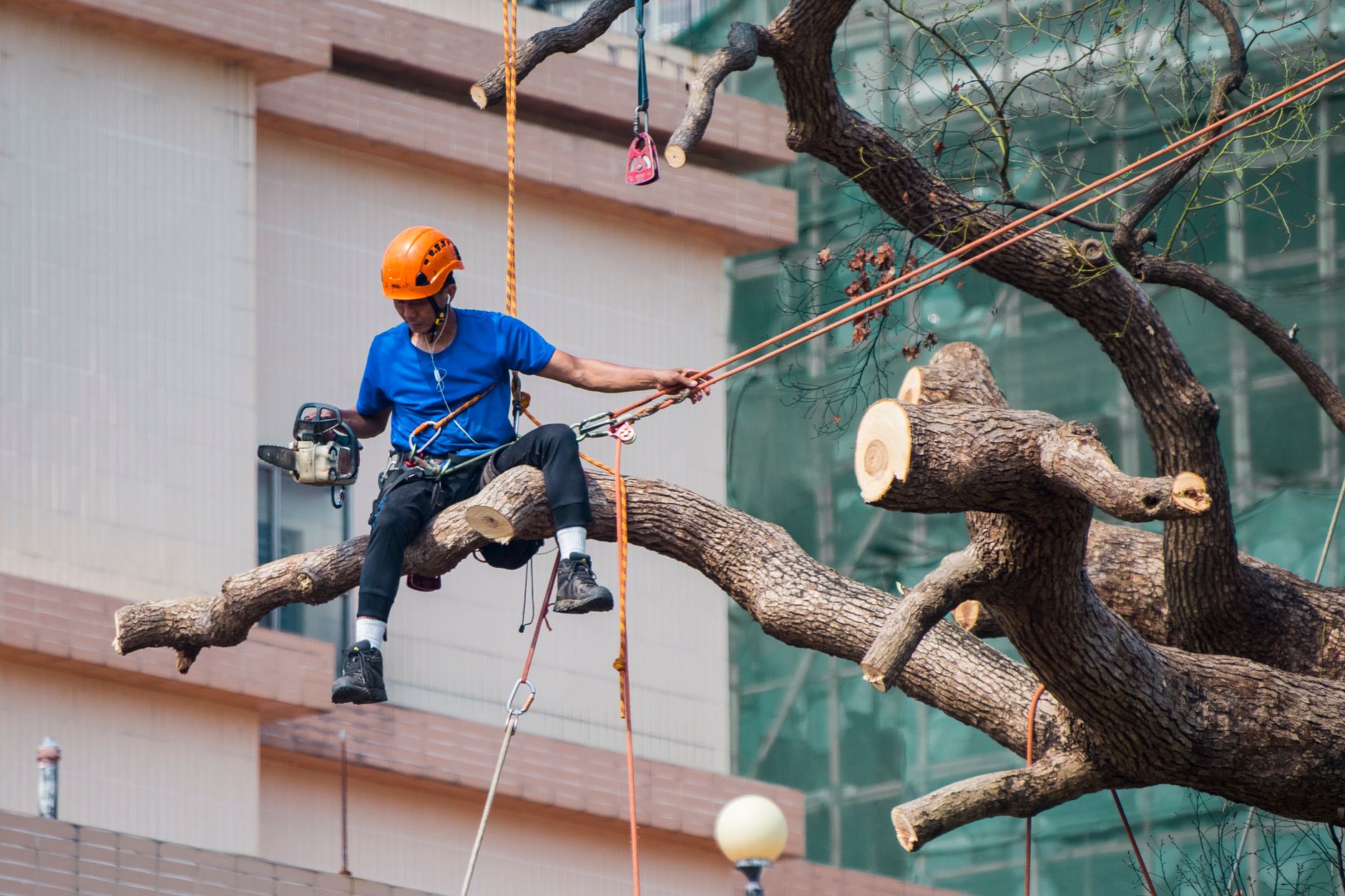
Photo by Jimmy Chan
HyperStatic and other NFPA focused lines, when you need extra low stretch and standards support
Step up to technical rescue, and standards rule everything. You get full documentation for inspections. Teams stay consistent with certified gear. HyperStatic leads here with its very low stretch and NFPA 2500 compliance. Other Sampson static kernmantle lines hit NFPA 1983 or 2500 too, plus ANSI Z133 for arborist work.
Low stretch shines in hauls; you pull loads without rope give eating your effort. Edge transitions stay smooth on rock or roof edges. No bounce throws off your rhythm. Picture hauling a stretcher up a cliff: the rope stays taut, so progress feels direct.
But low stretch does not replace other safety layers. Always rig solid anchors. Use proper fall protection like backups or belays. These ropes handle the job, yet your setup decides if it works.
What diameter and length should you choose for your setup
Start with diameter based on your devices. 11 mm hits the sweet spot; it grips well in ascenders and descenders. Most gear plays nice with it. Smaller sizes cut weight for light packs, but they slip in some older devices. Larger ones add durability for rough edges; expect more heft though.
For length, add your max work height to a safety buffer. Double the height covers redirects and pulls. Factor in team needs or training slack.
Consider these setups:
- Solo arborist starter: Grab 150 to 200 ft of 11 mm Mercury. It handles 100 ft trees with room for redirects. Light to carry, fits one pack.
- Team rescue or training reel: Pick 600 ft of NFPA HyperStatic. Enough for deep caves, high rises, or practice runs. Share it across jobs.
Test your combo on ground first. Match rope to prusiks, pulleys, and carabiners. Your rig runs best when everything fits tight.
How to use Sampson static rope safely with common systems and devices
You can trust Sampson static rope in tough spots, but pair it right with your gear and follow your training. Start with solid anchors; use redundant points like multiple bolts or trees that each hold the full load. Match the rope to devices such as ascenders for climbing up, descenders like figure-8s or racks for controlled drops, progress capture pulleys for hauls, and friction hitches like prusiks for backups. Test everything on the ground first. Your organization’s standard operating procedures (SOPs) and device manuals guide the setup. Stay safe by inspecting gear before each use and keeping backups in play.
Best use cases: SRT access, rappelling, hauling, and high angle work
Sampson static rope excels where you need steady control. Its low stretch under 5% cuts bounce and keeps pulls efficient.
In tree climbing with SRT, you ascend a single fixed line using ascenders. The rope stays taut, so your footloop or knee ascender locks firm without wasted bounce. You position steady for cuts high up.
For rappelling, descenders grip smooth on the firm line. No stretch means you brake with precision, even on long drops over 100 feet. It beats dynamic rope that rebounds and tires you out.
Hauling gear or loads works direct with progress capture devices. Pulls transfer straight to the load since the rope does not elongate much. Teams move heavy branches or rescue litters faster.
High angle work, like caving drops or rescue lifelines, demands the same control. The rope holds your spot without give, so you work hands-free or lower victims steady. Static supports positioning and access, not fall catches from lead climbing.
These cases shine because the rope gives predictable feedback. You focus on the job, not fighting stretch.
Avoid these common mistakes that shorten rope life or create risk
Rope damage sneaks up fast if you skip basics. Spot issues early to keep your Sampson static rope reliable.
Running the rope over sharp edges without padding cuts the sheath quick. Always add rope protectors or redirect away from rock or metal.
Chemical contamination from fuels, oils, or solvents weakens fibers over time. Wash off dirt right away and store in a clean, dry spot.
Heat from fast descents frays the cover if you brake hard on friction devices. Control your speed to stay under 200 degrees Fahrenheit.
Loading across knots incorrectly spikes stress on strands. Dress knots snug and load them in line, or use sewn ends.
Mixing incompatible devices causes slips or jams. Test ascenders and hitches on your rope diameter first; 11 mm fits most, but check specs.
Twist builds into cabling, like a tight coil that feeds poorly. Coil figure-8 style, let the rope relax flat before use, and skip twisted pulley setups. Untwist often to avoid snags in descenders.
Follow these steps, and your rope lasts longer. Inspect after every job.
Sewn eyes, knots, and end management, keeping things simple and strong
Teams pick sewn eyes on Sampson static rope for factory loops that terminate clean. They rig fast to harnesses or anchors with carabiners, and strength stays near 100% with burred stitching you inspect easy. No guesswork on knot ties.
Knots offer flex; you adjust on site. But they drop strength 20-40%, bulk up in systems, and snag if loose. Use them simple, like bowlines for anchors.
Keep ends strong with this quick checklist:
- Whip or heat seal raw ends per Sampson specs to stop fraying.
- Mark ends with color tape or tags for length tracking.
- Clean ends after use; dirt grinds fibers.
- Store in rope bags to block UV, dirt, and twists.
Simple habits build trust in your setup. Match to your SOPs, and you stay solid.
Care, inspection, and smart buying tips so your rope lasts
You invest in Sampson static rope for tough jobs, so treat it right to get years of service. Simple habits like quick checks, clean storage, and smart buys prevent early retirement. Skip them, and you risk failure mid-haul or climb. Let’s cover the basics you need.
A quick inspection routine you can do every time
Inspect your Sampson static rope before each use. It takes two minutes but spots trouble early. Run your hands along the full length in good light. Look, feel, and flex as you go.
Follow these steps:
- Look for surface damage: Check for glazing (shiny worn spots), flat spots, cuts, or fuzz deeper than light wear. Deep cuts mean retire it.
- Feel for issues inside: Probe for soft or hard lumps; they signal core damage from impacts or pulls. Sheath slippage shows if the cover slides over the core.
- Flex and bend: Bend sections sharply. Stiff spots or cracks point to hidden weakness.
Log everything in a notebook or app. Note the date put in service, major events like big hauls, and cleaning dates. Share it with your team. If damage appears, cut out the bad section or retire the rope. Fuzz or lumps deeper than the sheath thickness? That’s your sign to stop using it.
Cleaning and storage, what helps and what hurts
Dirt grinds like sandpaper inside the sheath, so clean after dirty jobs. Grit shortens Sampson static rope life fast by abrading fibers.
Wash with mild soap and lukewarm water. Scrub gently by hand or coil it in a pillowcase for a machine on delicate. Rinse twice to remove soap. Air dry flat or hung loose, away from direct sun or heat sources. UV rays and high temps weaken nylon and polyester.
Store cool and dry. Avoid gas, oils, or solvents; they break down fibers over time. Use rope bags to block dirt and sunlight. At job sites, keep it off the ground. Drape it over clean anchors or your pack.
Bad storage twists the rope into cabling. Good habits keep it supple and strong.
Buying checklist: certifications, compatibility, and where to spend your money
Pick Sampson static rope that fits your work and gear. Use this checklist to avoid regrets.
- Confirm standards: Get EN 1891 Type A for general use or NFPA 1983/2500 for rescue. Arborists often need ANSI Z133 too.
- Match diameter to devices: 11 mm works with most ascenders, descenders, and hitches.
- Choose length for your spots: 150-200 ft for trees, 600 ft for teams or deep work.
- Pick ends: Sewn eyes for quick setups; raw ends if you splice or knot.
- Buy from arborist or rescue suppliers: They cut to length, add labels, and certify properly.
For context, Mercury CE listings in early 2026 ran from about $118 for 120 ft short lengths up to $590 for 600 ft reels. Check current retailer prices since they shift with stock and options. Spend on quality from trusted spots; cheap knockoffs fail fast. Your safety depends on it.
Conclusion
Sampson static rope stands out with its durable polyester sheath, strong nylon core, and low stretch that delivers precise handling for tree work, rescues, and hauls. Pros pick models like the everyday Mercury or CE versions for SRT access, while NFPA-focused lines such as HyperStatic suit high-stakes teams. Strength numbers grab attention, but safety and gear compatibility keep you solid; match diameter to your ascenders and descenders first.
You get reliable control without bounce, yet it demands proper anchors, backups, and checks to shine.
Ready to gear up? List your main use case, confirm needed standards like NFPA or ANSI, check your devices’ range, select the right diameter and length, then commit to inspections and care routines. Your Sampson static rope will serve you well for years. Grab one today and tackle your next job with confidence.
Back to Trad Climbing Static Ropes
Recommended Climbing Rope Equipment
These products can support safer climbing, belaying, rappelling, and emergency readiness.
Affiliate disclosure: As an Amazon Associate, TradClimbers may earn from qualifying purchases at no additional cost to you.