
Marlow Static Rope: Specs, Models, and Key Uses
Back to Trad Climbing Gear Reviews
Picture this: a caver edges down a pitch-black pit, headlamp cutting through the void, her life on a single line that won’t budge an inch under strain. Or a rescue team hauls heavy gear up a sheer cliff in a storm, every pull demanding rock-solid stability. In those moments, Marlow static rope shines as the go-to choice.
This low-stretch kernmantle rope, built from high-tenacity nylon, handles rope access, caving, abseiling, and rescue with ease. It’s not your bouncy climbing line. Marlow static rope keeps things tight for precise control.
Its core strength comes from minimal elongation, so you get exact feedback without unwanted bounce. It packs serious break loads, like 3,410 kg on the 10.5mm model, and holds CE EN 1891 Type A certification, exceeding safety standards. That means top reliability when lives hang in the balance.
You’ll see why it trumps dynamic ropes, which stretch to catch falls but flop in rigging or work positioning. We cover key features, popular models in 10.5mm and 11mm diameters, real-world uses, and specs that matter. Stick around to pick the right Marlow static rope for your next drop.
What Makes Marlow Static Ropes Built to Last
When you pick a Marlow static rope, you’re choosing reliability built into every meter. These lines are designed for precision work, harsh conditions, and long service life. You’ll notice a steady, controlled feel under load, with strong performance in the ascent, descent, and rigging scenarios that demand steadiness. The construction emphasizes low stretch, abrasion resistance, and predictable feedback, so you know exactly when a load is changing or a device is shifting. That predictability is what many professionals count on when lives or heavy gear are on the line. In short, Marlow static rope is built to stay taut, resist wear, and perform consistently season after season.
Strength and Durability You Can Trust
Marlow static ropes are engineered for high strength tests that exceed standard EN 1891 requirements. A prime example is the 11 mm variant, which delivers solid break loads in the vicinity of 3,600 kg, with some models testing even higher across batches.
The rope’s low elongation translates to precise control during work positioning and rigging, almost like stepping onto a steady ladder rather than bouncing on a trampoline. This reliability translates into real-world confidence: pull after pull, you’ll feel the same resistance and know exactly how much tension you’re applying. The core is built from twisted nylon strands with a braided sheath, delivering durable wear resistance while preserving core strength. Visible year markers and color options also help you track usage and ensure the right rope is on hand for the job.
User-Friendly Design Features
Marlow static rope designs emphasize compatibility with common access gear while keeping control intuitive in the moment. The low elongation means ascenders, descenders, and rigging devices perform with crisp feedback, reducing overrun and drift.
Color options improve visibility in low-light conditions and aid safety protocols on busy sites. Some ends come finished with practical options like sewn eyes or figure-8 knots, adding convenient termination choices for quick setup or quick replacement.
This combination of reliable control and thoughtful finishes makes Marlow static rope a practical choice for utilities, industrial access, cave work, and rescue operations, where you need a line you can trust when the pressure is on.
Top Marlow Static Rope Models for Every Need
When you’re choosing a static rope, the job and environment drive the choice. Marlow offers a range of models that cover cave work, industrial access, rescue scenarios, and tactical environments. Below are practical picks you can rely on, with quick specs to help you match the rope to the task.
Static LSK: The Go-To for Caving and Access
The Static LSK is a workhorse for tight spaces and harsh spots. Its low-stretch core keeps you in crisp contact with your device and line, which matters when you’re inching along a dark pitch or suspending a load in a confined shaft. Key specs and fitments you’ll care about:
- Diameters and weight per meter:
- 10.5mm • ~67 g/m
- 11mm • ~74 g/m
- Break loads:
- 10.5mm: about 3,410 kg
- 11mm: about 3,600 kg
- Colors: Black, blue, red, yellow, orange, green, white
- Certifications: EN 1891 Type A; CE certified
- Best uses: Rope access, work positioning, caving, abseiling
Why it shines in the dark and at height: the rope’s predictable elongation and strong abrasion resistance make it easy to rig and trust when visibility is low. Its finish options and year markers help crews track usage and keep gear organized on demanding sites.
Aeris and ProSafe: Climbing and Rescue Favorites
When speed and safety collide in rescue or climbing setups, two models stand out. Aeris is the lighter option, designed for climbing where weight matters, while ProSafe brings heavy-duty certification for positioning and rescue work. Quick contrasts:
- Aeris (11mm Type A, lightweight):
- Emphasizes low profile and easy handling
- Ideal for sport climbs, long hangs where weight saves energy
- EN Type A compatibility helps with standard access gear
- ProSafe (11mm, CE/NFPA certified):
- Built for professional positioning and rescue
- Higher confidence in load sharing and device interaction
- Robust construction to endure frequent rigging cycles
Choose Aeris when you need a nimble rope for regular ascent and work positioning. Opt for ProSafe when you anticipate demanding loads, real-time rescue scenarios, or strict certification requirements.
Specialty Options Like Stealthline
For tougher environments and specialty missions, Stealthline and similar options dial in the balance between stealth, durability, and weight. Stealthline is a 9mm option known for its rugged, tactical-ready profile, making it suitable for stealthy access or outdoor missions where gear needs to survive rough handling. For teams needing a broader toolkit, consider the Tactical Access line for defense or rescue applications and an 11mm Abseil rope for everyday abseiling with enhanced abrasion resistance. These specialty options ensure you have a rope that can handle harsh weather, tight corners, and frequent rigging with minimal compromise.
Real-World Ways Marlow Static Ropes Deliver
Marlow static ropes have earned their keep in a wide range of real-world scenarios. From tight caving routes to critical rescue operations, their low stretch and predictable handling give teams the confidence to perform precise tasks under pressure. Below are two focused perspectives that capture how these ropes shine when it matters most.
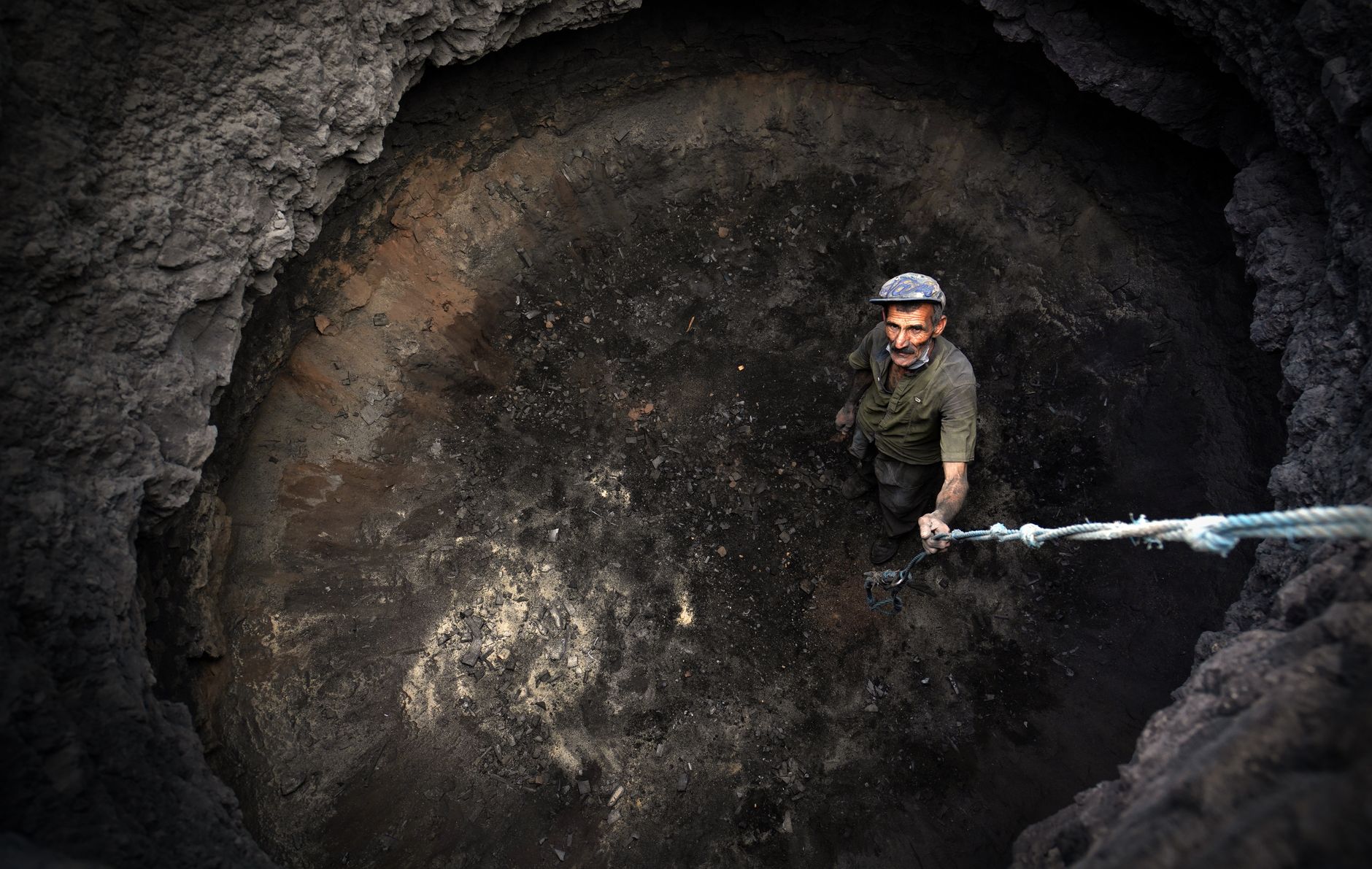
Photo by Marjan Taghipour
Conquering Caves and Abseils with Ease
In cave systems, where every meter counts and light is scarce, low stretch is a real advantage. A caver descending a narrow pitch needs to feel the rope respond precisely to her weight shifts, not sag or snap unpredictably. With a marlow static rope, the feedback is crisp: you know exactly how much tension you’re applying as you ease past constrictions or set a belay. This reliability reduces the risk of snagging, overrun, or missed anchors during delicate moves. Think of it as a steady tether that stays taut through long hangs and tight abseils, letting you focus on line placement and footwork rather than compensating for rope bounce.
The practicality goes beyond handling. Color options and visible year markers help teams quickly identify the right rope on a crowded rack or during a multi-pit expedition. In low-light scenes, the rope’s predictable elongation supports safer rigging, as devices like ascenders and descenders respond consistently. For anyone working tight spaces, the combination of grip, control, and abrasion resistance makes marlow static rope a dependable partner on every cave expedition.
Rescue and Rigging Reliability
Rescue scenarios demand certifiable strength and repeatable behavior under load. NFPA and EN 1891 Type A certifications mean teams gain confidence that the rope will perform under harsh rigging cycles, aggressive pulls, and dynamic positioning tasks. In a night rescue with reflective gear, you want a rope that doesn’t drift or stretch unpredictably as you haul heavy equipment or survivors. A marlow static rope delivers that steady feel, enabling precise placement of anchors and reliable friction on blocks and pulleys.
Beyond certification, the rope’s construction supports robust rigging work. The low elongation means you can rig complex systems without worrying about sudden line extension that shifts loads or compromises device alignment. This predictability translates into faster, safer operations where every move matters. In fire service or industrial settings, it’s the difference between a controlled ascent and a tense, uncertain lift. With strong break loads and durable protection against wear, marlow static rope is trusted for rescue backups, work positioning, and repeated rigging cycles.
Marlow Static Ropes vs. Dynamic: When Statics Win Big
When you’re choosing rope for a job, it helps to separate what static ropes do from what dynamic ones are built for. Marlow static rope sits on the fixed, predictable side of the spectrum. It stays taut under load, giving you precise control during rigging, positioning, and hauling. Dynamic ropes, by contrast, are designed to catch falls and absorb energy, which changes the feel of a climb or ascent. Understanding these differences helps you pick the right line for the task at hand and avoid surprises on the job.
Key Differences in Stretch and Performance
Static ropes like Marlow have very little elongation. In practical terms, they stretch less than 5 percent under normal loads, with some variants around 3 percent. That tiny amount of give translates into a steady, predictable line for positioning and hauling. Dynamic ropes are the opposite. They typically elongate about 7 to 10 percent during regular use and can stretch dramatically more, up to 25 to 35 percent in a hard fall. That energy absorption is what makes dynamic lines ideal for catching falls, but it also means less stability when you’re rigging or moving heavy loads.
Think of it this way: a static rope is like a firm rope bridge that stays put as you cross, giving you solid footing and exact feedback from every pull. A dynamic rope acts like a bungee cord, absorbing energy and allowing some bounce. That energy absorption protects climbers during a fall, but it also means more movement in rigging, which can complicate precise device placement. For work where falls aren’t expected or where you need constant tension, the static rope wins. When falls are possible, the dynamic rope helps manage impact forces.
Scenarios Where Statics Outperform
There are clear moments when statics shine. For positioning and work where you hold a load steady, low elongation translates to crisp control. Hauling heavy gear or survivors can be more predictable when the line stays taut, helping you maintain anchor alignment and device efficiency. Abseiling with a controlled descent benefits from the firm feedback you get from a static rope, reducing drift and bounce as you lower loads or yourself. In lead climbing, however, this is the one arena where statics are not recommended; there, you need energy absorption to soften the fall.
For rescue and rigging tasks, the reliability of a static rope matters. When a system needs repeatable behavior over many rigging cycles, low stretch means you can reproduce the same setup each time. In cave work or industrial access, the combination of predictable elongation, durable construction, and clear feedback makes Marlow static rope a dependable choice. If there’s any likelihood of a fall or dynamic loading, you’ll want to pair your setup with the right dynamic option, or strictly limit the static line to what it’s designed to handle.
Conclusion
Marlow static rope stands out for its durable construction, precise handling, and versatility across cave work, rope access, rescue, and industrial rigging. The low elongation and strong abrasion resistance mean you get steady feedback under load, predictable behavior during rigging, and dependable performance after months of service in harsh environments. When you pair these ropes with the right gear, you gain confidence in every move, from controlled descents to exact anchor placement and load sharing.
If you’re planning your next project, check retailers like NovaSupply for available lengths, diameters, and pricing to find the best fit for your needs. Regular inspection and proper maintenance are essential to keep your marlow static rope performing at peak, so schedule periodic sheath wear checks, end termination verification, and storage in a cool, dry place away from direct sunlight. This approach ensures the rope remains reliable on repeat missions and long deployments.
With the right Marlow static rope on your team, you’ll move with steadier, more efficient rhythm on every ascent, descent, or rigging task. Here’s to safer climbs, smoother rigging, and the quiet assurance that your line will hold fast when it matters most.
Back to Trad Climbing Static Ropes
Recommended Climbing Rope Equipment
These products can support safer climbing, belaying, rappelling, and emergency readiness.
Affiliate disclosure: As an Amazon Associate, TradClimbers may earn from qualifying purchases at no additional cost to you.