
Marlow Offshore Static Rope Benefits
Back to Trad Climbing Destinations
A rope access technician on an offshore rig faced a sudden wall of wind and spray as a storm rolled in. With waves pounding the hull and gusts ripping at his lines, the team trusted one constant above all else—the reliability of Marlow Offshore static rope. In that split second, it proved to be more than just gear; it was a steadying factor that kept a dangerous situation from turning worse.
What makes this rope special is its low stretch design. It uses a kernmantle construction, a strong core wrapped in a tough outer sheath, so it stays predictably taut when you’re working at height. For offshore crews and wind turbine teams, that means steadier positioning, less energy wasted fighting the rope, and fewer unexpected shifts that can lead to slips or missteps. It’s a practical difference you can feel when you’re guiding harnesses, passing a tool, or pulling yourself up a vertical ladder in rough seas.
Marlow Offshore static rope is built for the kind of days that test even seasoned pros. It comes in multiple diameters and is CE certified for safety, but the real value shows up in performance under load. When every second counts, the rope’s minimal elongation helps you stay where you’re supposed to be, reduces wear on your equipment, and makes transitions smoother. For offshore work and wind turbine maintenance, that reliability translates into safer operations and more productive days.
If you’re selecting gear for rope access, work positioning, or rescue scenarios, understanding the benefits of a low stretch rope matters. This is especially true as 2026 brings higher demands for durable, dependable equipment in harsh marine environments. In the sections ahead, you’ll see how Marlow Offshore static rope stacks up in real-world conditions, what to look for in a high-performing static rope, and practical tips to keep it performing at its best.
Why Marlow Offshore Static Rope Excels in Tough Conditions
When conditions turn harsh at sea, you want gear you can trust. Marlow Offshore Static Rope is designed to stay steadier under load, absorb shocks, and stand up to marine wear. Below you’ll find three focused takeaways that explain why this rope excels in demanding offshore environments.
Low Stretch and Energy Absorption for Safer Falls
In rough seas, predictability matters more than anything. This rope uses a kernmantle design with a twisted nylon core wrapped by a robust 16-plait nylon sheath. The combination keeps the rope firm under load while still cushioning falls better than stiffer alternatives.
Expect only about 1–2% elongation under typical work loads, which translates to steady positioning and fewer unexpected movements that could lead to slips. The result is a safer, more controlled ascent or descent during offshore operations, where every second counts. An 11 mm diameter example demonstrates how the balance of rigidity and give helps you guide harnesses and tools with confidence, even when spray and wind are relentless.
Built Tough with Nylon Core and Sheath
Material choices are the backbone of performance. The strong nylon core delivers reliable strength, while the sheath shields the core from abrasion and wear against gear, edges, and rig components. This builds resilience into every meter of rope, essential for long days on offshore platforms and wind turbines.
High break loads around 35 kN mean you have a substantial safety margin for typical rope access setups. The sheath’s protection helps extend rope life in harsh marine environments, where salt, grit, and repeated handling can wear ropes down quickly. The result is a rope that remains dependable from first light to last shift, and that holds up under repeated passes through clips, descenders, and ascenders.
Easy to Use with Your Gear
Compatibility matters as much as raw strength. Marlow Offshore Static Rope works seamlessly with your existing gear—descenders, ascenders, and climbing tools—so you don’t have to stock specialized equipment. Color options enhance visibility in low light, rain, or spray, making it easier to track the rope during critical movements.
End markers and year markers help crews manage inspection schedules and plan replacements before issues arise. In practice, you’ll find the rope smooth to handle, easy to coil, and straightforward to inspect, which reduces setup time and keeps teams focused on the task at hand rather than rope logistics.
Detailed Specs That Matter for Your Next Project
When you’re planning an offshore rope job, knowing the exact specs of your low-stretch rope makes the difference between smooth operations and gear-related delays. This section breaks down the key numbers you’ll rely on every day, with practical notes on how they affect real work offshore. You’ll see how the Marlow Offshore static rope compares to other Marlow options like ProSafe, and what those figures mean for handling, safety margins, and tool setup on deck.
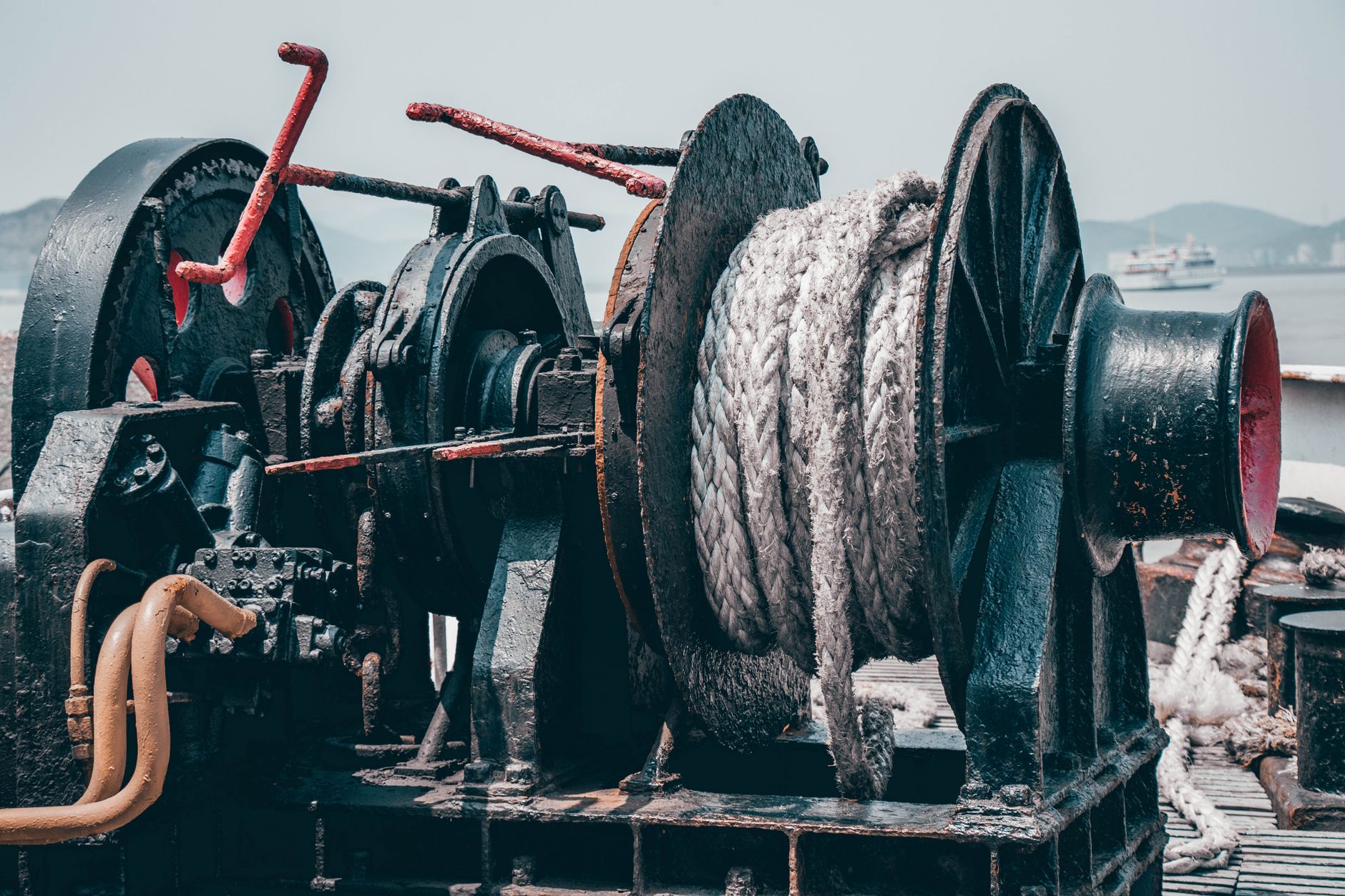 Photo by hao kaito
Size, Weight, and Strength Breakdown
The 11 mm diameter is the workhorse for offshore rope access, balancing reasonable heft with manageability. Here’s what to expect and why it matters in the field:
- Diameter and weight: 11 mm rope typically weighs about 73 to 83 g per meter. That range translates to a rope that’s hefty enough to stay taut under load but not so heavy you struggle with long distances or repeated coil-and-carry tasks on a rig or vessel.
- Break load: Around 35.3 kN, which provides a solid safety margin for most rope access setups. This is critical when you calculate fall factors, anchor point ratings, and the combined loads from a system with descenders, ascenders, and backup devices.
- Lengths available: 50–200 meters in common offshore reels. Longer lengths reduce reel changes and minimize splicing, while shorter lengths can simplify inventory and handling in tight rig spaces.
- Why these numbers matter: A predictable, moderate weight makes hauling and controlling the rope easier in rough conditions. A strong break load ensures you have a margin for dynamic loads without overbuilding to the point of stiffness. The 11 mm size keeps you in a sweet spot for both maneuverability and performance, especially when you’re guiding tools, positioning, or performing rescue-ready moves.
- Practical tip: In a real day on deck, lighter lengths let you move faster between stations, while the higher break load keeps your safety buffer intact during complex moves or pass-throughs with multiple pieces of gear.
Certification and Length Options
Safety and compliance drive offshore gear choices. Here’s how the EN standards and available lengths shape your procurement and planning:
- Certification: EN 1891 Type A. This means the rope has been tested for high-strength performance with a focus on stability under load and resistance to elongation. For offshore work, that translates to more predictable behavior when you’re under load in waves and wind.
- Length options: Available in 50, 100, and 200 meter reels. Shorter reels are excellent for quick tasks and frequent inspections, while 200 meter reels reduce the need for frequent changes out on wide platforms or long climb routes.
- Why it matters on the job: Consistent EN 1891 Type A certification across lengths helps standardize inspections, training, and compatibility with your entire rope access kit. It also makes it easier to compare against other Marlow static lines, such as ProSafe, when planning a multi-rope system.
- Real-world impact: With consistent certification, you can plan tool movement and ascent sequences with confidence, knowing the rope will perform as expected when you’re working in spray, wind, and variable deck loads.
Top Uses from Offshore Rigs to Wind Turbines
Offshore work demands rope systems that stay dependable when the weather turns rough and the job gets technical. This section maps the broad range of applications where Marlow Offshore static rope shines, from high-precision rope access on oil platforms to controlled descents during turbine maintenance, and even challenging environments like caves or busy industrial facilities. You’ll see real-world scenarios, practical tips, and the safety margins these ropes provide in tough conditions.
Rope Access and Abseiling Essentials
When technicians need to reach, work, and return safely from height, a low-stretch rope is a trusted ally. In offshore settings, a steady line means easier tool handling, precise positioning, and smoother transitions between anchors. Abseiling becomes controlled rather than successor to chaos, with less rope bounce and fewer unexpected drops in wind and spray.
The Marlow Offshore static rope keeps your weight, gear, and lines predictable, so your focus stays on the task at hand. It’s a practical choice for routine inspections, deck-level repairs, and any scenario where you must pause, assess, and move again without fighting the rope. In environments like oil platforms and wind turbines, the combination of kernmantle design and minimal elongation translates to safer descents and quicker, cleaner rig transfers.
Offshore and Rescue Scenarios
On offshore rigs and wind farms, emergencies demand gear you trust under pressure. Offshore rescue operations benefit from a rope that stays taut under dynamic loads and resists abrasion against sharp edges, railing corners, and deck hardware. In emergency pulls, the rope’s low stretch supports controlled pulls and steadier line management, helping rescuers lower or raise a person with confidence.
For turbine blade access and maintenance, a dependable static line reduces the risk of snagging or drift during critical moves. Whether you’re anchoring a safety system, performing a high-altitude lift, or executing a rapid rendezvous with a contractor, this rope provides a reliable platform for decisive action and rapid response.
Caving and Industrial Access
Beyond the water, the same low-stretch performance translates well to caves and factories. In cave systems, where vertical drops and tight passages are common, predictable rope behavior matters for both safety and efficiency. In industrial settings, sturdy core protection and edge resistance keep the rope performing reliably through repeated passes over hooks, pulleys, and rough equipment.
The durable construction minimizes snagging and reduces wear from frequent use, which is essential when access points are remote or require long climbs across expansive facilities. This versatility makes Marlow Offshore static rope a practical choice for varied access tasks, from exploration to maintenance.
How It Stacks Up Against the Competition
In offshore work, your rope is more than gear; it’s a performance partner. This section compares Marlow Offshore static rope with other popular Marlow lines and leading rivals, so you can see where it shines, where it sits in the lineup, and why it can be the safer, smarter choice for coastal rigs and wind farms. We’ll touch on 2026 trends too, like eco-friendly yarns and heat resistance, to give you the full picture.
Versus Other Marlow Lines
Marlow Offshore static rope is designed for predictability under load, but you don’t live in a vacuum. When you compare it to other Marlow lines like ProSafe or Stealthline, the balance becomes clear. ProSafe is built for positioning and abseiling with rugged durability, but Offshore adds a distinct edge in staying taut with lower elongation in dynamic offshore moves.
Stealthline, known for its supple handling and compact diameter, excels in tight spaces and precise maneuvers, and Offshore rope stacks up by delivering that same reliable behavior with a slightly higher standard of edge protection and marine abrasion resistance.
Here’s how the numbers line up at a glance (11 mm as a common reference for offshore kits):
- Diameter: Offshore 11 mm | ProSafe 11 mm | Stealthline 9 mm
- Weight per meter: Offshore ~73–83 g/m | ProSafe (varies, typically around the same range) | Stealthline lighter due to 9 mm
- Break load: Offshore ~35 kN | ProSafe similar high-grade rating | Stealthline around 28–29 kN
- Best uses: Offshore rope access, work positioning, long-run durability | Positioning and abseiling for rope access pros | Tight-quarters maneuvers, high flexibility
- Handling notes: Offshore emphasizes low stretch and edge protection; Stealthline emphasizes supple handling and compactness
In practice, Marlow Offshore static rope offers a robust safety margin, low elongation under load, and dependable handling that align with offshore workflows. You get steadier positioning, smoother tool passes, and fewer mid-task rope adjustments. For teams juggling deck moves, rig climbs, and rescue readiness, that steadiness translates into fewer surprises when weather kicks up.
| Rope | Diameter | Weight (11 mm reference) | Break Load | Best Uses |
|---|---|---|---|---|
| Marlow Offshore Static Rope | 11 mm | 73–83 g/m | ~35 kN | Offshore rope access, long runs, work positioning |
| ProSafe | 11 mm | Similar to Offshore range | High (certified) | Positioning and abseiling for rope access pros |
| Stealthline | 9 mm | Very light | ~28–29 kN | Precise maneuvers in tight or complex terrain |
| Blue Ocean Static (Rope) | 11 mm | 95.2 g/m | ~36.4 kN (no terminations) | General rope access, abrasion resistance on marine work |
| Tactical Access (Beal/other) | Varies | Varies | Varies | Technical climbing and access in constrained spaces |
This side-by-side shows Offshore’s sweet spot: strong enough for offshore loads, but with lower stretch and handling that keep you moving through long shifts and rough seas. It’s not just about raw strength; it’s about how the rope behaves when the deck rolls and spray hits. That balance—strength with predictable performance—helps crews stay focused on the task, not the rope.
Beating Rivals in Strength and Durability
When you compare Marlow Offshore static rope with rivals like Blue Ocean Static or other brands, the edge comes down to how it performs under real offshore conditions. Blue Ocean Static is praised for its recycled material and solid performance in rope access work, but Offshore rope remains a standout for two reasons: minimal elongation under load and superior abrasion resistance in marine environments.
- Strength you can trust: Offshore rope’s break load sits comfortably in the 35 kN range, giving you a reliable safety margin for typical rope access systems on rigs and turbines. That margin matters when you’re moving between anchors, guiding a descender, or coordinating a rescue-ready setup.
- Low stretch that matters: A typical offshore curb of weather and waves means you need a line that stays put. Offshore rope’s low elongation reduces the amount of rope you fight during critical moves, helping you maintain control when you’re lifting, lowering, or repositioning.
- Durability in harsh marine wear: The nylon core paired with a tough outer sheath resists abrasion from rig hardware, deck edges, and frequent handling. That means longer rope life, fewer replacements, and less downtime spent swapping lines mid-project.
Why choose Marlow in this space? Because the brand has built a family of lines with consistent performance standards and clear reasons for choosing each one. Offshore static rope offers a blend of strength, low stretch, and handling that makes it a reliable workhorse on offshore platforms and wind farms. It’s not about chasing the latest trend; it’s about predictable, repeatable performance when the stakes are high and the conditions are unforgiving.
2026 trends also shape the choice. Eco-recycled yarns, while still advancing in the industry, are becoming more common in reputable lines, including those used offshore. Heat resistance remains a priority for long shifts in sun and engine heat on deck, and Marlow continues to refine formulations to keep the rope stable under higher temperatures and sun exposure. These improvements reinforce Offshore rope as a practical, long-term investment for teams that demand both reliability and responsible manufacturing.
If you’re evaluating gear for rope access, work positioning, or rescue planning, this section helps you see where Marlow Offshore static rope fits in the lineup, how it compares to similar Marlow products, and why it remains a trusted choice for offshore teams that value steady, predictable performance.
Tips to Get the Most from Your Marlow Rope
Your rope is a working partner, not just gear. With Marlow Offshore static rope, you gain predictable performance, longer life, and safer operations when you treat it right. Here are practical, no-nonsense tips to maximize every meter of your low-stretch line.
Regular maintenance and careful inspection
Make inspection part of your routine. Check the entire length for cuts, frays, worn spots, kinks, dirt, or fuzzy fibers. If you spot any damage, replace the rope immediately. Clean rope shows its true condition, so wash when needed. Soak in warm water with mild soap for about 20 minutes, rinse thoroughly, and air dry in the shade. Avoid sun and heat, which can degrade fibers over time.
Run your hands along the rope to feel for rough areas or weak spots, and pay extra attention to the ends and splices. Splices are a strong point, but they can wear too, so monitor them during inspections. If the rope has been exposed to acids, oils, or petrol, test its strength or replace it if you’re unsure.
Storage and handling to extend life
Store in a cool, dry place away from sun, heat, chemicals, dirt, and water. Use a rope bag to protect from environmental exposure. Coil or hank the rope in a figure-8 to avoid twists and kinks, and don’t coil over winches. For long storage, rinse off salt and let the rope dry completely before putting it away. Between jobs, remove from daily use if possible and store flat or loosely coiled to minimize tension on the fibers. When you’re moving the rope around the deck, avoid dragging it across rough surfaces that can grind and cut fibers.
Practical usage tips that keep performance steady
Keep a steady hand on rope management during moves, tool passes, and rescues. Don’t let grit or debris accumulate where the rope runs through hardware. Avoid overloading the line or leaving it under tension for long periods, which can cause unnecessary elongation or wear. For static rope, ensure proper terminations or splices are in place at the ends, which preserves strength. If you need lubrication, use compatible products to prevent fraying without compromising the sheath.
When to buy and stock considerations for 2026
Plan ahead with a clear stocking strategy. Consider keeping a few spare lengths on 50, 100, and 200 meter reels to reduce downtime during inspections and shift changes. Check with authorized Marlow dealers for current stock status, as availability can vary by region and season.
If you’re coordinating with multiple teams, standardizing on a single diameter, like the common 11 mm for offshore work, helps streamline tool setup, training, and inventory. For project planning, have a quick contact list ready for your local dealers and the official Marlow distributors so you can lock in replacements when needed.
Future-proofing with trends you can count on
Sustainability and performance continue to evolve. Look for ropes that align with broader recycling and environmental standards, such as practices around recycled content and responsible manufacturing. While specifics vary by product line, many manufacturers are moving toward more eco-friendly materials without sacrificing toughness or reliability. Temperature stability and UV resistance remain critical for long offshore shifts, so choose rope formulations designed to maintain performance in sun and heat. Staying informed about latest certifications and industry practices helps you pick gear that remains dependable over the project lifespan.
Quick takeaway and next steps
- Treat Marlow Offshore static rope as a working asset—inspect, clean, and store properly.
- Keep a simple inspection log and schedule replacements before wear becomes risky.
- Maintain a small, organized stock of lengths to minimize downtime on deck.
- Stay updated on dealer stock and new formulations that improve environmental responsibility.
Ready to upgrade or restock? Contact your trusted Marlow dealer to confirm current availability, ask about future-proof options, and start planning your next procurement for safer, more efficient offshore work.
Conclusion
Marlow Offshore static rope delivers steady, predictable performance when the deck rocks and spray hits. Its low stretch design means you stay positioned where you need to be, with less energy wasted fighting the line. In real offshore work, that translates to safer moves, quicker tool passes, and smoother transitions between anchors.
The rope’s kernmantle build and durable nylon core pair with a tough outer sheath to resist edge wear and marine grit. A solid break load and EN 1891 Type A certification provide a reliable safety margin for long shifts on rigs and wind farms. When you’re climbing, lowering, or performing rescue-ready moves, this combination keeps handling predictable and fatigue low over a full day at sea.
Versatility matters as well. With 11 mm across common offshore reels, it fits standard gear and offers easy inspection and replacement planning. Clear visibility markers and color options help crews manage tasks in wind, spray, and low light, so you stay focused on the job, not the rope. If you’re stocking gear for rope access, work positioning, or rescue planning, Marlow Offshore static rope is a sensible, long-term choice.
Ready to upgrade safety and efficiency on your next project? Choose Marlow Offshore static rope for dependable performance that ships you through rough seas with confidence. Have you worked with Marlow Offshore static rope on a rig or turbine? Share your experience and what you noticed about its reliability in challenging conditions.
Back to Trad Climbing Static Ropes
Recommended Climbing Rope Equipment
These products can support safer climbing, belaying, rappelling, and emergency readiness.
Affiliate disclosure: As an Amazon Associate, TradClimbers may earn from qualifying purchases at no additional cost to you.