
Island Static Rope: A Practical Guide
Back to Trad Climbing Destinations
A sheer cliff drops away and the sea whispering below, and every move you make matters. When you’re rappelling or crawling through a dark cave, control is the edge between progress and danger. That’s why the right rope matters more than anything else on the line.
Island static rope is a low stretch kernmantle rope built from tough nylon or polyester. It’s designed for precision tasks where minimal elongation matters, making it ideal for rope access, caving, rescue, and hauling. In the field, this type of rope holds its shape under load and resists the rapids of abrasion you’ll face on rugged terrain.
Why it beats dynamic ropes for steady pulls is simple: less give means steadier anchors and smoother handling. A good island static rope stays predictable, so you can set up systems, monitor loads, and move with confidence. Expect reliable resistance to abrasion and a feeling of control that translates to safer, more efficient work.
In this post you’ll learn how island static rope is constructed, what to look for when choosing a diameter and strength, and how it stacks up against other rope types in real-world scenarios. You’ll also see quick tips for inspection, maintenance, and safe usage, so your next rope access or rescue job goes smoothly.
What Sets Island Static Rope Apart from Other Ropes
When you’re choosing a rope for rope access or rescue, the choice isn’t just about strength. It’s about how the rope behaves under load, how it wears, and how easy it is to control in high-stakes moments. Island static rope sits in a sweet spot for professionals who need predictable, rock-solid performance. It blends low stretch with a durable construction, giving you reliable control on long descents, hauls, and delicate maneuvers around rough terrain. Below, two key angles explain why this rope stands out in practical use.
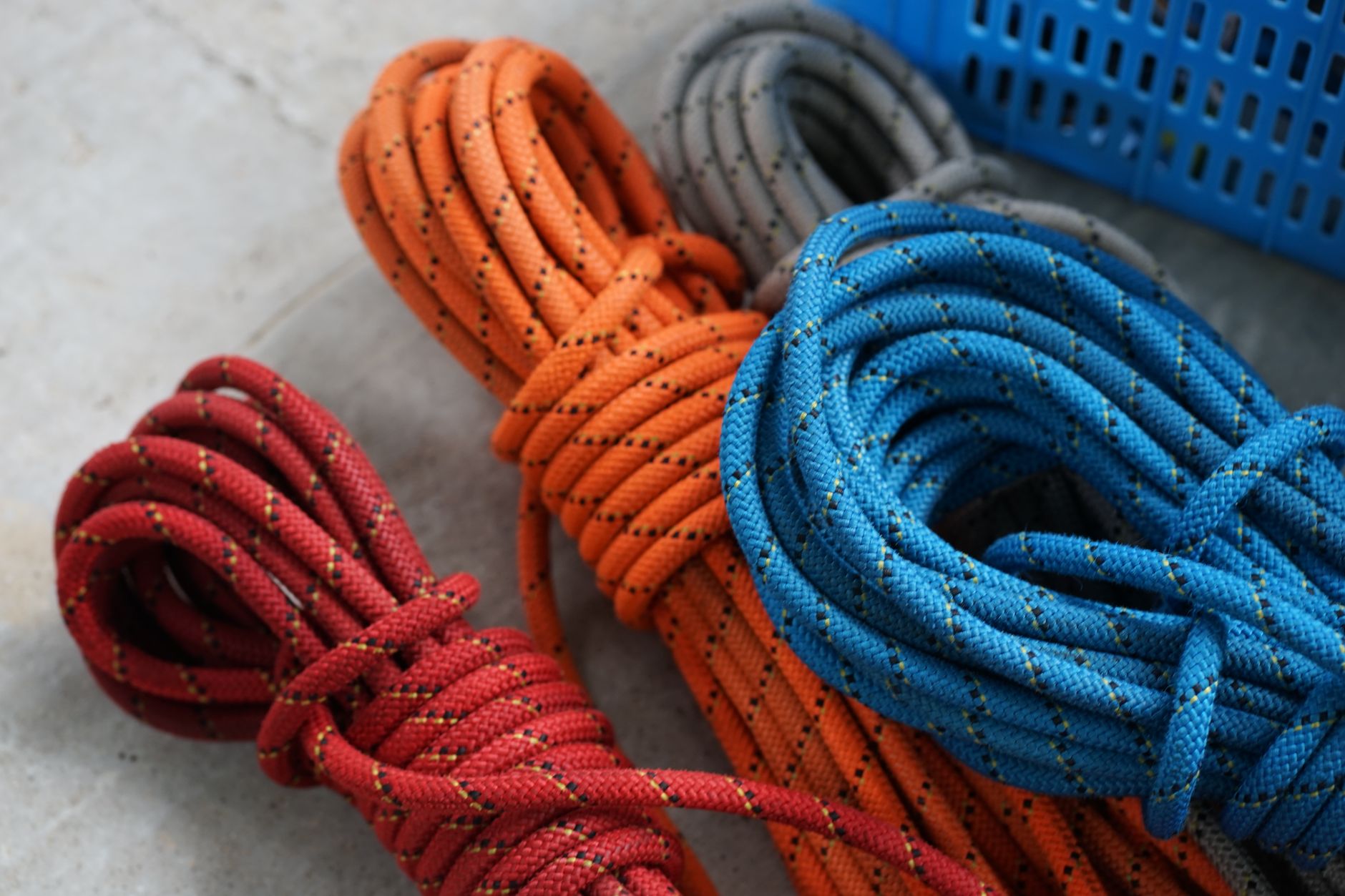 Photo by Warren Yip
Why Low Stretch Matters for Your Safety and Control
Island static rope delivers elongation of under 2% at 300 lbf, which translates to minimal bounce during long descents or heavy hauls. In caving, imagine threading a rope through a narrow passage where a sudden drop or snag could throw you off balance; with a low-stretch rope, the rope remains predictable and steadies the system, reducing the risk of uncontrolled movement.
This steadiness contrasts with dynamic ropes, which absorb shock with significant stretch but can create jolts or exceed set anchors during slow, careful moves. In practice, the lack of bounce makes it easier to monitor loads, maintain tension, and execute precise movements. For smoother handling, expect a rope that feels firm in hand yet forgiving on edges; a good static rope should balance stiffness with grip, so you can control pulleys, rappels, and haul lines without fighting the rope.
Durable Materials Built for Tough Environments
Island static rope uses a kernmantle design, combining a strong core with a braided sheath that resists abrasion. The materials are often high-tenacity polyester or nylon, chosen for different environments. Polyester shines when you need water resistance and UV stability; nylon offers a touch more give when wet. The sheath of a top-tier static rope typically endures about 30% more wear cycles than standard offerings, which matters when you’re sliding over sharp rock, wet limestone, or rough cave surfaces.
In dry cave work or dry rope access scenarios, polyester can hold its shape and resist staining, while nylon remains practical where slight give is beneficial. For wet caves or rescue tasks, the choice between polyester and nylon can influence grip and load feel, so pick what aligns with your typical environment and workflows. This combination yields a rope that stays reliable through repeated use, even when exposed to moisture, grit, and abrasion.
Prime Uses Where Island Static Rope Shines Brightest
Island static rope fits a niche where control and reliability matter most. It’s the choice for jobs that demand precise movement, steady loads, and quick adjustments in less forgiving environments. Below are the primary uses you’ll encounter on rope access, cave and canyon expeditions, and rescue operations. Each scenario highlights how the rope’s low stretch, durability, and manageable weight translate into safer, more efficient outcomes.
Mastering Rope Access and Rappelling with Ease
For controlled drops and extended descents, Island static rope delivers predictable performance. Its low elongation keeps anchors steady and lines taut, so guiding a load or a climber feels smooth rather than reactive. In practice, you’ll appreciate the balance between stiffness and grip as you feed rope through pulleys, manage belay devices, and monitor the system under load.
When working with a 10.5mm diameter, expect a practical blend of weight and strength that still favors ease of handling on long hauls or tight anchors. EN 1891 Type A ropes are built for professional rope access work, while Type B variants exist for more specialized rescue tasks. This distinction matters: choose Type A for routine rope access and rigging, and reserve Type B for scenarios where rescue devices are in play and coefficient of safety requires extra caution. Note that Island static rope is not intended for lead falls; its design emphasizes controlled exposure and steady tension rather than energy absorption on impacts.
Tackling Caves and Canyons Without Worry
In rough, wet, or abrasive environments, a rope that resists wear while staying light in the pack is a huge advantage. Island static rope handles dirt and rock grit well, and its low stretch keeps you from fighting the rope while navigating narrow tunnels or slick canyon corridors.
The lightweight profile matters when you’re moving through burrows or wading sections where every gram counts. Expect the sheath to take on abrasion with less fray, while the core remains stable to keep your descent or haul predictable. For cave and canyon work, the rope’s moisture tolerance—paired with the right material choice (polyester or nylon depending on humidity and water exposure)—translates into fewer replacement cycles and more consistent performance on back-to-back trips.
Rescue Operations and Heavy Hauling Made Reliable
High-strength capabilities are essential for rescue scenarios and hauling tasks. Island static rope can demonstrate tensile strength in the range you expect for single- or two-person loads, supporting safer lowering and lift operations. When paired with light rescue systems, it becomes a dependable backbone for hauling gear, stabilizing victims, and rigging anchors on rugged terrain.
Adhering to NFPA-inspired considerations and the EN 1891 standards helps ensure you’re using a rope that meets professional-grade requirements without becoming cumbersome on scene. While it shines in heavy hauling and controlled tension, keep in mind that static rope is not a substitute for dynamic ropes where energy absorption is needed. For tasks like tag lines, high lines on offshore islands, or stage rigging, Island static rope offers a manageable, reliable option that reduces fatigue and increases precision under load.
Essential Specs and Sizes to Match Your Needs
Choosing the right rope size isn’t about chasing the biggest number. It’s about balancing strength, handling, and endurance for your specific job. In this section, you’ll get a clear view of where island static rope shines, backed by practical specs you can compare at a glance. You’ll also see how to choose between industrial and lighter rescue configurations without guessing.
Picking the Right Diameter for Strength and Handling
When you pick a diameter, you’re weighing two realities at once: strength and ease of use. A 1/4″ rope feels featherlight and is perfect for light-duty applications where long runs or minimal weight in the pack matters. It can be crisp in handling in dry conditions, but it stores less load and wears faster if you’re pulling through sharp edges or rough rock. On the other end, a 1/2″ rope gives you serious heft and strength for heavy hauls or two-person loads.
It handles abrasion well and keeps a steady profile under load, which reduces the chance of kinking or snagging in tight anchor points. In practice, a mid-range 10.5mm to 11mm diameter often hits the sweet spot for island static rope: manageable weight with solid strength and predictable behavior on long descents or when you’re hauling gear. Always check the EN 1891 Type A rating for industrial rope access and reserve Type B variants for specialized rescues where you need extra caution and flexibility. Remember, static rope isn’t meant for lead falls; keep it as a controlled tension tool rather than a high-energy absorber.
Standards and Certifications You Can Trust
Two standards shape how you use island static rope in the field. EN 1891 is the European standard for low-stretch ropes used in work positioning and caving. It sets requirements for elongation, strength, and overall performance under load, ensuring you get reliable behavior in everyday rope access tasks. NFPA standards govern rescue ropes in North America, focusing on safety margins, inspection, and performance in real-world scenarios. UIAA guidelines bring validation from the mountaineering world, emphasizing durability and safe handling across variable conditions. In practice, pick EN 1891 Type A for routine rope access and rigging.
If you anticipate specialized rescue devices or more dynamic scenarios, Type B may offer the extra margin you need. Always verify that your rope carries recognized certification and that you follow manufacturer guidelines for inspection and retirement.
Key takeaway: match the standard to your environment, then pick the diameter and material that keep your system predictable under load. Island static rope performs best when you choose a size that balances stiffness, grip, and strength for your typical terrain and tasks.
Island Static Rope: A Practical Guide for Rope Access and Rescue
Choosing the right rope is a game of matching environment, workload, and handling to your workflow. This section helps you refine your decisions when you’re selecting, caring for, and using island static rope on real jobs. You’ll get practical buying tips, daily care routines, and the non negotiables you should never ignore. Each piece is written for quick reading and immediate action, so you can stay safe while staying productive on the line.
Smart Buying Tips for Beginners and Pros
When you’re buying island static rope, think about where you’ll work and how you’ll use it day to day. Environment matters: in wet or damp settings, polyester shines because it resists water uptake and maintains lower elongation. If you expect frequent exposure to moisture, lean toward polyester for reliability. For drier, dustier, or abrasive environments, nylon can be acceptable where a touch more give helps with handling.
Length should align with site needs and rope access plans, while custom lengths can save time on longer runs. Trusted brands and models matter, so look for well-known names like CMC Rescue, Lifeline options from CMC, and other reputable makers such as Samson, Pelican, All Gear, and Yale Cordage. Diameter selection balances strength with ease of handling; mid-range sizes around 10.5 mm often deliver a practical blend for most rope access tasks.
Always verify that the rope carries recognized certifications (EN 1891 Type A for routine work; Type B for specialized rescue work). Above all, choose a rope that feels predictable in your hands and matches your hardware. This is your workhorse on long descents, precise rigging, and controlled lowers. Keep a spare shorter length for edge work or backup and document your retirement schedule with a clear plan.
Daily Care and Inspection Routines
Treat island static rope like a trusted tool you rely on every shift. Start with a visual examination before each use: scan the entire sheath for cuts, fraying, flat spots, or discoloration. Run your hands along the rope to feel for lumps, hard spots, or any stiffness that signals core damage.
Check for dirt, moisture, and any signs of contamination; wash gently with mild soap if needed and let it dry completely before storage. After use, inspect especially at anchor points and along the last meter or two where wear tends to accumulate. Retirement criteria are non negotiable: core shots, severe abrasion, flat spots, or obvious deformation mean retirement. Store dry, away from direct sun and chemicals, in a cool place with good airflow. Routine care extends life and keeps performance steady across trips.
Critical Safety Rules to Never Break
Your safety hinges on respecting limits and using the right gear together. Always stay within the rope’s load limits and ensure all hardware—carabiners, descenders, and anchors—are compatible with your rope diameter. Pair the rope with the correct hardware rated for static use and test gear for responsiveness before you load. Training is non negotiable: invest in formal instruction on rigging, anchor building, and rescue techniques from qualified instructors.
Never use island static rope for dynamic falls or energy absorbing tasks; energy must have a path through approved dynamic rope. Regular checks on equipment and a clear retirement plan for aging rope are essential. Finally, keep your approach simple: plan your moves, verify every connection, and proceed with deliberate, controlled actions rather than rushing.
Conclusion
Island static rope stands up to the toughest conditions with predictable handling, minimal stretch, and solid abrasion resistance. Its low elongation means you can trust anchors, feed rope through pulleys, and guide loads with confidence on long descents or delicate maneuvers. When you pair the right diameter and material with proper care, this rope becomes a reliable workhorse for rope access, cave work, and rescue tasks.
Key practice is simple: inspect before every mission, retire rope with wear or core damage, and use only compatible hardware. Training matters just as much as gear. Take formal instruction on rigging, anchor building, and rescue techniques to maximize safety and efficiency on site.
Have you used island static rope in the field? Share your experiences in the comments to help others make informed choices. Always verify specs from the manufacturer and confirm you’re applying EN 1891 or NFPA guidelines appropriate to your environment before buying. A quick check of the standard, the diameter, and the material will save time and trouble on the line.
If you’re planning a project, take a moment to review your gear and retirement plan. Your next adventure deserves gear you can trust. Stay curious, stay prepared, and let the rope do the work as you push toward new horizons.
Back to Trad Climbing Static Ropes
Recommended Climbing Rope Equipment
These products can support safer climbing, belaying, rappelling, and emergency readiness.
Affiliate disclosure: As an Amazon Associate, TradClimbers may earn from qualifying purchases at no additional cost to you.