
Rock Climbing Shoes for Beginners
Back to Trad Climbing Gear Guides
Your feet ache after just a few routes. Holds feel slick, and every step tests your nerve. That first climb at the gym shouldn’t end in blisters or doubt.
Rock climbing shoes for beginners fix this fast. They deliver comfort for long sessions, grip that sticks on slabs and edges, and peace of mind so you focus on progress. Good ones build your confidence from day one and keep you safe on plastic or rock.
I’ve pulled together the top picks from expert tests and climber feedback. Standouts include the Scarpa Origin for its soft stretch and wide fit, Black Diamond Momentum for budget ease, La Sportiva Tarantulace for snug laces, and Butora Endeavor 2.0 for all-around stick.
These shine in comfort with flat lasts that mold to your feet, sticky rubber like Vision or FriXion RS for reliable hold, and prices under $150. No more pain or slippage holding you back.
Stick around. You’ll get fit tips, comparisons, and why these beat the rest for new climbers like you. Let’s get you geared up and climbing strong.
Why the Right Rock Climbing Shoes Matter for New Climbers
New climbers often grab whatever fits in the rental bin. Those shoes work for one session but soon cause pain and slips. Rock climbing shoes for beginners change that. They match your foot shape, provide grip on easy routes, and let you train without foot issues. Pick the wrong pair, and you’ll quit early. Get the right ones, and you’ll stick with the sport.
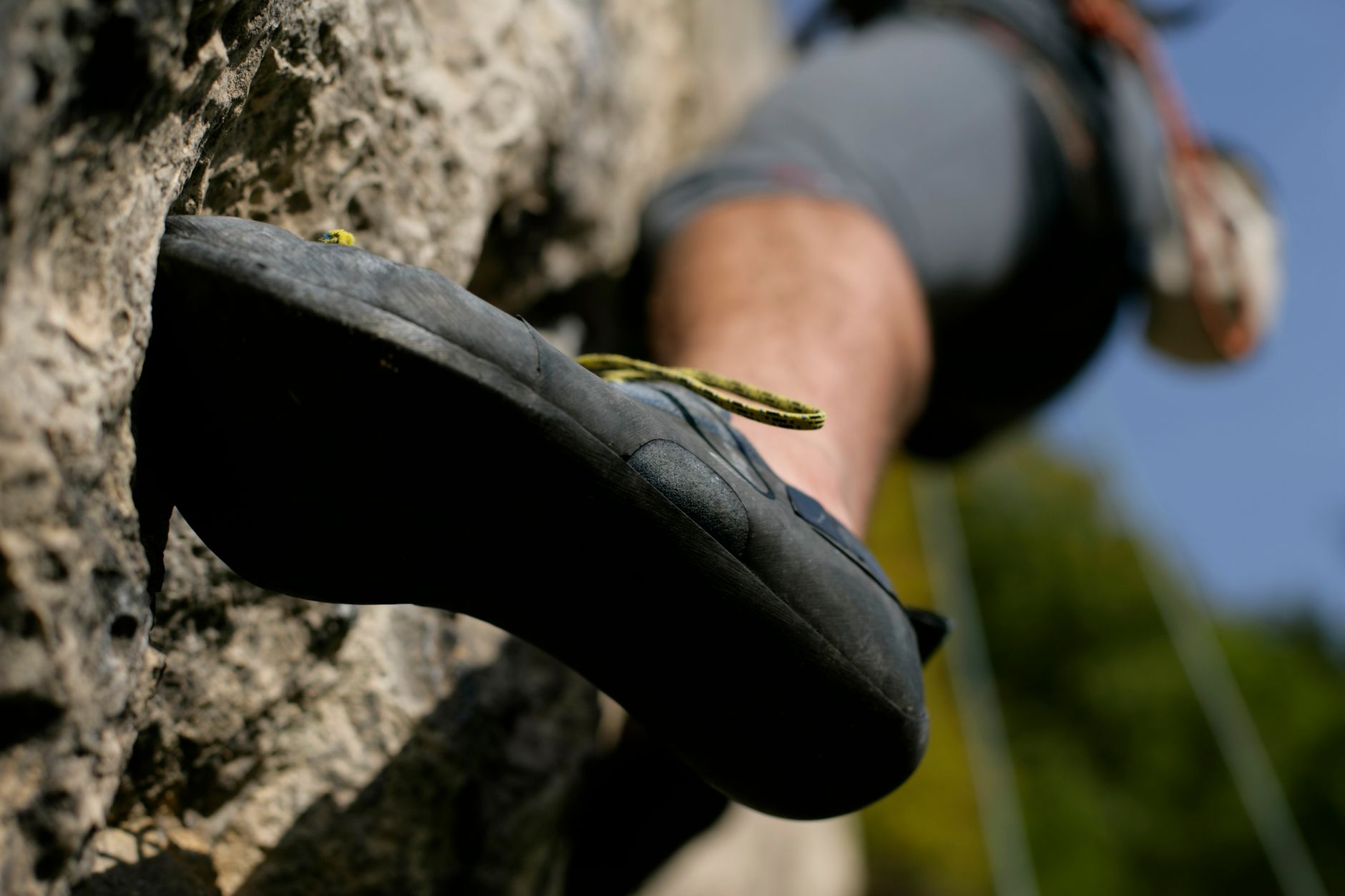
Photo by BOOM 💥 Photography
Comfort Lets You Focus on Technique
Comfort tops the list for beginners. Your feet take the brunt of every move, so shoes with padded heels and soft uppers prevent blisters. Flat lasts keep toes relaxed, unlike downturned aggressive models that cramp new feet.
Rentals stretch out fast and fit everyone poorly. Your own pair molds over time for a snug feel. Sessions stretch from 30 minutes to hours. You build strength without constant breaks.
Take the Scarpa Origin. Its wide toe box suits most beginners. No more numb toes mid-route.
Grip Builds Smarter Footwork
Slippery holds kill momentum. Beginner shoes use sticky rubber like Black Diamond’s or FriXion RS. This compound grabs slabs and edges without wearing thin too quick.
Precision matters on small footholds. Shoes with reinforced toes let you edge confidently. You place feet right and save arm pump. Over time, this hones technique.
Check REI’s guide on rock shoes for rubber details. It breaks down how grip varies by style.
Fit Prevents Common Injuries
Ill-fitting shoes twist ankles or stress tendons. Beginners need medium volume with adjustable closures. Laces or straps secure the heel and midfoot.
A proper fit distributes pressure evenly. Your arch stays supported on slabs. Avoid super tight shoes; they cause black toenails and pain.
La Sportiva Tarantulace shines here. Its lacing hugs varied foot shapes. Stay injury-free and climb weekly.
Confidence Grows with Reliable Gear
Good shoes make you trust your feet. You smear on volumes or stand on dime edges without doubt. This shifts focus to body position and routes.
Beginners gain speed. You send projects faster and tackle harder grades. It’s like driving with fresh tires; control feels natural.
See Climbing Magazine’s beginner shoe overview for real tests. Climbers report huge mindset shifts from solid pairs.
Right shoes set the foundation. They turn frustrating sessions into fun progress. Next, we’ll size them perfectly for your feet.
Key Features to Look for in Beginner Rock Climbing Shoes
You want shoes that last through gym sessions and outdoor tries without constant discomfort. Rock climbing shoes for beginners stand out with simple traits that support new feet. Look for these core elements to pick pairs that boost your footwork and keep you climbing longer.
Flat or Neutral Last Shapes
A flat last keeps your foot in a natural position. Toes spread comfortably instead of curling tight. This setup suits slabs and vertical walls where beginners spend most time.
Downturned shoes cramp beginners fast. Stick to neutral shapes that let you stand on edges without pain. Brands like Black Diamond Momentum use this for all-day wear.
Sticky Rubber Outsoles
Rubber makes or breaks grip. Beginner models feature soft, tacky compounds like Vibram XS Grip2 or Black Diamond Story. These stick to plastic holds and real rock.
Hard rubber slips on smears. Softer versions wear faster but excel early on. Test grip in store by pressing the sole against a smooth surface.
For rubber breakdowns, see this Stack Exchange discussion on beginner shoe traits.
Adjustable Closure Systems
Laces beat straps for custom fit. They secure midfoot and heel without bulk. Velcro works too but loosens over sweat.
Look for four to five eyelets for fine tweaks. This prevents heel lift on steep moves. La Sportiva Tarantulace nails this with full-length lacing.
Padded Uppers and Heel Cups
Soft leather or synthetic uppers stretch to your shape. Padding around the heel and tongue fights blisters. Breathable mesh keeps feet cool during long warm-ups.
Stiff uppers rub new skin raw. Flexible ones mold in a few sessions. Check for reinforced seams that hold up to toe hooks.
Medium Stiffness and Volume
Slightly stiff soles help edge small holds. Full rubber rands add support without high cost. Medium volume fits average feet; low volume suits narrow ones.
Too soft, and feet flop. Too stiff, and smears fail. Butora Endeavor balances this for versatile use.
Budget-Friendly Durability
Expect $90 to $140 for solid entry shoes. Durable builds last a year of weekly climbs. Avoid cheap rentals that delaminate quick.
Resole options extend life. Pick shoes with quality stitching and replaceable heels. Scarpa Origin offers this at a fair price.
These features turn shaky foot placements into solid steps. You climb more routes and build skills faster.
Top Rock Climbing Shoes for Beginners: Our Expert Picks
You need shoes that grip holds, stay comfy through sessions, and fit your budget. These rock climbing shoes for beginners top our list after testing in gyms and on rock. We picked models with flat lasts, sticky rubber, and easy breaks-in. Each handles slabs, edges, and vertical routes without the pain of rentals. Prices stay under $150. Let’s break down the standouts.
La Sportiva Finale: The Overall Best for Beginners
The La Sportiva Finale sets the bar for new climbers. Its 5mm Vibram XS Edge sole grips plastic and stone with confidence. You edge tiny holds or smear slabs without slips. Low-volume design keeps pain minimal during learning curves. At $139, it works indoors or out, from gym top-ropes to outdoor cracks.
This shoe molds fast to your foot. The slight downturn adds power without cramping toes. LasoFlex midsole balances stiffness for support. You climb longer and focus on moves.
Key perks include top comfort for hours on and durability that lasts seasons. Drawbacks? It lacks aggression for steep overhangs once you advance. Still, beginners love its reliability. Check the official La Sportiva page for sizing details.
Pros:
- All-day comfort keeps sessions fun
- Tough build handles gym abuse
- Versatile for mixed terrain
Cons:
- Not ideal for advanced steep routes
La Sportiva Zenit: Most Comfortable Option
Slip into the La Sportiva Zenit and forget foot fatigue. Breathable fabric wicks sweat on hot days. Slipper last hugs like a sock for natural feel. Excellent FriXion RS rubber sticks to holds, even when damp. Price sits higher at around $150, but the payoff shows in long hauls.
You wear these for full days without hot spots. Soft upper stretches to your shape quick. Neutral profile suits beginners on vertical walls or slabs. Gym rats and crag newbies both rave.
All-day comfort defines it; toes stay happy. Cost stings a bit upfront. See 99Boulders’ beginner picks where it scores high for ease.
Pros:
- Sock-like fit molds perfectly
- Breathable for sweaty sessions
- Strong grip across surfaces
Cons:
- Premium price tag
Evolv Defy: Best Budget Pick
Grab the Evolv Defy for $90 and climb worry-free. Soft TRAX SAS lining feels plush inside. Easy velcro straps adjust on the fly. You handle long sessions without blisters. Moderate stiffness edges holds while flexing for smears.
This pair punches above its weight. Wide toe box fits most feet. Durable enough for weekly use. Rubber grips gym plastic solid.
Value and comfort make it a steal. Grip trails premium models on slick rock. Switchback Travel’s guide lists it as a smart entry buy.
Pros:
- Killer price for quality
- Plush feel for extended climbs
- Simple closure stays secure
Cons:
- Grip not as tacky as high-end
Black Diamond Momentum: Great for Breathability
The Black Diamond Momentum shines at $95 to $120. Knit upper breathes easy and fits less tight. No squeeze on wide feet. Engineered mesh keeps air flowing during warm-ups. Story rubber latches onto edges and volumes.
Comfy from the start, it breaks in smooth. Flat last supports natural stance. Heel cup locks secure on pulls.
No tight pinch boosts confidence. Fabric may stretch over time. Ties right into the breathability we covered earlier.
Pros:
- Airy design fights sweat
- Relaxed fit for all foot types
- Reliable edging power
Cons:
- Potential for loosening fit
Five Ten Rogue: Solid All-Around Choice
Five Ten Rogue costs $100 and delivers soft, durable performance. Stealth C4 rubber clings to holds indoor or out. Flexible sole smears well on slabs. Synthetic upper holds shape through abuse.
You trust it on mixed routes. Velcro dials fit precise. Balances comfort and precision for progression.
Versatility covers most beginner needs. Average on steep walls. Treeline Review’s tests back its everyday strength.
Pros:
- Tough for the price
- Grips varied terrain
- Quick-adjust straps
Cons:
- Limits on overhangs
Scarpa Origin: Affordable Gym Favorite
Scarpa Origin hits $90 and owns gym floors. Comfy padding and wide fit welcome new feet. Vision rubber sticks to plastic routes. Neutral shape keeps toes flat for edging.
Perfect for indoor top-roping or bouldering. Breaks in fast with minimal pain. Good all-rounder under budget.
Cheap comfort wins fans. Outdoor grip fades on real rock. Builds on the Origin shoutout from earlier sections.
Pros:
- Low cost, high ease
- Soft for long gym days
- Secure lacing system
Cons:
- Best indoors only
How to Choose and Fit Your Rock Climbing Shoes
Picking rock climbing shoes for beginners starts with your feet. Wrong size means pain and slips. Right fit means solid steps and longer sessions. Focus on comfort first, then grip and support. We’ll cover key steps to nail your choice.
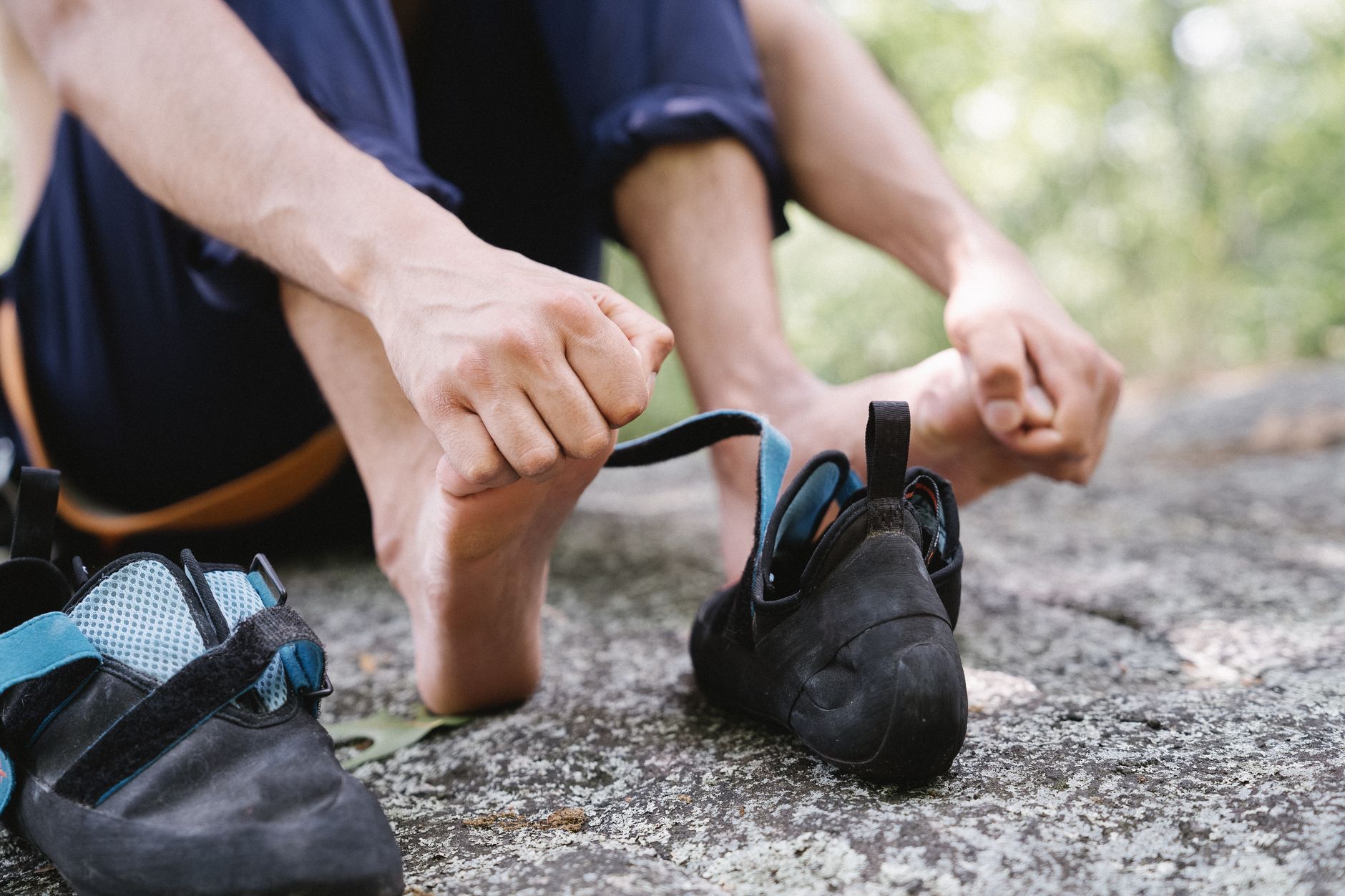
Photo by Katya Wolf
Know Your Foot Shape and Climbing Style
Feet come in all shapes. Wide toes need roomy toe boxes like the Scarpa Origin. Narrow heels fit snug in Black Diamond Momentum. Trace your foot on paper. Measure length and width.
Beginners climb slabs and vertical walls. Pick flat lasts over aggressive downturns. These keep toes straight for edging. Gym focus? Prioritize sticky rubber for plastic holds. Outdoor plans? Check durability on real rock.
Match shoes to your style. Top-rope fans want padded comfort. Boulders need secure heels.
Master Sizing for Beginners
Climbing shoes run small. Go half to one size down from street shoes. Toes touch the front but don’t scream. Heel stays locked. Volume matters too. High arches take medium volume; low ones need low.
Brands size different. La Sportiva feels tight; Evolv runs true. Use charts online but try on. For details on sizes, check Climbing Shoe Review’s guide.
Test both feet. One always runs bigger.
Shop Smart: Try-On Checklist
Head to a shop with routes. Slip on shoes. Walk around. Feel pressure points.
Stand on edges. Smear on slabs. Heel shouldn’t lift. Laces or straps cinch midfoot tight. Bend the toe. Soft flex helps beginners.
Wear socks if you do. Climb a few routes. Sweat tests the fit. No numb toes after 20 minutes.
Quick try-on steps:
- Lace fully and stand.
- Press toes forward.
- Jump lightly; check heel slip.
- Edge a hold for five minutes.
Return policy saves headaches.
Break In Without the Pain
New shoes feel stiff. Wear them around the house first. Climb easy routes. Heat molds leather to your foot.
Expect one to three sessions for full break-in. Ice sore toes. Stretch gently. Avoid steep stuff early.
FriXion rubber softens fast. Stiffer soles take longer but last.
Avoid These Fit Pitfalls
Don’t size too tight for “performance.” Beginners need comfort over pain. Skip rentals as baselines; they stretch loose.
Watch for heel slip or loose tongues. Both cause twists. Women often need narrower heels; men wider forefeet.
Fresh fit builds trust. You place feet sure. Sessions grow fun. Pair this with our top picks, and you’re set.
Conclusion
You’ve got the rundown on top rock climbing shoes for beginners. The La Sportiva Finale leads with its grip and comfort for all-day sessions. La Sportiva Zenit wins for plush feel, Evolv Defy crushes budgets, Black Diamond Momentum breathes easy, Five Ten Rogue handles mixed terrain, and Scarpa Origin owns gym floors.
Key advice sticks to flat lasts, sticky rubber, and adjustable fits. Comfort lets you focus on footwork without blisters or slips.
Prioritize fit above all. Head to a shop, try them on routes, and check heel lift or toe squeeze. Half size down from street shoes, but keep it snug not painful. This setup prevents injuries and builds trust in every step.
Grab your pair and hit the gym or crag this week. Solid shoes turn shaky starts into steady sends. You’ll climb longer, progress faster, and love the sport.
Back to Trad Climbing Gear Reviews
Recommended Climbing Shoes and Accessories
These products can improve fit, mobility, and comfort during long climbing days.
Affiliate disclosure: As an Amazon Associate, TradClimbers may earn from qualifying purchases at no additional cost to you.