
Edelrid Slings: Guide to Uses
Back to Trad Climbing Safety
Climbing slings keep you safe when you’re hanging off a cliff. They’re simple loops of tough material that connect you to anchors, equalize gear placements, or extend your reach. Without them, falls turn risky fast.
A climbing sling acts as your direct link to protection. It won’t stretch like a rope, so it holds steady under load. Climbers rely on them for anchors at belay stations, extending quickdraws on steep routes, building rappel setups, or even personal tethering on multi-pitch climbs.
Edelrid slings stand out in this gear. They use materials like aramid cord for stiffness and cut resistance, or dynamic options that absorb shock. You’ll find lengths from 30 cm for tight spots to 120 cm for bigger setups, all lightweight at around 19 grams.
This guide covers edelrid slings in detail. Learn how to pick the right material and length for your climbs, plus tips to inspect and care for them. Stay safe out there; gear like this saves lives.
What Edelrid slings are used for in real climbing situations
Edelrid slings shine in everyday climbing because they hold firm under load, often rated to 22 kN for major axis strength. Their stiff aramid or Dyneema builds resist cuts from rock edges and stay easy to untie even after a fall. You clip them to gear, wrap them around features, or extend your rope line. They cut weight from your rack while boosting safety on routes from gym walls to alpine faces.
Building anchors with natural features like trees, boulders, and horns
Picture a stout tree at your top-rope anchor or a solid boulder horn halfway up an alpine pitch. You wrap an Edelrid sling around these natural spots to create a bombproof tie-in point. Longer ones, like 120 cm or 240 cm, let you equalize multiple pieces by tying a simple figure-8 knot, which spreads the load evenly.
Sling length matters here. A short 60 cm works for single features, but longer styles position your master point right where you need it, away from sharp edges or loose rock. This setup also trims rope drag by keeping the rope path straight.
Take a top-rope anchor over a boulder: loop a 120 cm Edelrid sling around it, clip your ropes, and belay clean. Or in an alpine belay, girth-hitch one to a horn and equalize with cams. It holds steady so you focus on the climb, not the setup.
Extending protection to reduce rope drag on wandering routes
Routes that zigzag test your rope management. Edelrid slings fix that by extending cams, nuts, or bolts, so your rope runs smoother without pulling sideways. Clip one end to protection, the other to your rope, and it straightens the angle.
Long slings rule trad and alpine climbing for this. A 60 cm or 120 cm model acts as an alpine draw, common on wandering cracks or mixed terrain. They prevent gear from “barn-dooring” out under tension.
Low-bulk designs pack light for mountain racks. Their stiffness avoids twists, and Dyneema types shed water fast. On a meandering trad line, space these every few pieces to keep drag low and flow high.
Quickdraws, gym climbing, and why some slings handle better than others
Sewn slings in quickdraws differ from standalone Edelrid loops. Quickdraws pair two carabiners with fixed webbing for bolt clips. Standalone slings girth-hitch to anything and flex for custom use.
Wider webbing on some Edelrid models gives you a solid grab mid-clip, perfect for steep sport routes. Gym climbers love durable ones with wear indicators, like faded colors that signal time to retire them.
In the gym, extend a top-rope clip with a 120 cm sling to clear the floor. Outdoors, it beats a basic draw on wandery bolts. Stiff builds glide rope smooth and resist gym abrasion.
Belay stations and multi-pitch organization
At belay ledges, an Edelrid sling declutters your setup. Tie a figure-8 in a 120 cm one to equalize bolts into a single master point, then clip ropes and devices. It keeps slack coiled neat, ready for the next pitch.
This organization shines on multi-pitch routes. Girth-hitch it to your harness as a personal anchor while you belay. Watch extension though; too much adds fall factor. And mind shock loads, they spike forces.
Training locks this in. Practice on easy terrain first. One three-pitch route might use it to link bolts and stash rope, leaving hands free for the leader.
Choosing the right Edelrid sling, material, width, and length without guesswork
You want Edelrid slings that match your climbs without wasting cash or rack space. Pick based on weight, bulk, how they handle, water pickup, and toughness against rock. Dyneema keeps things light for mountains. Polyamide, or nylon, grips well and stretches a bit. Polyester takes gym beatings. Tech Web blends the best of both worlds. Here’s how they stack up to help you decide.
Start with this quick specs table for Edelrid slings. It covers the key traits side by side.
| Material | Weight & Bulk | Handling | Abrasion Resistance | Water Absorption | Best For |
|---|---|---|---|---|---|
| Dyneema | Lightest, low bulk | Stiff, hard to knot/untie | High | Very low | Alpine, fast racks |
| Polyamide (Nylon) | Heavier, bulkier | Easy knots, good grip | Good | High | Sport, anchors, falls |
| Polyester | Medium weight | Solid gym grab | High | Low | Gym, heavy daily use |
| Tech Web | Light, packs small | Flexible, nylon sheath | Best overall | Low | Abrasion spots, threads |
All hit 22 kN strength. Widths run narrow at 8 mm for Dyneema up to 25 mm for Tech Web. Lengths go 30 cm to 240 cm. Match them to your needs, and you rack smart.
Dyneema vs polyamide vs polyester, the simple tradeoffs
Dyneema slings feel like feathers in your pack. They pack tiny and weigh next to nothing, perfect if you hike high. Water slides right off, so they stay light in rain. Handling takes practice; they resist knots, and many climbers skip knots altogether to avoid weak spots. Abrasion holds up well on sharp edges. Use them for extenders or alpine draws where bulk kills speed.
Polyamide, or nylon, slings stretch just enough to soften falls. You knot them easy, and they grip your hands mid-clip. Colors pop for quick spotting. They soak water and gain weight, though, so dry them fast. Abrasion fares okay, but not forever. Grab these for sport routes or anchors that see real loads.
Polyester slings shrug off gym abuse. They resist wear with built-in indicators on some models. Grip stays firm for steep pulls. Water doesn’t bog them down much. They sit heavier than Dyneema but lighter than thick nylon. Pick polyester if you climb indoors a lot or need daily drivers.
Always check Edelrid’s guide for knots and uses. They test each material for your safety. Wrong choice risks failure.
Where Edelrid Tech Web fits in (lightweight, flexible webbing)
Tech Web slings act like a slim 8 mm Dyneema with extra smarts. A nylon sheath wraps a Dyneema core, so it flexes easy and fights abrasion better than plain Dyneema. Packs small for your harness, stays light at low bulk. Water stays out thanks to the core.
This setup shines on alpine days or fast-and-light pushes. Clip it over threads, blocks, or horns without worry. The sheath takes rock scrapes while the core holds strength. You get Dyneema perks without the knot hassle; most come sewn. Rack a few 60 cm or 120 cm for mountain racks that need toughness without weight.
How to pick sling lengths for your rack
Build a starter rack with balance. Grab two short 60 cm slings, three medium 120 cm ones, and one or two long 240 cm models. Shorts girth-hitch single points like bolts or trees. No extra slack means quick setups.
Medium lengths extend gear to kill drag on wandery lines. They double as alpine draws in trad or multi-pitch. Long ones equalize anchors with multiple pieces or wrap big horns.
Tailor to your style. Gym and sport climbers stick short and medium for clips and top-rope. Trad folks add longs for natural gear. Multi-pitch needs mediums for belays. Alpine? Light shorts and mediums keep weight down. Test on easy routes, then tweak.
Sewn loops vs tying your own, and when each makes sense
Sewn Edelrid slings rule for good reason. Factory stitches hit exact strength ratings every time. No slip, no guesswork. They last longer under load and inspect easy for cuts. Most climbers run sewn for critical spots like anchors or tethers.
Tying your own from webbing saves cash if you cut custom lengths. But knots drop strength and bulk up fast. Inspect ties often; a bad one fails hard. Skip this for main systems unless trained.
Get hands-on help before tying critical slings. Sewn ones keep it simple and safe. Your rack stays reliable that way.
How to inspect Edelrid slings, spot damage early, and retire them on time
Edelrid slings last a long time with proper checks, but they fail without warning if you skip them. Inspect every time before you climb. A quick look spots trouble fast and keeps you safe. Follow Edelrid’s guidelines from their manuals; download the one for your model if needed. Look for the CE mark and serial number first. They must stay readable. Check the make year too. Retire if markings fade or the max lifespan passes.
The fast pre-climb check you can do in 15 seconds
Grab your Edelrid sling and run it through your hands. This habit takes seconds but catches most issues. Start at one end and slide your fingers around the full loop. Feel the bar tacks where stitches hold it together.
Watch for these signs right away:
- Fuzzing or pulled fibers on edges; they weaken the webbing fast.
- Cuts or scrapes anywhere; even small ones cut strength.
- Melted or glazed spots from heat; they turn shiny or stiff.
- Pulled stitches at seams or bar tacks; tug gently to test.
- Discoloration or stiff sections; soft spots mean core damage inside.
- Chemical smells; they soak in and degrade the material.
Some Edelrid slings have wear indicators, like red fibers that show through when thin. Spot them? Retire it. These help, but don’t rely on them alone. Always do the hands-on check. Do this before every route. It builds the habit that saves gear.
Big red flags, sharp edges, heat, chemicals, and UV exposure
Edelrid slings take a beating from real-world abuse. Sharp rock edges slice them quick during falls or rubs. Rope movement builds heat from friction; it melts spots without you noticing. Battery acid, solvents, or cleaners eat the fibers over time.
Too much sun fades colors and stiffens the material through UV rays. Abrasion grinds the sheath, exposing the core. Here’s what to scan for:
- Edge damage from rocks; check both sides.
- Heat marks like glazing or burns.
- Chemical stains or odd smells.
- UV fade with brittleness.
- Core shots from heavy rubs; feel for lumps or thin spots.
Any major fall on the sling spikes loads. Unknown history from borrowed gear? Play it safe and retire it. These red flags drop strength below safe levels. Inspect after every use in rough spots.
When to retire a sling even if it still “looks okay”
Looks can trick you. An Edelrid sling might seem fine but hide deep damage. Retire it in these cases, no questions:
- Unknown age; check the label date and manual lifespan.
- Stored in a hot car for months; heat breaks it down slow.
- Used near chemicals; even a splash counts.
- Serious abrasion or stitching pulls.
- Significant incident like a factor 1 fall or heavy load.
Follow Edelrid’s rules: no repairs yourself. Pro users get yearly checks. Gyms or guides often say retire after set uses. When in doubt, toss it. New ones cost less than a hospital trip. Mark retired slings and cut them to avoid mix-ups. Your next climb depends on smart calls like this.
Care and storage habits that help Edelrid slings last longer
Your Edelrid slings take a beating on the rock, but smart care keeps them reliable pitch after pitch. Follow these habits to stretch their life without fancy gear. Clean them right, store them smart, and watch for wear in the field. You’ll save money and rack confidence.
Cleaning basics and drying the right way
Dirt grinds away at fibers over time, so clean your Edelrid slings after muddy days. Use lukewarm water, around 30 degrees Celsius, and a bit of mild soap if needed. Hand wash works best; a machine’s delicates cycle is okay too, but skip the spin to avoid stress on the seams.
Rinse until no soap lingers, since grit trapped inside cuts strength fast. Never reach for bleach, fabric softener, or harsh cleaners. They eat into the synthetic fibers and drop the rating below safe levels.
For drying, lay them flat or hang loose in the shade. Keep them out of direct sun and away from dryers, radiators, or car dashboards. Heat shrinks polyester and stiffens Dyneema, so patience pays off. Let them dry fully before packing; wet slings lose grip and power.
Smart storage at home and in your pack
Once dry, stash your Edelrid slings where they stay happy. Pick a cool, dry, dark spot like a closet shelf or gear tote. Skip hot garages, damp basements, or sunny windowsills that bake in UV rays.
Keep them loose and separate from sharp tools, batteries, or anything that leaks. Acid or solvents degrade the material quick. In your pack, toss them in a small breathable pouch with other anchor gear. This cuts snags on zippers and blocks grit from everyday rubs.
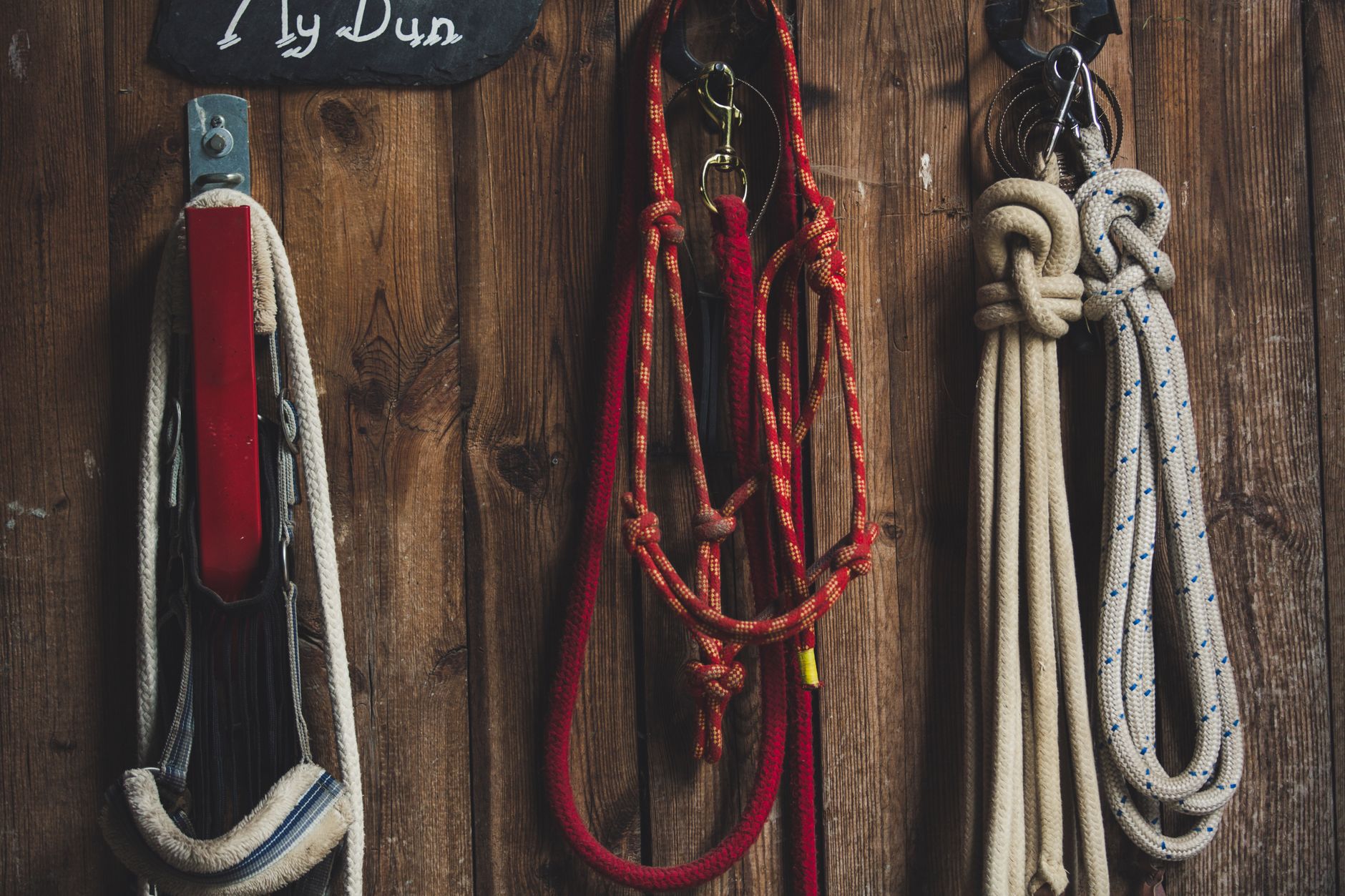
Photo by Markus Spiske
Uncoil fully before storage to dodge kinks. A rope bag keeps air flowing and pests out. Check Edelrid’s model instructions online for exact tips; they cover your sling type.
Preventing edge damage while climbing
Sharp edges chew slings fast, so build habits that dodge the damage. Pad rough flakes or burrs with extra webbing or tape when you spot them. Extend placements with longer Edelrid slings to keep the rope path smooth and cut sawing motion.
Avoid lowering or top-roping straight off a sling unless it’s rated for it and backed by solid gear. Use them for anchors or draws instead. Clip smart: girth-hitch around features without tight rubs.
On trad routes, space pieces to share the load. After big falls or rubs, inspect right away. These steps keep your rack fresh longer and you climbing steady.
Conclusion
Edelrid slings match your climbs when you pick for the right job. Use short ones for quick anchors around trees or bolts. Go longer to cut rope drag on twisty routes or build belay setups.
Match materials to your needs. Dyneema saves weight for alpine hauls but takes knot practice. Polyester or Tech Web grips better in the gym or on sport lines. Start with a small rack: two 60 cm, three 120 cm, and a couple 240 cm ones. This covers most spots without bulk.
Make inspection your habit. Run them through your hands before each climb. Spot fuzz, cuts, or wear indicators, and retire them fast.
Build your starter kit now based on your style. Sport climber? Grab polyester mediums. Trad or multi-pitch? Add Dyneema longs.
Stay safe out there. Get hands-on instruction from pros. Follow Edelrid directions every time. When in doubt, retire the sling. Your next pitch depends on it.
Back to Trad Climbing Gear Slings
Recommended Products for Trad Climbing
These products can support safer climbing, belaying, rappelling, and emergency readiness.
Affiliate disclosure: As an Amazon Associate, TradClimbers may earn from qualifying purchases at no additional cost to you.