
Sterling climbing ropes: A trusted guide for trad climbing
Back to Trad Climbing Gear Reviews
All climbers know the rush of a high line and the weight of a rope that can make or break a lead. When the route gets rugged, a reliable rope keeps you moving with fewer surprises and more confidence. That’s where Sterling climbing ropes come into play, a brand built on rugged durability and proven on real climbs.
Sterling is a USA-made name with a track record for durability and performance. Their ropes are designed to handle long, multi pitch days on granite and sandstone, and they’re built to stand up to sharp edges and demanding use. The company has a history of innovation, from tough sheath designs to advanced fiber blends, all aimed at smoother feeds, less twist, and longer rope life. In this guide I’ll pull together the essentials you’ll want when choosing Sterling climbing ropes for trad climbing, including what models shine on long routes and how they compare in real-world abuse.
You’ll get a quick look at Sterling’s heritage and what makes their ropes special, then a practical run through the top trad-ready models. I’ll call out features that matter on rock faces and in big walls, like sheath durability, weight, and handling on long leads. I’ll also share buying tips to help you pick the right balance of weight, price, and performance for your local crags and multi-pitch objectives. For hands-on context, check this guide to traditional rope management and routing where rope drag can affect your flow on sustained pitches. Sterling climbing ropes shine in real-world climbs and bring reliable performance to your next adventure.
The Origins and Evolution of Sterling Rope Company
Sterling Rope Company has a rich history that mirrors the craft and care climbers look for in every pitch. Born in 1992 in Biddeford, Maine, founders Carolyn Brodsky and Willy Crear set out to build high-quality ropes for climbing, rescue, and working life in the vertical world. Their mission was simple: keep the US-made standard high, with ropes that stand up to real abuse on big climbs and daily use alike. The early years focused on quality control, durable construction, and keeping production close to home so climbers could trust every meter of rope they trusted with their lives.
Pioneering innovations arrived early and defined Sterling’s path. The company introduced the HTP static rope, the first 100% polyester static rope on the market. This rope combined strength with superb handling, making it a favorite for rope access work and rescue scenarios where reliability matters as much as stiffness or low stretch. Sterling also pioneered a 48-carrier static sheath, a design that yielded improved durability and smoother feeding through belay devices. For climbers, these breakthroughs translated into longer rope life, less snagging on sharp rock edges, and more predictable behavior in gnarly overhangs and multi-pitch routes.
Fire and rescue needs spurred even more innovation. Sterling developed heat-resistant options like 100% Technora ropes, which became a staple for firefighter and critical-path work. These ropes offered resilience against heat and abrasion in demanding environments, a benefit that quietly trickled back to climbers who rely on robust equipment in harsh conditions. Over the years, Sterling expanded its reach beyond climbers to supply gyms, arborists, rescue teams, and industrial users, all while keeping manufacturing rooted in the United States.
Sustainability and responsible manufacturing have grown into core priorities. Sterling’s practices emphasize local production with renewable energy use, responsible material choices, and recycling initiatives aimed at reducing waste. The company has pursued certifications and process improvements that underscore consistency and safety across every product line.
Recent moves in the industry have shaped Sterling’s growth without uprooting its core operations. The acquisition by Sherrill Inc. has aligned Sterling with a broader network of gear specialists, enabling expanded distribution and continued product development while preserving the Maine factory and the hands-on ethos that climbers rely on every season. For trad climbers, this translates to continued trust in known rope performance, backed by a company that values long-lasting gear, local production, and a proven track record of practical innovation.
Climber sentiment supports the trust. Pros and long-time partners consistently praise Sterling for reliability, consistency across dynamic and static ropes, and the sense that you can depend on your rope when the weather looks rough and the rock gets sharp. For trad routes where every pull counts, Sterling ropes remain a dependable companion on the wall, in the gym, and on the road.
- For more context on rope drag solutions that pair well with traditional routes, see Trad Climbing Rope Drag Solutions for Smoother Leads.
Trad climbing rope drag solutions for smoother leads - To explore how gear stories intersect with practical climbing use, check Sterling’s narrative in their About Us page, which highlights their commitment to American-made quality and ongoing innovation.
About Us | Sterling Rope
Breakthrough Technologies in Sterling Climbing Ropes
Sterling’s latest rope tech isn’t just about lighter cords or slick colors. It’s about practical, real-world performance on wet rock, alpine ridges, and gritty trad leads. The handful of standout technologies—XEROS dry treatment, Unicore core bonding, and related braid and construction refinements—combine to keep you moving when conditions threaten to slow you down. Below are two sections that break down how these innovations translate into better handling, longer life, and safer falls on trad routes.
XEROS: The Game-Changing Dry Rope Tech
XEROS dry treatment redefines how a rope behaves in damp and dirty environments. It coats every filament, not just the surface, so water repellency stays strong longer. Think of it like a rain jacket that stays effective for the whole climb, not just the first few pitches. In alpine and wet trad terrain, this means a rope that stays drier, handles better, and remains predictable when rock gets slick.
Key benefits you’ll feel on the rock:
- Superior water resistance across the whole rope, reducing water absorption after a quick dip in a wet crack.
- Improved durability, as the dry coating helps resist abrasive edge wear and dirt buildup that can sap performance.
- Maintained strength when the rope does get wet, helping you stay confident on long, exposed pitches.
Models like IonR 9.4 XEROS and Velocity 9.8 XEROS showcase how this tech translates into everyday climbing. The IonR 9.4 XEROS delivers a firm handle that’s easy to clip, with a durable sheath that minimizes dirt intrusion and rope drag. The Velocity 9.8 balances stiffness and suppleness for on-route handling, while maintaining a dry performance profile in mixed conditions. For gear nerds, the tech under the hood includes DryCore and Better Braid enhancements that support a longer life and smoother feeds. If you want to see the latest model notes from the field, you can explore product pages and independent reviews that break down the real-world feel of these ropes. IonR 9.4 mm XEROS Rope | Sterling IonR: Dry Rope Tech
Why it matters for trad climbers: you’re dealing with rock imperfections, mud, and occasional spray from a crux sequence. XEROS keeps water out longer, so your rope stays lighter and easier to manage through long belays and repeated clip-ins on a wet route. It also helps with fall-catching comfort because the rope remains consistent in dynamic behavior even after a few pitches in damp conditions. For a quick model snapshot, see the IonR 9.4 XEROS and Velocity 9.8 XEROS briefs above, and read up on independent testing that confirms their approachable handling and dependable performance. The Best Rock Climbing Ropes
Internal links for deeper context:
Unicore and Other Core Features for Smooth Belays
Unicore bonding ties the core to the sheath, creating a unified sheath-core system that shines when gear slips or you take a lead fall on trad routes. In practice this means fewer core shots and less risk of a cascading sheath tear after a fall on a pro or a slender crack. The result is a rope that feeds cleanly through belays, resists snagging on rough rock edges, and stays reliable over dozens of pitches.
Other core features worth noting include DryCore and the Better Braid construction. DryCore is designed to keep core fibers drier for longer, which translates to more predictable extension and less stiffness after long desert days or wet pushes. Better Braid improves the overall braid stability, reducing sheath-wandering and twist while maintaining good durability. Put together, these elements mean smoother belays, quicker rope handling on long trad pitches, and less drama when you clip into the last piece and the rope’s weight shifts.
Practical implications for trad climbers:
- Fewer core-sheath failures after a fall, which means less rope retirement anxiety.
- Smoother feeds through belay devices and on long anchors, reducing drag that slows you down on steep pitches.
- Consistent performance in mixed rock conditions, so you can trust the rope from first lead to the final retreat.
For a broader look at how these features play out in real testing, see independent reviews and product pages that compare handling, drag resistance, and fall performance. Sterling IonR 9.4 mm XEROS Rope | Velocity XEROS 9.8 Review
Internal links for deeper context:
Top Sterling Ropes for Trad Climbers to Consider in 2026
When you’re dialing in a big trad rack, the rope you trust becomes as vital as your protection. Sterling ropes have earned a reputation for tough, long-lasting performance on rough rock and long pitches. Below are two focused subsections that highlight the workhorse options for trad climbing in 2026, with real-world insights, specs, and practical pairing ideas for sandstone towers and Indian Creek style limestone.
Velocity 9.8: The Workhorse for Rough Trad Routes
The Velocity 9.8 is Sterling’s flagship workhorse for long, demanding trad days. It blends robust durability with handling that won’t wear you down on multi-pitch routes. Expect a rope that feeds smoothly through belay devices, stands up to sharp edges, and holds up under repeated clipping on long pitches.
- Pros: exceptional sheath durability on abrasive rock, light enough to keep your rack manageable, great for multi-pitch days on granite and sandstone.
- Cons: slightly heavier drag on very long pitches, which is noticeable on ultra-long routes.
- Specs to know: 9.8mm diameter, around 64 g/m, available in 70m and 80m lengths for extended cracks and towers.
- Real-world impressions: climbers praise its resilience on sandstone edges and its reliable feeding in rough rock conditions. The rope remains supple enough to handle efficiently after dozens of pitches.
- Practical use: ideal for Indian Creek style crack lines and sandstone towers where you want a balance of durability and reach without sacrificing too much weight.
Quick context for where this rope shines:
- Indian Creek sandstone projects benefit from the Velocity 9.8’s enduring sheath and proven performance on sharp rock.
- For longer climbs or big wall days, its length options ensure you can set clean pitches without excessive drag.
Learn more about this model and related dry-treatment tech here: Velocity 9.8 XEROS Rope. Also see Sterling’s dedicated product page for precise specs and current pricing.
- Internal references you can explore:
IonR 9.4 and Other Lightweight Picks
If speed and lightness are your priorities for long days on exposed granite or sandstone, the IonR 9.4 XEROS stands out as a versatile option. It’s one of Sterling’s lighter choices that doesn’t sacrifice core durability, making it a strong match for fast redpoints or traversing big walls with reduced rope drag.
- Pros: notably light for trad multi-pitch, excellent handling on long leads, dry-treated for grit and damp rock, durable sheath to resist edge wear.
- Cons: higher price point relative to mid-range ropes, and lighter ropes can feel stiffer when thoroughly dirty.
- Specs to know: 9.4mm diameter, around 57 g/m, available in 70m lengths; XEROS dry coating helps keep performance consistent in grit and spray.
- Practical notes: the bi-color version helps you clearly mark the midpoint on long pitches, and the dry treatment keeps performance stable in mixed conditions.
- Real-world context: IonR 9.4 is well regarded for balancing weight and durability, making it a favorite for climbers who climb fast but still push long routes.
For broader context on this category, the IonR 9.4 XEROS rope is documented on Sterling’s site, and field reviews highlight its smooth clip-in feel and reliable performance on diverse rock.
- Internal references you can explore:
Internal links for deeper context:
If you’re building a trad-specific quiver for sandstone and split-face granite, these Sterling options give you solid options for different climbs and speeds. The Velocity 9.8 provides durability for rough, abrasive routes and long days, while the IonR 9.4 XEROS offers lighter handling for fast, multi-pitch ascents. For completeness, you may also consider other Sterling models like VR 9, VR96 Purple Flash, Quest 9.6, and Helix 9.5 as potential complements, depending on your local terrain and preferred style.
Sterling Climbing Ropes vs the Competition: Petzl, Mammut, Edelrid
Sterling ropes hold a direct line to trad climbers who want gear that lasts on long days, heavy edges, and tricky crack pitches. When you compare Sterling against big names like Petzl, Mammut, and Edelrid, the differences aren’t just about weight or colorways. It’s about how the rope behaves on real rock, under repeated clips, and after dozens of pitches. Sterling leans into USA-made craftsmanship, tough sheath durability, and eco-conscious manufacturing. The result is a rope that feels more controllable on long, multi-pitch routes and in edge-heavy terrain. Below we break down where Sterling shines and how it stacks up against the competition in the key areas trad climbers care about.
Images can speak to feel and durability, so here’s a visual of a classic testing ground.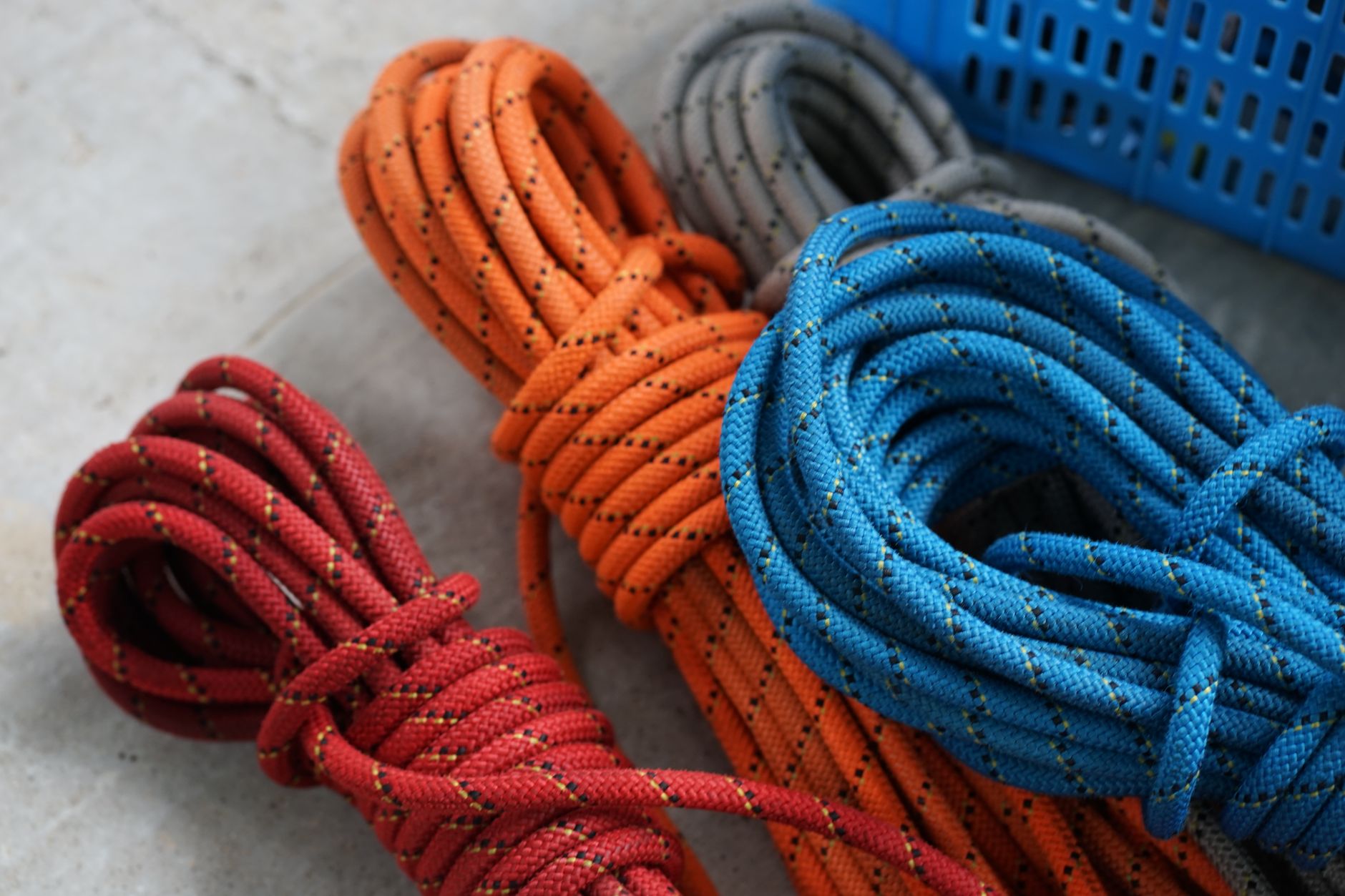
Photo by Warren Yip
When Sterling Outshines the Big Names
Sterling’s identity rests on three practical strengths that really matter for trad climbs: true USA-made quality, eco-conscious tech, and lasting value on multi-pitch abuse. First, Sterling’s production staying local means you’re paying for tight tolerances, consistent manufacturing, and a rope you can trust after a dozen belays on granite or sandstone. The domestic build translates into durable sheaths that resist edge wear and stay supple through the months of use that trad climbers demand.
Second, eco-tech and material choices matter in the real world. Sterling’s XEROS dry treatment, Unicore core-sheath bonding, and related braid refinements reduce water absorption, minimize drag, and extend rope life without forcing you to compromise handling. That means you stay in control on slick sections or damp mornings, with less twist and more predictable catches on the sharp stuff.
Third, value for multi-pitch abuse is where Sterling earns extra credit. On long routes, you’ll appreciate a rope that feeds cleanly, resists core-sheath wear after falls, and remains easy to clip into after dozens of pitches. Sterling’s durability often translates into fewer rope retirements and lower long-term cost per climb. If you’re building a trad quiver for sandstone towers or granite big walls, Sterling models like Velocity and IonR deliver a blend of edge resilience and light handling that’s hard to beat for the price.
A quick comparison to the major players helps put this into perspective. In rough terms, Sterling excels in edge durability and low bounce, which translates to tighter control on long leads and cleaner feeds through belay devices. Petzl Volta and Mammut Infinity offer superb fall performance and life, but their dynamic ranges can feel a touch less forgiving on limestone seams and rough granite where edge wear is relentless. Edelrid Swift brings solid performance but often trails in long-term sheath durability compared with Sterling in edge-heavy trad settings.
Feature table: Sterling vs Petzl, Mammut, Edelrid for trad climbing
| Rope | Stretch (dynamic) | Weight (g/m) | Best for | Notable tradeoffs |
|---|---|---|---|---|
| Sterling Velocity 9.8 | Moderate, predictable bounce | ~62 | Abrasion resistance, long multi-pitch abuse | Slightly heavier drag on ultra-long pitches; superb edge durability |
| Petzl Volta 9.2/9.5 | Low to moderate stretch | ~59 | Falls and general sport/light trad; high durability | Very strong for falls, but not always the best edge life compared with Sterling |
| Mammut Infinity 9.5 | Good dynamic performance | ~59 | Falls and long routes; high lifespan | Excellent life, but edge durability can vary with rock type |
| Edelrid Swift 9.7 | Moderate stretch | ~58 | Smooth handling, versatile on rock | Good handling, but sheath wear can show sooner on sharp edges |
Pros
- Sterling offers exceptional edge durability and low bounce, giving you more control on long, exposed pitches.
- USA-made quality with a track record for reliability in harsh rock conditions.
- Eco-tech behind the scenes means the rope resists water absorption and remains predictable when it matters most.
Cons
- Not the lightest in its class; some climbers notice a bit more weight on ultra-long pitches.
- In some environments, other brands may edge out in raw fall performance or life testing.
If you want to dive deeper into how these ropes perform in the field, check out independent reviews that compare handling, drag resistance, and fall performance. For context on how Sterling’s tech translates to real climbs, you can explore Sterling’s product pages and field tests linked on our site. See the Sterling IonR 9.4 mm XEROS rope page for a firsthand look at dry treatment and handling, and the Velocity 9.8 XEROS page for a robust all-around trad option. You’ll also find general rope-buying guidance that pairs well with trad climbing on our site.
Internal links you can explore for additional context:
- Trad Climbing Rope Drag Solutions for Smoother Leads
- About Sterling Rope
For perspective on broader rope comparisons, look at independent gear guides and reviews in the industry. These sources help validate Sterling’s positioning against Petzl Volta, Mammut Infinity, and Edelrid Swift, while keeping the reader oriented toward practical, on-rock performance. As you assemble your trad rack, think about how you climb most often: edge-dense crack routes or long alpine faces. Sterling’s durability and edge-friendly performance make it a compelling choice for many northern US crags and big-wall ambitions.
How to Pick and Maintain Your Sterling Climbing Rope
Choosing and caring for the right Sterling climbing rope is easier when you know what to look for and how to treat it after every climb. In this section you’ll get a practical plan for selecting the diameter that fits your trad style and for keeping your rope performing through long multi-pitch days.
Picking the Right Sterling Rope
For trad climbing, a diameter in the 9.4 to 9.8 mm range offers a solid balance between weight, handling, and durability on rough rock. A lighter rope helps on long approaches, while the extra girth adds edge resistance on sharp limestone or granite. When in doubt, start with 9.4 mm for speed and ease of clipping, then consider 9.8 mm if you routinely climb rough rock or push long, multi-pitch days. Dry-treated options extend your rope’s life in grit, spray, and damp mornings. For a deeper dive into how diameter choices map to your climbing style, see guidance on rope diameter decisions. Choosing the Right Climbing Rope Diameter
Core tech matters too. Dry treatments like Sterling’s XEROS keep water absorption low and help the rope feel more predictable after long belays. If you want a rope that stands up to edge wear and stays supple on the last pitch, review models in the IonR and Velocity families. For model specifics and current notes, explore Sterling’s product pages such as the IonR 9.4 XEROS Rope and Velocity 9.8 XEROS Rope. IonR 9.4 mm XEROS Rope | Velocity 9.8 mm XEROS Rope
Maintenance Best Practices
Inspect the rope after every climb. Look for frays, flat spots, stiffness, or core exposure. If you see significant wear or a big fall, retire the rope promptly. A simple post-climb routine can extend life and keep performance consistent.
Cleaning is straightforward:
- Rinse with lukewarm water and mild soap, then rinse again.
- Hand wash for best results; machine washing in a dedicated rope bag is acceptable on gentle cycles.
- Dry away from direct sun and heat; lay flat or hang in a shaded area until fully dry.
Storage matters too. Coil loosely and store in a cool, dry place away from direct sun. Regularly rotate gear so no one rope bears all the wear. When in doubt, err on the side of retiring a rope that has seen repeated falls, visible core damage, or questionable strength.
End-of-life and Retirement Guidelines
Rope life depends on usage, but a few rules help you decide when to retire. If the rope has suffered a severe fall onto sharp rock, shows core damage, or fails after a drop test, retire it. Many climbers plan for a practical lifespan based on miles climbed and days on the rock. For heavy use, expect replacement on a yearly cycle; for occasional weekend warriors, a longer horizon is reasonable. Always align retirement with safety and peace of mind on lead climbs.
Quick Start Checklist
- Choose diameters 9.4–9.8 mm based on your typical routes and weight goals.
- Prioritize dry-treated options for grit and damp rock.
- Inspect after every climb; retire after major damage or suspicion of weakness.
- Clean as needed; dry fully before storing.
- Store coiled loosely in a cool, dry spot away from UV.
Ready to try a Sterling rope on your next expedition? A great place to start is the IonR 9.4 XEROS rope for light handling with durable construction, or the Velocity 9.8 XEROS for long, rugged trad days.
Conclusion
Sterling climbing ropes offer real value for trad climbers who push hard on rough rock and long leads. Their durability and smart tech, like XEROS dry treatment and Unicore core bonding, translate to cleaner feeds, less drag, and fewer retirements after big routes. The Velocity 9.8 remains a standout workhorse for multi-pitch days, delivering edge resilience without weighing you down. For the lighter, more nimble option, the IonR 9.4 XEROS provides dependable handling on long redpoints and exposed slabs.
These ropes are built in the USA with a focus on practical performance you can feel on the wall. Dry-treated options stay manageable in grit and damp mornings, while the beefier diameters give you confidence on jagged limestone and sharp granite alike. When you pair Sterling ropes with thoughtful gear choices and thorough upkeep, you get a quiver that endures.
If you’re updating your trad rack, consider Velocity for hard days and IonR 9.4 XEROS for fast, long routes. For deeper specifics, explore the IonR 9.4 XEROS Rope and Velocity 9.8 XEROS Rope pages.
Back to Trad Climbing Ropes
Recommended Climbing Rope Equipment
These products can support safer climbing, belaying, rappelling, and emergency readiness.
Affiliate disclosure: As an Amazon Associate, TradClimbers may earn from qualifying purchases at no additional cost to you.