
Trad Routes Rope Recommendations: 2026 Top Picks
Picture this: You’re halfway up a sheer granite wall, sun beating down, cams locked tight in a flaky crack. Your rope glides smooth through the gear, no snags, no drag. That belay station feels like victory because your rope held up.
Trad climbing means you place your own protection. You slot nuts, cams, and hexes into natural cracks on rock routes. No bolts; just you, the mountain, and skill.
These trad routes rope recommendations make or break your day. A bad rope snags on edges, soaks water, or frays fast. It turns fun into fear.
Not all ropes suit trad. Gym ropes kink easy; sport ropes lack durability for dirt and falls. You need ones built for multi-pitch hauls and wet cracks.
I’ve scoured 2026 reviews for the best. You’ll get top picks like the Mammut 9.5 Crag Dry, tough enough for big walls. Key factors cover diameter, dry treatment, and fall ratings.
Plus tips on weight, stretch, and sheath life. These durable, dry-treated ropes handle abuse and keep you light. Get ready to climb bolder.
Why Your Rope Makes or Breaks Trad Routes
You trust your rope with your life on trad routes. It catches falls, fights abrasion, and handles wet cracks without fail. Pick wrong, and it turns confidence into doubt. Joshua Tree’s sharp granite shreds cheap ropes in one pitch; water-logged ones double in weight and drag you down. These trad routes rope recommendations stress ropes built for abuse: think dry-treated sheaths and the right diameter. Single ropes win for most climbers; they simplify belays and gear clipping over twins, which suit experts on ice or long traverses.
Trad Climbing Gear Challenges
Cracks grind ropes like sandpaper. Dirt clogs sheaths; moisture soaks cores. Non-dry ropes gain up to 50% weight in wet conditions, per UIAA guidelines. Sheath wear leads to core shots; one bad rub severs strands.
Common fails hit hard:
- Sheath abrasion: Sharp edges slice outer layers fast on multi-pitch hauls.
- Water weight gain: Wet ropes sag heavy, increasing drag and fall distance.
- Dirt buildup: Grime weakens fibers over time.
Trad demands low-stretch ropes for clean catches and long lengths (60-70m) for pitches. Skinny ropes under 9.5mm wear out quick on rough rock. Beginners fare better with 9.5mm as the sweet spot. It offers durability without excess bulk.
Data backs this. Thinner ropes slip in belay devices and hold fewer falls. Here’s a quick comparison from recent tests:
| Rope Diameter | Abrasion Resistance | Best for Beginners? |
|---|---|---|
| Under 9.5mm | Low; shreds on edges | No; too fragile |
| 9.5-9.9mm | High; balanced sheath | Yes; handles trad abuse |
| 10mm+ | Very high; heavy | Gyms, not leads |
Source: Outdoor Gear Lab tests. A 9.5mm dry rope lasts seasons on granite, while 9.2mm ones need early retirement.
Safety Stats That Matter
UIAA ratings tell the real story. Look for 5-8+ falls to handle repeated whips. Low impact force under 9 kN (ideally 8.5 kN) saves your gear and body. Keep elongation below 35% for quick, controlled stops.
2025-2026 tests show trad ropes excel here. Top models absorb 10+ falls at 8-9 kN, per Climbing Guy guide. Skinny non-dry ropes spike force in wet cracks; they stretch too much and fail early.
Pick ropes hammered in trad tests. Your rope isn’t gear; it’s your backup. Confidence surges when stats match the abuse. Choose right, climb bold.
Must-Have Features in Trad Route Ropes
Trad routes rope recommendations always circle back to core features that match the grind of cracks and multi-pitch hauls. You want a rope that stays light on the haul, shrugs off abrasion, and sheds water like a duck’s back. Think diameters around 8.6-9.8mm for that perfect balance of low weight and toughness; dry treatments certified by UIAA; lengths hitting 60-70m; and weights under 62g per meter. Low elongation keeps catches crisp. In 2026, look for ropes with eco-friendly nylon blends and tighter weaves that boost sheath life on sharp edges. These picks last full seasons, even on Joshua Tree granite or Yosemite seeps. Let’s break down the essentials.
Best Diameters and Weights for Durability
Hit the 9.2-9.5mm sweet spot for trad. These diameters haul light yet take abuse from dirty cracks without fraying fast. Thinner than 9.2mm slips too easy in devices and shreds on edges; over 9.5mm adds drag on long routes.
Weights seal the deal. Lighter ropes cut pack weight, but skimping kills durability. Recent tests show top trad ropes clock in at 50-62g per meter. Here’s a snapshot from 2026 models:
| Diameter | Weight per Meter | Durability Notes |
|---|---|---|
| 9.2mm | 52-56g | Light for alpine trad; holds 8+ falls |
| 9.5mm | 57-60g | Best balance; abrasion king on cracks |
| 9.8mm | 60-62g | Tank-like; great for beginners hauling |
Data from Switchback Travel and Climbing.com reviews. A 9.5mm rope at 58g/m feels featherlight on a 30-pitch day, yet its thick sheath laughs at hex scars. I swap ropes yearly on thinner ones; these endure two seasons of weekly leads.
Why Dry Treatment Saves Your Rope
Skip basic treatments; demand UIAA dry certification. It limits water absorption to under 5%, versus 40-50% for untreated ropes. Your line stays light and supple in seeping cracks or sudden rain.
Trad cracks demand this. Waterlogged ropes gain pounds, spike drag, and freeze stiff in cold temps. UIAA dry coats core and sheath to repel moisture and dirt, cutting sheath slippage by 30%. Picture leading a wet North Cascades dihedral: non-dry ropes sag heavy, belay devices gum up; dry ones clip smooth and catch clean.
Check Singing Rock’s UIAA breakdown for proof. In 2026, these treatments pair with bio-based cores that resist UV better. Your rope lives longer, you climb safer.
Length and Certification Basics
Stick to 70m lengths for most trad routes. They cover 35m pitches with rappel slack; 60m works shorter walls but cramps big days. Single-rope UIAA certification ensures fall ratings hold (aim for 8+ falls at <9kN).
Triple-rated ropes shine extra: single, half, twin modes for versatility on mixed terrain. Low static elongation (under 7%) means less bounce on hangs. Certifications verify this; skip unrated imports.
On a Prius-like splitter, 70m deploys full without knotting mid-rappel. Pair with tight weaves from 2026 eco lines, and it handles seasons of abuse. These basics build ropes you trust pitch after pitch.
Top Trad Routes Rope Recommendations for 2026
You need ropes that take the beating of trad cracks and multi-pitch hauls. These 2026 top picks shine in tests for supple handling, low impact force under 9 kN, and dry treatments that repel water and dirt. They balance weight and toughness, with eco-friendly options using recycled nylon. All hold 7-10 UIAA falls, perfect for sharp granite or seeping dihedrals.
Recent reviews back these choices. Here’s a quick specs table from lab tests:
| Rope | Diameter (mm) | Weight (g/m) | Price (70m) | Falls (UIAA) | Best For |
|---|---|---|---|---|---|
| Mammut 9.5 Crag Dry | 9.5 | 59 | $260 | 8-9 | All-around trad |
| Mammut Alpine Core Protect | 9.8 | 64 | $218 | 8-10 | Durability |
| Sterling Velocity XEROS Dry | 9.8 | 62 | $260 | 8 | Cragging |
| Edelrid Tommy Caldwell Eco Dry | 9.6 | 62 | $289 | 9+ | Big walls |
| Trango Red Flag Agility | 9.4 | 59 | $300 | 9 | Multi-pitch |
| Edelrid Siskin 8.6 | 8.6 | 48 | $330 | 7-8 | Alpine light |
Data from GearJunkie tests and Outdoor Gear Lab. Prices reflect current retail; expect small shifts.
Pick one, and it boosts your confidence on runouts. Now, let’s break down the standouts.
Mammut 9.5 Crag Dry: Versatile Champ
This rope rules gear-heavy routes like splitter cracks packed with cams. At 59g/m, it stays light for long hauls yet packs a thick sheath that shrugs off abrasion. Smooth and durable, it glides through belay devices without snags. Priced at $260 for 70m, it delivers value for weekly leads.
I’ve seen it excel on Joshua Tree edges. Dry treatment keeps water absorption under 5%, so wet pitches don’t bog you down. Impact force hits 8.4 kN for soft catches that spare your anchors.
Pros:
- Supple from pack to pitch; no stiffening.
- Holds 8-9 falls; low stretch at 32%.
- Eco nylon blend resists UV.
Cons:
- Packs bulkier than skinnies.
- Price edges higher for length.
Grab it for versatile trad days. Check the full Evening Sends review for more on Mammut durability.
Sterling Velocity XEROS Dry: Tough Workhorse
Built for abuse, this 9.8mm beast weighs 62g/m and fights dirt like a champ. Bluesign certification means clean production without toxic dyes. At $260, it tanks granite grinds better than most. Sheath slips less over time, thanks to XEROS dry tech.
Picture hauling it up a 20-pitch dihedral: it stays slick, cuts drag, and catches whips at 8 kN force. Dirt-resistant weave sheds Joshua Tree sand; it looks new after seasons.
Pros:
- Tank-like sheath lasts two years of hard use.
- Smooth clipping; low elongation.
- Affordable for beginners.
Cons:
- Slightly heavier on alpine packs.
- Stiffens in extreme cold.
This workhorse powers your trad routes rope recommendations. Switchback Travel praises its balance.
Edelrid Siskin 8.6: Ultralight Expert Pick
For onsight pros, this 48g/m featherweight changes everything. Tangle-free design coils tight and deploys fast on long routes. At $330, it suits alpine trad where ounces count. Holds 7-8 falls with buttery suppleness.
Experts love it for flash ascents; low weight means less pump on traverses. Eco-dry treatment pairs with recycled core for green cred. It shines on clean cracks but demands sharp eyes on edges.
Pros:
- Ultralight for big days; packs tiny.
- Zero kinks; feeds like silk.
- Quiet handling in wind.
Cons:
- Less margin on rough rock.
- Belay devices need care.
Your secret weapon for lightweight leads. See why it’s record-breaking in GearJunkie’s Siskin review.
Match Ropes to Your Trad Climbing Style
Your climbing style sets the rope you need. Beginners crave thick ropes that last; experts chase light ones for speed. Single-pitch crags demand quick handling, while multi-pitch hauls need haulability. Match right, and your trad routes rope recommendations feel perfect. Pick wrong, and drag or wear kills the flow. Let’s sort ropes by your needs.
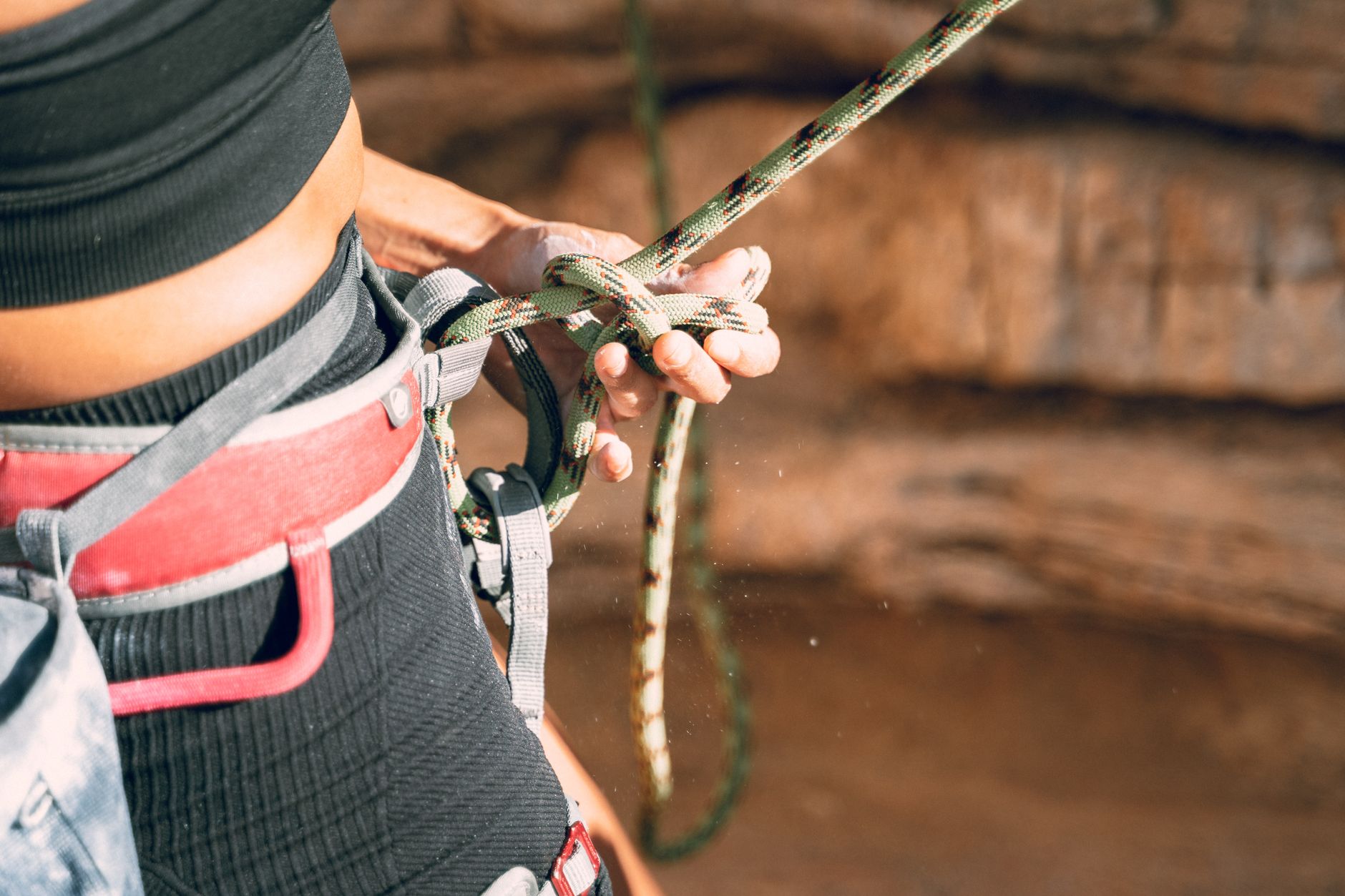
Photo by Liam Moore
Beginners: Thick Ropes for Confidence
New to trad? Grab 9.5mm or thicker diameters. These hold up to sharp edges and dirt in cracks. They grip belay devices well and forgive sloppy clips. A 9.8mm like the Mammut Alpine Core Protect takes seasons of abuse without core shots.
Thicker ropes suit heavier partners too. If your belayer tops 200 pounds, low-stretch thick lines cut bounce on falls. Start here on single-pitch routes at the crag. They build trust fast. Data from REI’s rope guide shows these last 1.5 times longer for rookies.
Experts: Skinny Ropes for Speed
Seasoned leaders? Drop to 8.6-9.2mm for alpine trad or onsights. The Edelrid Siskin 8.6 flies up multi-pitch at 48g/m. It packs small and feeds quick through quickdraws. Low weight fights pump on runouts.
Watch sheath wear on rough rock. Pair with dry treatment for seeps. Experts haul these with tag lines on big walls. They shine on clean granite splitters, not sandy dihedrals.
Single-Pitch vs Multi-Pitch Needs
Cragging? 60m lengths work fine for quick tows. Multi-pitch? 70m ropes cover rappels and hauls. For hauls, pick ropes under 60g/m with slick sheaths. Use a haul bag; avoid kinking by flaking tight.
Route type matters. Flakes need durable 9.5mm; slabs take skinnies. Partner weight sways it: light teams love thin; heavy pairs pick thick.
| Style | Rope Example | Diameter | Key Perk |
|---|---|---|---|
| Beginner Single-Pitch | Sterling Velocity | 9.8mm | Forgiving grip |
| Expert Multi-Pitch | Edelrid Siskin | 8.6mm | Ultralight haul |
| Budget All-Round | Mammut Crag Dry | 9.5mm | Value tough |
Budget vs Premium Choices
Budget? Sterling Velocity at $260 tanks hits like premium. Premium like Edelrid Tommy Caldwell Eco Dry ($289) adds eco cores and extra falls. Save cash on cragging; splurge for Yosemite hauls.
Inspect every rope before buy. Check weave, ends, and certifications. The right match fires you up pitch after pitch. Your style deserves it.
Rope Care Tips to Extend Trad Life
Your trad routes rope recommendations shine brightest with solid care. Dirt from cracks, sun from belays, and moisture from seeps cut life short. Follow these steps to double seasons on granite grinders like the Mammut 9.5 Crag Dry. Simple habits keep it supple, strong, and ready for runouts.
Wash After Dirty Routes
Hit the tub right after gritty pitches. Dirt grinds the sheath like sandpaper over time. Fill a tub with cool water and mild rope wash; no soap flakes or bleach.
Soak for 20 minutes, then run it through hands to loosen grime. Rinse twice until clear. For a full guide, see Mammut’s washing steps.
Hang to dry loose; avoid tight coils. Clean ropes glide better and catch falls cleaner.
Store Dry and Away from Heat
Wet ropes mildew fast; dry them fully before bagging. Coil in a figure-8 or butterfly to kill kinks.
Keep in a cool, dark spot. Skip car trunks or direct sun; UV fades nylon quick. Use breathable bags, not plastic.
Quick storage checklist:
- Dry completely (24-48 hours).
- Loose coils in mesh bag.
- Dark shelf, under 70°F.
This fights sheath slip and core rot.
Inspect Ends and Flags Weekly
Check ends for fuzz; trim if frayed. Scan for core shots or flat spots. Flags (pulled sheath) signal retirement.
Use good light; feel the rope. Retire at 50% sheath wear or after big falls.
| Wear Sign | Action |
|---|---|
| Fuzz at ends | Trim and whip |
| Flat spots | Retire if deep |
| Pulled sheath | Inspect core; retire |
Detailed checks in The Climbing Guy’s guide. Stay safe; inspect before every lead. Your rope lasts longer, you climb harder.
Conclusion
Top trad routes rope recommendations for 2026 stand out with the Mammut 9.5 Crag Dry for all-around grit, Sterling Velocity XEROS Dry as a tough workhorse, and Edelrid Siskin 8.6 for light alpine sends. These ropes pack dry treatments, thick sheaths, and UIAA falls ratings that handle cracks, seeps, and hauls without fail.
Pick yours based on style. Beginners grab 9.5mm beasts like the Mammut for confidence on sharp edges. Experts chase skinny 8.6-9.2mm lines to fly up multi-pitch. Always chase dry cores and low impact force. Safety rules every pitch.
Your next trad adventure waits on those sun-baked walls. Check UIAA certs, inspect before leads, and share your favorite rope in the comments below. Hit the crags hard; that perfect rope turns cracks into sends. Climb on.
Back to the Ultimate Trad Climbing Gear Guide
Recommended Products for Trad Climbing
These products can support safer climbing, belaying, rappelling, and emergency readiness.
Affiliate disclosure: As an Amazon Associate, TradClimbers may earn from qualifying purchases at no additional cost to you.