
Trad Climbing Helmet Safety Tips (Guard Against Rockfall)
Picture this. You’re leading a multi-pitch trad route. High on the wall, a loose rock breaks free with a sharp crack against stone. It whistles past your helmet, missing by inches.
Helmets save lives in trad climbing. Rocks tumble often from above. Your partner might knock one loose too.
These trad climbing helmet safety tips matter because routes stretch long. That means more rockfall risk. Swing falls hit harder on gear that might fail.
Recent surveys show trad climbers average 2.53 injuries per person. That’s higher than 1.92 for all climbers. Head hits happen often in outdoor falls with loose rock.
This post covers why helmets protect you. You’ll learn how to pick the right one that meets UIAA or EN 12492 standards. Get fit tips, inspection checks, and mistakes to avoid.
Stick with these steps. Climb safer next time out.
Why Every Trad Climber Needs a Helmet
Trad routes expose you to hazards sport climbers rarely face. Loose rocks tumble from above as you place gear high on a sketchy crack. Long falls whip your head into the wall. A solid helmet absorbs those blows and keeps you climbing. These trad climbing helmet safety tips start with hard facts on why you can’t skip one.
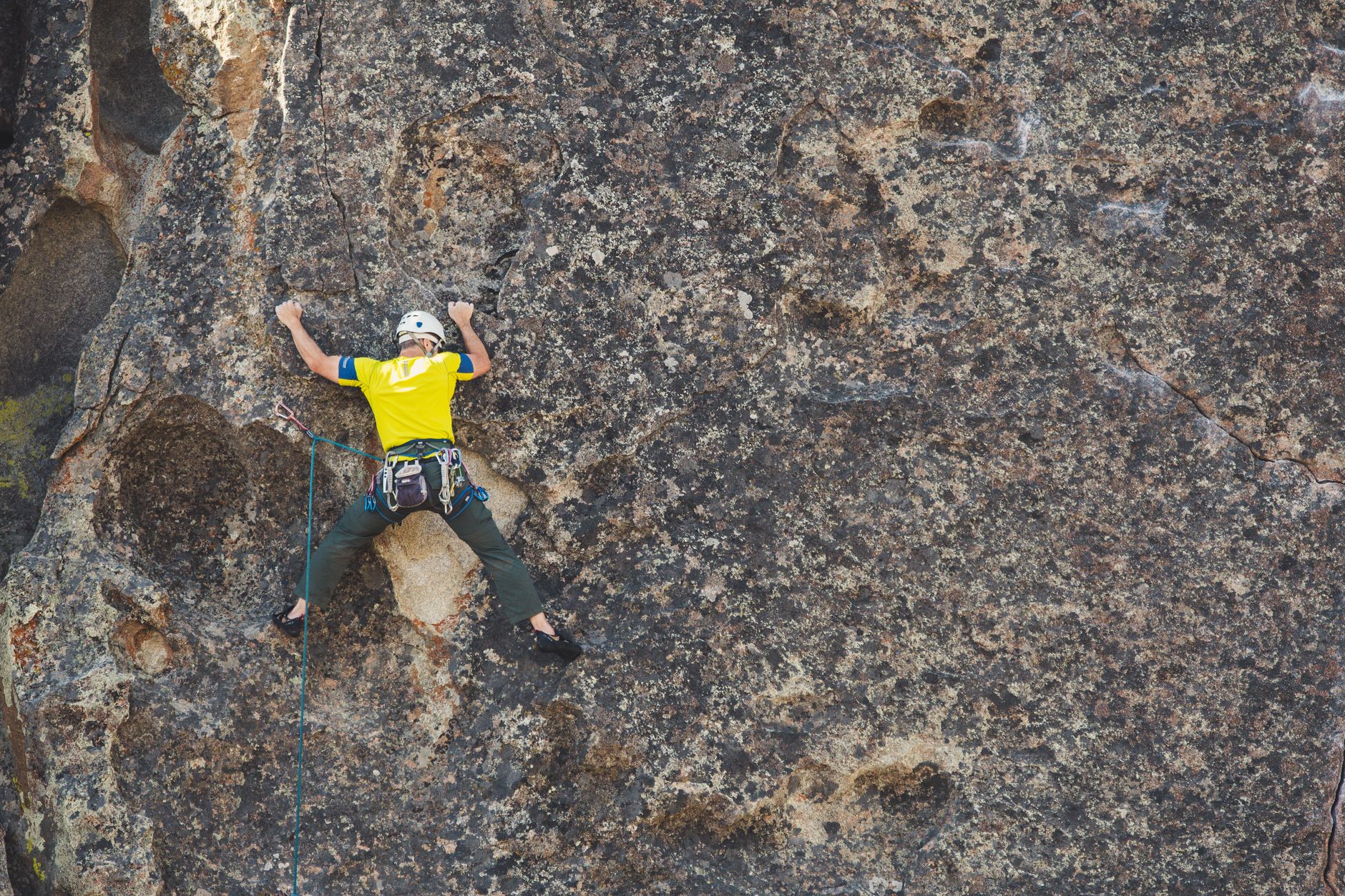
Photo by Brett Sayles
Head Injury Stats That Demand Protection
Numbers don’t lie. Head injuries hit trad climbers twice as often as sport climbers. Rockfall from ledges above and wild swing falls drive these rates up.
Key stats from recent studies tell the story:
- 8.7% of trad climbing injuries involve the head, compared to 4.7% in sport climbing (source).
- Trad sees more severe cases overall, with head trauma in up to 20% of major outdoor falls.
- Helmets reduce risk by absorbing peak forces over 10 kN on top impacts, per UIAA tests.
Outdoor trad demands this edge. Sport walls stay bolted and clean. Trad cracks shed granite flakes that crack skulls without warning.
Top Risks Helmets Guard Against
Rockfall tops the list. Imagine leading a classic like the Priest on Yosemite’s granite domes. A belayer above kicks a dinner-plate-sized chunk loose. It plummets straight at your skull. Helmets crush to spread the force, unlike bare heads that split open.
Falls bring head strikes on ledges. You slip 30 feet on a wandering trad line. Ropes stretch, then pendulum you into a protruding shelf. Side and rear protection in modern UIAA 106 helmets (details here) guards those angles better than older models.
Swing impacts seal the deal. Trad gear runs long between placements. A factor-two fall arcs your helmet into rough walls, not the air of bolted sport routes. Sport climbers face shorter, direct drops with less loose rock or wall contact.
Helmets slash severe trauma from these hits. They resist sharp edges and hold shape under penetration tests. Still, pair one with sharp eyes. Yell “rock!” up top. Spot loose holds before they fly. Vigilance turns good gear into great defense. Skip the helmet, and one bad swing ends your season.
Choose the Best Helmet for Trad Routes
You face loose granite on multi-pitch cracks. A helmet must handle top-down rocks and wild swings. Pick one built for these hits. Look for UIAA 106 and EN 12492 labels. These prove it stands up to trad demands. Skip bike or ski models. They fail on climbing shocks.
Must-Have Certifications Explained
Standards set the bar for trad climbing helmet safety tips. EN 12492 tests top impacts from falling rocks. It drops a 5 kg weight from 2 meters. The helmet limits force to 8 kN on your head. That’s key for rocks that pound straight down on Yosemite domes.
UIAA 106 adds side and rear swings. Think pendulum falls into walls. It checks impacts at angles with similar drops. Petzl pushes these tests for better side coverage. Both standards demand the chinstrap hold a 50 kg pull without slipping more than 2 cm. Full certs mean no weak links.
Bike helmets crack on one hit. Ski ones lack strap strength for hangs. Check labels inside. Verify on the UIAA certified equipment page. Real climbing helmets crush to absorb, then protect again. Don’t trust knockoffs.
Top Helmet Picks for 2026 Trad Climbs
Lightweight picks shine on sweaty trad leads. Airflow keeps you cool during long pushes. Both Salathe Lite and Meteor nail EN 12492 and UIAA 106. They cut weight without skimping on foam crush.
The Edelrid Salathe Lite uses EPP foam for shock spread. Vents pull air on hot cracks. It holds an EN ski cert too. At 180 grams, it barely tugs your neck.
Petzl Meteor fits versatile. Soft padding molds quick. Wide vents fight fog. Dual certs cover all swings.
Here’s a quick pros and cons breakdown:
| Helmet | Pros | Cons |
|---|---|---|
| Salathe Lite | Ultra-light (180g), EPP foam absorbs well, great vents, ski-rated | Pricier, less padding comfort |
| Meteor | Versatile fit, strong side protection, adjustable straps | Slightly heavier (220g), vents can whistle in wind |
Verify certs on the UIAA database. Weigh your routes. Salathe for pure lightness. Meteor for all-day comfort. Both guard against rockfall better than old foam lids. Test fit in shop. Dial these into your rack for safer leads.
Nail the Perfect Helmet Fit
A helmet that fits wrong slips in a fall. It leaves your skull exposed just when rocks fly. Proper fit ranks high among trad climbing helmet safety tips. Get it snug over your forehead. Sit level. No wobble. This setup guards against rockfall on long cracks. Follow these steps to dial it in right.
Sizing and Adjustment Steps
Start with your head size. Grab a tape measure. Wrap it around your forehead. Go about one inch above your eyebrows. Note the circumference in centimeters. Most helmets list sizes like 52-58 cm inside the shell.
Pick a model in that range. Slip it on. The front edge should hug your brow snug. Leave no gap bigger than two fingers. Tilt it back a touch. It must sit level, not pitched forward or rear.
Now tweak the fit system. Many use a dial at the back. Turn it until padding presses even all around. No hot spots pinch your temples. Straps form a Y under your ears. Pull them tight so the buckle rests below your chin. Buckle up. Test with a beanie or ponytail. Adjust side straps equal. Chin strap stays firm but lets you talk.
Poor fit spells trouble. A loose lid shifts in a swing fall. Straps that bind ride up. You lose protection fast. Aim for even pressure. It feels secure, not squeezed. Check this fit guide from WeighMyRack for visuals on common models like the Petzl Meteor.
Quick Fit Tests Before You Clip In
Your helmet passes fit checks or stays home. Run these simple tests every time.
First, the shake test. Hold the chin strap. Shake your head side to side, then front to back. Hard, like dodging a loose block. No rocking or lift off your brow means good.
Next, strap pull. Grab both sides of the shell. Tug up and forward. Chin strap should hold firm. It stops at one inch of movement max. Loose? Tighten more.
Last, brow coverage check. Look in a mirror. Edge the brim one inch above eyebrows. Tilt your head down. It blocks light but lets you see holds. Too high exposes your forehead to direct hits.
Nail these, and your helmet stays put on that exposed lead. One bad fit turns solid gear worthless. Test now. Climb safe.
Inspect and Care for Your Helmet Right
You rack your cams for a long trad day. A pebble pings off the helmet from 100 feet up. It looks fine. But hidden cracks or worn straps turn that ping into a disaster. These trad climbing helmet safety tips include smart checks and care. Spot problems early. Keep your lid ready for real hits.
Daily Pre-Climb Inspections
Grab your helmet each morning. Run your fingers over it. Look for signs of trouble before you tie in. A full check takes two minutes. Miss one, and rockfall wins.
Follow this simple checklist every climb:
- Shell cracks or dents: Hold it to light. Scan the outer shell top to bottom. White stress marks or gouges mean retire it. Tiny hairline cracks spread fast under force.
- Foam crush or damage: Peel back padding. Press the inner foam. Sunken spots or crushed areas won’t absorb shocks. Replace if foam feels soft or smells off.
- Strap wear and stretch: Tug each strap hard. Check for frayed edges, glue fails, or plastic cracks at buckles. Chin strap must hold without more than one inch of give.
- Headlamp clips and accessories: Wiggle clips or vents. Loose bits snag ropes or fail in falls. Tighten or tape them firm.
Watch Petzl’s inspection video for close-up demos. Or see this DMM helmet check guide. Do it at the belay. Your partner spots what you miss.
Long-Term Storage and Replacement Rules
Dirt grinds in after a gritty trad push. Sweat soaks the pads. Wrong storage fades the foam. Treat your helmet right between trips. Clean it quick. Store smart. Plan to swap it out.
Start with maintenance basics. Rinse pads with mild soap and cool water. Air dry in shade. Never bake it in sun or a hot car. UV rays weaken foam fast, like paper left in light.
For storage, hang it loose in a cool, dark spot. Avoid attics or garages. Dust bags work best. Check dates inside. Most makers say replace after 3-5 years, even with light use.
Impact rules stay strict. Any hit counts, big or small. A “glancing” rock bounce compresses foam. It might fail next time. Drop tests from a table? Retire it too.
Here’s your replacement checklist:
- Major fall or rock strike (even minor).
- Storage over 5 years or heavy use past 3.
- Foam yellows from sun or smells chemical.
- Straps won’t adjust or buckle sticks.
REI spells it out clear in their gear retirement guide. Mammut agrees: frequent scrapes cut life short (their care tips). Buy new for that next alpine start. Your head thanks you.
Steer Clear of These Helmet Pitfalls
You’ve dialed in the fit and grabbed certs. Still, simple slips turn solid gear into junk on a trad lead. These trad climbing helmet safety tips spotlight pitfalls that climbers hit hard. Loose setups and bad picks let rocks win. Spot them now. Keep your skull safe on those crumbly cracks.
Fit Fails That Send Helmets Flying
Picture a sharp swing on a wandering trad pitch. Your helmet lifts off like a kite in wind. Poor fit ranks as the top killer. It shifts fast under force.
Loose chinstraps top the list. Skip the buckle, and gravity pulls it back in a fall. Climbers wake up with gashes because straps hung slack. Always snap it firm. Test with shakes; it stays put.
Other fails pile on. Too-big shells rock side to side. Gaps at the brow expose skin to direct hits. Twisted Y-straps pinch ears wrong. They ride up and expose the neck. Real accidents show helmets peeling away mid-fall, leaving heads bare to ledges.
Fix it quick. Pull straps even. Dial the rear knob snug. Check Climbing.com’s guide on common helmet mistakes for pics of bad setups. One tug test saves the day.
Wrong Gear Choices to Skip
Grab a bike helmet for cheap weight? It cracks on the first rock drop. Bike models flop in UIAA 106 or EN 12492 tests. They lack strap pull strength for climbing hangs. Forces spike past 10 kN on top impacts, and foam shatters.
Trad demands full certs. Bike lids shine on pavement rolls but fail vertical rockfall. Forums buzz with tales of split shells from “minor” pebble strikes. Older helmets ignore side weak spots too. Modern ones spread force all around; relics crack on swings.
Skipping inspections seals the doom. Cracked foam from past pings gives zero next time. Always scan before racking up.
Dodge these with basics. Match certs to routes. Buckle every pitch. Pair gear with sharp eyes below. Vigilance turns pitfalls into non-issues. Your next lead stays clean.
Conclusion
You lead that multi-pitch crack. A rock pings off your helmet. It holds firm. These trad climbing helmet safety tips make it happen.
Pick gear with UIAA 106 and EN 12492 certs. They crush rocks and swings from Yosemite domes to gritty walls. Nail the fit snug over your brow. Shake tests prove it stays put in wild falls.
Inspect every time. Scan shells for cracks. Check foam crush and strap wear. Dodge loose chinstraps or bike lid fakes. Skip those pitfalls.
Helmets save lives on trad routes. They spread forces that split bare heads. But gear alone won’t spot loose blocks above. Stay alert. Yell “rock.” Watch your partner clip.
Grab your helmet now. Run the checks. Tighten straps. Gear up safe for the next push.
Top out clean. Feel summit wind cool your sweat. Grins break wide with your belayer. Pure joy hits as views stretch endless.

Photo by Joshua Sortino
Back to the Ultimate Trad Climbing Gear Guide
Recommended Products for Trad Climbing
These products match the equipment and gear topics covered in this article.
Affiliate disclosure: As an Amazon Associate, TradClimbers may earn from qualifying purchases at no additional cost to you.