
How Many Quickdraws for Trad Climbing? (8-12 Guide)
Picture yourself halfway up a splitter hand crack on a sun-baked granite route. Your cams sit solid, but the rope snakes behind them, building massive drag with every move. You grunt, pull harder, and wonder if you’ll make the belay without a tangle.
Quickdraws solve this fast. These simple clips connect your trad gear, like cams and nuts, straight to the rope. They keep things extended and smooth, so friction doesn’t fight you.
You’ve probably asked yourself, how many quickdraws for trad climbing? Pack 8-12 for most single-pitch routes. That handles standard cracks without overload.
I live for these runs, the pure joy of placing gear that inspires trust. This post breaks it down: quickdraw basics, exact numbers by route type, key factors like length and drag, smart rack tips, and pitfalls to skip.
Nail your count, and every pitch flows safe and fun. No drag disasters, just send after send. Let’s gear up right.
Quickdraw Basics for Trad Climbers
Quickdraws look basic: two carabiners linked by a durable sling. Clip one end to your cam or nut, the other to the rope. In trad, they shine by pushing placements away from the rock. This cuts friction on wandering cracks and keeps pulls smooth. Nothing beats that clean clip when you’re mid-pitch, rope gliding free.
You need them more on trad routes than sport lines. Bolts sit fixed and straight; trad gear follows irregular cracks. Quickdraws extend those pieces, slash drag, and let you move fast. Light wiregate carabiners trim ounces, perfect for long days.
Short Draws vs Extendable Ones
Short draws run 12-18 cm. They hug tight spots like nut placements or shallow cracks. Grab them for quick clips where space stays slim. I pack these first; they rack neat on your harness.
Extendables stretch 60-120 cm, often called alpine draws. Use them on cams to space out protection and kill rope drag. Picture a zigzag roof: long draws keep the rope straight, no tug fights.
Mix them smart. For single-pitch trad with 8-12 quickdraws total, try 6 short and 4 long. This balances weight and flow.
| Type | Length | Best For | Weight Example |
|---|---|---|---|
| Short | 12-18 cm | Nuts, tight cracks | 50-60g |
| Extendable | 60-120 cm | Cams, drag reduction | 70-90g |
Check the DMM Spectre for a lightweight pick. Its wiregates save grams without skimping strength. Love how they clip silky on runouts.
Learn more on extending draws for trad.
Why Trad Racks Differ from Sport
Sport climbers load 12+ stiff draws. Bolts demand them clipped fast on straight bolts. Those rigid dogbones handle whippy falls well.
Trad flips it. You want fewer, lighter draws (8-12 total). Cracks twist; extra gear adds drag that yanks you off line. One bad kink mid-crack, and you’re wrestling rope instead of rock.
I’ve felt it: heavy sport racks flop on trad, pile weight, snag gear. Light trad draws let you focus on perfect placements. Drag risks skyrocket on runouts, so prioritize extension over bulk.
See quickdraw choices at REI for solid picks. Your rack feels alive when it matches the route.
Recommended Quickdraw Counts by Route Type
How many quickdraws for trad climbing depends on your route. Single-pitch cracks need fewer pieces to stay light. Multi-pitch adventures demand more to handle pitches and anchors. Pack right, and you clip smooth without drag or weight woes. This table sums it up quick.
| Route Type | Typical Length | Total Quickdraws | Recommended Mix |
|---|---|---|---|
| Single-Pitch | 80-100 ft | 8-10 | 6 short, 4 extendable |
| 2-3 Pitches | 200-300 ft | 10-12 | 4 short, 6-8 extendable |
| Longer Multi | 400+ ft | 12+ | 4 short, 8+ extendable + extras |
Plan 8-10 placements per pitch. That covers most cracks. See real climber racks on Mountain Project forums.
Single-Pitch Trad: The Starter Rack
Single-pitch routes keep it simple. You need 8-10 quickdraws total. This rack fits 80-100 foot routes with 10-15 placements. No overload, just enough to protect key spots.
Start with 6 short draws. They clip nuts and tight cams fast. Space stays narrow in finger cracks or flakes. Short ones rack tight on your harness gear loops. I grab them for steep faces where every gram counts.
Add 4 alpine draws. These extend cams in wandering lines. Rope drag kills flow on a 90-foot splitter. Long draws push pieces out, keep pulls straight. Picture a roof traverse: one extendable clips your #2 cam clean, no snag.
This mix weighs light, around 500 grams total. Test it on moderate 5.8s first. You’ll clip confident, move free. I’ve sent countless single-pitch days this way. Pure focus on the rock.
Multi-Pitch Routes: Scale It Up
Multi-pitch changes everything. Bump to 10-12 quickdraws for 2-5 pitches. Add 2-4 extras for anchors. Split the rack with your partner. Each carries half to balance load.
More extendables shine here. Go 4 short, 6-8 long. Cracks zig-zag over pitches; drag builds fast without extension. Clipping anchors needs doubles sometimes. One pitch flows into the next seamless.
For longer routes, hit 12+. Big walls excite me most. Gear up for hauls and bivies. That full rack lets you protect runouts, build solid belays. Partner shares mean no one hauls heavy.
I’ve racked this for Yosemite classics. Eight placements per pitch, plus anchors, covers it. Rope glides, no fights. Check REI’s quickdraw guide for multi-pitch tips. Your team sends stronger together.
Key Factors to Adjust Your Quickdraw Number
Start with the 8-12 quickdraw baseline for trad climbing. Now tweak it based on real route demands. Crack shapes, rope drag risks, pitch count, and total weight all shift your count. Smart tweaks keep you light and flowing. Picture this: perfect rack feels like an extension of your hands, pure power on the wall.
Quick math helps. Multiply pitches by 8-10 placements. Subtract for shared gear with your partner. A two-pitch route might drop from 20 to 12 total. I’ve dialed racks this way on Joshua Tree splitters. You clip clean, drag stays low, and confidence soars. Aim for under 1 pound total weight; it lets you climb all day without fatigue.
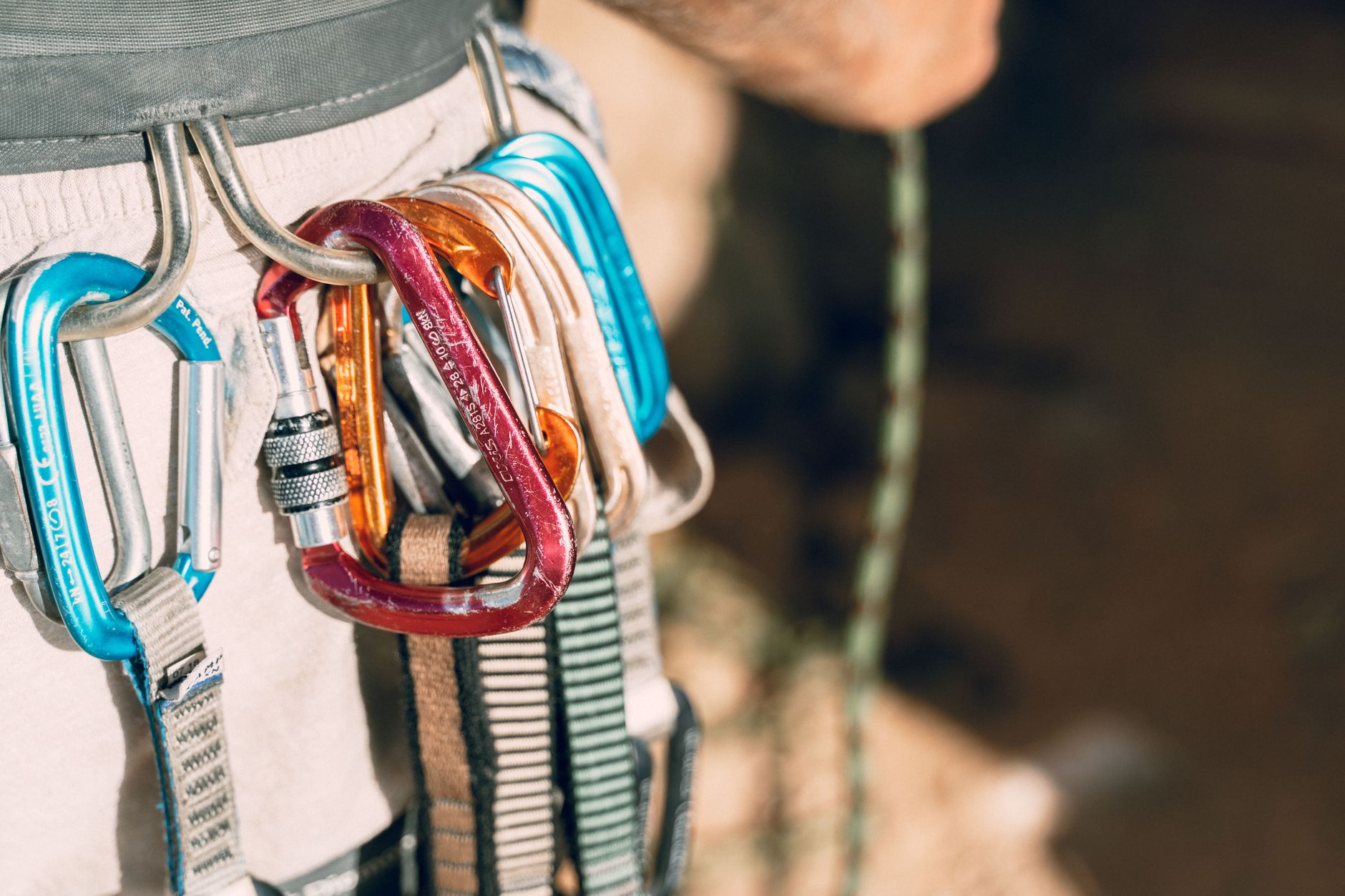
Photo by Liam Moore
Crack Types and Placement Needs
Cracks dictate your extendables. Parallel splitters run straight, like laser-cut granite hands. You need fewer long draws here, maybe just 2-4 total. Gear sits uniform; short draws clip fast without extra extension. I love these lines for their rhythm. Rope pulls direct, no fights.
Flared or wandering cracks change that. Edges pinch and widen; the rope wants to wander too. Add 2-4 extendables to push pieces out and keep direction straight. One flared lieback mid-pitch? Double up on longs to avoid drag buildup. Check REI’s guide on placing trad gear for spot-on tips. Your placements hold bomber, pulls stay smooth.
Key crack tweaks:
- Parallel/splitter: 6 short, 2-4 extendable.
- Flared/wandering: 4-6 short, 4-6 extendable.
Rope Drag and Route Features
Rope drag sneaks up on zig-zag routes. Corners, roofs, or traverses kink the line fast. Double extendables on these spots. Long slings prevent twists and rubs that yank you back. Clip one per piece, extend fully; the rope glides like silk.
Straight runouts? Stick basic. But a wandering dihedral? Pack extras. Long draws space protection even. I’ve battled massive drag on Smith Rock traverses; extra extendables turned fights into flows. See how at 99Boulders on alpine quickdraws.
Drag fighters:
- Zig-zag pitches: Add 2 doubles.
- Straight lines: Standard mix works.
Dial these factors, and your rack empowers every move.
Build Your Ideal Trad Quickdraw Rack
You’ve dialed your quickdraw count to 8-12. Now build a rack that feels custom-made for your style. Pick light gear that lasts. Rack it smart to grab pieces fast mid-crack. This setup cuts weight, kills drag, and boosts speed. I swear by minimal kits; they let you climb light and free.
Top Gear Picks and DIY Tips
Start with proven lightweights. The Black Diamond MiniWire weighs just 53 grams for the 12 cm version. Its wiregates clip smooth and shed ice. Go alpine length at 65-75 grams for extension. Pair it with the DMM Spectre, another featherweight at around 50 grams. These shine on runouts; pros pick them for all-day sends. Rack a 10-12 mix: 6 short for nuts, 4-6 extendables for cams.
Check full specs at WeighMyRack or Outdoor Gear Lab reviews.
| Model | Length Options | Weight (pair) | Price (USD) |
|---|---|---|---|
| Black Diamond MiniWire | 12 cm / 60 cm | 53g / 65-75g | $19.95-$25.95 |
| DMM Spectre | 11-18 cm | ~50g | ~$20 |
Rack like a pro. Hang draws on harness gear loops. Point the gear carabiner outward (rope side inward). This grabs pro fast without twists. Color-code by type: blue for shorts, red for longs. Group sizes together, like small cams on one hip. James Pearson pushes light biners always; they save grams without weak spots. See his tips in this gear chat.
DIY extendables save cash. Triple a 60 cm nylon sling. Thread two wiregates: one through each end loop, then fold the sling into three strands around one gate. Clip gear on the tripled side, rope on the single. It shortens for racking but pulls out full length. Perfect for flared cracks. Petzl shows it step-by-step.
Test minimal first: 8 draws on easy single-pitch. Add as you climb. My rack evolved this way. Light, organized, ready for any crack. You’ll feel the difference on your next send.
Avoid These Common Quickdraw Mistakes
I’ve blown quickdraw choices on routes that should have sent clean. These slip-ups spike drag, add weight, or snag clips. They pull you from the rock and into frustration. Spot them early, fix them fast, and your trad lines flow smooth. Learn from my stumbles; you’ll rack smarter and climb stronger.
Packing Too Few Quickdraws
You skimp to save weight and end up with rope drag that yanks hard. Cracks demand 8-12 draws; fewer leaves gaps where friction builds. I fought a brutal zipper on a Joshua Tree splitter once, barely made the top.
Fix it: Count 8-10 for single-pitch, add for multipitch. Space every 10-15 feet. Drag drops, pulls stay direct.
Relying Only on Short Draws
Short ones clip nuts fine but flop on cams in wandering cracks. No extension means rope rubs the wall, fights every move. All shorts wrecked my rhythm on flared dihedrals.
Fix it: Mix 6 short, 4 extendables. Long slings kill drag. See extending protection tips from trad pros.
Grabbing Heavy Quickdraws
Sport-style beefy draws pack pounds that tire you mid-pitch. Trad needs light; heavy kits slow runouts and kill all-day sends.
Fix it: Pick wiregates under 60g each. Black Diamond MiniWires or DMM Spectres shave ounces without weak spots. Your harness stays nimble.
Racking Draws Wrong
Twisted biners or inward-facing gates snag gear or risk cross-loading. Poor setup means fumbles when you need speed.
Fix it: Point rope biners in, gear out. Color-code: blue shorts left, red longs right. Group by size. Clips snap fast every time.
Forgetting Draws for Anchors
You burn your rack on the pitch, then scramble at belays with no clips. Weak anchors mean sketchy rests.
Fix it: Stash 2-4 extras split with your partner. Double up for solid ties. Safe belays let you push harder.
Ditch these habits, and your rack turns mistakes into sends. Pure joy on the sharp end.
Conclusion
You now know how many quickdraws for trad climbing: pack 8-12 for most routes. This number fits single-pitch cracks with 6 short draws and 4 extendables. Scale to 10-12 for multipitch, always tweak for flared cracks or zig-zag lines.
Dial your rack with light picks like Black Diamond MiniWire or DMM Spectre. Mix types, rack smart on your harness, and skip common traps like too few draws or all shorts. Rope drag vanishes, placements hold bomber, and every pull feels direct.
Build that perfect rack today. Test it on your next splitter. Share your go-to count and favorite draws in the comments below. What mix sends best for you?
Trad cracks call. Gear up light, climb strong, and chase those pure sends. The rock waits.
Back to the Ultimate Trad Climbing Gear Guide
Recommended Products for Trad Climbing
These products can support safer climbing, belaying, rappelling, and emergency readiness.
Affiliate disclosure: As an Amazon Associate, TradClimbers may earn from qualifying purchases at no additional cost to you.