
West Coast Trad Climbing Essentials
Granite cracks split sun-baked faces. Ocean views stretch below on the West Coast. Trad climbing here tests your jam and judgment.
Trad climbing means you place your own gear. Cams and nuts protect cracks, not bolts. New climbers need the right setup to stay safe.
This post covers West Coast trad climbing essentials. You’ll get gear lists, clothing picks, safety skills, top areas, and tips. Build strong skills without big risks.
Start in Yosemite Valley for classic granite lines. Hit Joshua Tree for short cracks. Try Index in Washington for steep challenges.
Pack cams from fingers to fists. Add nuts, slings, and a helmet. Layer with sun shirts and rain shells for coast weather.
Master anchor building and gear checks. Place often on easy routes first. Practice keeps falls short.
Main sections ahead include:
Essential trad gear for racks and ropes.
Clothing that handles sun, wind, or chill.
Core safety skills like placements and knots.
Practical safety tips for real routes.
Popular West Coast areas from California to Washington.
Current trends in training and tech.
Progression plan to lead with confidence.
Grab these basics. Climb smarter on the coast.
Essential Gear for West Coast Trad Climbing
West Coast trad routes demand tough gear. Granite cracks in Yosemite or Index chew through weak setups. Pick items built for multi-pitch days, rockfall, and heavy racks. These basics keep you safe and moving fast.
Ropes, Harnesses, Helmets, and Basics
Start with your rope. Go for a 60-70 meter length to handle long pitches common on coastal granite. Choose a 9.8-10.2 mm diameter for durability; thinner ropes fray fast on sharp edges. Dry treatment sheds water from coastal mist.
Your harness needs strong gear loops. West Coast racks get heavy with doubles in cams. Models like the Petzl harness praised in Yosemite bigwall guides hold 20+ pieces without sagging.
Helmets save lives here. Rockfall plagues routes like those in Joshua Tree or Squamish. Pick lightweight ones with good ventilation for hot days; they stop head strikes from loose flakes.
Belay devices must grip well. Tube-style like the Black Diamond ATC works for single and double ropes on varied terrain. Pair it with sticky climbing shoes for edging in cracks all day. Comfort matters on 30-pitch hauls.
These picks suit West Coast multi-pitch needs. See the full REI trad checklist for rack ideas.
Protection: Nuts, Cams, and Slings
Nuts form your passive pro base. Carry one set of 10-12 nuts, sizes 4-11, for pin scars and shallow cracks. Offsets like Black Diamond Stoppers shine in Yosemite’s flaring granite.
Cams take the lead role. Build singles from finger sizes (#0-0.5 Camalot) to hand cracks (#4-5). Double mids (#0.75-2) for Yosemite-style cracks; they repeat often on routes like Nutcracker. Add one large for offwidths.
Slings cut rope drag and build anchors. Pack six 120cm nylon slings in various colors for quick grabs. Use doubles on wandering pitches to keep the rope straight. Cordelettes or screamers extend anchors on bomber trees or horns.
Doubles in mids prevent whippers on runouts. Rack like this matches granite cracks from the Valley to Index. The Evening Sends guide breaks down starter sets.
Key sizes at a glance:
| Gear Type | Recommended Sizes/Quantities |
|---|---|
| Nuts | 1 set (sizes 4-11), add offsets |
| Cams | Singles 0-5 Camalot; doubles 0.75-2 |
| Slings | 6x 120cm nylon; 2x 240cm |
Rack Organizers and Extras
Organize to climb smooth. A gear sling like the Yates holds nuts and cams off your harness. It frees hips for stemming wide cracks.
Keep a nut tool handy. Pry stubborn pieces without trashing lobes. Chalk bags stay full; granite dries hands fast.
Pack a light approach bag. Stuff it with layers, food, and water for 2-3 hour hikes to coastal crags.
Don’t skip headlamp, knife, and topo. Long days turn dark in Squamish gullies. A multi-tool fixes stuck draws; printed topos beat phone batteries.
These extras prevent downtime. Check Black Diamond’s rack tips for organization hacks.
Clothing Layers for West Coast Trad Conditions
West Coast trad climbing essentials include clothing that fights variable weather. You face scorching sun in Joshua Tree, damp winds in Squamish, and sudden rain near Index. Layers wick sweat on leads, insulate at belays, and block elements. Build a system that dries fast and packs small for multi-pitch hauls.
Base Layers and Mid Insulation
Your base layer pulls sweat from skin. Pick synthetic like polyester blends or merino wool for quick drying in wet conditions. Synthetics handle Yosemite sweat fests; merino fights odor on Squamish overnights. Go lightweight for hot leads, midweight for cooler coasts.
Avoid cotton; it soaks and chills you. Long-sleeve tops shield arms from granite scrapes. Brands test well in damp granite zones, as seen in Outdoor Gear Lab’s base layer reviews.
Add mid insulation for belay stops. A fleece hoodie breathes on mild days. Pack a puffy jacket with 800-fill down or synthetic for wind-exposed stances. Synthetics like Climashield stay warm when damp. Layer them over base for quick warmth; strip down for jams.
Key picks match West Coast needs:
- Base: Smartwool 150 or Patagonia Capilene Cool (150g/m²).
- Mid: Patagonia R1 fleece or Black Diamond Dawn Patrol puffy.
These setups keep core temp steady from lead to belay.
Outer Layers, Pants, and Protection
Outer shells stop wind and rain. A light wind shell like the Outdoor Research Helium blocks gusts without bulk. Pair it with a Gore-Tex rain jacket for Squamish drizzle; full-zip models vent fast.
Pants take abuse from offwidths. Crack pants or softshells with reinforced knees handle Joshua Tree sand and Yosemite jams. Stretchy nylon-cotton mixes move with you; avoid stiff denim.
Protect hands with crack gloves or tape. Gloves like Wild Country Crack Gloves pad jams without bulk. Tape gloves save skin on long splitter days.
Pack these for full coverage:
- Wind shell: 10D nylon packable.
- Rain jacket: 20D Gore-Tex Paclite.
- Pants: Prana Stretch Zion or Arc’teryx Gamma.
- Hands: Leather palms or Leukotape rolls.
They shield you pitch after pitch.
Sun Gear and Approach Footwear
Sun hits hard on coastal granite. A wide-brim hat or buff shades your neck. Polarized sunglasses cut glare on talus fields. Add sun hoodies with UPF 50+ for exposed approaches.
Approach shoes grip loose rock. Sticky rubber soles handle talus hopping in Yosemite or Joshua Tree scrambles. Models with mid-height cuffs prevent ankle rolls; drain holes shed morning dew.
Essential sun kit:
- Hat: Buff or Patagonia P-6 Logo.
- Glasses: Julbo Explorer 2.0.
- Shoes: La Sportiva TX4 or Scarpa Origin.
This gear fights burns and slips to get you climbing fast. Check REI’s layering basics for more system tips.
Safety Practices for West Coast Trad Climbs
Safety forms the core of West Coast trad climbing essentials. Routes in Yosemite, Joshua Tree, and Squamish demand sharp focus. Loose rock and long runouts test your prep and habits. Follow these steps to clip bolts in confidence.
Prep Steps Before Climbing
Build skills on flat ground first. Take a mentor-led course or clinic at areas like Joshua Tree. Instructors show nut placements and cam lobes in safe spots. You learn to spot flaring cracks without height pressure.
Practice ground tricks daily. Clip quickdraws to trees. Tie figure-8 knots blindfolded. These drills build muscle memory for real leads.
Study your route ahead. Print topos from Supertopo guides or apps. Note crux gear sizes and rappel anchors. Check recent trip reports for loose sections in Yosemite slabs.
Run a full kit check. Inspect ropes for core shots from sharp granite. Test cams for sticky triggers. Pack extra slings and a prusik for escapes. Double-check helmet fit; it stops flakes from Squamish roofs.
These prep moves cut errors. You climb ready.
Key Habits While Climbing
Place gear often and deep. Back up every piece with a nut or cam below cruxes. In Yosemite splitters, cams hold best when lobes twist parallel to the crack. Test each tug down and out.
Use slings smart. Extend gear in zig-zag lines to kill drag. Double ’em on sharp edges at Index. This keeps ropes running clean on multi-pitch hauls.
Build solid anchors. Equalize three points on horns or trees. Use a cordelette for master points. Clip belay loops, not gear loops. Check the Climbing magazine habits list for belay setups.
Talk clear with your partner. “Clipping!” or “Slack!” beats shouts over wind. Use hand signals in noisy gullies. Confirm “On belay?” before every lead.
Stick to these habits. They shorten falls and speed rappels.
Watch for West Coast Hazards
Loose blocks hide everywhere. Test holds with a solid kick before weight. In Joshua Tree, choss flakes crumble under jam. Yell “Rock!” loud if one goes.
Plan descents close. Chains rust in coastal damp. Bring extra cord for replacing slings on Squamish rappels. Double-check knots before pulling rope.
Heat drains you in the desert. Drink two liters before Joshua Tree starts. Cold snaps hit Index mornings; layer at belays. Watch for dehydration signs like cramps.
Check the NPS Yosemite safety page for weather alerts. Scout escape paths on approach.
Spot these risks early. You finish routes strong.
Prime West Coast Trad Areas to Explore
West Coast trad climbing essentials shine in spots packed with cracks and corners. You get granite splitters, steep faces, and runouts that build skills. Start north and work south to match your rack and weather prep. These areas test placements on real rock.
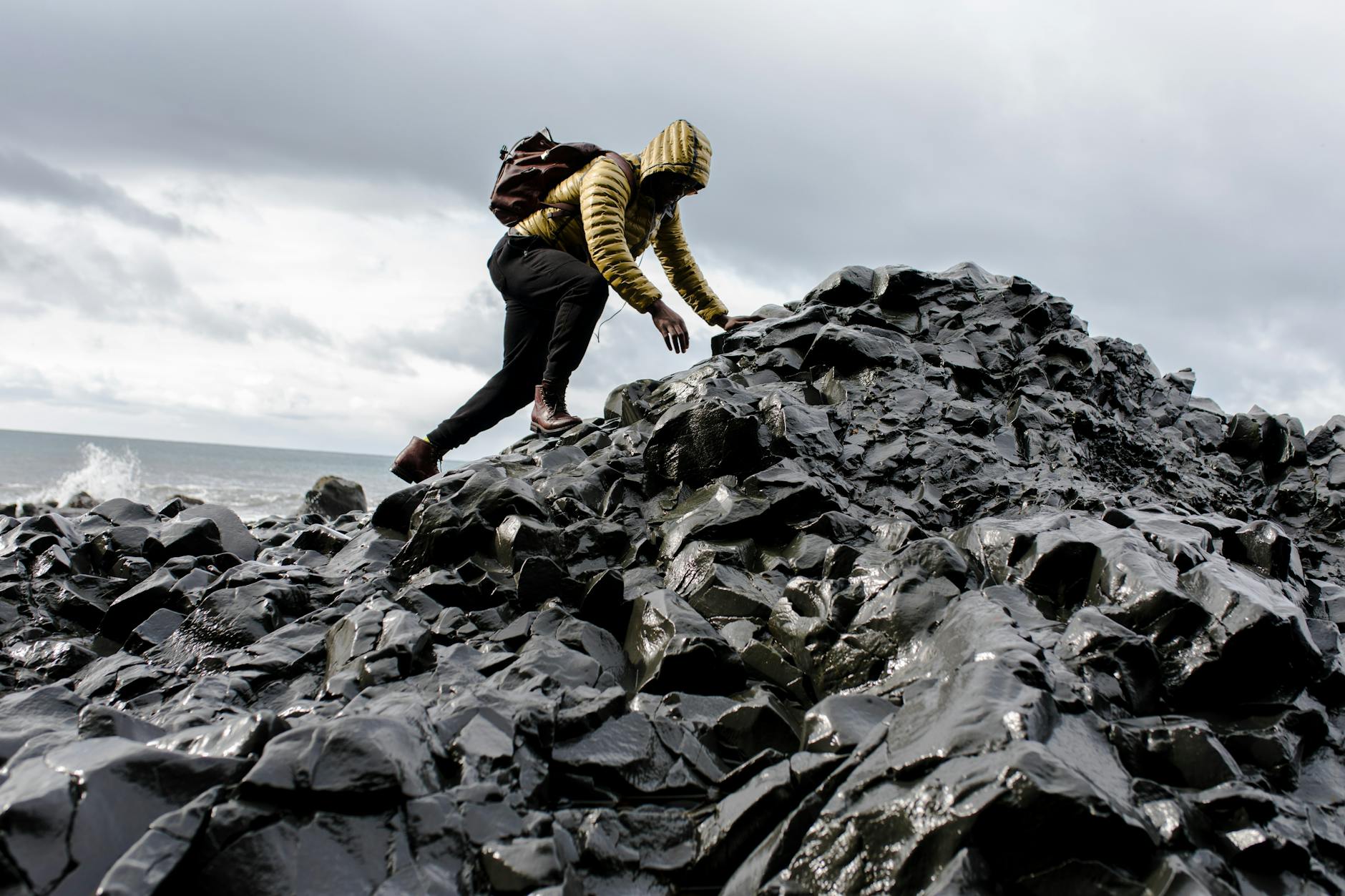
Photo by nappy
Northern Gems in Washington and Oregon
Index packs steep granite walls near Seattle. Thin cracks demand precise cams from #0 to #1. Try Aries (5.8) for hand jams or the Great Northern Slab (5.9) to learn runouts. Check Mountain Project’s Index page for topos. Rain slicks holds, so dry days rule.
Leavenworth offers pocketed granite east of the Cascades. Routes like Sneffels the Snowman (5.9) mix fingers and fists. Bring offsets for flaring tips. Snow Creek Wall stays dry in summer. See full details on Mountain Project’s Leavenworth area.
Washington Pass features alpine granite at Liberty Bell. Thin dihedrals take small nuts and cams. Bachar Straightjacket (5.11c R) pushes limits; easier lines warm up. Expect crowds on Blue Moon (5.8).
Smith Rock in Oregon brings tuff walls with steep overhangs. Chainsaw Traverse (5.10c) tests endurance; Monkey Face (5.9) arches inside a cave. Pack mids and large cams for chains. Tuff eats gear, so double #1-3 Camalots. View maps at Mountain Project’s Smith Rock.
Mt. Hood mixes alpine trad with snow approaches. Leuthardt’s Chimney (5.8) on the south face jams fists. Bring ice screws for mixed lines. Watch weather shifts fast.
Key starters here:
- Rack focus: Doubles in small cams; nuts for tips.
- Best season: Summer; dodge spring snow.
California Highlights from Tahoe to J-Tree
Castle Crags north of Redding serves sharp dihedrals. Midnight Lightning (5.10a) corners take stacked nuts. Bring #4 cams for wide sections. Granite flakes test holds.
Lover’s Leap near Tahoe holds clean splitters. Bear’s Reach (5.6) runs three pitches; East Wall routes go to 5.11. Cams from fingers to hands dominate. Explore routes on Mountain Project’s Lover’s Leap.
Yosemite Valley sets the standard. Nutcracker (5.8) on Manure Pile Buttress stacks cams perfectly. East Buttress of Middle Cathedral (5.10c) wanders multi-pitch. Permits limit crowds.
Tuolumne Meadows adds high-country domes. West Country (5.10a) slabs runout; Great Pumpkin (5.9) cracks deep. Single rack works most lines.
Joshua Tree packs short desert cracks. Double Overhang (5.7) jams fists; Carousel (5.9) thins out. Offsets shine in flaring granite. Camp close for dawn starts.
Tahquitz in Idyllwild offers south-facing granite. Fingertip Traverse (5.9) edges roofs. Sunny walls dry quick after rain.
Standout routes by grade:
| Area | 5.8-5.9 Starter | Rack Notes |
|---|---|---|
| Lover’s Leap | Bear’s Reach | Mids doubled |
| Yosemite | Nutcracker | Full singles 0-4 |
| Joshua Tree | Double Overhang | Offsets key |
These spots fit West Coast trad climbing essentials. Rack up and pick your pitch.
Trends and a Quick Packing Checklist
West Coast trad climbing essentials evolve fast. Climbers now favor light gear for long hauls in Yosemite or Index. Training stresses crack skills and mental prep. A smart checklist pulls it all together for your next trip.
Gear Shifts You Need to Know
New cams weigh less with flexible stems. Black Diamond Camalots and Wild Country Friends lead packs. They fit granite cracks from Joshua Tree fingers to Squamish fists.
Extendable slings come built into cams. They cut extra draws and rope drag on wanders. Add micro wiregates like DMM Wisp to trim ounces.
Harnesses pack more loops for heavy racks. Light helmets boost side protection against rockfall. Small tag bags carry water on multi-pitch leads.
These picks match West Coast needs. See the Switchback Travel rock climbing checklist for full breakdowns.
Training and Technique Updates
Gyms add crack volumes for jam practice. Mock leads on toprope build gear speed. Focus hangboards for fingers and circuits for pitch endurance.
Mental tools include fall practice and checklists. Aerobic hikes prep for remote crags. Prehab keeps elbows and shoulders strong.
Techniques stress all crack sizes. Use long runners for drag. Build fast anchors with quad setups. Half ropes work on sea cliffs.
Teams drill short comms for crowds. Hybrid routes mix trad and bolts.
Your Quick West Coast Packing Checklist
Pack these West Coast trad climbing essentials in one sweep. Double-check before the approach.
| Category | Must-Haves |
|---|---|
| Rack | Singles cams 0-5 Camalot; doubles 0.75-2; nut set 4-11; 6x 120cm slings |
| Rope/Basics | 60m dry 9.8mm rope; harness; helmet; ATC; nut tool |
| Clothing | Base synthetic; fleece mid; Gore-Tex shell; crack pants; sun hoodie; approach shoes |
| Safety/Extras | Headlamp; topo; knife; prusik; 2L water; snacks; first aid |
This list covers Yosemite splitters to Joshua Tree runouts. Tweak for your area. Head out light and locked in.
Conclusion
West Coast trad climbing essentials boil down to a solid rack of cams from finger to fist sizes, doubles in mids like #0.75-2 Camalots, layered clothing with synthetics and Gore-Tex shells, and safety habits such as deep placements and anchor checks. Add nuts for offsets, helmets for rockfall, and checklists for Yosemite splitters or Index roofs.
Start with a mentor to learn gear on low-stakes routes. Practice builds clean habits fast.
Pick a local area first. Try Lover’s Leap for clean cracks or Joshua Tree for short jams.
Gear up today. Pack your rack and rope. Climb those granite lines with confidence.
Back to Trad Climbing Destinations
Recommended Products for Trad Climbing
These products can support safer climbing, belaying, rappelling, and emergency readiness.
Affiliate disclosure: As an Amazon Associate, TradClimbers may earn from qualifying purchases at no additional cost to you.