
Trad Rule Etiquette in Climbing Parks
Trad climbing packs a real punch. You place your own removable gear like cams and nuts into cracks for protection as you lead up the route. It’s hands-on and builds skills that shine outdoors.
Climbing parks make this possible indoors. These gyms feature crack systems and walls designed for safe trad practice. You can jam hands and feet or test placements without real rock risks.
Trad rule etiquette in climbing parks ensures safety, keeps the fun going, and builds community respect. Skip it, and you risk falls, damaged walls, or frustrated climbers. Good habits protect everyone.
Etiquette starts with safety basics. Do partner checks on knots and harnesses. Use solid belay techniques and stick to top-rope practice for gear tests.
Flow rules help too. Don’t hog cracks during busy times. Communicate calls clearly and take turns.
Respect counts most. Treat walls gently, no forcing gear into plastic. Ask before borrowing racks and clean up after.
This post breaks down these rules so you climb smart and share the stoke.
Understand Basic Safety Rules in Climbing Parks
Trad rule etiquette in climbing parks rests on solid safety practices. You protect yourself and others by mastering these rules. Start with gear checks and clear commands. They prevent mishaps on indoor cracks and lead walls.
Double-Check Your Gear Every Time
Gear fails catch even pros off guard. Always inspect your setup before each climb. Do it yourself first, then have your partner verify.
Follow these steps for a full check:
- Harness: Buckle it snug but not tight. Check for frays, cuts, or worn stitching. Ensure the waist belt doubles back through the buckle and leg loops sit right.
- Knots: Tie your figure-eight knot with a stopper. Trace the rope through every twist. Pull hard to test.
- Helmet: Wear it buckled under your chin. Inspect for cracks or dents.
- Trad rack: Sort cams and nuts by size in quickdraws or a gear sling. Group small nuts together, larger cams separate. This setup saves time on the wall. Look for damaged lobes, springs, or wires.
- Belay device and carabiners: Confirm the device locks rope smoothly. Check carabiners for cracks, bent gates, or wear.
- Rope: Coil it neatly. Scan for fuzz, core shots, or sheath damage.
Partner checks seal the deal. You check theirs; they check yours. Say what you see: “Your knot looks good, harness secure.” This habit builds trust fast. For detailed tips, see Climbing Magazine’s gear inspection guide.
Organize your trad rack before arriving. Use a chalk bag for small nuts and a sling for cams. You clip faster and climb smoother.
Use Standard Climbing Commands
Commands keep you in sync with your belayer. Yell them loud and clear, even indoors. They cut confusion during trad leads, where placements take time.
Here are the main ones, with trad examples:
- “On belay?”: Climber asks if the belayer is ready. Belayer replies “Belay on”. Use this before every pitch.
- “Climbing?”: Climber confirms start. Belayer says “Climb on” or “Up rope”.
- “Slack”: Climber needs loose rope to place gear. On a trad lead, call it when clipping a nut: “Slack!” Belayer feeds it out.
- “Tension” or “Take”: Climber wants tight rope. Call “Tension!” on a runout section between cams.
- “Watch me”: Climber signals a sketchy move. Belayer stays alert, ready to catch.
- “Falling!”: Rare but critical. Yell it early. Belayer braces.
- “Off belay”: Climber reaches anchor. Belayer replies “Off belay”.
- “Lowering” or “At the anchor”: Ends the pitch. For top-rope trad practice, stick to “Lower me.”
Practice these in the gym. On a lead wall, your belayer hears “Slack” as you fiddle a cam placement. Clear calls mean smooth runs. Check REI’s climbing commands for more.
Stick to these rules. You climb safer and respect the park’s flow.
Master Right of Way and Sharing Routes
Trad rule etiquette in climbing parks demands clear rules for busy walls and shared routes. You share space with many climbers, so know who goes first and how to keep things moving. These habits prevent arguments and let everyone climb.
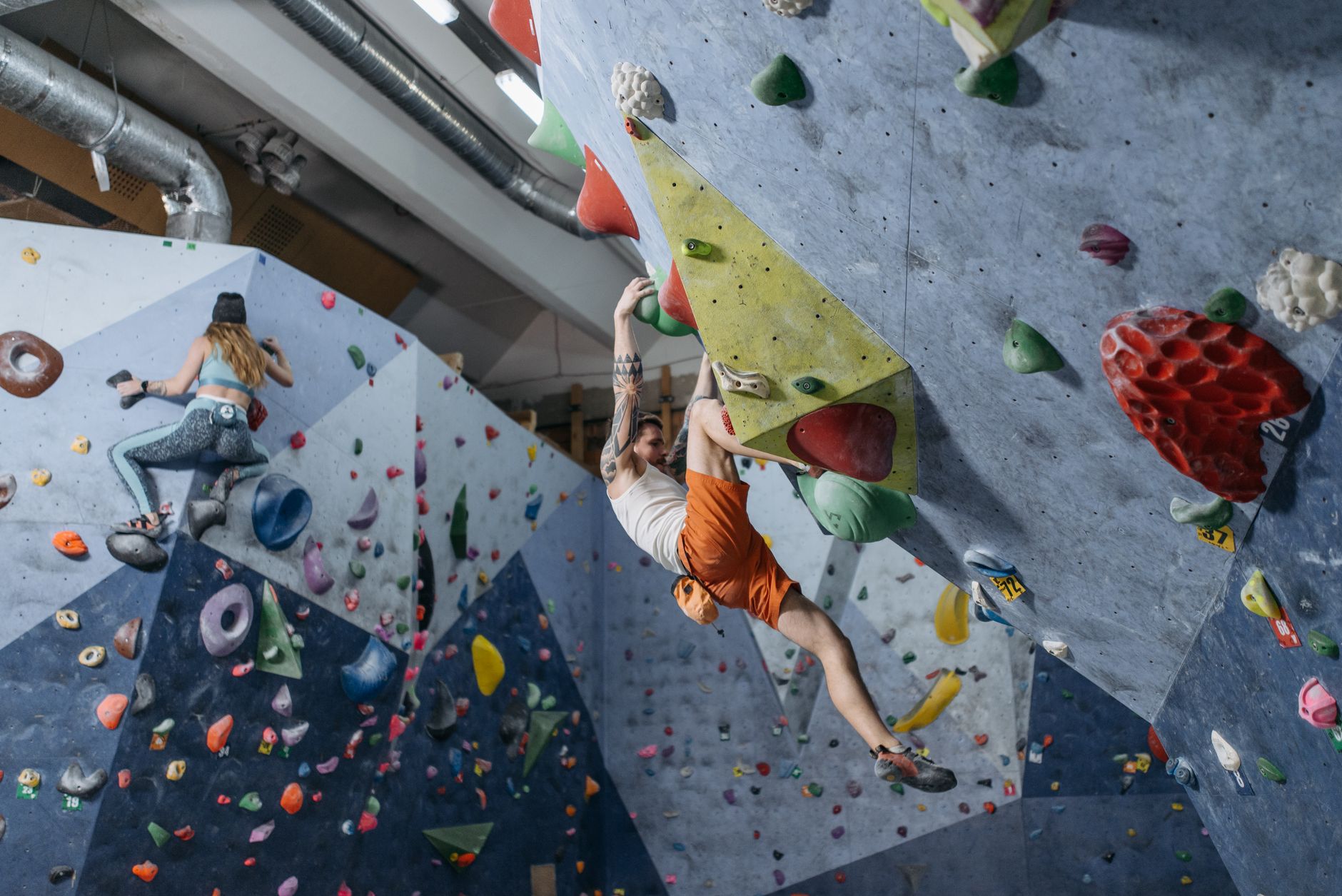 Photo by Pavel Danilyuk
Handle Busy Walls Without Drama
Crowded trad walls test your patience. The first climber up has right of way. Watch who starts a route and yield if needed.
Ask your spot in line right away. Stand near the wall base and say, “Hey, how many ahead of me?” Others reply with numbers like “You’re third.” This sets expectations fast.
Organize quick to avoid holdups. Pack your rack in size order before you start. Clip small nuts first, then cams. You place gear without pausing.
Keep climbs efficient. Limit rests to one minute at stances. Call “Climbing soon” if you need extra time. Others plan around you.
Spot fall zones too. Stay six feet from the wall base under active climbers. Move if their path crosses yours.
Follow these steps for smooth turns:
- Scan the wall for active climbers.
- Ask line position clearly.
- Prep your gear off-wall.
- Climb at steady pace.
- Down climb or lower fast when done.
Parks stay fun this way. Check Gripped’s indoor etiquette rules for more tips on right of way.
Share Anchors and Top Ropes Fairly
Anchors belong to everyone on shared routes. Clean them after use and let others join.
Clip your rope through the anchor rings or bolts. Avoid messy tangles. When you finish, pull your rope clean or coil it neat at the base.
Offer space at top ropes. If two parties want the same anchor, share it. One belays while the other climbs. Switch turns equal.
Don’t leave ropes dangling unused. It blocks the route. Lower both strands or store them. Say, “Ropes coming down” so belayers below know.
Key share rule: Equal access means no solo hogging. If you lead, set up top rope for all. Others do the same.
Watch plastic wear too. Clean anchors prevent damage. Wipe chalk buildup and check bolts stay tight.
Busy parks thrive on this give-and-take. See Climbing Garden’s etiquette guide for anchor best practices. You climb more routes when everyone shares fair.
Communicate and Give Beta Respectfully
Trad rule etiquette in climbing parks hinges on smart communication. You share beta, those key route hints, without ruining the puzzle for others. Clear words build trust on shared cracks and lead walls. Offer help at the right moment. Ask politely when you need it. This keeps sessions positive and safe.
Good beta respects the lead climber’s effort. On indoor trad walls, a quick tip on a cam placement saves time. But force it, and you annoy. Time your words right.
When to Offer or Ask for Help
Spot the right times to speak up. Wait until a climber struggles for a few minutes. Don’t shout beta mid-move. Let them try first.
Offer if you see them fiddle with gear too long. Say it soft from the ground. Ask if they welcome input.
Here are examples of polite beta requests and offers:
- Asking for help: Stand below and wait for a rest. Then say, “Mind if I point out a placement spot?” or “Need a quick nut tip up there?”
- Offering beta: If they look stuck, try, “That cam goes better twisted left” or “Small nut fits the pinch above your hand.”
Keep it short. One sentence works best. Watch their nod or wave before you add more.
Never yell beta without permission. It breaks focus on a lead. Indoor gyms stress this in their rules. Check Vertical Endeavors’ gym etiquette tips for more on respectful chats.
Respond kind if someone asks you. A simple “Sure” or “No thanks” sets the tone. You control your climb.
This approach fits busy parks. Climbers project routes together. Polite exchanges speed progress and cut frustration. Everyone wins.
Keep the Park Clean and Tidy
Trad rule etiquette in climbing parks includes keeping spaces spotless. You leave no trace after sessions. Clean walls last longer, and others enjoy fresh setups. Chalk dust, trash, and stray gear harm plastic cracks built for trad practice. Pick up after yourself to show respect.
Simple actions at session end make a big difference. You prevent slips on dusty floors and keep routes ready for the next climber. Staff appreciates it too. Build this habit, and parks stay welcoming for all.
Daily Habits for a Better Climb
End each session with this quick checklist. It takes two minutes but keeps the park tidy. Follow it every time you climb trad walls or cracks.
Run through these steps right after lowering:
- Gather gear: Collect all cams, nuts, and quickdraws from the floor or stances. Check cracks for dropped pieces. Plastic holds wear fast from left-behind metal.
- Wipe chalk buildup: Use a damp cloth on holds and cracks. Chalk grinds into surfaces over time. Focus on high-traffic spots like hand jams.
- Pick up trash: Grab water bottles, tape scraps, or food wrappers. Toss them in bins near exits. Don’t leave them under walls.
- Clean your mat or crash pad: Shake off dust and chalk. Store it stacked, not sprawled. Others need clear floor space.
- Sweep the base: Use a broom if available for loose chalk or dirt. Indoor gyms provide them often.
- Check anchors: Ensure no rope fibers or knots remain clipped. Pull clean and coil neatly.
- Rack reset: Organize your trad rack in a bag. Sort sizes again for next use.
Do this solo or with your partner. It sets an example. Parks like those outlined in Vertical Horizon’s climbing gym etiquette stress cleanup to maintain safe floors.
You finish strong and start fresh next time. Clean parks mean better climbs for everyone.
Conclusion
Trad rule etiquette in climbing parks boils down to gear checks, clear commands, right of way, fair sharing, polite beta, and cleanup habits. Double-check knots and harnesses every time. Use “Slack” or “Tension” loud and clear. Yield to the first climber up and share anchors without hogging. Offer help only when asked, and wipe chalk from cracks after each session.
These rules boost safety first. They cut fall risks and gear fails on indoor walls. Respect follows close. You protect plastic cracks from damage and keep gyms running smooth. Everyone climbs more when spaces stay tidy and turns rotate fair.
Ask gym staff before placing cams or nuts, as many spots limit gear to avoid wear. Practice these steps next visit. You build skills and community trust.
Back to Trad Climbing Destinations
Recommended Products for Trad Climbing
These products can support safer climbing, belaying, rappelling, and emergency readiness.
Affiliate disclosure: As an Amazon Associate, TradClimbers may earn from qualifying purchases at no additional cost to you.