
Trad Climbing Near Salt Lake City
Just a short drive from Salt Lake City takes you to world-class granite cracks in the Wasatch Mountains. Trad climbing near Salt Lake City means climbers place their own protection, like cams and nuts, into natural cracks for safety. It’s a hands-on style that builds real skills on solid rock.
You’ll find routes for beginners and experts alike. Spots in Big and Little Cottonwood Canyons, plus Echo Canyon, offer over 1,500 options on excellent granite. Locals love the quick access; visitors get top-tier climbing without long travel.
This guide covers the best areas and routes, gear essentials, safety tips, how to get there, and prime seasons. Whether you’re starting out or pushing harder grades, you’ll climb smarter and safer.
Best Trad Climbing Areas Near Salt Lake City
Trad climbing near Salt Lake City shines in the Cottonwood Canyons. These spots deliver steep granite walls and clean cracks just 30 to 45 minutes from downtown. Little Cottonwood Canyon draws experts with its bold lines. Big Cottonwood Canyon suits those honing multi-pitch skills on gentler terrain. Both offer quick drives and varied challenges.
Little Cottonwood Canyon: Granite Crack Paradise
Little Cottonwood Canyon tops lists for trad climbers. Steep granite walls rise sharp and tall. Classic cracks split the rock, perfect for cams and nuts.
This canyon holds standout crags with multi-pitch routes. Allen’s Ridge Area features long cracks on high-quality stone. Routes here climb sustained corners and dihedrals over several pitches. Mountain Project details Allen’s Ridge for route betas.
Conifer Crag stands out too. Tight cracks demand precise placements. Multi-pitch lines reach summits with exposure. Check the Conifer Crag page for specifics.
Approaches vary. Some crags sit close to the road with five-minute hikes. Others need 20 to 30 minutes uphill. Grades span 5.6 to 5.12. Moderate lines warm you up. Hard ones test limits.
Plan a full day here. Link pitches for big adventures. Shadows hit early, so start soon after dawn.
View classics across the canyon on Mountain Project’s Little Cottonwood classics list or the climbing map.
Big Cottonwood Canyon: Multi-Pitch Playground
Big Cottonwood Canyon builds trad skills with moderate multi-pitch routes. Granite feels solid. Lines follow intuitive cracks and faces.
Dead Snag ranks high for accessible fun. East Dihedrals goes at 5.6. Jam the wide corner for three pitches. Rappels down make descent simple.
Steorts’ Ridge offers another gem at 5.6 or 5.7. Follow the obvious ridge line. Exposure builds without extreme difficulty. See details on Steorts’ Ridge.
Access stays easy. Park near trailheads. Hikes take 10 to 20 minutes. Paths stay clear most seasons.
Descents use fixed anchors or walks. No epic bushwhacks.
This canyon differs from Little Cottonwood. Most routes stay under 5.9. You focus on rope work and belays. Ideal for intermediate climbers. Stack two or three routes in a day.
Top Beginner Trad Routes to Start With
Trad climbing near Salt Lake City works well for beginners. Pick routes with easy grades, short hikes, and simple descents. These spots let you place gear, manage ropes, and enjoy views. They build confidence pitch by pitch.
Patty’s Ridge: Perfect First Multi-Pitch
Patty’s Ridge sits in Big Cottonwood Canyon as a top pick for new leaders. This route spans 3-4 pitches at 5.6 over 700 feet. The 20-minute approach from Stairs Gulch trailhead stays straightforward.
Climb mixes cracks, corners, and ridge scrambles. You place gear in forgiving spots, but moderate runouts between them teach smart spacing. Belays use natural ledges or gear anchors.
Descent follows a walk-off gully south of the ridge. Wear approach shoes for the loose terrain. Bring a single rack of cams and nuts, plus a 60-meter rope.
New climbers love it. The low angle keeps falls short. You learn multi-pitch flow without hard moves. Check the Patty’s Ridge area on Mountain Project for photos and beta.
Other Easy Starts in the Canyons
Big Cottonwood holds more gentle routes close to the road. These match Patty’s Ridge in access and grade.
East Dihedrals at The Dead Snag rates 5.6 for three pitches. Jam the wide corner with solid pro. Rappels down fixed anchors simplify exit. Short hike from parking.
Steorts’ Ridge climbs at 5.6-5.7 along an obvious line. Gain exposure on moderate terrain. Approach takes under 20 minutes.
Little Cottonwood adds options too. Bushwhack Crack offers great jams and protection at an easy grade. Short approach fits busy days.
These routes suit first-timers. They demand basic placements but reward clean ascents. Park early to beat crowds. Always double-check anchors.
Essential Gear for Trad Climbing Here
Trad climbing near Salt Lake City demands a solid rack. Granite cracks in the Cottonwood Canyons call for gear that fits tight to wide features. You place protection yourself, so pick reliable pieces. Start with basics that cover most routes from 5.6 to 5.10. Build confidence with quality items that hold falls on steep stone.
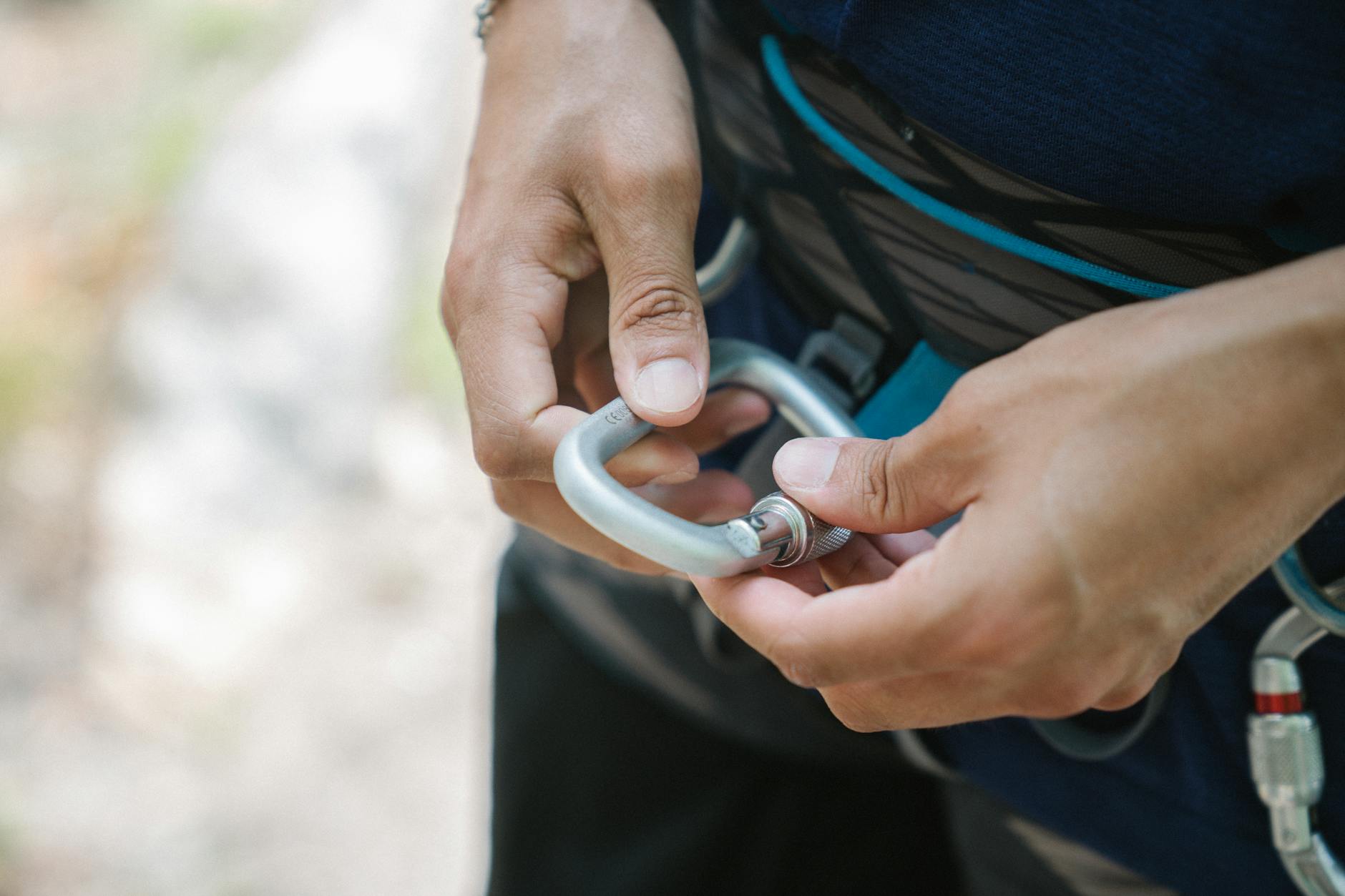
Photo by Katya Wolf
Passive Protection: Nuts and Stoppers
Nuts form the base of any trad rack. They slot into constrictions and flares where cams won’t grip. Carry a set of 6 to 10 pieces from small (#4 Stopper) to medium (#10 or #11).
Offset nuts shine in Cottonwood pin scars and shallow cracks. Gold and gray sizes see heavy use on routes like Patty’s Ridge. They hold well in granite; test each placement by tugging hard.
Pack them on a nut tool and runner for quick clips. Doubles in #5 to #9 cover 80% of placements here.
Active Cams: Sizes for Local Cracks
Cams expand to lock in parallel cracks. Granite near Salt Lake City runs from finger-thin to offwidth, so match sizes to routes.
A starter rack needs singles from 0.3 to #2 (like Black Diamond Camalots). Add doubles in 0.5 to #1 for hand cracks on East Dihedrals or Steorts’ Ridge. One #3 or #4 handles chimneys.
Check this guide to building your first trad rack for size charts. Local cracks favor stiff-stem cams for precise placement. Extend some with quickdraws to reduce rope drag on multi-pitch.
Slings, Carabiners, and Connectors
Slings extend gear and build anchors. Carry 12 non-locking carabiners (gates for draws, screwgates for anchors). Six double-length slings (120cm) organize your rack and back up belays.
Quickdraws (4-6 alpine draws) keep the rope running smooth over edges. Add two prusiks or a tether for self-rescue on long routes.
Key rack checklist:
- Helmet (must for rockfall in canyons)
- Harness with gear loops
- 60m single rope (or 70m for rappels)
- Chalk bag and belay device
Sample Rack for Cottonwood Routes
Tailor your rack to the area. Here’s a basic setup for Big or Little Cottonwood at moderate grades:
| Category | Items | Quantity |
|---|---|---|
| Nuts | Stoppers #4-11 | 8-10 |
| Cams | 0.3-3 Camalots | Singles + doubles 0.5-1 |
| Slings | 120cm nylon | 6 |
| Carabiners | Locking/non-locking | 12 total |
| Draws | Alpine/extender | 6 |
This runs $800-1,200 new. Shop sales or used gear locally. It protects Patty’s Ridge or Allen’s Ridge fully. See essential gear tips for budget builds.
Test your rack on toprope first. Practice placements match the real demands of these canyons.
Safety Tips, Access, and Best Seasons
Trad climbing near Salt Lake City puts world-class cracks at your fingertips. You just need to plan access, follow safety basics, and pick smart times to climb. These steps keep your days smooth and safe in the Cottonwood Canyons.
Quick Access from Salt Lake City
Drive times run short to these prime spots. Expect 30 to 45 minutes from downtown Salt Lake City to trailheads in Big or Little Cottonwood Canyon. Take I-215 east, then SR-190 for Big Cottonwood or SR-210 for Little.
Park at marked pullouts or lots near crags. In Big Cottonwood, spots like Stairs Gulch or the Dead Snag area have room for 10 to 20 cars. Little Cottonwood trailheads, such as those for Allen’s Ridge, fill fast; arrive by 7 a.m. Check UDOT Cottonwood Canyons road info for live updates.
Trailheads stay clear with short hikes, often 5 to 30 minutes. Paths lead right to bases like Patty’s Ridge or Conifer Crag.
Winter changes everything. Roads close often due to avalanches and snow. Chains or 4WD help when open. UDOT posts closures and camera feeds; ski crowds jam access too.
Must-Know Safety Rules
Safety starts with your partner. Check each other’s harnesses, knots, and belay devices before you tie in. Do a full gear inspection every pitch.
Rockfall poses real risks in these canyons. Wear a helmet always. Watch ropes above you; they can knock stones loose. Climb in small parties to cut crowd noise that hides falling rocks. See rockfall reduction tips for more.
Test every hold before weight. Pull hard on flakes and blocks; granite here flakes easy after freezes. Place gear behind solid rock only.
Know bail options on every route. Study fixed anchors and rappel lines on Mountain Project pages. Pack extra slings and cord for impromptu retreats. Weather shifts fast; check forecasts and bail if clouds build.
Crowds add hazards on weekends. Parties knock rocks or tangle ropes. Go midweek for space.
Core habits to build:
- Yell “rock” loud if something falls.
- Space out belayers from walls.
- Pack a first-aid kit with bandages and tape.
Prime Times to Hit the Crags
Summer brings the best conditions. Dry granite and warm temps from June to August make cracks grippy. Days stretch long for multi-pitch links.
Spring and fall work well too. April-May and September-October offer cool air and fewer crowds. Watch for wet holds after rain.
Winter suits experts only. Snow patches demand crampons and ice axes on approaches. Cold stiffens fingers; routes like Steorts’ Ridge ice up. Roads limit access.
Skip peak weekends year-round. Traffic snarls and packed crags slow you down. Midweek mornings beat the rush every time.
Track dry conditions with Little Cottonwood weather reports. You climb more when rock stays clean.
Conclusion
Trad climbing near Salt Lake City offers granite cracks in Little and Big Cottonwood Canyons, from Patty’s Ridge at 5.6 to steep lines at Allen’s Ridge and Conifer Crag. Pack a basic rack with nuts from #4 to #11, cams 0.3 to #3, and slings; check anchors and weather before you go. Start your first multi-pitch on Patty’s Ridge for its short approach and forgiving gear spots.
Grab your gear, drive 30 minutes up the canyon, and clip those cracks this week. World-class trad sits right outside the city.
Back to Trad Climbing Destinations
Recommended Products for Trad Climbing
These products can support safer climbing, belaying, rappelling, and emergency readiness.
Affiliate disclosure: As an Amazon Associate, TradClimbers may earn from qualifying purchases at no additional cost to you.