
Trad Climbing Beginner Europe Spots
Trad climbing gives you real freedom. You place your own gear in natural cracks, unlike bolted sport routes. Beginners flock to Europe’s spots for their solid rock and easy grades.
These trad climbing beginner Europe spots build skills fast. You’ll gain confidence on routes with clear placements and good protection. Plus, the scenery stuns, from UK’s green valleys to Norway’s fjords.
UK classics lead the pack. Try Windgather in the Peak District for short gritstone routes. Shepherds Crag in the Lake District offers multi-pitch lines with belay ledges.
France shines too. Ailefroide near Briançon mixes trad with other styles in granite. The Pyrenees add remote crags around Gavarnie.
Norway tempts with Lofoten’s sea-level granite. Ørnfjord delivers low-grade slabs right by the water.
Safety comes first at these sites. Practice gear on easy routes, learn from locals, and check weather. Join the community for tips and partners.
Read on for full guides, grades, and access details. You’ll leave ready for adventure.
Trad Climbing Basics Every Beginner Needs to Know
You want to tackle those trad climbing beginner Europe spots like Windgather or Lofoten. First, grasp the core skills. Trad climbing means you place removable gear into rock cracks for protection. No bolts. This builds self-reliance. Practice on easy routes before multi-pitch adventures.
Start with the right setup. Gear keeps falls safe. Learn placements well. Focus on rock types at your chosen crags.
Essential Gear for Your Rack
Build a basic rack step by step. You need cams, nuts, slings, and more. Cams expand in cracks for secure holds. Nuts fit tapering spots.
Here’s what to pack for beginner routes:
- Cams: 5-10 pieces in sizes 0.3 to 3 (like Black Diamond Camalots). They grip parallel cracks.
- Nuts: A set from #4 to #11 (e.g., DMM Wallnuts). Use for pinches.
- Slings and Draws: 12-16 non-locking carabiners, 6 extenders, 4 double-length slings.
- Rope and Helmet: 60m single rope (9.8mm), helmet for rockfall.
- Extras: Chalk bag, prusik cord, belay device.
Check this trad gear guide for UK-style racks suited to gritstone. Rent first to test sizes. Weight matters; keep under 5kg.
Placing Protection Right
Good placements catch falls without pulling out. Twist cams into cracks at 90 degrees to the pull. They hold bomber.
Follow these steps:
- Find a constriction or flare in the crack.
- Slot the gear snug.
- Clip the rope loosely to avoid drag.
- Yank-test every piece.
Nuts need passive fit; no expansion. Practice on toprope. For Europe’s granite like Ailefroide, cams shine in smooth cracks. Extend gear with draws to straighten the line. Read Trail and Crag’s lead tips for visuals.
Reading Rock and Routes
Spot cracks early. Parallel walls take cams; offset shapes need nuts. Flakes work with slings.
Assess runouts. Place pro every 2-3m. Europe’s spots offer forgiving lines. Shepherds Crag has ledges for gear checks. Watch for crumbly holds; tap first.
Safe Belays and Rope Management
Anchor at stances with multiple pieces. Equalize two to three points. Use a cordelette for the master point.
Belays tie off clean. Europe’s multi-pitch sites demand this. Clip the belayer in short. Communicate “off belay” clearly.
Top Beginner Mistakes to Skip
Don’t rush placements. Skip tiny gear on big falls. Always back up natural features.
Overcam cracks; mix sizes. Ignore weather at your peril; wet rock slips. Take a course first. 99 Boulders’ Trad 101 covers pitfalls well.
Master these, and Europe’s crags await.
Essential Gear and Safety Tips for Beginner Trad Climbers
You have the basics down from your rack and placement skills. Now gear up fully for trad climbing beginner Europe spots like Windgather’s gritstone or Lofoten’s slabs. Pick durable items that match local rock. Safety habits keep you protected on variable terrain.
Gear Additions Tailored to Europe
Standard racks work well. Add pieces for regional cracks. UK’s Peak District needs small nuts for grit pinches. France’s Ailefroide granite takes offset cams.
Pack these extras:
- Quickdraws with rubber grips: Prevent cam walking on slick Norwegian slabs.
- Tricams or hexes: Fill awkward flares in Pyrenees limestone.
- Gloves and knee pads: Shield skin on sharp Shepherds Crag edges.
Buy UIAA-certified gear only. Test fits on practice boards. See Ellis Brigham’s trad equipment list for beginner setups.
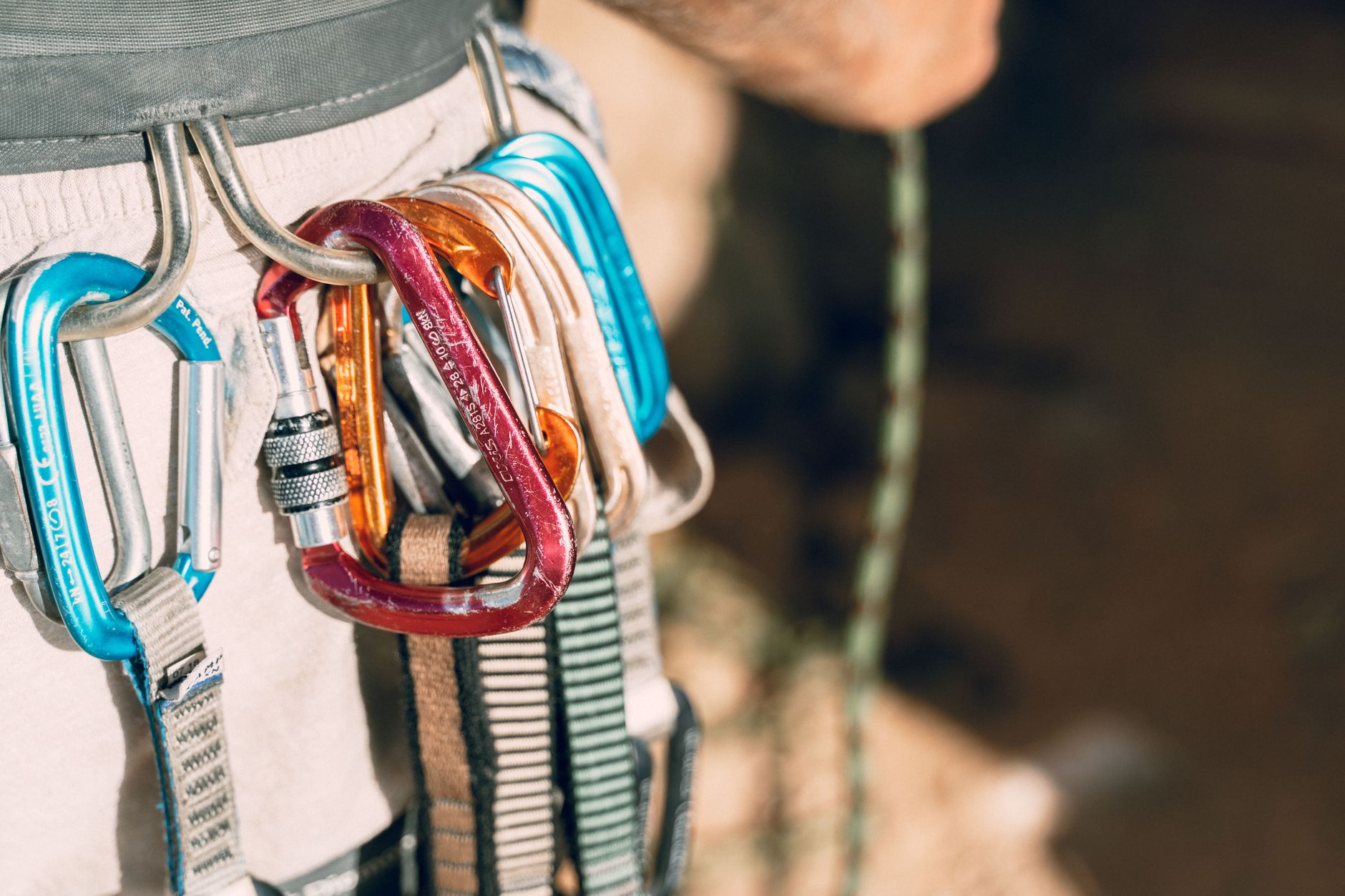
Photo by Liam Moore
Light packs boost endurance. Rent at local shops near crags.
Core Safety Checks Before You Climb
Inspect every item daily. Look for frays, dents, or wear. Swap out suspect gear.
Key habits include:
- Partner brief: Agree on signals and fall plans.
- Knot checks: Double-back every tie-in.
- Anchor tests: Bounce loads before trusting.
Wet weather hits Europe’s crags hard. Check forecasts; bail if rain looms. Carry a first-aid kit with tape and antiseptic.
Habits That Prevent Falls
Place gear below weak sections. Always have three points of contact. Downclimb if pro looks sparse.
Bold key rule: Never skip the helmet. Rockfall plagues multi-pitch sites like Ørnfjord.
Follow Climbing.com’s 10 safety tips for habits that stick. Climb with mentors at first. Local guides spot hidden risks.
Weather and Group Protocols
Europe’s microclimates shift fast. Lake District fog rolls in quick. Monitor apps; start early.
Group up smart. One leader per pitch. Belay from secure spots. Yell “rock” on loose holds.
Practice rescues like lowering injured climbers. These steps make your trips solid.
UK Trad Climbing Spots Perfect for Beginners
UK spots rank high among trad climbing beginner Europe spots. Gritstone edges and volcanic crags offer rough rock for grip and cracks for secure gear. You build skills on short routes with bomber placements. Start with these two areas for easy access and forgiving lines.
Stanage Edge in the Peak District
Stanage Edge stretches over four miles of gritstone. This coarse rock gives high friction for hand jams and foot smears. Cracks vary from wide chimneys to thin pinches. Perfect for rack practice.
Try Black Hawk Traverse at HVS 5a. This three-pitch route features hand jams and bomber gear spots. Pitch one traverses left on positive holds. Higher pitches mix cracks and slabs. Check the UKC logbook for topos.
Parking sits right below the edge. Walk-ins take five minutes max. No long hikes drain your energy.
Beginners love these perks:
- Varied cracks: Practice cams and nuts on every pitch.
- Toprope options nearby: Boulder areas let you dial moves first.
- Post-climb cafes: Refuel at Hathersage spots.
Drive from Sheffield in 20 minutes. Rent gear or buy from local shops like Outside. Guides run courses; see Peak District options.
UK grades mix tech and adventure. VS means steady moves with good pro; HVS adds harder sections. Learn more at the BMC grade guide.
Borrowdale Valley in the Lake District
Borrowdale Valley holds Shepherd’s Crag on rough volcanic rock. Clean lines and juggy holds suit new leaders. Lake views reward every belay.
Climb Severn Trent Slab at VS 4c. This two-pitch route starts with a layback crack. Good cams protect the slabby finish. Solid belay ledges ease nerves. View details on the UKC page.
Approach takes a 20-minute hike from the road. Bivy spots work for multi-day stays.
Here’s why it fits beginners:
- Clean lines: Few loose holds; focus on movement.
- Good holds: Jugs on cruxes build confidence.
- Partner potential: Busy crag means easy group-ups.
Skip wet slate crags nearby; stick to dry rhyolite. National Trust land requires no-dig ethics; pack out waste. Check FRCC info for access.
Grades stay approachable. VS 4c demands balance but offers rest spots. Pair with Shepherd’s classics for a full day.
France’s Top Trad Beginner Areas
France packs some of Europe’s best trad climbing beginner Europe spots into its granite playgrounds. Clean cracks and slabs let you place gear with confidence. You get alpine views without extreme commitment. Head to Chamonix or the Ecrins for routes that match UK grit but add massive walls.
Chamonix Envers des Aiguilles
Envers des Aiguilles sits high above Chamonix’s Mer de Glace. Granite towers offer sharp cracks for trad practice. Take the Envers des Aiguilles area page for route overviews.
Climb La Piège on Tour Verte. This TD+ 6a+ (5.10) route spans 600 feet over six pitches. It starts with a hand crack that takes cams perfectly. Some bolts back up key spots. Check the Tour Vert details.
The approach hike lasts 3 to 5 hours. Start from the Montenvers cable car. Ride it up, then cross snowfields. Carry crampons and an ice axe for safe travel. Stiff boots help kick steps.
Mont Blanc massif views stun from every belay. Snow peaks frame your pitches.
This spot suits beginners with some experience. Practice classic protection on parallel cracks. Town shops rent racks and sell topo books. Guides offer one-day intros. Stay at the refuge or camp far out.
Key draws for new leaders:
- Gear variety: Cams from fingers to hands fit most cracks.
- Bolt support: Reduces runouts on harder moves.
- Quick descent: Rappel chains speed the exit.
Ailefroide in the Ecrins National Park
Ailefroide bases climbers in one lively hub. Camp at the climber site near fresh water streams. Routes grade 5.9 to 5.10 on multi-pitch granite. See the Ailefroide overview.
Slabs and cracks demand precise placements. Social vibes help find partners. Locals share beta at the campground bar.
Catch a bus from Gap; it drops you close. Hikes stay short, under 30 minutes to walls.
Novices thrive here for good reasons. The community spots bad weather early. Grades vary pitch by pitch, so build up slow. Water sources refill bottles anytime.
Standout perks include:
- Campsite setup: Tents, showers, and food spots in one place.
- Mixed terrain: Slabs teach smearing; cracks take nuts.
- Partner scene: Easy chats lead to rope teams.
Pack offsets for flared cracks. Granite grips well when dry. Check SummitPost for access.
Norway’s Lofoten Islands: Beginner Trad Paradise
Norway’s Lofoten Islands rank high among trad climbing beginner Europe spots. Clean granite slabs and cracks sit right at sea level. You place gear in parallel fissures with little hike-in. Low grades from 4 to 6 let you practice without big risks. Fjords and beaches frame the walls.
Head to the northwest chain for calm seas and solid rock. Summer midnight sun gives long days. Pack layers; winds pick up fast. Local shops in Henningsvær rent racks tuned to local cracks.
Festvåg Crags
Festvåg offers compact walls on the main island. Lille Festvåg and Store Festvåg hold short routes with easy access. Park by the sea; walk five minutes to base. Granite features finger cracks and low-angle slabs.
Climb Fish ‘n’ Chips at 5 (N 4+). This single-pitch line takes small cams in parallel cracks. Positive holds lead to a slab finish. Gear stays bomber every two meters. Check the Mountain Project page for Festvåg for topos.
Beginners pick this spot for clear perks:
- Short approaches: No packs weigh you down.
- Varied cracks: Mix nuts and cams on one route.
- Sea views: Belay on beaches with water access.
Tides matter; climb at low water. Dry rock grips feet well. Nearby cabins provide bunks. Guides from Lofoten Mountain Guides run intro days.
Routes grade forgiving. N 4 means steady jams; add a 5 for steeper moves. Practice extensions to cut drag on slabs.
Ørnfjord Slabs
Ørnfjord sits south near Fredvang. Sea-level slabs rise from white beaches. Cracks run vertical for clean lines. Multi-pitch options top out on plateaus.
Try Ørnen at 5+ (N 5-). Three pitches start with a hand crack. Cams protect the bulge; nuts back slabs. Belay ledges let you sort gear. Rappel rings speed descent.
Access takes a 10-minute scramble from parking. Fish farms dot the water below. See Visit Lofoten’s climbing info for maps.
You gain from these traits:
- Low runouts: Pro every body length.
- Granite friction: Smear on slabs with trust.
- Quiet vibe: Few crowds mean solo practice.
Offset cams fit flares best. Check tides; waves wet low holds. Camp on turf; follow leave-no-trace rules. Lofoten Rock guidebook details more lines.
N grades suit UK climbers. Focus on rhythm over power. Pair routes for full days.
Conclusion
UK spots like Stanage Edge and Shepherds Crag offer gritstone cracks for quick gear practice. France’s Ailefroide and Envers des Aiguilles deliver granite slabs with bolt backups on multi-pitch lines. Norway’s Festvåg and Ørnfjord provide sea-level routes on clean rock. These trad climbing beginner Europe spots match new leaders with solid protection and low grades.
Pack cams from 0.3 to 3, nuts #4 to #11, helmet, and draws. Place pro every 2-3 meters; test each piece. Partner checks cover knots and anchors. Watch weather shifts and bail if needed.
Book a guide for your first leads. Join a local club for partners and tips. Pack your rack now.
You gain self-reliance on rock, jaw-drop views from belays, and tight bonds with climb mates. Start at Windgather or Festvåg. Your Europe trad adventure waits.
Back to Trad Climbing Destinations
Recommended Products for Trad Climbing
These products can support safer climbing, belaying, rappelling, and emergency readiness.
Affiliate disclosure: As an Amazon Associate, TradClimbers may earn from qualifying purchases at no additional cost to you.