
Trad Area Camping and Permits: Rules and Top Spots
Trad climbing tests your skills on natural rock cracks. You place your own gear like cams and nuts to protect the route. Climbers flock to these spots from across the country.
Camping near trad area camping and permits beats hotels every time. You wake up steps from the crag. It saves money and lets you climb at dawn or dusk.
Permits keep your trip legal and smooth. Miss them and you face closures or fines. Know the rules to dodge crowds and enjoy prime sites.
This post covers top spots like Joshua Tree, Yosemite, Red Rock Canyon, The Gunks, and Eldorado Canyon. You’ll get basics on trad gear and routes first.
Next come permit details for each area. Then top camping spots with access tips. Finish with planning advice to pack right and stay safe.
Trad Climbing Basics and Why Camp Nearby
Trad climbing relies on natural rock features. You slot gear into cracks for protection. No bolts exist on these routes. You lead with care, read the rock, and build safe anchors. New climbers start on top-ropes or easy leads. Practice builds confidence.
Trad area camping and permits tie into this style. You base your trip at spots near the crags. Permits ensure access to these public lands. They protect fragile areas from overuse.
Core Elements of Trad Climbing
You focus on three main parts: protection, ropes, and anchors. Protection catches falls. Ropes manage slack. Anchors secure you at the top.
Start with a single rope of 60 meters. Use a dynamic line to absorb energy. Pair it with a belay device like an ATC.
Protection comes in two types. Passive gear includes nuts and hexes. They jam into constrictions. Active gear like cams expands to grip cracks.
Build a rack with 10-20 pieces. Match sizes to the rock. Check the REI trad climbing checklist for starters. It lists essentials by category.
Other must-haves include:
- Harness: Pick one with four gear loops and padded legs.
- Helmet: Guards against rockfall.
- Quickdraws: Connect gear to the rope.
- Slings: Extend placements and back up anchors.
- Chalk bag and shoes: Keep hands dry and feet precise.
See this guide on trad gear for size tips. A basic rack costs $300 to $600.
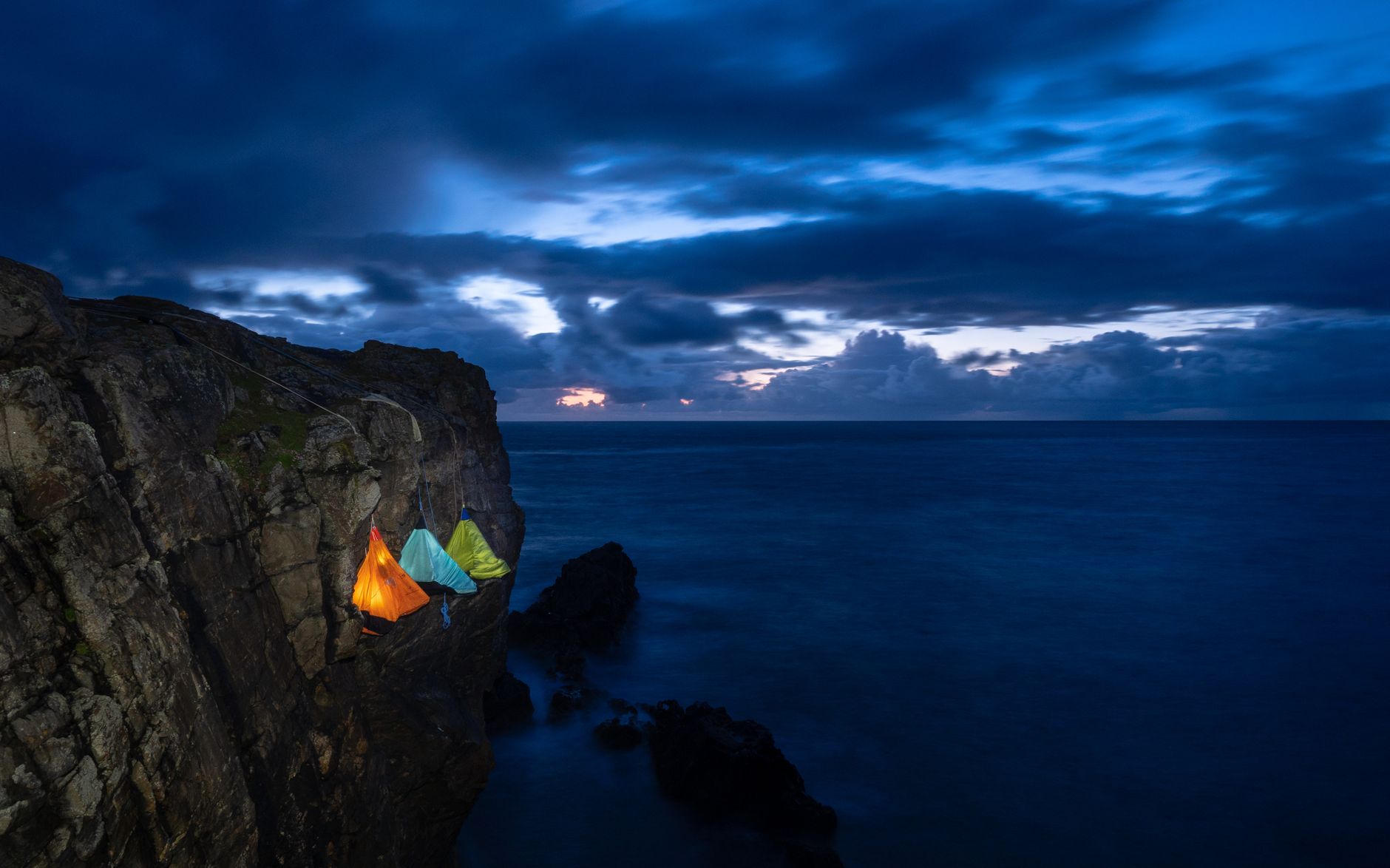
Photo by Zak Bentley
Why Camp Close to Trad Areas
Camping near the crag cuts drive time. You hit routes at first light. No traffic slows you down. It boosts your trip in key ways.
You save cash. Fees run $10 to $30 per night. Hotels cost triple that. Pack a tent, stove, and bear bag. Sites fill fast, so grab trad area camping and permits early.
Immersion deepens the experience. Stars shine above your tent. Sounds of wind fill the night. You recover between days without long commutes.
Access stays simple. Trails lead right to walls. Dawn patrols beat heat. Dusk sessions extend your day.
Top perks include:
- Quick access to routes.
- Lower costs than lodging.
- Full nature connection.
- Easier gear management.
Permits make it work. They limit group sizes and sites. Follow rules to avoid fines. Later sections detail spots like Joshua Tree.
This setup lets you climb more. You focus on rock, not roads.
Key Permits and Rules for Trad Area Camping
You need trad area camping and permits to access prime spots near trad crags. Rules vary by location. They protect land and limit crowds. Check official sites before you go. Each area has unique needs for reservations, fees, and restrictions.
Follow these basics across sites. Pack out all trash. Store food in bear-proof containers. Camp only in allowed zones. Fires often require rings or bans during dry spells.
Joshua Tree National Park
Joshua Tree demands permits for backcountry camping. Get them online via Recreation.gov for overnight stays. Day use skips this step.
Camp at least one mile from roads. Use designated spots or boards to register. Stay limits hit 14 nights in peak season (October to May) and 30 days yearly. Quiet hours run 10 p.m. to 6 a.m.
Fires work in grates with brought wood. No gathering allowed. Generators limit to set hours: 7-9 a.m., noon-2 p.m., 5-7 p.m. See full rules at the NPS camping regulations page.
Most sites book six months ahead. First-come spots open in summer at select campgrounds.
Yosemite National Park
Yosemite requires wilderness permits year-round. Overnight trips need them; day hikes do too in quota seasons. Reserve 60% of spots up to 24 weeks ahead on Recreation.gov.
Climbing in wilderness adds rules. Pick up free climbing permits at ranger stations. They track big walls and impacts.
Camp 100 feet from water and trails. Group size caps at eight. No fires above 9,600 feet. Check wilderness permit details for trailhead quotas.
Red Rock Canyon National Conservation Area
Red Rock falls under BLM management. No backcountry permits needed for most dispersed camping. Stick to 13 designated sites off Scenic Drive.
Day use passes cost $15 per vehicle. Annual passes run $110. Campfires allow in rings; pack out ashes.
Climbing stays open without permits. Access Frost Canyon or Calico Hills from camp. Review recreation guidelines at the BLM site.
The Gunks (Shawangunks)
The Gunks need no federal permits. Trapps and Near Trapps access comes free. Nearby Minnewaska State Park charges $10 per vehicle.
Dispersed camping limits to designated areas. Mohonk Preserve requires entry fees for climbers. Stay on marked trails to protect rare plants.
Check park rules for fire bans. Most spots fill weekends; arrive early.
Eldorado Canyon State Park and National Forest
Eldorado Canyon State Park charges $10 entry. No camping inside; use nearby forest spots. Eldorado National Forest needs wilderness permits for overnight backpacking.
Secure Desolation Wilderness permits on Recreation.gov. Quotas apply May to October. Day use skips permits.
Forest rules ban fires in some zones. See USFS permits page for group sizes and stove use.
Top US Trad Areas: Camping Options and Permit Requirements
Trad climbers chase perfect cracks and walls across the US. These spots deliver. Secure your trad area camping and permits to camp close and climb hard. Each area mixes epic routes with strict camping rules. Frontcountry sites book fast. Backcountry demands planning. Here’s what you need for the best ones.
Joshua Tree National Park
Joshua Tree shines for single-pitch trad cracks. Short, steep lines like those in Hidden Valley or Echo Cove test your rack. Place cams in flaring granite splits all day.
Frontcountry campgrounds like Black Rock or Jumbo Rocks require reservations from fall through spring. Book on Recreation.gov up to six months ahead. Fees run $20-30 per night. Summer offers first-come spots.
Backcountry camping needs a permit from the same site. Stay one mile from roads and water. No camping near crags to protect rock and desert. Pack out all waste. Buy an entrance pass ($30 vehicle, valid seven days) at the gate.
Outside park borders, BLM land allows free dispersed camping. Pick established spots off roads like near Cottonwood. Follow Leave No Trace. Check full campground rules at the NPS campgrounds page. These options keep you near the climbs without hassle.
Yosemite Valley and Tuolumne Meadows
Granite walls define Yosemite for multi-pitch trad. Yosemite Valley holds classics like Nutcracker. Tuolumne Meadows adds high-country gems such as West Country cracks. Link pitches on slabs and dihedrals.
Campground reservations open five months ahead. Upper Pines in the Valley or Tuolumne Meadows fill in days. Expect $36 per night. No car sleeping counts as camping. Rangers enforce it.
Wilderness permits cover overnight trips or route bivies. Reserve 60% of quotas up to 24 weeks early on Recreation.gov. Pick up at trailheads. Bivies on big walls need haul bags and portaledges. Stay 100 feet from trails and water.
Day-use lotteries apply during peak summer for Valley entry. Check the NPS camping reservations page. Group size caps at eight. Stoves only above tree line. Plan ahead to snag spots under these domes.
Indian Creek and Moab Utah
Splitter cracks rule Indian Creek near Moab. Pure hand to fist sizes dominate. Routes like Supercrack pack pitches of parallel perfection on Wingate sandstone.
BLM manages campgrounds on a first-come basis. Superstiton or Newspaper Rock sites cost $15-20 nightly. No reservations needed at most. Arrive early for weekends.
Designated dispersed zones scatter across the area. Use pullouts marked by rock cairns. Stick to 14-day limits. Strict waste rules demand pack-out toilets. Bring wag bags from Moab shops.
Raptor closures shut sectors like Battle Spears from February to July. Check BLM alerts. Fires only in rings; bans hit dry spells. Nearby Moab offers showers and resupply. These setups let you walk to cracks daily. Keep it clean to keep access open.
Red Rock Canyon Nevada
Red Rock tempts with sandstone multi-pitch trad. Arches and overlaps in Black Velvet Canyon or Calico Basin reward bold leads. Expect runouts and sandy holds.
Campground reservations go live six months out via Recreation.gov. Sandstone site runs $20 nightly with water nearby. Book fast for fall and spring.
Timed-entry tickets control Scenic Drive access ($15 daily). No overnight stays inside the 13-mile loop. Day climb from camp, then exit.
BLM land surrounds the area for free dispersed camping. Sites like Oak Creek or Johnny Creek fill quick. 14-day limit applies. Pack out waste; fires in rings only. Shuttle options ease parking. Pair these with Vegas proximity for gear hauls. Rules keep the desert pristine for your sends.
City of Rocks Idaho
Granite spires draw trad fans to City of Rocks. Morning Glory Wall or Elephant Butte host crack systems on towering formations. Mix fingers to offwidths.
Reservations rule all sites through Recreation.gov. Smoky Mountain or City Creek loop cost $20-25 per night. Open May to October. Fees cover vault toilets and tables.
No dispersed camping inside park boundaries. Overflow at nearby state land or BLM parcels when full. Arrive midweek for spots.
Group sites fit larger crews. Quiet hours start at 10 p.m. Fires in rings with local wood only. Water spigots dot loops. Trails link direct to crags. Fees support trails and vaults. This setup bases you amid spires for multi-day pushes.
Plan Your Trad Camping Trip Without Hassles
You lock in trad area camping and permits with solid planning. Pick dates, scout sites, and pack smart. This step cuts stress and boosts your climb time. Start months ahead for peak seasons. Sites fill fast at spots like Joshua Tree or Yosemite.

Photo by Gustavo Fring
Research Permits and Book Early
Scan official sites for each area. Joshua Tree uses Recreation.gov for backcountry tags. Yosemite quotas open 24 weeks out. Red Rock skips most but needs day passes.
List your dates and group size. Check stay limits, like 14 nights max in many parks. Buy annual passes if you hit multiple BLM spots. Print copies or save offline.
Key steps to secure spots:
- Visit Recreation.gov or NPS pages weekly.
- Set alerts for openings.
- Confirm entry fees and vehicle tags.
- Note fire bans or raptor closures.
Book frontcountry first. Backcountry follows. This locks your base near cracks.
Build a Complete Gear Checklist
Pack for self-sufficiency. Tents handle wind; stoves beat fires. Racks match crack sizes per area.
Start with basics. Add trad rack, ropes, and repair kit. Camp gear includes water filters and bear canisters for Yosemite.
Use checklists from trusted sources. The REI trad climbing gear list covers protection and anchors.
Essentials break down like this:
- Shelter: Freestanding tent, stakes, tarp.
- Sleep: Pads, bags rated to lows.
- Kitchen: Stove, fuel, lighter, pot.
- Water: Filter, tablets, 4 liters per day.
- Trad: Double rack, slings, helmet.
Test setups at home. Weigh packs under 40 pounds.
Check Weather and Road Conditions
Forecasts guide your send. Desert heat hits 100 degrees by noon. High country storms roll fast.
Apps pinpoint crags. Mountain-Forecast.com details wind and precip. Climbing.com lists top tools for beta.
Monitor roads too. Closures block access in rain. Check NPS apps for alerts.
Pack layers. Base for sweat, fleece for chill, shell for wet. Sunscreen and hats guard skin.
Pack for Leave No Trace
Minimize impact to keep areas open. Plan routes off trails. Camp on durable surfaces.
Follow seven principles. Pack out waste, including wag bags for Indian Creek. Bury solids 6 inches deep, 200 feet from water.
Quick rules climbers follow:
- Stick to paths.
- Scatter use in big groups.
- No new fire rings.
- Clean chalk from holds.
See Leave No Trace for rock climbing for specifics. It protects cracks long-term.
Prep for Safety and Emergencies
Know escape routes. Cell service fades; carry inReach. Share plans with contacts.
First aid kits treat cuts, sprains. Include blister care, meds, tape. Train partners on belays.
Water and food extras cover delays. Map apps like Gaia GPS mark bailouts.
File trip reports online. Rangers track you. This setup lets you climb bold, stay safe.
Conclusion
Trad area camping and permits unlock prime spots near top cracks in Joshua Tree, Yosemite, Red Rock Canyon, Indian Creek, City of Rocks, The Gunks, and Eldorado Canyon. Secure backcountry tags on Recreation.gov for Joshua Tree and Yosemite up to six months ahead. BLM sites like Red Rock and Indian Creek often run first-come with 14-day limits and pack-out waste rules. State parks such as Eldorado skip on-site camping; use nearby forests instead.
Always check official NPS, BLM, or USFS sites right before your trip. Rules shift with fire bans, raptor closures, or quotas. Start simple at first-come campgrounds like Joshua Tree’s Hidden Valley or Red Rock’s dispersed BLM spots to build experience.
Pack your rack, follow Leave No Trace, and stay legal to climb hard without fines or evictions. Grab those trad area camping and permits now, plan your first trip, and hit the rock.
Back to Trad Climbing Destinations
Recommended Products for Trad Climbing
These products can support safer climbing, belaying, rappelling, and emergency readiness.
Affiliate disclosure: As an Amazon Associate, TradClimbers may earn from qualifying purchases at no additional cost to you.