

Hazel Findlay is a name that comes up a lot when you talk about trad climbing. She’s done some seriously impressive stuff, pushing the limits and showing everyone what’s possible. But it’s not just about the hard climbs; it’s about how she approaches them. We’re going to look at what makes trad climbers like her tick, from their mindset to their skills, and how they handle the big challenges.
Key Takeaways
- Mastering the mental side of climbing is huge for trad climbers, focusing on being present and comfortable with risk.
- Strong foundational skills, learned from partners and mentors, build resilience for experienced trad climbers.
- Hazel Findlay’s approach shows that pioneering ascents and defining success beyond just grades are important for trad climbers.
- Trying different types of climbing helps trad climbers stay motivated and well-rounded.
- Top trad climbers often show humility and see climbing as a continuous learning process, finding joy in the climb itself.
Mastering The Mental Game Of Trad Climbing
Cultivating Presence On The Rock
Climbing, especially trad climbing, forces you into the present moment. Your mind, usually a whirlwind of past regrets and future worries, has to quiet down. When you’re placing gear or figuring out the next move, there’s no room for distraction. It’s just you, the rock, and the immediate task.
This intense focus isn’t just about safety; it’s where the real enjoyment lies. It’s a break from the usual mental chatter, a chance to just be. This ability to be fully present is perhaps the most powerful tool in a trad climber’s arsenal. It’s a skill that, with practice, spills over into everyday life, making you more aware and less caught up in the noise.
Embracing Discomfort For Growth
Let’s be honest, trad climbing is often uncomfortable. You’re exposed, maybe a bit scared, and definitely not in your cozy living room. But that discomfort is where the magic happens. Pushing past that feeling of unease, learning to manage it instead of running from it, is how you grow. It’s about rewiring your brain to understand that fear doesn’t have to control your actions. Think of it like this:
- Recognize the fear: Acknowledge what you’re feeling without judgment.
- Analyze the situation: Is the fear rational, or is it your mind playing tricks?
- Choose your response: Decide how you want to act, rather than just reacting.
This process helps build resilience. It’s not about eliminating fear, but about learning to perform with it. This is a big part of what Hazel Findlay talks about in her approach to climbing and life.
The Philosophy Of Risk Management
Trad climbing inherently involves risk, but it’s not about reckless abandon. It’s about calculated decisions. You’re constantly assessing the potential dangers, weighing them against your abilities and the rewards. This isn’t just about gear placement or anchor building; it’s a mental exercise. You learn to differentiate between a real threat and a perceived one.
It’s about understanding that while you can’t control everything that happens, you can control how you react. This mindset helps you make better decisions on the wall, reducing unnecessary danger and increasing your chances of a successful climb. It’s a continuous learning process, where every climb teaches you more about managing risk effectively.
The Foundational Skills Of Elite Trad Climbers
Learning From Every Climbing Partner
Climbing with different people is like getting a free masterclass, seriously. Each partner brings their own way of looking at a route, their own strengths, and their own quirks. You might learn a new way to place a cam, a different footwork technique, or even just how to stay calmer when things get spicy. It’s about absorbing knowledge like a sponge, not just from the pros, but from everyone you tie into.
- Observation is Key: Pay attention to how others move, how they read the rock, and how they manage their gear. What works for them? What doesn’t?
- Ask Questions: Don’t be shy. If you see something cool or don’t understand a move, ask. Most climbers are happy to share their insights.
- Share Your Own: Teaching someone else is a great way to solidify your own understanding. Explain your thought process, and you might even discover new things yourself.
The Importance Of Mentorship
Having someone experienced in your corner can make a huge difference. A good mentor doesn’t just tell you what to do; they guide you, challenge you, and help you see your own potential. They’ve been there, done that, and can offer advice that saves you time, frustration, and maybe even a few scrapes.
Mentorship in trad climbing is about more than just technique. It’s about understanding the ethics, the risk, and the mindset required to push your limits safely and responsibly. A mentor helps you develop this deeper connection to the sport.
Developing Resilience Through Experience
Trad climbing is a constant teacher of resilience. You’ll have days where everything feels impossible, where you fall, where you get scared. These aren’t failures; they’re lessons. Each time you get back on the horse, you build a little more mental toughness. It’s this ability to bounce back, to learn from setbacks, and to keep moving forward, even when it’s tough, that really separates the good from the great.
Hazel Findlay’s Approach To Trad Climbing Challenges
Pioneering British Trad Ascents
Hazel Findlay has made a name for herself by pushing the boundaries of what’s possible in British trad climbing. She was the first British woman to tackle an E9 route, a significant achievement that really put her on the map. This wasn’t just about ticking a box; it was about proving that women could lead the charge on some of the country’s most demanding climbs. Her ascents aren’t just about personal accomplishment; they often open doors for other climbers, showing them what can be done.
The Significance Of First Female Ascents
When Hazel achieves a ‘first female ascent,’ it’s more than just a headline. It highlights the underrepresentation of women in certain areas of climbing and inspires others to step up. These achievements challenge the status quo and encourage a more inclusive climbing community. It’s about showing up and performing at the highest level, regardless of gender.
Defining Success Beyond Grades
While grades are a part of climbing, Hazel often talks about success in broader terms. For her, it’s about the entire experience: the process, the learning, and the personal growth that comes from facing a challenge. She emphasizes that true success isn’t just about the number at the end of the route, but about how you approach the climb and what you take away from it. This mindset helps her stay motivated and engaged, even when things get tough.
The mental side of climbing is often overlooked. People focus a lot on physical training, but the ability to manage fear, make decisions under pressure, and stay focused is just as important, if not more so, especially in trad climbing where the consequences of mistakes can be higher. Training your mind to be comfortable with discomfort is key.
Here’s a look at some of her notable achievements:
- Once Upon A Time In The South West (E9 6c): First female ascent, a major milestone in British trad climbing.
- Air Sweden (5.13c): First female ascent of this challenging route in Indian Creek, USA.
- El Capitan Free Ascent: First British woman to free climb this iconic big wall in Yosemite, showcasing her big wall prowess.
The Role Of Variety In Trad Climber Development
Balancing Trad With Sport Climbing
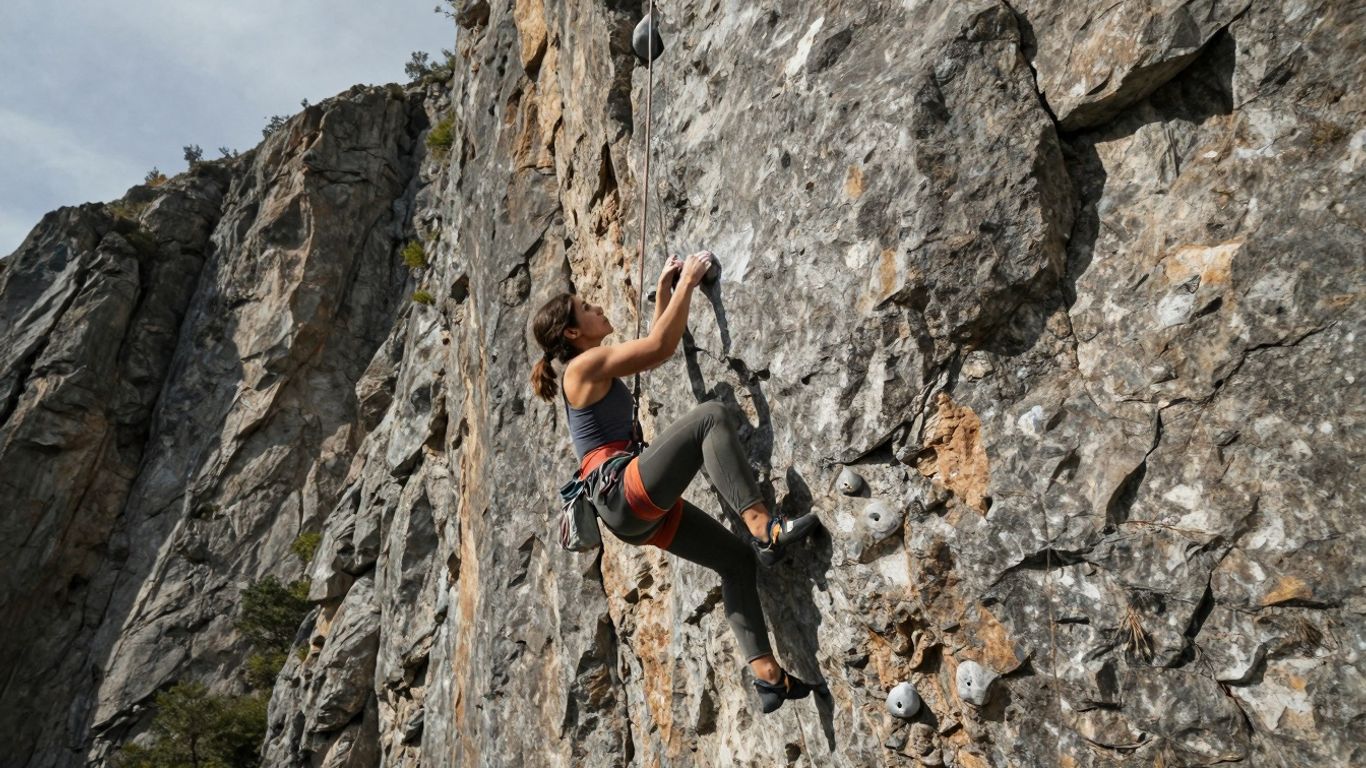
It might seem counterintuitive, but spending time on sport climbs can actually make you a better trad climber. Sport climbing is all about pure movement and pushing your physical limits on routes where the protection is already in place. This kind of focused effort helps build strength, technique, and that all-important endurance. You get to work on really hard moves without the added stress of placing gear, which lets you concentrate solely on the climbing itself. It’s like cross-training for your body and mind. Plus, it’s often more accessible, meaning more time spent climbing overall.
The Benefits Of Diverse Climbing Disciplines
Trad climbing is a beast of its own, demanding a unique blend of technical skill, mental fortitude, and risk assessment. But relying solely on it can lead to blind spots. Exploring other forms of climbing, like bouldering, aid climbing, or even ice climbing, exposes you to different movement patterns, problem-solving approaches, and environmental challenges. Bouldering, for instance, hones your power and dynamic movement. Aid climbing teaches you patience and how to use gear in ways you wouldn’t normally consider. Each discipline adds a different tool to your climbing toolbox.
Maintaining Motivation Through Exploration
Let’s be honest, climbing can get monotonous if you’re always doing the exact same thing. Variety is the spice of life, and it’s definitely true for keeping your stoke high. Trying new areas, different rock types, or even just different styles of routes can reignite your passion. It keeps things fresh and exciting. Maybe you’ve been stuck on a particular grade in trad, but then you go sport climbing and suddenly you’re sending harder than ever. That success can spill back over. It’s about keeping the journey interesting and avoiding burnout.
Sometimes, the best way to improve at something difficult is to step away and do something else entirely. It’s not about avoiding the challenge, but about approaching it from a different angle, refreshed and with new perspectives. This break allows for recovery, both physically and mentally, and often leads to breakthroughs when you return to the original task.
Here’s a quick look at how different disciplines can contribute:
- Sport Climbing: Builds power, endurance, and efficient movement.
- Bouldering: Develops raw strength, dynamic control, and problem-solving on short, intense sequences.
- Aid Climbing: Teaches patience, gear management, and how to ascend difficult terrain methodically.
- Multi-pitch Climbing: Focuses on efficiency, rope management, and sustained effort over long periods.
Understanding The Mindset Of Top Trad Climbers
Humility As A Core Climbing Value
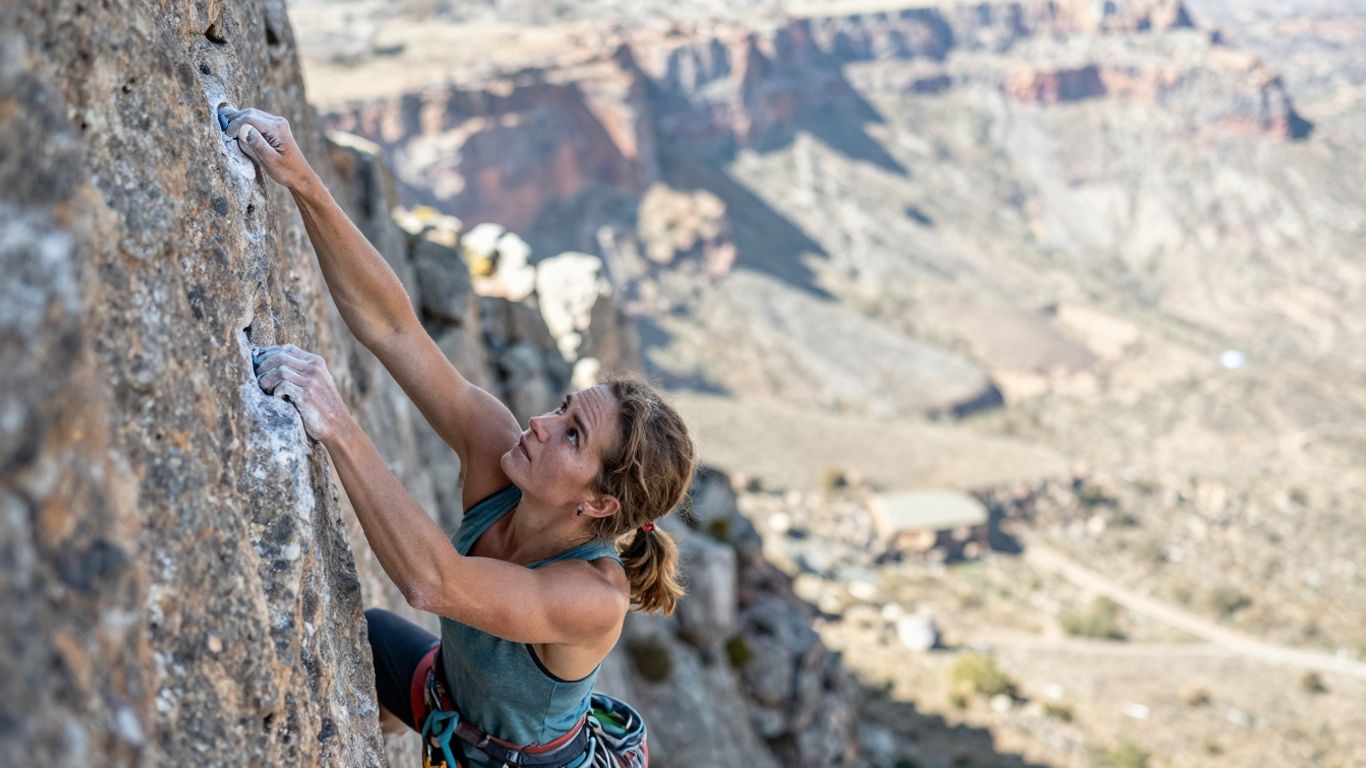
It’s easy to get caught up in the hype, right? You see these incredible ascents, the gnarly photos, and you might think top climbers are all about ego and pushing boundaries for the sake of it. But dig a little deeper, and you’ll find something else. Many of the best climbers I know, and certainly the ones who stick around and keep improving, have this quiet humility about them.
They aren’t shouting about their achievements from the rooftops. Instead, they’re often the first to admit when they messed up, when a route was way harder than they expected, or when they learned something new from a partner, even someone less experienced. It’s this willingness to be a student, no matter how good you are, that really sets them apart. They understand that climbing is a lifelong learning process, and there’s always more to discover.
The Continuous Journey Of Learning
Think about it: climbing isn’t a sport where you just hit a peak and stay there. The rock changes, your body changes, and your understanding of movement and risk evolves. Top trad climbers aren’t looking for a finish line; they’re invested in the process.
They’re constantly seeking out new challenges, not necessarily harder grades, but different styles, different rock types, or even just refining their technique on familiar routes. This isn’t about chasing external validation or ticking boxes. It’s about the internal drive to get better, to understand the rock more deeply, and to become a more capable and thoughtful climber. It’s a mindset that embraces the unknown and sees every climb as an opportunity to learn.
Finding Joy In The Process
This might sound a bit cliché, but it’s true. If you’re only focused on the summit, the send, or the next big project, you’re going to miss out on a lot. The real satisfaction for many elite trad climbers comes from the day-to-day grind: the problem-solving on the wall, the camaraderie with partners, the simple act of being out in nature, and the feeling of moving well.
They’ve learned to find contentment not just in success, but in the effort, the struggle, and even the failures. It’s about appreciating the journey, the skills you’re building, and the experiences you’re having, rather than just the outcome. This perspective makes climbing sustainable and, frankly, a lot more enjoyable over the long haul.
The mental game in trad climbing isn’t just about managing fear; it’s about cultivating a deep respect for the process, a willingness to learn from every situation, and a genuine appreciation for the act of climbing itself. It’s about finding satisfaction in the effort, not just the achievement.
Physicality And Adaptability For Trad Climbers
Trad climbing isn’t just about having the strongest fingers or the most powerful legs. It’s a full-body endeavor that demands a unique blend of physical resilience and the mental flexibility to adapt on the fly. You’re not just climbing rock; you’re dealing with the unpredictable nature of the mountain itself. Being physically prepared means more than just hitting the gym; it’s about building a body that can handle sustained effort, awkward positions, and the sheer grind of a long day on the wall.
Realism About Physical Challenges
Elite trad climbers understand that their bodies are tools, and like any tool, they need to be maintained and understood. This means acknowledging limitations without letting them become excuses. It’s about knowing when to push and when to conserve energy, a skill honed through countless hours on the rock. You learn to read your body’s signals, distinguishing between fatigue and genuine injury. This self-awareness is key to longevity in the sport.
Overcoming Height-Related Obstacles
Fear of heights is a natural human response, but for trad climbers, it’s something that needs to be managed. It’s not about eliminating fear entirely, but about learning to function effectively despite it. This often involves a gradual process of exposure and building confidence. The mental training discussed elsewhere plays a huge role here, helping climbers reframe their perception of risk and discomfort. It’s about developing a calmness even when you’re hundreds of feet off the ground, relying on your gear and your skills.
Focusing On Solutions, Not Excuses
When a pitch doesn’t go as planned, or the weather turns, the best trad climbers don’t dwell on what went wrong. They shift their focus to finding a solution. This might mean downclimbing, finding an alternative sequence, or even calling for a retreat. It’s a problem-solving mindset that’s constantly engaged. This adaptability is what separates those who merely climb from those who truly master the art of trad climbing. It’s about embracing the unexpected and finding a way forward, no matter the circumstances. You can hear more about this kind of mindset on climbing podcasts.
The ability to adapt physically and mentally is what allows trad climbers to tackle diverse and challenging environments. It’s a continuous process of learning and refinement, where each climb offers new lessons in resilience and resourcefulness.
So, What’s the Takeaway?
Hazel Findlay’s success in home isn’t just about raw strength or daring. It’s a mix of smart preparation, a deep respect for the rock, and a mental game that’s been seriously worked on. She shows us that pushing your limits isn’t about being reckless; it’s about understanding risk, staying present, and learning from every climb, whether it’s a win or a lesson. It’s about the journey, not just the summit, and that’s a pretty cool way to look at things, both on and off the wall.
Frequently Asked Questions
What is ‘trad climbing’ and why is it different?
Trad climbing, short for traditional climbing, is a style where climbers place their own safety gear into the rock as they ascend. Unlike sport climbing where bolts are pre-drilled, trad climbers rely on their skill to find and place protective pieces like cams and nuts. It’s a more adventurous and self-reliant way to climb.
How does Hazel Findlay handle the mental challenges of trad climbing?
Hazel Findlay is really good at staying calm and focused while climbing. She believes in facing tough situations head-on and learning from them, even when things feel uncomfortable. She also thinks carefully about the risks involved and makes smart decisions.
What are some basic skills every good trad climber needs?
Great trad climbers learn from everyone they climb with, and often have experienced climbers who guide them. They also build toughness by facing challenges over and over, which helps them get better with every climb.
Why is having different types of climbing experiences important for a trad climber?
Trying different kinds of climbing, like sport climbing or bouldering, helps trad climbers become more well-rounded. This variety keeps things exciting and prevents them from getting bored, making the whole journey more enjoyable.
What’s Hazel Findlay’s view on risk in climbing?
Hazel Findlay believes that climbers should be smart about risk. She doesn’t think she takes unnecessary risks and emphasizes that careful planning and knowing your abilities are key. It’s about managing danger, not ignoring it.
Does being shorter make climbing harder, and how do climbers deal with that?
Being shorter can sometimes make certain moves harder, especially if holds are far apart. However, top climbers like Hazel Findlay focus on finding solutions rather than making excuses. They accept the challenge and adapt their technique to overcome it.
Recommended Products for Trad Climbing
These products can support safer climbing, belaying, rappelling, and emergency readiness.
Affiliate disclosure: As an Amazon Associate, TradClimbers may earn from qualifying purchases at no additional cost to you.
Keep exploring helpful trad climbing, gear, safety, and technique resources.
- A Climber’s Guide to Rock Climbing in Thailand
- A Trad Climber’s Guide to the Isle of Skye Ridge
- Hueco Tanks Rock Climbing: hueco tanks rock climbing Essentials
- A Climber’s Guide to The Nose of El Capitan
- The Top 8 Unforgettable Climbing Routes El Capitan Has to Offer in 2026
- Yoga for Climbers: Boost Strength, Flexibility, and Recovery | yoga for climbers