
Back to Trad Climbing Gear Reviews
You’re midway through a brutal boulder problem, fingers crimping sharp holds, when a sharp twinge hits your thumb. The session ends right there, ice pack in hand, as pulley strain or tendon ache sets in. It’s frustrating, but thumb taping offers a simple fix to keep you climbing longer.
Thumb taping protects against common woes like pulley injuries, tendon strain, and skin tears from jams or edges. It adds support without killing your grip feel, so you stay precise on high-stress moves. Use it for early pain signs, crack climbing, or sharp holds, not on every route.
We’ve got you covered with practical advice ahead. You’ll learn why thumb taping matters for your sends, the best tape choices, top methods like H-tape and X-tape, daily routines, and mistakes to dodge. Stick around, and tape up smarter next time you hit the crag.
Why Thumb Taping Protects Your Thumbs on Steep Routes
Steep routes crank up the pressure on your thumbs. You crimp tiny edges, pinch slopers, or jam into pockets, and your thumbs take the brunt. They oppose your fingers to lock in holds, handling forces three times higher than open-hand grips. This stresses the A1 pulley at the thumb base and the flexor pollicis longus tendon, which bends the thumb under load.
Skin splits easily too on sharp rock. Thumb taping adds support right there, cutting tendon bowstringing by about 16 percent in tweaks and letting you climb smarter. Pros tape for skin protection and minor strains during long sessions, but skip it on max sends to avoid bulk. Tape early on tweaks; it beats downtime from ignored pain.
Spotting Early Signs of Thumb Trouble
Catch thumb issues fast, or a small ache turns into weeks off. Your thumbs signal trouble before major damage hits. Look for these common red flags, especially after steep sessions:
- Sharp pain on crimps or pinches: It stabs at the base when you match full body weight to a tiny edge, like hooking a pocket on an overhang.
- Swelling along the tendon: The thumb puffs up post-climb, often with warmth; that’s the flexor sheath inflamed from repeated opposition grips.
- Skin tears or splits: Flappers open on the pad from rubbing sharp crimps or side-pulls, bleeding and stinging on every move.
- Popping or catching feel: A subtle click at the joint hints at pulley strain, worse when straightening after a hard pinch.
- Weak pinch grip: You drop holds you used to stick, as tendon strain saps power.
Tape up at these signs. It guards skin, eases pulley load, and prevents strains from worsening. Don’t wait for full rupture; early thumb taping keeps you on the wall.
The Risks of Skipping Tape on Hard Projects
Push through thumb pain on that proj, and you risk real downtime. A ignored tweak swells into A1 pulley strain or tendonitis, sidelining you 2 to 10 weeks. Full ruptures need surgery and months of rehab; hand injuries hit 40 percent of climbers.
One pro story: climbers like Felipe Camargo tape splits mid-session to avoid bleeds turning septic, resting forearms fully after. Without tape, steep crimps overload the pulley, bowstringing the tendon until it snaps with a pop.
Thumb taping flips this. It supports tweaks in long sessions, cuts stress 13 percent on crimps, and boosts confidence without killing feel. Many pros buddy-tape thumbs to index fingers for shared load during recovery. Studies back minor relief, though not full prevention.
| Situation | Tape? | Why? | Better Pair With |
|---|---|---|---|
| Tweaked thumb, long day | Yes | Minor support, skin guard | Rest, warm-ups |
| Max send, no pain | No | No strength gain, adds bulk | Technique focus |
Skip tape on healthy max efforts; it won’t prevent tears and might crutch bad form. Listen to your thumbs instead.
Choose the Best Tape and Prep Steps for Secure Application
You want thumb taping that lasts through a full session, not tape that peels off mid-route. The right tape grips skin tight and flexes with your moves. Skip stretchy medical stuff; it loosens under sweat and strain. Go for sticky, non-stretch climbing tape around 1-inch wide, like CruxWrap from Escape or Leukotape. These hold firm for H-tape or X-tape methods without bulk.
Top Tape Picks for Reliable Thumb Taping
Leukotape tops the list for thumbs. Climbers swear by its grip on pulley tweaks; it sticks through chalk dust and stays put. Cut it to 1-inch strips for support without wasting roll. Tension Tape at 0.3-inch width shines for quick X-tape crosses. It’s slim yet tough, perfect if you tape thumbs often.
Escape tape powers CruxWrap style wraps. Sticky to itself and skin, it builds layers for crack jams. All three beat cheap alternatives. They flex but don’t sag, so your thumb taping supports crimps on steep walls. Stock a roll in your gear bag; pros reapply between burns.
Key Prep Steps Before You Tape
Prep keeps tape locked in place. Dirty or sweaty thumbs mean slips and wasted time. Clean skin first for that no-fail hold.
Follow these steps for secure thumb taping:
- Wipe thumbs clean: Use alcohol pads or a dry cloth. No lotions or sweat; they kill adhesion.
- Bend thumb slightly: Hold at 60 degrees, like a loose handshake. This sets the natural position.
- Trim and patch skin: Clip nails short. Dab super glue on splits, let dry, then cover with a tiny tape square.
- Cut strips smart: Thin for skin guard (0.5-inch), wider (1-inch) for pulley support. Rip ends for easy anchor.
- Test after taping: Pinch the tip. It blanches white then pinks fast? Good. Slow return means loosen up.
- Dust with chalk: A light coat fights sweat buildup.
Good prep cuts pulley stress and guards skin. Your tape stays on, so you focus on the climb.
Master These Four Thumb Taping Methods for Every Climb Type
Your thumbs face the same crimp loads as your fingers on steep walls or sharp edges. They lock in holds and take heavy opposition force, so pulley strains and tendon pulls hit hard. Climbers adapt proven finger taping tricks to thumbs with solid results.
These four methods, drawn from top practices, handle pulley support, tendon guard, skin shield, and quick fixes. H-tape locks down the top pulley for max stability. X-tape adds bendy hold on crux moves. Figure-8 wraps protect skin while steadying joints. Basic patches cover raw spots fast.
Pick based on your issue. All use 1-inch non-stretch tape like Leukotape. They cut tendon stress and let you climb longer. Pros rely on them for sessions, and tests show they boost load handling without killing feel.
| Method | Best For | Support Level | Flexibility |
|---|---|---|---|
| H-Tape | Pulley/tendon strain | High | Medium |
| X-Tape | Crux protection | Medium | High |
| Figure-8 | Skin tears, joint steady | Medium | Medium |
| Basic Patch | Raw splits, minor tweaks | Low | High |
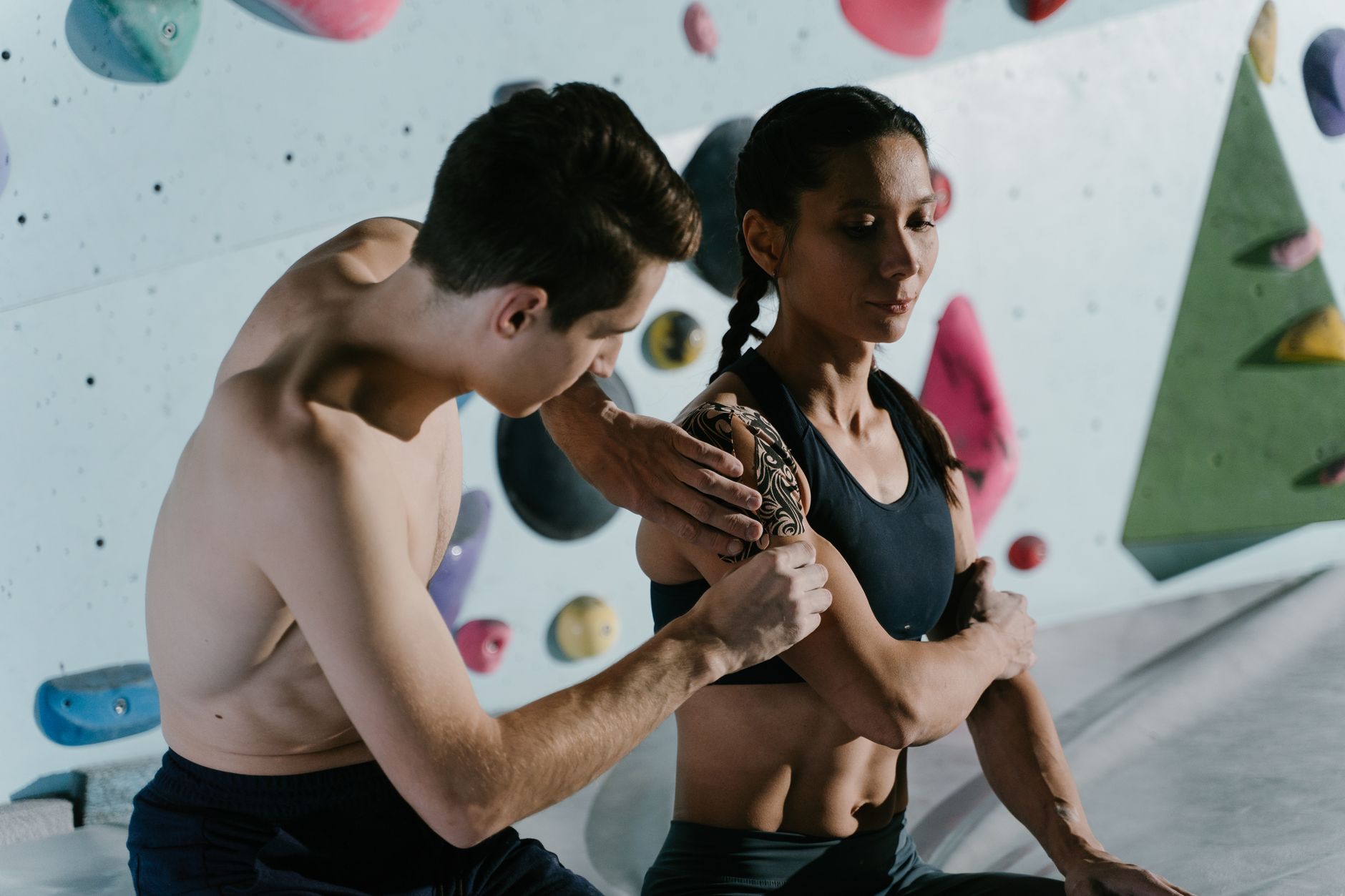
Photo by cottonbro studio
H-Tape Method for Top Pulley and Tendon Support
H-tape shines for pulley tweaks and tendon ache at the thumb base. It mimics finger H-methods but fits the thumb’s shape. This setup braces the A1 pulley under crimp load while letting you flex.
Grab 1-inch tape. Cut an H shape: full strip about 6 inches long, slit both ends 1/2 inch from each side, leaving a 1/2-inch center band intact. Bend your thumb 30 degrees, like a gentle hook. Place the center band flat over the middle joint, right on the pain spot.
Wrap the bottom slit tails snug around the base, near your palm. They form a ring without wrinkles or pinch. Do the same with the top tails over the tip knuckle. Pull firm but test: flex your thumb. It should move smooth, skin blanching white then pinking fast on pinch.
This holds strong through long sessions on steep crimps. Pros love the secure pulley guard without bulk. It cuts bowstringing and boosts confidence on projects. Reapply if sweat loosens it. Skip on healthy thumbs; it adds slight drag.
X-Tape for Bendy Support on Tricky Crux Sections
Need flex on dynamic cruxes? X-tape crosses thin strips for light hold that moves with you. It suits projects where full lock kills flow but tweaks need guard.
Cut two 6-inch strips of 0.5-inch tape. Cross them in an X over the middle joint pad, tails pointing base to tip. Anchor the bottom ends near your palm base with a half-wrap. Run the top ends over the tip knuckle, secure with overlaps.
Adjust the X center to your sore spot. Tug tails snug, no bunching. Test by crimping air: thumb bends free but feels backed. Great for tendon watch on overhangs or pockets.
You keep pinch power while dodging strain. Less rigid than H-tape, it fits tricky moves. Climbers use it mid-session on sends. Lasts hours if prepped right.
Figure-8 Wrap to Shield Skin and Stabilize Joints
Flappers or joint wobble? Figure-8 wraps circle the thumb tip-to-base for full cover. It steadies while padding skin from sharp holds.
Start a base wrap below the middle joint, one full loop snug to palm. Go diagonal up over the joint to the tip. Loop back under the thumb, cross over the top again. Repeat 2-3 times for even layers. Tuck and anchor the end under the base wrap.
This fully shields the pad, great for crack jams or edges. Joints stay aligned under load. Flex feels natural; no tight rings. Ideal after splits heal a bit.
Pros grab it for skin guard on long days. Pairs well with chalk to fight slips.
Basic Skin Patch for Quick Fixes on Raw Spots
Raw split mid-session? Slap on a basic patch fast. It’s your last resort for bleeds or tears.
Cut a thin 0.5-inch strip longer than the spot. Lay it straight over the split. Overlap 2-3 times for cover. Anchor ends below the joint with light wraps.
It slips under sweat, so check often. Stop if blood soaks through; rest instead. Use for quick guard, not heavy support. Switch to full methods next time.
Your Daily Thumb Taping Routine to Stay Injury-Free
Build a simple daily thumb taping routine to shield your thumbs from tweaks and keep sessions strong. Do it before every climb to warm up, apply tape smart, and care for skin after. This habit cuts pulley stress and builds resilience over time. Pros follow it 2-3 times a week max to avoid weakness from constant use. Tape only sore thumbs or both on long days with crimps or jams. Skip it on redpoint sends to keep full feel and power.
Start with a 10-minute warm-up. Pull your thumb across the palm, hold 20 seconds, repeat three times each side. Open your hand wide, then fist it slowly 10 times. Buddy stretch thumb to index finger. Hang from big holds 10-20 seconds, five sets, thumbs relaxed. Rest one minute between. Blood flows, tendons loosen.
Tape early, right after warm-up. Pick H-tape for pulley ache or X-tape for flex. Clean skin dry, bend thumb slight, wrap snug but free. Test right away: flex full, crimp air, pinch skin. It pinks fast? Good. Climb easy routes first to check feel and adjust. Peel off between goes if loose from sweat.
End sessions right. Untape gentle after last burn, soak in warm water if stuck. Wash skin, moisturize light. Ice sore spots 10 minutes. Rest thumbs full next day if red or puffy. No full wraps or daily use; they cut natural strength. Practice on slabs to dial it in.
Common Mistakes That Ruin Your Tape Job
Bad habits wreck your thumb taping fast. Wrinkles trap skin and rub sores under load. Stretch thumb taut, smooth tape flat as you wrap to fix it.
Too tight blocks blood, pumps hands numb mid-route. You drop holds when fingers tingle. Always flex-test: thumb bends easy, skin colors quick. Loosen wrist anchors if pale.
Over-taping adds bulk that kills grip on sends. It weakens thumbs long-term by skipping natural work. Stick to 2-3 loops max; less support beats none for cruxes.
Skip tape on healthy redpoints too. Bulk drags feel, no real strength boost. Tape guards tweaks in training, not max efforts.
| Mistake | Problem It Causes | Quick Fix |
|---|---|---|
| Wrinkles | Skin rubs, new sores | Stretch skin, smooth flat |
| Too tight | Blocks circulation, numb | Flex-test, loosen loops |
| Over-taping | Weak grip, thumb weaken | 2-3 loops only, skip sends |
| Tape every go | Loses natural strength | Use for sessions, not max |
Spot these, tape smarter, climb pain-free.
Level Up with Pro Tips and When to Rest Instead
You’ve nailed the basics of thumb taping. Now take it further with pro tips backed by 2026 biomechanics updates. These tweaks boost support by 20 to 30 percent on crimps, where thumb stress spikes 36 times higher than open grips. Tape only the hurting side to avoid weakening the good one. Remove tape often during sessions to build skin toughness. But rest trumps tape for real injuries; it heals tendons that tape can’t fix.
Pro Tips from Latest Biomechanics Research
Recent studies highlight X-tape as top for thumbs. It flexes on crux moves while guarding A2 pulleys. Wrap two to three turns at the base, cross over the joint, then anchor. H-tape fits heavy crimps: place the center band on the sore pulley, ring the base and tip. Figure-8 works quick for skin. Test on easy routes first; thumbs should bend free.
Use 1-inch zinc oxide tape like Leukotape. Pre-cut strips speed things up. On cracks, add a tape glove over your thumb. These methods cut rupture risk without drag.
Know When Tape Helps and When to Rest
Tape dull aches or skin splits at 70 percent effort. It buys time on mild tweaks. But rest if pain sharpens, swells, pops, or tops 3 out of 10. Pulley strains need two to six weeks off crimps. Tape as a crutch, not daily; it weakens thumbs over time.
| Pain Level | Action | Why? |
|---|---|---|
| Dull ache | Tape | Support without bulk |
| Sharp/pop | Rest | Tendons heal slowly |
Build Tough Thumb Skin Long-Term
File calluses flat daily, wash, and moisturize with balm at night. Super glue splits, then patch. Grind low-intensity hangs and eat collagen foods. Rest skin 48 hours weekly. You double toughness in three months. Peel tape mid-session to toughen pads naturally. Strong skin means less taping overall.
Conclusion
Thumb taping keeps your thumbs safe on steep routes and sharp holds. Pick sticky tape like Leukotape, master H-tape for pulley support, X-tape for flex on cruxes, or Figure-8 for skin shield. Build a quick routine with warm-ups, smart wraps, and post-climb care to dodge tweaks.
Grab your tape next session. Test one method on easy routes first, then push harder. Notice less pain and better grip right away.
Back to Climbing Tape Review
Recommended Climbing Products
These products match the equipment and gear topics covered in this article.
Affiliate disclosure: As an Amazon Associate, TradClimbers may earn from qualifying purchases at no additional cost to you.
Keep exploring helpful trad climbing, gear, safety, and technique resources.
- A Climber’s Guide to Rock Climbing in Thailand
- A Trad Climber’s Guide to the Isle of Skye Ridge
- Hueco Tanks Rock Climbing: hueco tanks rock climbing Essentials
- A Climber’s Guide to The Nose of El Capitan
- The Top 8 Unforgettable Climbing Routes El Capitan Has to Offer in 2026
- Yoga for Climbers: Boost Strength, Flexibility, and Recovery | yoga for climbers