

Planning a backpacking trip and wondering about the gear? Specifically, have you heard about Swiss Gear Backpacking? It’s a thing, and it’s got some solid advantages. We’re talking about gear that’s built tough and designed with you in mind. Whether you’re heading out for a weekend or a longer trek, understanding what makes Swiss Gear a good choice can really make a difference on the trail. Let’s break down what you need to know.
Key Takeaways
- Swiss Gear offers durable electronics backpacks, versatile daypacks, and organized toiletry kits that hold up well on trips.
- Optimizing your load involves understanding ultralight principles and making smart gear choices to manage weight.
- The benefits of Swiss Gear include its toughness, smart design features, and overall comfort and usefulness.
- Don’t forget advanced accessories like reliable hiking poles and water-resistant storage to round out your setup.
- Swiss Gear products are known for their durability and value, making them a good option for many backpackers.
Essential Swiss Gear Backpacking Components
When you’re heading out into the wilderness, having the right pack is pretty much the most important thing. It’s not just about carrying your stuff; it’s about how comfortably and efficiently you can do it. Swiss Gear makes some solid options that really stand out for backpackers.
Durable Electronics Backpacks
While not strictly for backpacking, sometimes you need a pack that can handle your tech. Think about a sturdy daypack that can fit a laptop or tablet, maybe for a trip where you’re working remotely or need to keep some digital tools handy. These packs often have padded compartments and good organization. They’re great for those transition days, like arriving in a new town before hitting the trail, or for shorter excursions where you might need to check emails or charge devices. They’re built tough, so they can handle a bit of rough and tumble.
Versatile Daypacks
This is where Swiss Gear really shines for day trips or as an add-on to your main pack. A good daypack is your go-to for carrying essentials like water, snacks, a first-aid kit, and an extra layer. Look for ones with comfortable straps and maybe a hydration sleeve. They’re also super handy for carrying souvenirs or extra food you pick up along the way. A well-designed daypack can make a huge difference in your comfort when you’re out exploring for a few hours.
Organized Toiletry Kits
Keeping your personal items sorted is key to a pleasant trip. Swiss Gear toiletry kits are known for being really well-made. Many feature water-resistant linings, which is a lifesaver for preventing shampoo explosions or leaky sunscreen from ruining the rest of your gear. They come in various sizes, so you can pick one that fits just what you need, whether it’s a minimalist setup or you like to bring a few more comforts from home. Having a dedicated, organized kit means less rummaging and more time enjoying your adventure.
The right gear doesn’t just make the trip easier; it makes it more enjoyable. Focusing on well-designed components like durable packs and smart toiletry kits sets you up for a better experience on and off the trail.
Here’s a quick look at what makes these components stand out:
- Backpacks: Look for capacity that matches your trip length. A 30-40 liter pack is often good for weekend trips, while longer excursions might need 50+ liters.
- Daypacks: Aim for 15-25 liters for day hikes. Features like padded shoulder straps and a sternum strap add comfort.
- Toiletry Kits: Prioritize water-resistant materials and internal organization like mesh pockets or elastic loops to keep items secure.
Optimizing Your Swiss Gear Backpacking Loadout
Alright, so you’ve got your Swiss gear, but how do you make sure you’re not lugging around unnecessary weight? That’s where optimizing your loadout comes in. It’s not just about picking the lightest stuff; it’s about being smart with what you bring.
Understanding Ultralight Principles
This is the core idea: every ounce counts. Think about it – if you shave a pound off your pack, that’s a pound less you have to carry for miles and miles. The goal is to carry only what you truly need and nothing more. This means scrutinizing every single item. Can you get a lighter version? Will it still keep you safe and comfortable? Sometimes, it’s about making trade-offs, but the payoff in reduced fatigue is huge. A good starting point is to focus on the ‘Big Four’: your backpack, shelter, sleeping bag, and sleeping pad. These are usually the heaviest items, so upgrading them can make a big difference. You can find some great ultralight gear options here.
Strategic Gear Selection
Once you’re thinking ultralight, you start looking at gear differently. Don’t bring duplicates of anything. Seriously, that extra pair of socks or that second headlamp? Probably not needed. If you’re hiking with others, talk about sharing items like stoves, water filters, or even tents. This way, the weight is distributed, and nobody has to carry redundant gear. Also, consider what you’ll actually be doing. Are you in a desert with no water for miles, or is there a stream every hour? Your trip’s specifics should guide your packing decisions. Dehydrating your own meals is another smart move; it cuts down on packaging weight and lets you control the ingredients for better calorie-to-weight ratios.
Weight Management Techniques
So, how do you actually do this? First off, get a scale. Weigh everything. You’ll be surprised what adds up. Then, start comparing. Look at your current gear and see if there are lighter alternatives. Sometimes, a small item can be replaced with something much lighter. For example, instead of a bulky toiletry bag, use small Ziploc bags for your essentials. Here’s a quick look at how some common items stack up:
| Item | Example Product | Weight (oz) | Weight (g) |
|---|---|---|---|
| Backpack | Zpacks Nero 38 DCF | 10.9 | 308 |
| Tent | Zpacks Plex Solo | 13.9 | 395 |
| Sleeping Bag | Feathered Friends Flicker UL | 25.2 | 714 |
| Sleeping Pad | Therm-a-Rest NeoAir Xlite | 12.2 | 346 |
| Trekking Pole | Zpacks Carbon Fiber | 7.2 | 204 |
| Socks | Darn Tough Light Hiker | 2.1 | 58 |
Remember, the goal isn’t just to be light; it’s to be light and comfortable. Don’t sacrifice too much sleep or safety just to shave a few ounces. Find that sweet spot where your pack feels manageable, and you can still enjoy the journey.
Benefits of Swiss Gear Backpacking
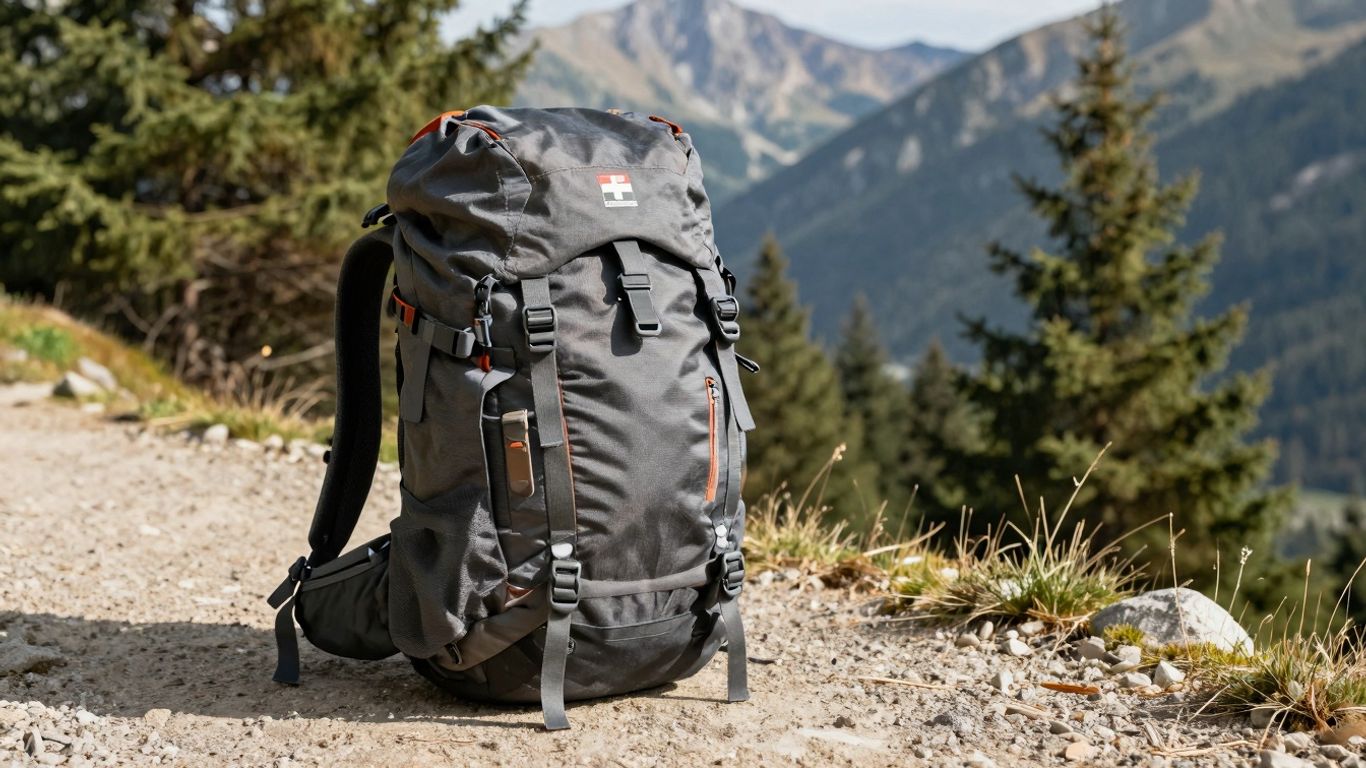
When you’re out on the trail, the gear you carry makes a big difference. Swiss Gear products, often seen as reliable companions for travelers, bring a few key advantages to the backpacking experience. They’re built to last and designed with the user in mind.
Durability and Value
One of the first things you notice about Swiss Gear is how sturdy it feels. This isn’t just about looking tough; it means your pack, toiletry kit, or even hiking poles can handle the bumps and scrapes of the trail without falling apart. You’re not constantly worried about a seam splitting or a zipper failing when you’re miles from anywhere. This durability translates directly into value. While the initial cost might be a factor, the longevity of the gear means you won’t be replacing it every season. Think of it as an investment in reliable travel. For instance, many users report using their Swiss Gear electronics bags for over a decade, a testament to their build quality.
Thoughtful Design Features
Beyond just being tough, Swiss Gear often includes smart little details that make a real difference on the trail. Take their toiletry kits, for example. Many have water-resistant linings, which is a lifesaver when you’re packing liquids like shampoo or deodorant. No more worrying about a small leak ruining your clothes. Or consider their electronics backpacks, which often feature specialized compartments and padding to keep your gadgets safe and organized. It’s these kinds of thoughtful touches that show the brand understands what people actually need when they’re on the move.
Comfort and Functionality
Ultimately, backpacking is about enjoying the journey, and comfort plays a huge role in that. Swiss Gear often incorporates ergonomic designs, like padded straps on backpacks or comfortable grips on hiking poles. This helps reduce strain and fatigue, letting you hike further and feel better doing it. Functionality is also key. Their gear is designed to work well, whether it’s a daypack that fits neatly into a larger bag or hiking poles that offer good support on varied terrain. The goal is gear that performs its job without getting in your way, making your trip smoother and more enjoyable.
Advanced Swiss Gear Backpacking Accessories
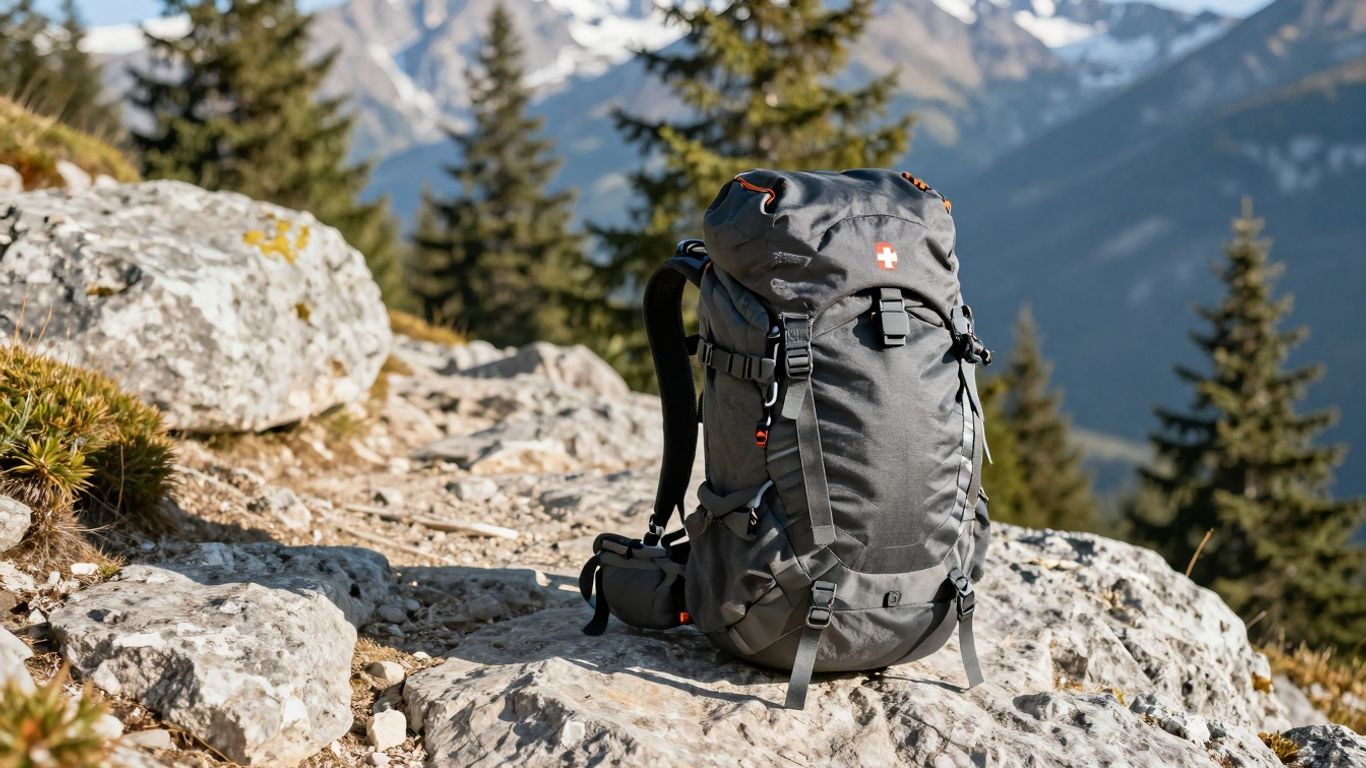
Beyond the core components, a few extra bits of gear can really make your backpacking trip smoother. These aren’t the things you absolutely need to survive, but they sure do help. Think of them as the smart upgrades that make a difference when you’re out there.
Reliable Hiking Poles
Hiking poles might seem like overkill, especially if you’re used to just walking. But trust me, once you try them, you’ll wonder how you managed without them. They take a ton of pressure off your knees, especially on descents, and give you extra stability on uneven terrain. Plus, they can help you push yourself a bit harder on climbs. SwissGear offers some solid options that are lightweight and adjustable.
Here’s a quick look at why they’re so good:
- Reduced Joint Strain: Significantly less impact on your knees and ankles.
- Improved Balance: Helps you stay upright on tricky paths or when crossing streams.
- Pacing Assistance: Can help you maintain a steady rhythm and conserve energy.
- Versatility: Useful for probing water depth or testing unstable ground.
Water-Resistant Storage Solutions
Keeping your gear dry is a big deal when you’re backpacking. You don’t want your sleeping bag getting soaked or your electronics getting ruined by a sudden downpour. While your main pack might have some water resistance, having dedicated dry bags or waterproof pouches is a smart move. This is where things like a good toiletry kit with water-resistant lining come in handy, not just for your toothbrush but for protecting sensitive items.
- Dry Bags: Perfect for keeping clothes, sleeping bags, and other essentials completely dry.
- Waterproof Pouches: Great for phones, GPS devices, and maps you need quick access to.
- Toiletry Kits: Look for ones with water-resistant interiors to prevent leaks and protect other gear.
Keeping your electronics and other sensitive items protected from moisture is key. A simple, well-designed waterproof case or a dedicated dry bag can save you a lot of headaches and potentially expensive repairs.
Compact Travel Accessories
These are the little things that add up. Think about things like a small first-aid kit, a multi-tool, or even just a good cable organizer for your chargers. SwissGear makes some really handy organizers, like their framed toiletry kits, which are surprisingly useful for more than just toiletries. They help keep all those small, important items tidy and easy to find, so you’re not digging through your pack every time you need a band-aid or your phone charger.
- Cable Organizers: Keep your chargers and cords from becoming a tangled mess.
- Mini First-Aid Kits: Essential for dealing with minor injuries on the trail.
- Multi-tools: Always handy for quick fixes or unexpected situations.
- Headlamps: A reliable headlamp is non-negotiable for camp chores after dark or early morning starts.
Wrapping It Up
So, when you’re thinking about hitting the trails, don’t forget the gear that carries your gear. Swiss Gear has a solid lineup, from those handy toiletry kits that keep your stuff dry to the robust backpacks that can handle a lot of weight. They’re not the fanciest, sure, but they get the job done without costing a fortune. It’s about finding what works for you, and for many, Swiss Gear offers a reliable way to keep your essentials organized and protected, letting you focus more on the adventure itself.
Frequently Asked Questions
What makes Swiss Gear good for backpacking?
Swiss Gear is known for making tough products that are designed really well. This means they can handle being used a lot on trails and keep your stuff safe. They often have smart features that make packing and using your gear easier, which is super helpful when you’re out in nature.
Why is having a good backpack important for Swiss Gear backpacking?
A good backpack is like your mobile home when you’re backpacking. Swiss Gear makes durable backpacks with lots of pockets and ways to organize your things. Some even have special spots for electronics, keeping them safe and easy to get to. A well-designed pack also helps spread the weight evenly, making your hike more comfortable.
What are ‘ultralight principles’ in backpacking?
Ultralight backpacking is all about carrying as little weight as possible. The idea is to use lighter gear and only bring what you absolutely need. This makes hiking easier and less tiring, especially on long trips. It’s like trying to pack only the essentials for a school project to make your backpack lighter.
How can I make my backpack lighter?
To lighten your load, first, weigh everything you plan to bring. Then, look for lighter versions of your gear, especially your backpack, tent, and sleeping bag. Think about if you really need every single item. Sometimes, sharing heavier items like a stove with a friend can also make a big difference.
Are hiking poles really useful?
Yes, hiking poles can be a game-changer! They help you keep your balance, especially on tricky trails with rocks or mud. They also take some of the pressure off your legs when you go downhill and help you use your upper body more when going uphill. Swiss Gear poles are a good option because they’re strong and don’t cost too much.
What’s the benefit of having a toiletry kit?
A toiletry kit helps keep your personal items organized and prevents leaks. Swiss Gear toiletry kits often have special lining to keep water in or out, so if your shampoo or toothpaste spills, it won’t mess up the rest of your stuff. It makes getting ready in the morning or at night much simpler.
Recommended Approach and Hiking Gear
These products match the equipment and gear topics covered in this article.
Affiliate disclosure: As an Amazon Associate, TradClimbers may earn from qualifying purchases at no additional cost to you.
Keep exploring helpful trad climbing, gear, safety, and technique resources.