

Your first pair of climbing shoes can make the sport feel fun or feel like a fight. When the fit’s right, your feet hurt less, you trust tiny holds sooner, and you learn cleaner footwork because you’re not constantly readjusting. That comfort also makes you safer on the wall as does following legitimate bouldering tips, since secure feet mean fewer surprise slips.
For 2026, don’t expect a totally new set of must-have models. Most top beginner shoes change slowly from year to year, so the smart move is picking the right shape and stiffness for your foot and the kind of climbing you’ll do most. Hype fades fast, a good fit doesn’t.
This guide to rock climbing shoes for beginners sticks to neutral, beginner-friendly options that work for gym sessions and easy outdoor routes. You’ll also get quick sizing pointers (snug, not painful) and simple care habits that help shoes last longer and stay less funky between climbs. You may also want to look at these cool climbing chalk bags as well.
How to Choose Rock Climbing Shoes for Beginners in 2026 (Fit, Comfort, and Use)
Buying your first pair of climbing shoes like the La Sportiva finale womens climbing shoe for example, can feel like guessing. Keep it simple: prioritize comfort, secure fit, and a shape that helps you learn footwork. In 2026, a lot of beginner models also aim for less break-in and more “ready out of the box” comfort, which is exactly what you want while you’re still building trust in your feet.
Think about where you’ll climb most. Gym climbing usually means longer sessions and lots of stepping down, comfort matters. Outdoor climbing often rewards better edging on smaller holds, so a slightly firmer shoe can feel nicer, even if it’s not as plush. You may also look into how to cut climbing rope as well.
Neutral vs aggressive shoes: what beginners should buy first
Climbing shoes come in three common “profiles,” which mostly describe how curved the shoe is.
- Neutral: A flatter shape that feels closest to a normal shoe. It’s built for comfort and all-around climbing, great for learning clean foot placements.
- Moderate: A slight downturn, more focus on performance, still wearable for longer sessions once you’re used to tight shoes.
- Aggressive: A strong downturn and more tension through the arch and toes. These shine on steep routes and boulders, but they can feel harsh fast.
For most people, neutral shoes are the best first buy. They let you practice smearing, edging, and quiet feet without your shoes becoming the main problem. Your goal early on is consistency: place your foot once and trust it.
A quick warning: overly downturned shoes can cause sharp toe pain and make you climb with bad habits, like stepping sloppy because you just want to get off the holds. Pain also makes you take your shoes off constantly, which slows learning. If you want a deeper overview of profiles, REI’s fit and style breakdown is a solid reference: How to Choose the Best Rock Climbing Shoes.
Sizing and fit made easy: toes, heel, and hot spots
Fit should feel snug like a handshake, not like a vise. Use this quick try-on routine in the store (or at home with easy returns):
- Put the shoe on standing up, then tap your heel down and fasten it fully.
- Stand tall and shift weight onto your toes like you’re on a small foothold. Your toes should touch the front, but you should not feel numbness.
- Check toe position: beginner shoes usually feel best with toes mostly flat or gently curved, not painfully crimped.
- Test the heel: do a few calf raises or simulate a heel hook by pulling your heel up and down. The heel should stay planted with no obvious air pockets.
- Scan for hot spots: pay attention to the big toe knuckle, pinky toe, and the Achilles area. Mild pressure is fine, sharp rubbing is not.
Signs the shoe is too small
- Toes go numb or tingle within a minute or two.
- You feel sharp pain at one point (a “needle” spot), not even pressure.
- Your heel cannot fully seat, or you cannot stand on toes without wincing.
Signs the shoe is too big
- Heel lifts when you walk or do a heel hook motion.
- You can pinch “dead space” on top of the foot or around the heel.
- Your foot slides forward on toe-weight, creating toe bang.
Sizing down is common, often about a half size, but brands vary a lot. If you want a methodical fit checklist, this guide is helpful: How to Fit Climbing Shoes. You may also want to check out this indoor boulder tips post I wrote for further tips.
Break-in expectations
- Leather: often stretches a bit over time, so a snug fit can relax.
- Synthetic: tends to stay closer to the original size, so don’t buy painful hoping it will “fix itself.”
Quick fit tweaks for common feet:
- Wide feet: look for high-volume or wider options, avoid narrow, pointy toe boxes.
- Narrow heels: prioritize a secure heel cup, dead space here hurts performance.
- High arches: moderate tension can feel supportive, but avoid aggressive shoes early.
Laces vs Velcro vs slip ons: what is easiest for new climbers
Closure affects comfort more than people expect, because it changes how well you can fine-tune pressure.
- Laces: Best adjustability. Great if you have a narrow heel but wider forefoot, or a high arch. Solid for classes and longer routes where you want even comfort for many climbs.
- Velcro: Fast on and off, easy to tighten between attempts. Ideal for gym bouldering sessions where you rest often and want quick changes.
- Slip-ons: Comfortable and simple, but usually less support and less fit control. Nice for casual gym mileage, not always the best for tiny edges or long outdoor days.
If you mainly climb indoors and take breaks often, Velcro is hard to beat. If you plan to do longer top-rope sessions or outdoor routes, laces can feel more “set and forget.” A lot of climbers like the outdoors much like hikers.
Beginner friendly materials and rubber: what actually matters
Materials and rubber decide how the shoe feels after week three, not just day one.
- Leather uppers: can stretch and mold to your foot, which helps comfort over time.
- Synthetic uppers (including knits and microsuede): tend to hold size better and often feel softer right away, a common 2026 comfort trend.
For beginner rubber, worry less about brand names and more about thickness and support:
- Rubber thickness: around 4 to 5 mm is a sweet spot for durability and value. Thinner rubber can wear fast if your footwork is still developing.
- Sole stiffness: a stiffer sole can reduce foot pain on tiny holds and help you learn edging without your feet getting wrecked.
If vegan materials matter to you, many synthetic models qualify, which is a nice bonus when you also want minimal stretch and easy care.
Top Picks for 2026: Best Beginner Rock Climbing Shoes (Quick Reviews)
These picks focus on what actually helps new climbers improve: comfort you can wear for a full session, mostly neutral shapes (or close to it), durable rubber that won’t vanish after a month of learning footwork, and a track record in trusted roundups and user feedback as of late 2025. I also leaned toward models with strong availability, so you can try them on in-store or find easy returns online. For a bigger picture comparison of popular beginner shoes, Switchback Travel’s roundup is a helpful cross-check: Best Rock Climbing Shoes for Beginners.
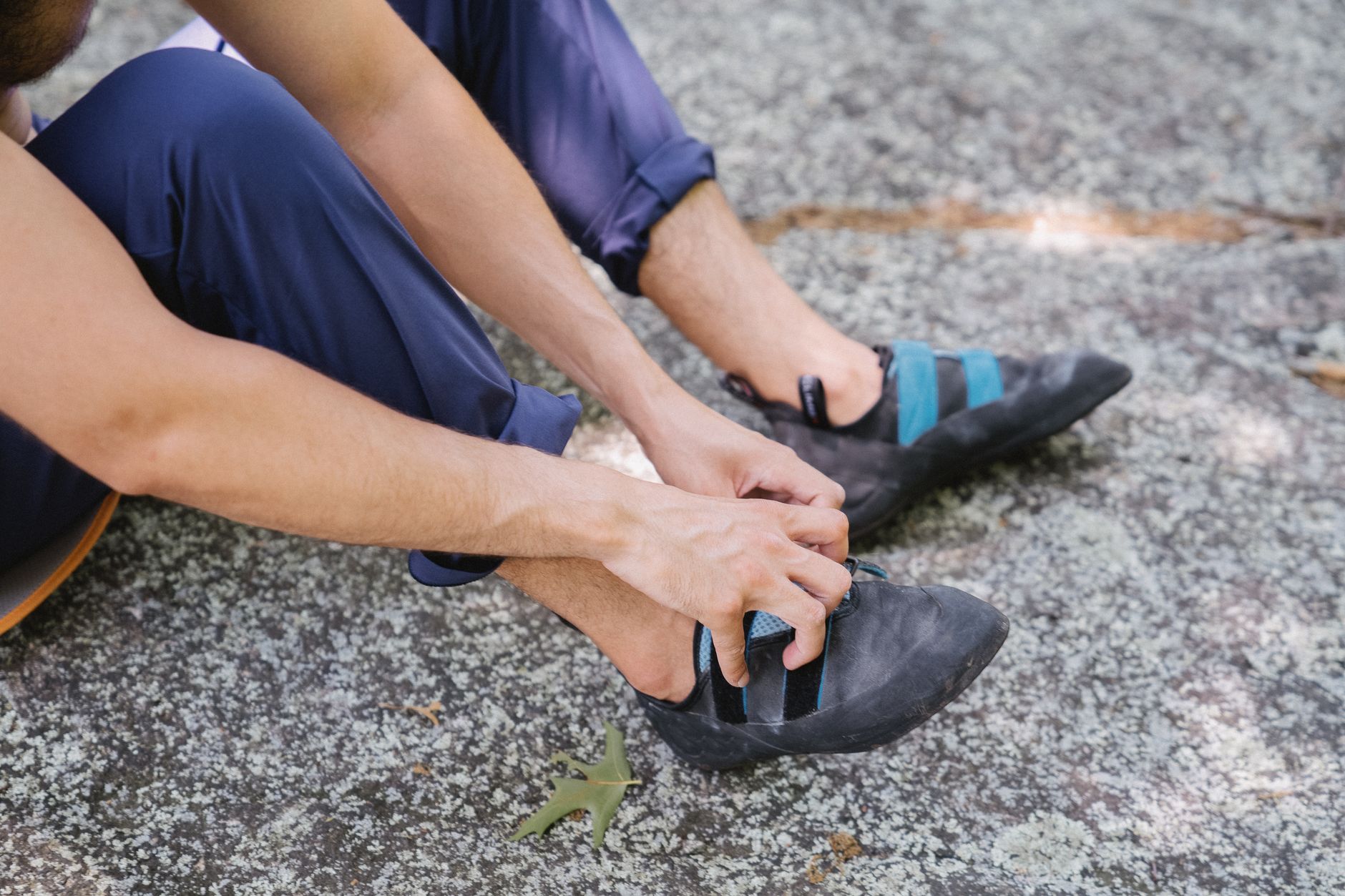
Photo by Katya Wolf
Best overall beginner shoe: La Sportiva Finale
If you want your first “real” pair that still feels friendly, the Finale hits a sweet spot. It’s supportive enough to teach edging without your feet feeling wrecked, but comfortable enough for long gym nights and easy outdoor days. It’s one of those rock climbing shoes for beginners that doesn’t feel like a costume, it feels like gear you can grow into.
- Best for: New climbers who want one shoe for gym routes, longer sessions, and outdoor top-rope or easy sport climbs.
- Feel/fit notes: Supportive and confident on edges thanks to a stiffer platform, and the leather tends to mold to your foot over time. The lace-up design helps dial in pressure across the forefoot and midfoot, which is great if your feet are “in between” widths.
- Closure: Laces (high adjustability, “set it and forget it” once tied).
- Rubber thickness: 5 mm (commonly listed as Vibram XS Edge), a durable thickness that suits beginner mileage.
- One drawback: Laces take longer to put on and off, and the price is usually higher than true budget models.
Who should skip this: If you mostly boulder in the gym and take shoes on and off a lot, you’ll probably prefer Velcro.
Extra reference if you like comparing notes: Treeline Review’s beginner shoe testing is a useful read for seeing how popular models stack up: 7 Best Beginner Rock Climbing Shoes of 2025 (Tested).
Best budget pick: La Sportiva Tarantulace
The Tarantulace is popular for a reason. It’s comfortable, forgiving, and built to take a beating while you learn the basics. If you’re moving on from rentals and want something you can climb in twice a week without stressing about wear, this is a solid value play.
- Best for: First-time buyers who want an affordable, dependable shoe for gym days and occasional outdoor routes.
- Feel/fit notes: Neutral, beginner-friendly shape with a roomy feel compared to performance models. It doesn’t force your toes into an extreme position, which helps you focus on technique instead of foot pain. The overall build feels durable, which matters when your footwork is still loud and scrappy.
- Closure: Laces (easy to tune for different foot volumes).
- Rubber thickness: Typically around 5 mm in this category, aimed at durability for high use.
- One drawback: It’s less precise than pricier shoes, especially on tiny footholds or when you start pushing harder grades.
Who should skip this: If you already climb often and you’re starting to care about standing on small edges, you may outgrow it quickly.
If you want a detailed third-party take on long-term durability and value, OutdoorGearLab’s review is a straightforward reference: La Sportiva Tarantulace Review. You should also look into this best climbing harness for beginners post I wrote too.
Best comfort and easiest on and off: Black Diamond Momentum (plus vegan friendly option)
If your top priority is comfort and convenience, the Momentum is hard to beat. It’s the shoe you’ll actually keep on between climbs, which matters more than people think when you’re learning. Less fiddling, more climbing, more reps on the wall.
- Best for: Gym classes, long beginner sessions, and climbers who hate fighting with tight shoes between attempts.
- Feel/fit notes: The upper has a soft, breathable knit-like feel, and the shoe tends to feel “broken-in” fast. The shape stays beginner-friendly and neutral, and the soft build works well for big volumes and smearing.
- Closure: Velcro (quick on and off, easy to adjust mid-session).
- Rubber thickness: Often listed in the 4 to 5 mm range for beginner-focused durability.
- One drawback: Softer shoes like this usually give less support on very small edges than stiffer models, especially once your feet get tired.
Who should skip this: If you’re planning lots of outdoor edging on small footholds, a stiffer shoe will feel more stable.
Vegan-friendly note: Many knit or synthetic versions of beginner shoes are vegan-friendly, but materials can change by year and colorway. If that matters to you, check the product page for upper and lining materials before buying.
Best step up option that can grow with you: Butora Rubicon (or similar durable Velcro neutral)
If you climb often and want one shoe that won’t feel “beginner only” after a few months, the Rubicon is a strong step-up pick. Think of it like a more supportive daily driver. It can handle gym mileage, then transition to outdoor days without feeling out of place.
- Best for: Regular climbers who want one pair for gym plus outdoor, and who like Velcro convenience with a more supportive feel.
- Feel/fit notes: A more structured, supportive build than many entry-level comfort shoes, which helps when footholds get smaller or when you start weighting your feet more precisely. It’s still beginner-appropriate in profile, but it feels more “locked in” once sized right.
- Closure: Velcro (fast and practical for gym training and bouldering).
- Rubber thickness: Commonly around 4 to 5 mm, depending on version, with a focus on durability.
- One drawback: The price is often higher than true beginner picks, and it may feel stiffer at first until you break it in.
Who should skip this: If you only climb once or twice a month, you might not need to pay for the extra support and durability.
Best vegan neutral alternative: Evolv Defy (lace or Velcro)
If you want a vegan-friendly option that stays consistent over time, the Defy is a classic beginner choice. It’s comfortable, neutral, and forgiving, and it doesn’t tend to stretch the way many leather shoes do. That makes sizing simpler for a lot of people.
- Best for: Gym climbers who want a neutral fit, plus anyone who prefers synthetic shoes that change less over months of climbing.
- Feel/fit notes: The synthetic upper holds its shape well, so the fit you buy is closer to the fit you keep. Many climbers also like the odor-fighting lining for gym use, especially for longer sessions.
- Closure: Available in lace or Velcro (choose laces for adjustability, Velcro for convenience).
- Rubber thickness: Usually in the 4 to 5 mm beginner range, balancing grip and wear.
- One drawback: Synthetic shoes can feel different than leather, and the fit can feel less “molded,” so trying on carefully matters.
Who should skip this: If you love the idea of leather stretching into a custom fit over time, you’ll likely prefer a leather upper instead.
Match the Shoe to Your Climbing Style: Gym, Bouldering, Top Rope, and First Outdoor Trips
The “best” shoe isn’t a single model, it’s a match between where you climb most and how long your feet stay in the shoes. A beginner who takes lots of rests on top rope needs something different than a gym boulderer who pops shoes off between tries. For most people, comfort should win for the first 3 to 6 months, because you’ll learn faster when your feet are not screaming. After that, you can start caring more about precision, toe power, and steeper terrain.
If you’re still unsure what matters in each style, this Climbing Magazine overview gives a helpful foundation: A Beginner’s Guide to Climbing Shoes.
Best beginner shoes for gym climbing and classes
Gym sessions and classes often mean long blocks of climbing, lots of time standing around on the mat, and plenty of belay duty. That’s why neutral shoes shine here. A neutral profile keeps your foot in a more natural position, so you can focus on balance and quiet feet instead of toe pain.
Look for these traits:
- Comfort-first fit: snug, but you can keep them on for most of the session.
- Easy on and off: Velcro or a forgiving slip-on style is great for frequent breaks.
- Durability: thicker rubber lasts longer while your footwork is still developing.
A simple rule: if you mostly climb gym routes or take classes, pick rock climbing shoes for beginners that feel good for 60 to 90 minutes at a time. If you have to rip them off after every climb, your learning time drops fast.
Best beginner shoes for bouldering (without going too aggressive)
Bouldering is short, powerful, and full of attempts. You’ll want a shoe that feels secure when you push hard through your toes and pull with your heel, but you still don’t need an extreme downturn early on. Think “snug and stable,” not “painful and curled.”
Priorities for beginner bouldering:
- Good toe feel: enough sensitivity to trust smears and small chips on plastic.
- Secure heel cup: a snug heel helps with basic heel hooks and keeps the shoe from shifting.
- Quick closure: Velcro makes it easy to tighten for a try, then loosen right after.
When you try shoes on, pay extra attention to the heel. If you can pinch air pockets or the heel slides when you rise onto your toes, it’ll feel sketchy on hooks. If you want to compare what experienced testers like across bouldering and routes, this roundup is a solid reference point: The Best Climbing Shoes of 2025.
Best beginner shoes for outdoor routes and first multi pitch days
Outdoor days often mean more edging, rougher rock, and longer time in your shoes. Even if you’re only top roping outside, you may stand on smaller holds than you see in the gym. Comfort still matters, but outdoor comfort is about all-day wear and control, not just softness.
What to look for:
- Laces for adjustability: they help you fine-tune pressure across the whole foot, especially if your feet swell during a long day.
- Tougher, supportive soles: a bit more stiffness can make tiny edges feel like steps instead of needles.
- Practical planning: bring a backup pair of comfy shoes (approach shoes or sneakers) for walking, belays, and snack breaks.
If you climb a mix of gym and outdoor, a neutral, supportive lace-up style is often the easiest “one shoe” choice. For more model ideas that stay beginner-friendly, Treeline’s tested list is a useful cross-check: 7 Best Beginner Rock Climbing Shoes of 2025 (Tested).
Beginner Buying Tips: Try On, Break In, Care, and When to Upgrade
Most beginner shoe regrets come from rushing the try-on or expecting the shoe to “fix itself” later. A little patience up front saves money, blisters, and that nagging feeling that your feet are the problem (they’re not). Use this checklist to buy smarter, break in gently, and know when to move on from your first pair of rock climbing shoes for beginners.
Try on tips that prevent expensive mistakes
Try shoes on when your feet are at their largest. Late afternoon or evening is best because feet swell during the day, and climbing makes that swelling worse.
A quick try-on routine that works in-store (or at home if you order two sizes):
- Match your usual setup: If you climb barefoot, try them barefoot. If you plan to wear thin socks, try thin socks. Don’t mix it up later.
- Seat the heel first: Tap your heel down, then fully tighten laces or Velcro.
- Check the toe box: Toes should touch the front, but avoid sharp knuckle pain. For most first pairs, a mostly flat toe position beats a hard curl.
- Test heel tension: Do a few calf raises, then mimic a heel hook by pulling your heel up against a bench edge. The heel should feel “stuck on,” with no big air pockets.
- Walk a bit: Take 2 to 3 minutes around the shop. You’re checking for hot spots and heel slip, not comfort like a sneaker.
Buying online? Order two sizes (or two half sizes) and return the loser. Before you commit, read the store’s return policy and keep tags on, keep them clean, and don’t climb in them until you’re sure.
For more fit fundamentals, REI’s guide is a solid reference: How to Choose the Best Rock Climbing Shoes.
Breaking in new climbing shoes without suffering
A good beginner fit should break in fast. Plan on 2 to 5 short sessions before they feel normal.
Use this gentle break-in plan:
- Session 1: Wear them for warm-ups and easy climbs only (30 to 45 minutes total shoe-on time).
- Session 2: Add a few harder attempts, then loosen or swap out when your feet start to tense up.
- Session 3 to 5: Gradually increase wear time until you can keep them on for most of your usual session.
Material matters:
- Leather often relaxes and molds to your foot, it can stretch a bit.
- Synthetic usually changes less, so don’t buy painfully tight hoping it will “stretch out.”
Skip “heat tricks” (ovens, hair dryers, boiling water). Heat can soften glue and warp rubber, and you’ll pay for it later in peeling edges and dead-feeling soles. If you want more break-in tips without the horror stories, this overview lays out common approaches: Breaking in Your New Rock Climbing Shoes: Tips and Tricks.
Blister plan: stop the rubbing early. Cover hot spots with tape or a blister bandage, and take a break. If a blister forms, keep it clean and protected, and consider thin socks for a session or two while it calms down.
Simple care to make shoes last longer (and smell less)
Climbing shoes fail early from heat and moisture. After every session:
- Air dry immediately: open them up, pull the tongue out, and let them dry in shade.
- Don’t bake them in a hot car: heat can damage rubber and glue.
- Manage stink: use a shoe deodorizer, or add a small pinch of baking soda (lightly, too much can get gritty).
Cleaning basics:
- For synthetic uppers, wipe with a damp cloth, then air dry. Avoid soaking unless the brand says it’s OK.
- Don’t machine dry, and avoid harsh cleaners that can stiffen materials.
When the sole rubber gets thin, resoling can be a smart move, especially on mid-priced shoes you already love.
Signs it is time to upgrade from your first beginner pair
Your first pair is for reps and comfort. Upgrade when the shoe starts holding you back:
- You want more precision on small holds, and your current shoe feels vague.
- You slip on steep climbs because the heel feels loose on hooks.
- The rubber is worn smooth (or you’re close to wearing into the rand).
- You’re climbing multiple times per week, and you feel your footwork getting cleaner.
Simple upgrade rule: when you’re climbing consistently and your footwork improves, buy a more precise pair for projects, and keep the comfy rock climbing shoes for beginners for warm-ups, long days, and easy mileage.
Conclusion
The best rock climbing shoes for beginners in 2026 aren’t the most aggressive pair on the wall, they’re the ones that fit your foot well and feel good long enough to learn. Start with a neutral shape, aim for snug (no dead space, no numb toes), and pick durability over hype. The Finale, Tarantulace, Momentum, Rubicon-style step-up options, and vegan picks like the Defy can all be great, as long as the toe box and heel actually match your foot and you buy for how you climb (gym mileage, bouldering, or first outdoor days).
Your simple plan, choose your lane (overall, budget, comfort, step-up, vegan), try on with the fit rules from this guide, then give the shoes a few weeks to break in while you stack easy reps. Keep them clean, keep them dry, and don’t “heat fix” a bad size.
Thanks for reading, if you try one of these models, share what fit worked for you. Footwork beats fancy shoes every time when you’re new.
Recommended Climbing Shoes and Accessories
These products can improve fit, mobility, and comfort during long climbing days.
Affiliate disclosure: As an Amazon Associate, TradClimbers may earn from qualifying purchases at no additional cost to you.
Keep exploring helpful trad climbing, gear, safety, and technique resources.
- A Climber’s Guide to Rock Climbing in Thailand
- A Trad Climber’s Guide to the Isle of Skye Ridge
- Hueco Tanks Rock Climbing: hueco tanks rock climbing Essentials
- A Climber’s Guide to The Nose of El Capitan
- The Top 8 Unforgettable Climbing Routes El Capitan Has to Offer in 2026
- Yoga for Climbers: Boost Strength, Flexibility, and Recovery | yoga for climbers