
Back to Trad Climbing Basics
Picture this: You’re cranking through a brutal overhang on your local crag. Your ring finger splits open on a sharp crimp, and that nagging pulley tweak from last week’s session starts throbbing. You drop to the mat, session over, wondering how to get back up there without more pain.
That’s where rock climbing finger tape steps in. This narrow, sticky tape wraps your fingers to shield skin from tears, support pulleys, and cut down on tweaks. Climbers swear by it because it lets you train harder and climb longer with real confidence.
It’s not just basic white athletic tape anymore. In 2026, rock climbing finger tape trends toward breathable options that wick sweat and feel like a second skin. Brands like 8BPLUS roll out cotton tapes with tiny pores in the adhesive; they stay put on high-friction moves but let your skin breathe to avoid blisters.
These skin-mimicking tapes handle torque in cracks or endless crimping without bulk. No scissors needed thanks to zig-zag edges that tear clean. They protect without slowing you down, and climbers mix them with a dab of glue for spot fixes on baggy fingers.
Why the buzz now? More folks push limits in gyms and outdoors, so smart tapes match that demand for comfort and grip. You’ll see hypoallergenic picks in fun colors too, all under $10 a roll.
In this post, we break down the best 2026 rock climbing finger tape picks that actually work. You’ll get taping techniques for common injuries, pro tips to make it last, and ways to build tougher skin over time. Stick around for simple steps you can use on your next session.
Why Finger Tape Transforms Your Climbing Sessions
Rock climbing finger tape does more than patch up splits. It prevents them in the first place and keeps your fingers strong through tough sessions. You wrap it tight around fingertips to block sharp crimps that rip skin. It stabilizes pulleys so A2 strains stay away. On long routes, it cuts blisters and holds grip without added bulk. Unlike basic athletic tape that slips or irritates, 2026 picks like Evolv Magic Finger Tape use breathable weaves that mimic skin. Climbers report fewer injuries and longer burn times on steep walls.
Shielding Your Skin from Crimps and Friction Burns
Picture yourself on a steep overhang, fingers locked into tiny crimps. That thin skin on your fingertips takes a beating from sharp edges. Rock climbing finger tape wraps act as a tough barrier. They spread pressure and stop flappers before they start.
Take Sarah, a V6 boulderer. She used to bail mid-session from bloody splits on her local crag’s crimpy problems. Now, with a simple figure-eight wrap, she crushes three burns without a drop of blood. The tape absorbs friction so your skin stays intact.
Recent 2026 reviews highlight hypoallergenic options to dodge irritation. Evolv Magic Finger Tape tops lists with its latex rubber weave that sticks to itself, not your skin. Metolius Finger Tape, 100% cotton and latex-free, leaves no residue. Both beat regular tape that chafes after sweat builds up.
Supporting Pulleys and Joints for Injury Prevention
Pocket pulls in sport climbing stress your finger pulleys hard. One bad yank, and you face weeks off with an A2 strain. H-taping with rock climbing finger tape changes that. You lay a base strip from the base to top knuckle, cross over the middle pulley in an H shape, and anchor with tabs.
This setup braces the joint without killing feel. Climbers like pro Alex Puccio swear by it on steep routes. She tapes before sessions and skips the tweaks that sidelined her last season. Tape cuts downtime from months to days.
Evolv works best here; its thin profile supports without bulk. You train harder, recover faster, and hit proj grades sooner.
Boosting Comfort and Grip on Long Endurance Climbs
Endurance slabs and slopers demand fingers that last. Sweat-soaked skin slips, blisters form, and fatigue sets in. Breathable rock climbing finger tape fixes this. Skin-mimic tech in tapes like Evolv lets air flow while you hold traction.
On a 30-move slab, your fingers breathe instead of stew. The mesh texture grips slopers better than bare skin late in the route. One gym rat shared how it turned his redpoint fails into sends; no more reskinning mid-climb.
These tapes stay put for hours without rolling. You focus on the rock, not your hands. Regular tape? It soaks up moisture and bunches. Smart picks keep you comfy and locked in.
How to Pick the Perfect Rock Climbing Finger Tape
You need rock climbing finger tape that fits your style and skin type. Start with basics like material, width, and stickiness. Cotton feels soft but absorbs sweat less than synthetics. Synthetics offer better grip and breathability.
Go for 1/2-inch width on most fingers; it’s ideal for precise wraps. One-sided adhesive lets you reuse scraps. Hand-tearable edges save time at the crag. In 2026, no-residue formulas dominate, and versatile rolls handle everything from bouldering to cracks. Test small rolls first to match your needs. Cotton suits dry skins; synthetics win for sweaty sessions. Here’s what to watch for.
Prioritize Breathability and Skin-Like Feel
Breathable rock climbing finger tape keeps your skin dry during long burns. Look for mesh weaves or cotton blends that let air flow. These stop blisters from trapped sweat. Synthetics like latex rubber mimic skin texture for natural grip on slopers.
Evolv Magic shines here from climber feedback. Its weave pulls moisture away, so you crimp without soggy fingers. Cotton options breathe well too but grip less on holds. Poor breathability leads to slips; good picks let you focus on the route. Pick tapes labeled “air-permeable” for sessions over an hour.
Seek Sticky Yet Residue-Free Adhesion
Strong adhesion holds through torque, but it must peel clean. Latex-free tapes top 2026 lists; they stick without gunk. Hand-tearable ones rip easy for quick fixes.
Metolius Finger Tape fits perfect. Its one-sided rubber glue lasts multi-day trips without skin pull. You unwrap at camp, no sticky mess. Compare to basic tapes: they leave residue that irritates cuts. Residue-free means less downtime cleaning hands. Test on one finger first if your skin runs sensitive.
Match Width and Stretch to Your Climb Style
Width and stretch tailor tape to your moves. Narrow 1/2-inch rolls suit finger wraps in bouldering. They stay slim for crimps. Wider ones, like 1-inch, jam cracks without bulk.
Stretchy tapes flex on dynamic pulls; non-stretch hold static locks tight. Bouldering? Grab narrow, low-stretch for control. Crack climbing calls for wider, stretch-free to fill gaps. Mix them: narrow for fingers, wide for hands. Your style sets the spec, so check labels before buying.
Top Rock Climbing Finger Tapes Worth Buying in 2026
Climbers hunt for rock climbing finger tape that sticks through sweat, supports pulleys, and peels off clean. In 2026, these top picks rise above the rest based on real crag tests and gym sessions. They balance grip, breathability, and price around $4 to $10 per roll. You get options for crimps, cracks, or tweaks. Let’s break down the standouts.
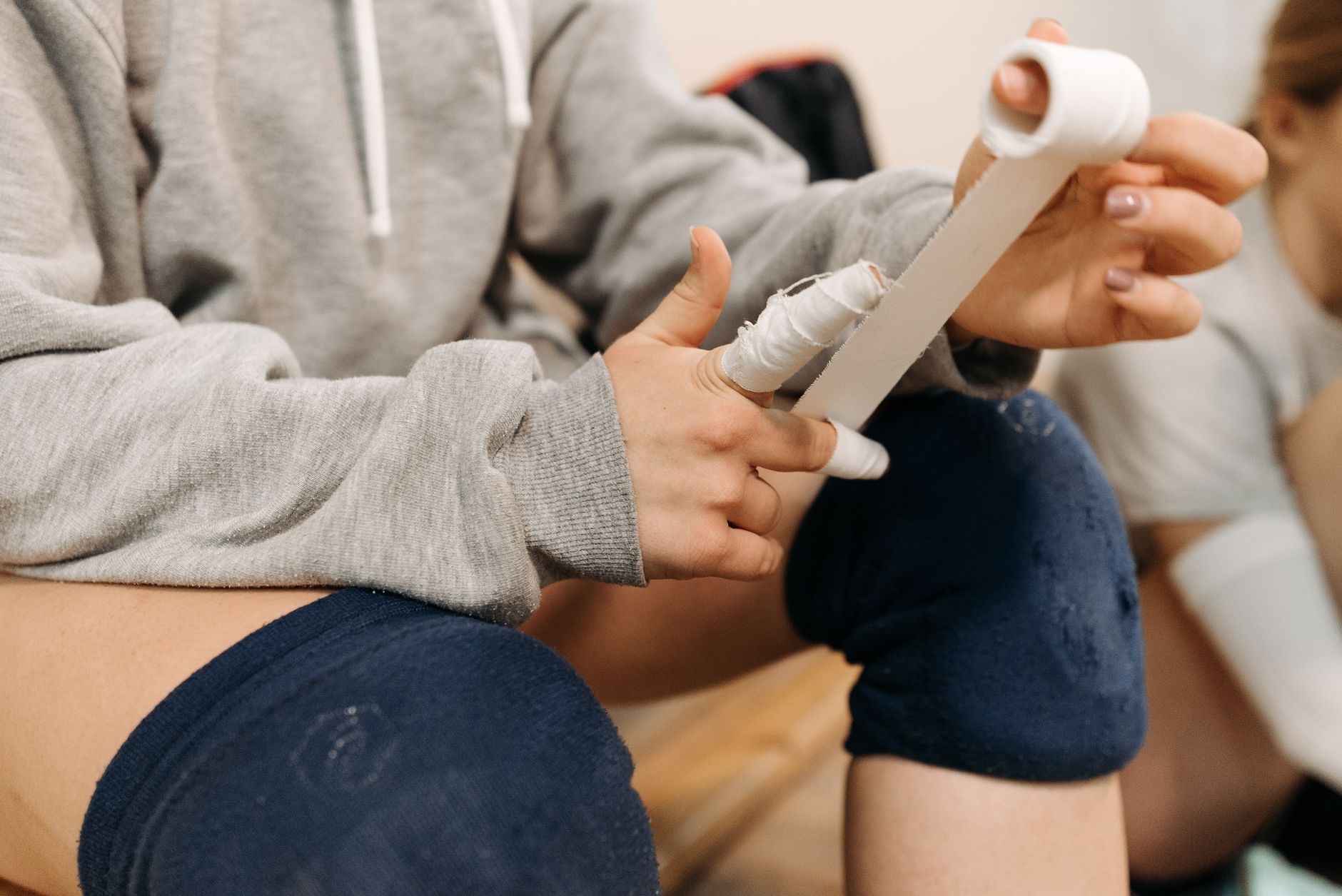
Photo by Pavel Danilyuk
Evolv Magic: The Breathable Grip Enhancer
Evolv Magic tape feels like a second skin thanks to its mesh weave. Air flows through to wick sweat, so your fingers stay dry on long routes. It grips holds tight with natural traction, perfect for slopers where bare skin slips.
Wrap it figure-eight style around fingertips: start at the base knuckle, loop over the tip, and overlap tabs for support. Climbers love it for pulley tweaks; one V7 boulderer said it held three burns without a rewrap fail. Price sits around $8 per roll.
Downside? It sticks to itself more than skin, so you might rewrap mid-session if sweat hits hard. Still, masters swear by it for skin-like moves.
Metolius Finger Tape: Budget-Friendly Reliability
Metolius delivers sticky grip that lasts without the mess. Its one-sided adhesive grabs holds firm and tears by hand for quick fixes. No residue means clean peels after multi-pitch days.
Grab it for splits or crack gloves; the 1/2-inch width fits fingers just right. At $4 for a 75-foot two-pack, it’s a steal. Testers on crimpy routes called it the best: “Stayed put for 12 pitches, no rolls.”
You build gloves by layering strips over knuckles. It shines on budget for reliable protection.
Crux SENS and Other Friction Champs
Crux SENS boosts friction on slopers with its grippy texture. Pair it with Friction Labs tape for full sessions; that one uses zinc oxide stick for all-weather hold. Both tear easy and last hours without bulk.
Crux suits dynamic pulls where traction counts. Friction Labs handles indoor grinds or outdoor chills, with climbers noting five-star comfort: “Feels good, beats chalk alone.” Prices hover at $7 to $9.
Quick wins: no restrictions, recyclable packs, and solid temps. Pick these when grip fades fast.
8bplus for Heavy-Duty Protection
8bplus packs strong cotton for injury rehab or hangboards. Breathable pores keep skin happy, but its rigid weave braces pulleys hard. Hand-tear edges and fun prints make it user-friendly.
Best for bouldering torque or cracks; at $9 for 10 meters, REI users rate it 4.4 stars: “Climbed longer without irritation.” It stays put on high-pressure moves.
Trade-off is width at 1.5 inches, so tear narrow for fingers. Go heavy-duty when protection matters most.
Master Applying Finger Tape for Maximum Protection
You grab your roll of rock climbing finger tape, but does it protect if you apply it wrong? Proper wraps turn it into a shield for skin splits and pulley strains. Start with clean, dry hands every time; wipe off chalk or sweat so the tape sticks. Use non-stretchy tape like Evolv Magic or Metolius for best hold.
Flex your finger slightly as you wrap to match natural bends. Keep wraps snug but not tight: press the nail, and color should return in two seconds. Too loose, and it peels; too tight cuts blood flow.
These methods build on basic skin guards from everyday crimps to full pulley support. Practice at home first. Replace tape between sends if it loosens or shreds. Peel gently at day’s end to save skin.
Simple Finger Wraps for Everyday Crimping
Crimps tear fingertips fast on steep boulders. A basic figure-8 wrap with 2-3 layers guards skin without bulk. It spreads pressure and stops flappers cold.
Follow these steps for one finger:
- Tear a 6-inch strip of 1/2-inch rock climbing finger tape. Anchor it at the base knuckle with one full loop around the finger.
- Run the tape up over the tip at a diagonal, then cross back down to the base, overlapping by half. Flex the finger to keep it natural.
- Repeat the figure-8 two more times, each pass covering one-third of the last. End with a half-loop anchor at the base. Smooth flat with your thumb.
This setup leaves the pad free for grip but pads sharp edges. Climbers use it for quick sessions; one layer for light protection, three for sharp holds. Skip if blood flows: clean and pad first.
Advanced Pulley Taping to Save Your Fingers
Pulley tweaks hit ring and middle fingers hardest on pocket pulls. H-tape braces the A2 pulley without killing feel. Use it after rest or light PT, not for fresh strains; tape supports but rest heals.
Rip a 4-inch strip lengthwise to form an H shape, leaving a 1/2-inch middle bar intact. Here’s how:
- Bend the middle joint to 60 degrees. Place the middle bar over the pulley on top of the finger.
- Pull the top arm snug over the top knuckle first, then circle under and overlap on the back. Flex stays key.
- Tighten the bottom arm around the base knuckle the same way. Upper arm goes tighter for crimp support. Trim ends if they poke.
Ring and middle fingers take the most torque, so tape those first on steep routes. Reapply mid-session; it stretches under load. Avoid straight fingers: it binds movement. Test flex after; if stiff, loosen up. This method keeps you climbing through minor tweaks.
Avoid These Finger Tape Pitfalls and Pro Tips
Even top rock climbing finger tape won’t save your project if you wrap it wrong. Climbers often tape too much or skip basics, turning protection into a problem. You end up with bulk that kills grip or slips that end sessions early. Spot these traps and fix them fast. Then pick up habits that make tape last longer and work better.
Tape Traps That Ruin Your Send
Over-taping adds bulk that changes your crimp feel. One extra layer turns slim fingers into sausages; holds slip, and you drop moves you normally send. Stick to two or three passes max for skin cover.
Cheap tape unravels under sweat. It lacks grip, so edges curl on your first hard pull. Pick climbing-specific rolls with strong adhesive; basic athletic tape bunches and fails.
Wrap too tight, and numbness hits quick. Your fingertip turns white or tingles? Loosen it now. Blood flow matters; press the nail, and color should return in seconds. Tight wraps cut circulation and cause more harm.
Wrong stickiness leads to slips too. Tape that’s not grippy enough peels on torque. Start wraps high near the tip and work down for hold. Stop just above the next knuckle, not midway. Too wide tape, like over half an inch, limits bend and flakes off.
Skip skin care, and tape sticks to rough spots. File splits first or tape over dirt; it irritates and peels. Don’t rely on tape alone for pulley pain. It supports light tweaks but rest heals real strains. Simple tip wraps won’t cut it on pockets; use H or figure-8 instead.
Level Up with Smart Tape Habits
Build reusable gloves for cracks. Layer strips over knuckles and thumbs; they protect jams without fresh wraps each pitch. Store them dry in a baggie to reuse next trip.
Rotate tapes between fingers. Fresh rolls stick better than stretched ones. Pre-cut strips at home; 6-inch pieces save time mid-session. Pair with chalk for extra grip; dust over wraps lightly.
Slather skin balm before taping. It softens calluses and boosts adhesion without grease. After sessions, peel tape slow and moisturize to heal fast.
Combine tape with chalk on slopers; it locks holds tight. Trends push thinner, stretchy rock climbing finger tape now. Less bulk means more feel, so tape smart and climb free. These steps keep you sending strong.
Conclusion
Rock climbing finger tape keeps your fingers safe from splits, pulley strains, and blisters so you climb harder and longer. You learned how breathable picks like Evolv Magic wick sweat for natural grip on crimps and slopers. Metolius offers cheap, residue-free reliability for everyday wraps. Crux SENS and 8bplus handle tough torque in bouldering or cracks.
Master simple figure-8 wraps for skin protection or H-tapes for joint support. Avoid bulk by sticking to two or three layers, and always check blood flow.
Grab a roll of rock climbing finger tape for your next session. It means fewer injuries and more sends ahead.
Back to Climbing Tape Review
Recommended Climbing Products
These products can support safer climbing, belaying, rappelling, and emergency readiness.
Affiliate disclosure: As an Amazon Associate, TradClimbers may earn from qualifying purchases at no additional cost to you.
Keep exploring helpful trad climbing, gear, safety, and technique resources.
- A Climber’s Guide to Rock Climbing in Thailand
- A Trad Climber’s Guide to the Isle of Skye Ridge
- Hueco Tanks Rock Climbing: hueco tanks rock climbing Essentials
- A Climber’s Guide to The Nose of El Capitan
- The Top 8 Unforgettable Climbing Routes El Capitan Has to Offer in 2026
- Yoga for Climbers: Boost Strength, Flexibility, and Recovery | yoga for climbers