
Sewn prusik loop review
Sewn Prusik Loop Review
Back to Trad Climbing Gear Reviews
Imagine you’re on a route with a cold wind bite and a jammed rope above you. A fellow climber slips a little and then catches on a sewn prusik loop that holds fast while you work the rope.
In moments like that, this pre-made friction hitch becomes a reliable ally, gripping where you need it most without the fuss of tying and retying knots. A sewn prusik loop is simply a strong cord loop that’s already stitched into a tight friction hitch. It’s designed to grab your rope securely, yet release when you want to move again, making rescues and ascents smoother and safer.
In 2026, many climbers and arborists prefer sewn prusik loops for safety and speed. These loops come ready to go, saving time on setup and reducing the chance of knots loosening under load. The fabric and stitching are chosen to hold up under repeated loading, abrasion, and heat near rope cores.
The result is a compact piece of gear that sits in a harness pouch until needed, then delivers consistent performance when you clip in and pull. For rescue scenarios, the simplicity of a sewn loop can be a real advantage, letting you focus on the task at hand rather than fiddling with knots.
The review ahead breaks down the top models you’re likely to encounter on the shelf. Sterling, Beal, GM Climbing, and Rope Logic each bring their own take on a sewn prusik loop, with variations in diameter, length, and stitching. You’ll see how these factors influence grip, heat resistance, and how easily the loop feeds on a live rope. You’ll also get a clear, practical comparison of sewn versus tied loops so you can choose what fits your style, climate, and rope sizes.
If you’re deciding what to buy, expect practical tips on sizing, compatibility with common rope diameters, and quick checks to ensure a loop is dressed correctly before you rely on it. The goal is simple: a sewn prusik loop that’s easy to deploy, dependable in tough moves, and a real time saver when every second counts. This intro sets up a concise, user-friendly review you can trust when upgrading your setup.
Sewn Prusik Loop: Key Features to Look For in Top Models
Choosing a sewn prusik loop that lasts and performs reliably comes down to a few non negotiable features. The right model will feel sturdy yet flexible, and it should be ready to work with minimal fuss when you need it most. Here are the must have attributes to evaluate.
- CE/UIAA certification: This badge shows the loop meets established safety standards. It gives you confidence that the construction, stitching and overall performance have been tested under real world conditions. In practice, certified loops are more predictable when you put weight on them in a climb or rescue scenario.
- Heat shrink stitching: A thin heat shrink wrap around the stitching helps keep the eye size consistent and protects the seam from abrasion. It also makes the loop feed smoothly through a belay device or carabiner and reduces snagging on gear.
- Flexibility for small eyes: Some setups require a tighter, smaller loop eye. Look for threads and stitching that keep the eye open enough to clip easily but still hold the rope firmly as you load it.
- Length options (12–24 inches): A range lets you match rope diameter and system needs. Shorter loops excel on smaller diameters, longer ones add versatility for thicker ropes or rescue rigs.
When you see materials listed, note the cord type. Sterling uses aramid blends for heat resistance, while Rope Logic often uses technora. These choices impact heat tolerance and durability under repeated friction. A well designed sewn prusik loop balances grip and release, so you can move smoothly without sacrificing safety. This balance matters whether you’re ascending, belaying, or performing a rescue.
Top Sewn Prusik Loops Tested: Our Picks for 2026
When you’re choosing a sewn prusik loop, you’re trading a bit of flexibility for reliability. In 2026, reviews show real pros relying on a handful of models that balance grip, heat resistance, and ease of use in a variety of rope sizes and environments. Below, you’ll find two focused dives into premium and budget options, followed by a concise comparison you can skim when you’re buying. Expect practical field notes, straightforward pros and cons, and clear guidance on where each loop shines.
Sterling HollowBlock and Beal Jammy: Premium Choices
Premium loops deliver top tier abrasion resistance and dependable grip as temperatures rise and ropes heat up. In real-world tests, the Sterling HollowBlock stands out for heat resistance and durability.
Its aramid blend shrugs off abrasion and maintains a consistent eye size, which helps feeding on live rope during climbs and rescues. The trade-off you’ll hear about is price and a tendency for hitches to bunch if you don’t keep an eye on the wrap as you burn a little rope through during a difficult move.
Beal Jammy is the counterpoint in this premium pairing. It’s noticeably supple, wraps smoothly on many rope diameters, and grips well even on slick fibers. Climbers report fewer snags and faster setup in multi-pitch scenarios. The eye stays open enough for quick clipping, yet holds firmly when loaded. The main con cited in 2026 chatter is burn-through risk if you push too aggressively on very thin or unusually textured ropes; otherwise, it’s a smooth operator in most conditions.
Field tests reveal a clear takeaway: choose Sterling for high heat and heavy use, especially on tougher cores or damp environments where wear adds up fast. Choose Beal for everyday climbing and rescue work where you want quick feed, easy handling, and dependable grip across a wider rope spectrum.
- Pros: Sterling offers excellent heat resistance and abrasion protection; Beal Jammy delivers superb grip and flexibility.
- Cons: Sterling can be pricier; Beal may feel a touch grabby on extremely small diameters.
Rating (1–5 stars): Sterling HollowBlock — 4.5; Beal Jammy — 4.5.
GM Climbing and Rope Logic: Budget Heroes
Budget options don’t just save money; they often bring thoughtful features that satisfy new climbers and arborists alike. The GM Climbing 6mm sewn prusik loop excels with certified strength on a tight budget. It’s designed for 8–11 mm ropes and offers strong heat and moisture resistance with low stretch.
Field use shows it holds up well in general climbing, tree work, and rescue scenarios. The main caveat is that it sits at the lower end of the price spectrum, so some users question long-term wear if you always push to the limit. Still, many find the weight and size perfectly suited for everyday use and travel.
Rope Logic HRC 8mm is the arborist king in some shops, known for robust construction and a heavier, yielding feel that feeds predictably on larger ropes. It’s built to endure hot conditions when you’re working high in a tree canopy or on a rugged rope system. The trade-off is a slightly stiffer feel and a higher price than GM Climbing, but field testers appreciate the longevity and reliability under heavy load.
- Pros: GM Climbing offers strong values and certified strength; Rope Logic HRC is durable and reliable in tree work.
- Cons: GM Climbing may feel less refined on ultra-thin ropes; Rope Logic can be pricier and a bit stiffer to feed.
Rating (1–5 stars): GM Climbing 6mm — 4.2; Rope Logic HRC 8mm — 4.3.
Pro tip: when you test these in the field, check how quickly the loop feeds through a belay device with a live rope, how the eye opens for clipping, and how the knot holds under a controlled load. Your preferred rope diameter will push you toward GM Climbing for beginners and Rope Logic if you work in arboriculture most days.
Pros and cons at a glance
- Sterling HollowBlock: heat resistant, very durable; pricey, hitches can bunch.
- Beal Jammy: highly supple, great grip across many ropes; may be sensitive on very small diameters.
- GM Climbing 6mm: excellent value, certified strength; feels less refined on very thin ropes.
- Rope Logic HRC 8mm: rugged for arborists; higher cost, a bit stiffer to feed.
- BlueWater (for reference): versatile lengths; mixed results on larger diameters.
Table: quick comparison and ratings
| Model | Key Benefit | Notable Con | Typical Rope Range | Rating (1–5) |
|---|---|---|---|---|
| Sterling HollowBlock | Heat resistance, abrasion durability | Hitches can bunch if misfed | 8–11 mm | 4.5 |
| Beal Jammy | Supple, easy to handle | Slightly less robust on very small diameters | 6–12 mm | 4.5 |
| GM Climbing 6mm | Great value, certified strength | Feels less refined on ultra-thin ropes | 6–11 mm | 4.2 |
| Rope Logic HRC 8mm | Very durable for arborists | Higher price, stiffer feed | 8–12 mm | 4.3 |
| BlueWater (for context) | Versatile lengths | Mixed results on larger diameters | 5–10 mm | 4.0 |
Field-tested takeaway: if you climb or rescue often on a wide range of rope sizes, the premium options deliver predictable performance you can trust. If you’re new to sewn prusik loops or work primarily with a specific rope size, the budget picks give you solid, reliable performance without breaking the bank. The right choice balances your rope diameter, the environment you work in, and how much you value quick feed versus maximum grip.
Sewn Prusik Loop: Real Differences in Strength and Safety
When you’re deciding between sewn prusik loops and tied ones, the practical verdict is straightforward. Sewn prusik loops deliver a consistent, predictable bite on your rope, with less variance from knot placement.
A sewn loop uses heat shrink around the stitching to lock the eye size and reduce abrasion, which helps the loop feed smoothly and grip evenly under load. In contrast, tied loops rely on knots to create the friction hitch, and those knots can weaken the cord by about 20–30 percent under load.
On wet rope, the difference becomes more obvious: sewn loops maintain closer contact and bite, while knots can slip or loosen as the rope slicks up. For most climbers, arborists, and rescue scenarios, the sewn design offers a clearer safety margin and faster, more reliable operation when you need it most.
Choosing Your Perfect Sewn Prusik Loop: Buyer’s Guide
Selecting a sewn prusik loop that fits your rope and intended use is the first step toward safer, smoother climbs and rescues. The right combination of loop diameter and rope size matters more than you might think. A loop that’s too small will seize on a thicker rope; one that’s too large can slip under load. The goal is a snug bite that releases when you want to move. In this section, we’ll pin down sizing specifics and give you practical examples from climbing and rescue work so you can shop with confidence.
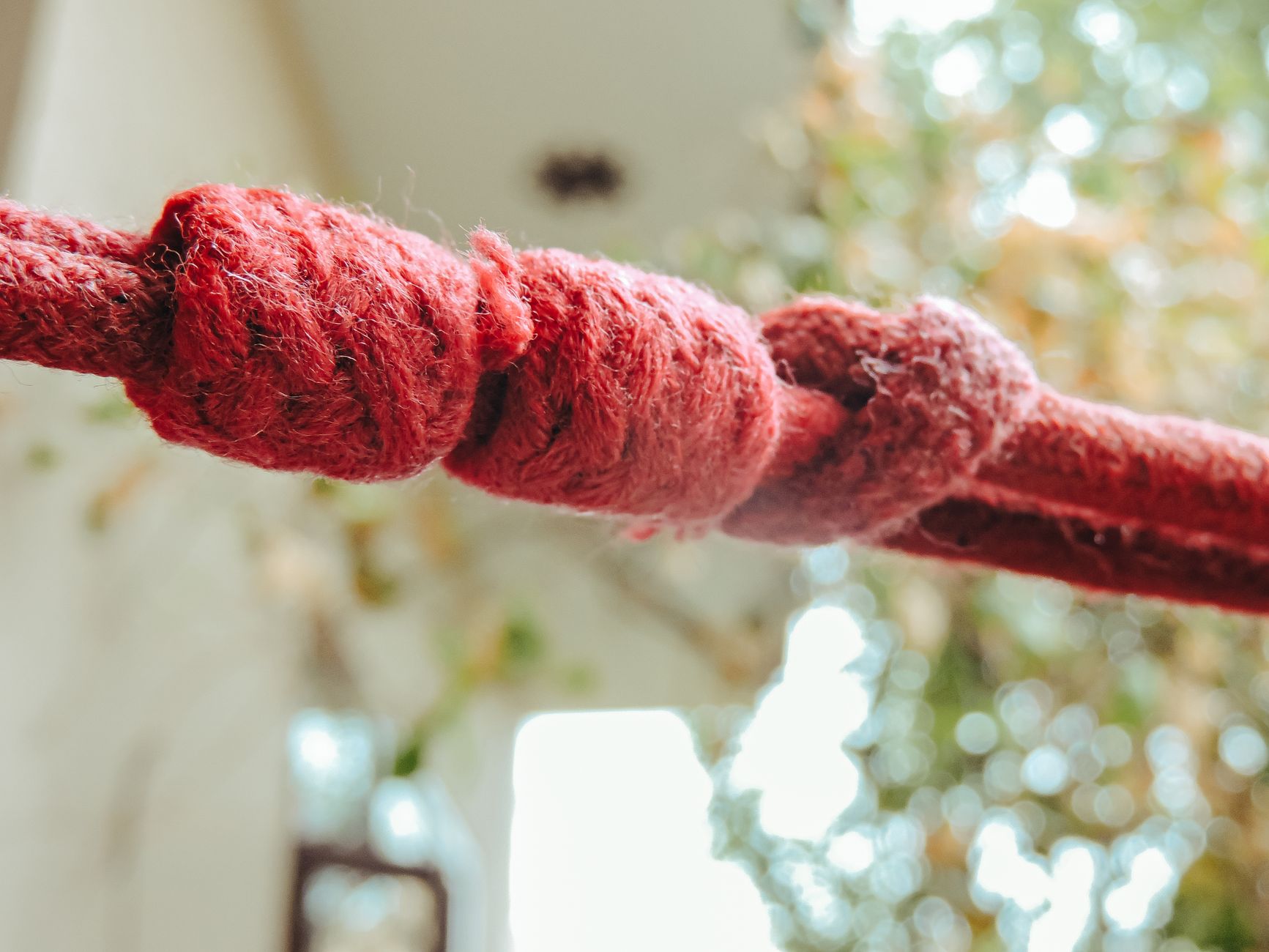
Photo by Akshay Kumar
Matching Size to Your Rope and Activity
Chart: 8-10mm ropes use 6mm loop; 10-11mm use 8mm. Climbing vs rescue examples.
- For climbing on 8–10 mm ropes, a 6 mm sewn prusik loop delivers easy feeding and reliable bite, making ascents and self-rescue maneuvers smooth without pinching.
- For heavier, 10–11 mm ropes used in rescue or arborist work, an 8 mm loop provides a firmer hold under load and better heat management when friction is higher.
- As a quick rule of thumb, keep the loop size around two thirds of the rope diameter for balanced grip and release.
- Practical setup notes: keep extra loops on hand for different tasks, and test the loop with a live rope before relying on it in a high-stakes move. This ensures the bite is just right for your body and your gear.
Conclusion
A sewn prusik loop remains a trusted tool for climbing, rescue work, and rigging, delivering a predictable bite on your rope with less fiddling than tied loops. The premium Sterling HollowBlock and Beal Jammy set the standard for heat resistance and smooth feeding, even on tougher lines and in tougher conditions.
On a budget, the GM Climbing 6mm proves you don’t have to break the bank to get reliable performance. These winners show how the right combination of material, eye size, and stitching translates to real time savings and safer moves on dynamic and static ropes alike.
In practice, your choice should reflect your typical rope diameter, environment, and how you value quick feed versus maximum bite. A 6 mm loop on 8–11 mm ropes offers easy handling for climbs and ascents, while an 8 mm loop shines on heavier, rescue oriented setups. The sewn design keeps the bite consistent as rope surfaces heat and wear, giving you a clear safety edge when it matters most. Remember to test with a live rope and keep extra loops on hand for differing tasks.
If you’re deciding today, lean toward the premium trio when you work across a wide rope spectrum and demand smooth operation in all conditions. For routine climbs with a predictable rope size, the budget option delivers solid safety and value without compromise. Share your experiences with sewn prusik loops below and tell us which model you trust for daily use.
Safety reminder: verify the loop is dressed correctly, inspect stitching, and always perform a controlled load test before relying on it in a high risk move. Your setup should stay secure, predictable, and ready when seconds count.
Back to Prusik Loop Tips
Recommended Products for Trad Climbing
These products can help new climbers assemble a practical, safety-focused setup.
Affiliate disclosure: As an Amazon Associate, TradClimbers may earn from qualifying purchases at no additional cost to you.