
6mm Prusik Loop Benefits
Back to Trad Climbing Gear Reviews
A quick rappel can feel smooth until something gets stuck at the last meter. In that moment a hands free backup matters, and a small loop of cord can make all the difference. Meet the 6mm prusik loop: a short cord loop that grips a rope when weighted and slides when unweighted.
A prusik loop is simple by design, yet incredibly versatile. It wraps around your rope and bites when you weight it, giving you a secure grip without tying up your hands. That safety feature is why climbers and rescuers rely on it in tight spots, awkward descents, and overhead rigs.
What makes the 6mm prusik loop a practical choice is its balance. It provides solid grip and control without adding unnecessary bulk or weight. It’s light enough to stash in a harness pocket and durable enough to handle repeated use in real world climbing, rescue, and rigging tasks.
Beyond holding you for a descent or an ascent, this size shines in setups that demand quick adjustments and reliable backups. It works well for hauling and self rescue, and it pairs easily with standard gear, making it a go to option for many scenarios. If you’re new to cord techniques, the 6mm sweet spot offers predictable performance with less fuss, helping you stay focused on the task at hand rather than your gear.
What a 6mm prusik loop does, and why 6mm is a sweet spot
A 6mm prusik loop is a small, versatile knotless helper. It sits as a closed loop of cord that you wrap around a main climbing rope. When you weigh it, the loop bites and holds; when you release weight, it slides up, ready for the next move. In plain terms, it’s a simple friction hitch that can keep you safe during transitions, but it’s not a substitute for a dynamic fall arrest device. It’s a backup, a grab-and-go tool you can trust in tight spots, on tricky descents, and in rigging setups.
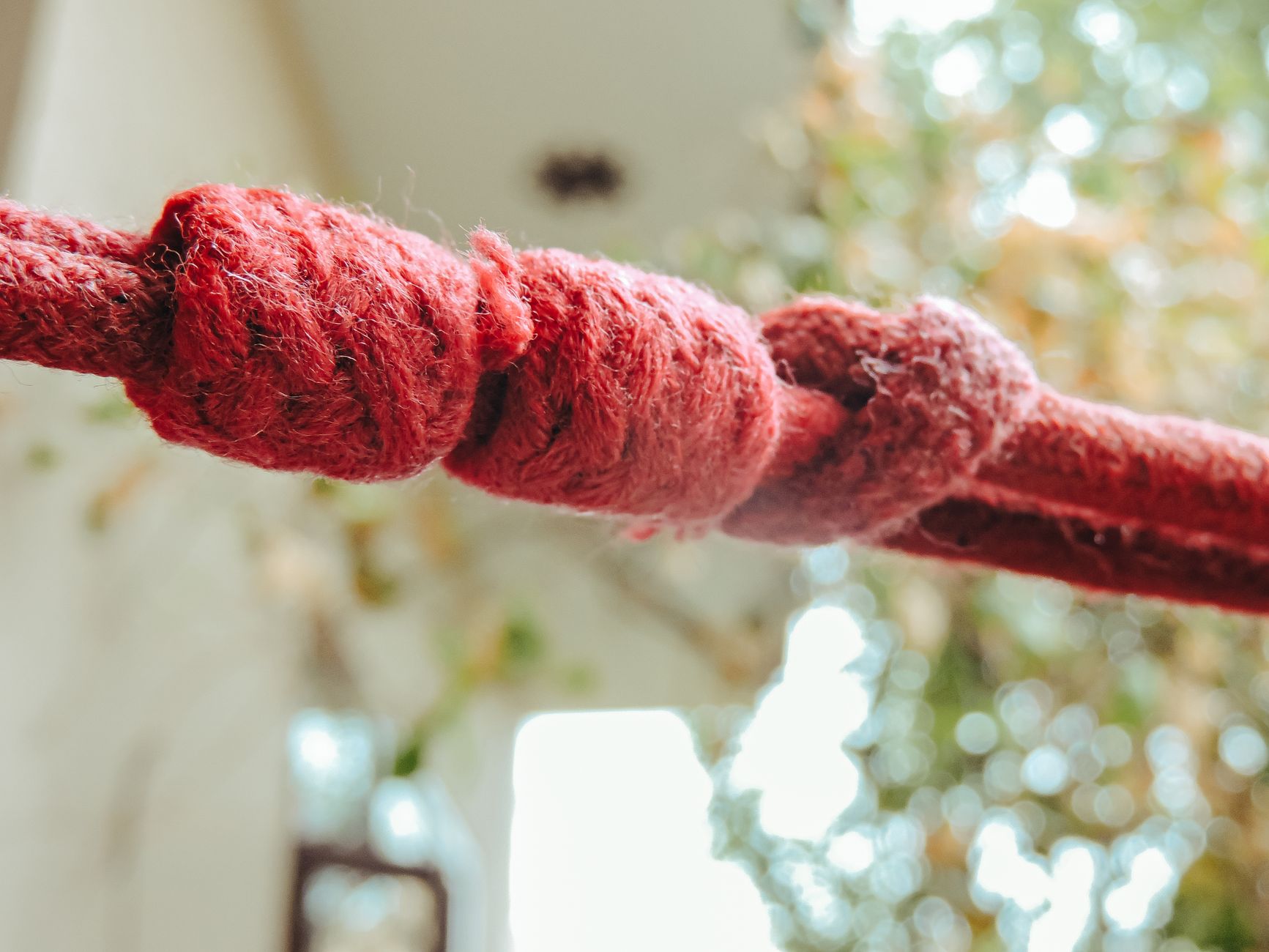
Photo by Akshay Kumar
How a prusik grips a rope comes down to two simple ideas: bite and slide. Bite is the way the knot cinches onto the rope when you load it, creating friction that resists movement. Slide is the way it releases when you unload or shift weight, allowing the loop to move along the rope.
The trick is in the wraps around the rope. More wraps mean more bite and more friction, which makes the hitch grab tighter. Fewer wraps reduce bite, so the hitch can slip more easily under load. This is why a prusik can act like a clutch in a rescue or rigging scenario: it grips firmly when you need it, then releases to absorb shock or reposition as the situation changes.
A key point to keep in mind is that this is not a dynamic fall arrest device. If you are expecting a big fall, a prusik hitch should not be your primary protection. Instead, use it as a backup or assistive feature that buys you time and control while you set up a safer anchor or transition. When weighted, the loop bites harder; when you shift or reduce load, it slides to a safer, predictable position. This balance between bite and slip helps you manage setup changes without jolting or locking up.
Why 6MM?
Why 6mm specifically? The 6mm loop sits in a practical middle ground. It’s thick enough to bite reliably on most common climbing ropes, yet thin enough to wrap easily and stay flexible in your hands. It’s a manageable size for quick adjustments, and it stays compact in your pocket or harness. For many climbers and rescuers, 6mm cords strike a comfortable balance between grip and ease of use without becoming bulky or awkward.
The typical compatibility range for a 6mm prusik loop sits around 8mm to 11mm rope diameters. That range covers most sport and single rope setups you’ll encounter. Still, you should always test on your own rope before relying on it in the field. If a hitch feels a little too slippery, add wraps. If it bites too aggressively or sticks, you can reduce wraps or switch to a slightly different cord. The right feel comes from hands-on testing with your rope under load.
Cord material and softness matter as much as the diameter. Softer, more supple nylon cord tends to bite and release smoothly, while stiffer cords can be harder to manage and kink more easily. Heat is another practical concern—friction from the hitch can generate noticeable heat, so choose a cord that resists heat buildup and won’t melt or stiffen with repeated use.
Nylon accessory cord is common, affordable, and forgiving for most prusik work. Aramid-style cords offer higher heat resistance when you’re doing repeated ascents or heavy rigging work, but they come with a higher price tag. In everyday climbing, nylon keeps things simple and reliable.
In short, the 6mm prusik loop gives you a reliable, easy-to-handle backup that works well with a wide range of ropes. It bites when you need it and slides when you want to move again, all without turning your gear into a cumbersome burden. If you’re building a toolkit for climbing, rescue, or rigging, this size is a practical anchor point you can count on.
Everyday benefits you actually notice in the field
The 6mm prusik loop isn’t just a theory piece of gear. It’s small, practical, and something you’ll notice in everyday field work when you’re climbing, performing a rescue, or setting up a rig. Below are real benefits you’ll feel in the moment, not just on paper.
Lightweight safety that lives in your pocket
Carrying a 6mm prusik loop is a simple habit with big payoff. It’s tiny and inexpensive, so you can stash one in your harness pouch, pack, or belt kit without thinking twice. That means you always have a backup option ready without adding noticeable bulk.
The lightweight nature of the loop makes it easy to carry on every mission, from a routine training rappel to a real rescue scenario. It’s not just about having it when you might need it; it’s about knowing you’re protected with a familiar tool that doesn’t get in the way.
And because its primary role is to support rope systems, you won’t confuse it with heavy hardware that slows you down. It doubles as emergency cord for small fixes, but the real value shines when you’re managing ropes, transitions, and backups in the field.
Strong grip when loaded, easy to slide when you need to adjust
This is where the 6mm prusik loop earns its keep in daily work. When you weight the hitch, it bites firmly and holds your position, which is essential during a difficult climb, a fixed-line ascent, or a stop during a rappel. When you shift weight or need to reposition, it slides smoothly along the rope so you can re-tension or move the knot without fuss.
Real-world uses include inching up a fixed line, adjusting a tether, or moving a backup knot down during rappel stops. The wraps around the rope dictate how it behaves: more wraps mean a firmer bite, fewer wraps make it easier to slide. Rope diameter, moisture, and even ice can change the feel, so you’ll want to test and adjust wraps to suit the day’s conditions. This balance of bite and release gives you proportional control in critical moments without wrestling with gear.
Better heat behavior than skinny slings for rappel backups
Long fast rappels can heat up a loop or sling, potentially softening materials and reducing grip. A 6mm prusik loop sits in a practical middle ground between stiffness and flexibility, offering reliable friction without excessive heat buildup.
In real-world scenarios you’ll often compare cord-based friction hitches with sling-based backups; the loop provides a predictable response under load and releases when you need to move again. The key safety message remains simple: go slow, test under load, and avoid letting the hitch overheat. If your rope is running hot, pause to let things cool and reassess. This approach keeps backups dependable rather than a source of extra risk.
For everyday use, this means a safer ascent, smoother transitions, and fewer gear challenges during long descents. You get the reassurance of a climbing aid that behaves consistently, without requiring heavy or expensive equipment. It’s a practical tool that adapts to the work you’re doing, not a rigid solution that only works in theory.
In summary, the everyday benefits of a 6mm prusik loop come from its portability, dependable grip, and safe heat behavior. It is a small piece of rope gear with a big impact on how you manage rope systems in the field. It helps you stay in control during climbs, supports quick problem solving, and provides a lightweight backup you can trust. When you’re out on real jobs, that combination of simplicity and reliability is exactly what you want in your pocket.
Where a 6mm prusik loop shines: climbing, rescue, and tiny-home-adjacent rigging
A small piece of cord can feel miraculous when your hands are full, you’re balancing on a narrow ledge, or you need to adjust a line without dropping your load. The 6mm prusik loop is that dependable companion. It grips when weighted and slides when you want to move again, making it useful in a range of everyday tasks from climbing to off grid rigging. Below you’ll see practical, real world ways this compact loop helps without turning your setup into a tangle of gear. Remember to stay within your training limits and use rated anchors and proper hardware.
Climbing and rappelling: backups, self-rescue, and ascending a fixed rope
Climbers rely on the 6mm prusik loop as a compact backup and an assistive tool in subtle, high confidence ways. A common use is the autoblock backup on rappel. You place the loop on a portion of rope below the descender so that if you momentarily lose control, the hitch catches your weight and holds position, giving you hands free time to regain control. It’s not a substitute for a proper belay or fall protection, but it adds a reliable pause point that can keep you safe during a tricky descent.
Another familiar scenario is climbing a rope with two prusiks. One loop can act as a progress capture on a fixed line while the other helps you inch upward or reposition. This gives you a steady grip as you advance, while still allowing you to move when you’re ready. For escapes from a belay, you’ll see concepts like a high level moving away from the belay stance or creating simple, safe transitions. The key idea is to keep it conceptual: the prusik provides grip when needed and slides when you want to move, saving your hands for the next move.
Handling a stuck rappel rope is another practical application. If the rope binds in the device or you have to negotiate a tight corner, the 6mm loop can provide an extra grip point or a controlled way to reimprove your hold. In all these cases the emphasis is on predictable behavior under load and a quick, safe way to reset or adjust without improvising big moves on unfamiliar gear. Always test wraps on your own rope under load to understand how many turns bite and how easily the hitch releases.
A note on staying within training: use these concepts as backup tools and practice under controlled conditions before applying them in the field. Keep your anchor points solid and within rated limits. The goal is smoother transitions and more control, not radical improvisation on real climbs.
Rescue and hauling systems: progress capture that makes a simple Z-drag work
Progress capture means a knot or hitch that holds the gains you make during a haul so the load doesn’t slip back. In rescue work that small control is priceless. The 6mm prusik loop often serves as the adjustable piece in a haul system, letting you lock in a position briefly while you reposition or apply more force elsewhere.
A classic setup is a 3:1 haul with a prusik acting as progress capture. As you pull, the prusik bites enough to hold the load when you take a moment to re-tension or shift weight. When you release or adjust, it slides a touch to let you reset and continue.
This friction hitch also plays nicely with line tensioning and load adjustments, keeping the system stable during the whole move. Redundancy matters here, so you’d typically have an additional backup or anchor plan in place and you’ll want to verify the friction hitch’s performance on the actual rope you’re using.
In practice this means you stay steadier as you work out the kinks of a heavy lift, whether you’re hauling a casualty up a cliff or adjusting a line during a high lift. The emphasis is on reliable grip, controlled movement, and constant checks of how the hitch behaves under real rope conditions. Remember that friction hitches can heat up under load, so monitor the rope and the cord for signs of wear or heat buildup and swap components if needed.
Practical rigging for tiny home life: hoisting, tensioning, and safer lowering (with limits)
Tiny home life often means moving bulky items up stairs, into lofts, or across uneven ground. The 6mm prusik loop shines in these moments because it provides a compact, reliable way to tension lines, hoist lightweight loads, or lower items with more control. It’s a good fit for lifting objects like lumber, solar panels, or tools where you want a predictable way to adjust tension without relying on heavier gear.
You can use the loop to create adjustable tethers for working at height or to tension guy lines on temporary structures. In many cases it acts as a simple friction aid that helps you hold a position on rope while you reposition, test a setup, or make a minor lift. It’s not designed to catch a fall or carry a person, and it should never be treated as a primary lifeline. The loop works best when paired with rated hardware, solid anchors, and a clear understanding of the load you’re handling.
Always state the limits plainly: this is for loads and setups you understand, not for catching falls or lifting people. Use it to move or stabilize materials, then switch to a dedicated anchor system for any critical lift. If you’re working at height, double check your anchor points and keep backups where possible. The goal is safer lowering and smoother tensioning, not a risky improvisation.
A final reminder about training and anchors: practice with rated hardware, test on your rope, and confirm your anchor points can bear the anticipated load. The 6mm prusik loop is a versatile helper, but it works best when used with proper gear and clear limits.
Choosing the right 6mm prusik loop for your rope and your job
The right 6mm prusik loop blends grip, ease of use, and reliability. It should feel supple in your hands, wrap neatly around your rope, and behave predictably whether you’re climbing, rescuing, or rigging.
Below you’ll find practical guidelines to help you pick the loop length, decide between a DIY tied loop or a factory-sewn loop, and choose the cord that best fits your rope and workload. Use these benchmarks as starting points and always test on your actual rope under load before relying on them in the field.
Loop length and wrap count: how to get a predictable grab
Loop length matters because it determines how many wraps you can make around the rope and how easily the hitch bites or releases. A longer loop gives you room for more wraps and easier handling with gloves. For a standard prusik hitch, aim for about 34 to 35 cm (roughly 13.5 inches). If you’re using a different hitch style, like a French prusik or a klemheist, you might go to about 48 to 50 cm (around 19 inches). The exact numbers can vary with rope diameter and cord stiffness, but these lengths cover the typical setups you’ll encounter on 8 to 11 mm rope.
Wrap count is your control dial. In most ordinary conditions two wraps give a solid bite on the rope. Add a third wrap when you’re dealing with slippery or thinner ropes (8 mm is a good example) or when the rope feels hard to bite. On thinner 8 to 9 mm ropes, you’ll often need that extra wrap to prevent slipping.
For thicker 10 to 11 mm ropes, two wraps usually suffice, with more wraps helpful in icy or wet conditions. The key is to test by pulling hard under load to see how the hitch behaves. More wraps mean firmer bite; fewer wraps mean easier release. Fine-tune based on rope condition, moisture, and temperature.
DIY tied loop vs factory-sewn loop: what you gain and what you give up
DIY tied loops offer flexibility and a lower upfront cost. You can tailor the length to your exact preference and replace worn sections quickly. The downsides are that knot quality and cord condition matter a lot. A poorly dressed knot or worn cord can reduce reliability, and you’ll need practice to dress and load the hitch consistently every time.
Factory-sewn loops deliver consistency and tidy construction. They often use heat resistant fibers in some models and undergo testing to confirm strength and performance. The trade-off is higher cost and a fixed length. For high-stress rescue or rigging work, sewn loops are appealing because you get predictable behavior under load and quicker setup.
Where to land: follow the manufacturer guidance for any loop you buy, inspect regularly for wear, and retire cords that show pilling, glazing, fraying, or stiffness. If you’re new to prusik work, starting with a sewn loop can help you learn the feel of a good bite and smooth release before you experiment with DIY constructions.
What to look for in cord: suppleness, abrasion resistance, and clear ratings
Cord quality is just as important as length and wraps. Always buy real accessory cord from reputable sources. The cord should feel supple and “grippy” enough to bite when loaded but not so stiff that it balks at wraps. Absent good abrasion resistance, the loop will wear quickly on rough rock edges or hardware. Clear load ratings and manufacturer specs help you compare options and stay within safe limits.
Key characteristics to seek:
- Suppleness: soft and flexible enough to wrap smoothly without bunching.
- Abrasion resistance: robust enough to stand up to repeated use on varied terrains.
- Heat behavior: cords with good heat resistance stay reliable during extended climbs or rough pulls.
Avoid mystery cords or cords that are fuzzy, stiff, glazed, or damaged. Retire a loop if you notice unwinding fibers, glazing from friction, or any signs of core damage. Real 6mm accessory cord from reputable brands is simple to source and typically performs consistently across 8 to 11 mm rope diameters.
If you’re shopping right now, look for established options from reputable brands and pay attention to the recommended loop lengths, wrap counts, and rope compatibility. With the right 6mm prusik loop, you’ll gain a dependable backup tool that works smoothly in climbing, rescue, and rigging tasks alike.
Safety and common mistakes: how to avoid the “it slipped” surprise
A 6mm prusik loop is a powerful backup tool, but it only works if you respect its limits and test it under real conditions. This section lays out practical safety checks and common missteps so you can build dependable habits.
You’ll find concrete reminders about rope diameter mismatches, wrapping counts, how to avoid grabbing the hitch under load, and why the loop should stay a friction backup rather than a primary life support. Treat these as your quick start safety checklist to use before you need it in the field.
The big mismatch: cord diameter, rope diameter, and slick rope coatings
New, slick or wet ropes change how a prusik grips. If your cord is too thin or the rope surface is unusually smooth, the bite can vanish just when you need it most. Before you trust a 6mm prusik loop in a real move, test at ground level with weight on the rope and in the exact conditions you expect to encounter. If the hitch feels glossier than you want, add wraps or switch to a slightly beefier cord. Wet, icy or muddy surfaces alter friction again, so plan for extra wraps in those conditions.
- Test under load: pull down firmly to verify grip, then unload and slide. If it won’t bite or won’t slide predictably, adjust.
- Adjust wraps based on conditions: more wraps for slick or icy ropes, fewer wraps if the rope bites too aggressively in warm, dry conditions.
- Consider rope compatibility: most 6mm loops pair well with 8 to 11 mm rope, but always confirm with your own rope before deployment.
A practical habit is to carry an extra loop or two in different textures. On a routine climb or during a rescue drill, swapping to a thicker or softer cord can be quicker than wrestling with a stubborn hitch. The goal is predictable behavior, not fighting the rope system when time matters.
Heat, glazing, and wear: when to retire a prusik loop
Heat buildup through friction can glaze fibers, soften the cord, or create hard, shiny patches that no longer bite cleanly. Simple signs are your cue to retire a loop before it fails in the field.
- Look for shiny melted spots, hard stiff sections, or flat spots along the cord.
- Check for cuts, heavy fuzzing, or discoloration that signals material fatigue.
- Note that small cords wear faster than main ropes; don’t assume a loop lasts as long as your rope.
Keeping replacement in mind is smart safety. A worn loop is cheap insurance compared with the risk of losing a backup when you need it. As soon as you spot glazing, stiffness, or any core damage, retire the loop and replace it with a fresh one. Regular inspection after each use helps you catch wear before it becomes a problem.
Habits that keep you safer: backups, slow moves, and practice before you need it
Rely on backups, move deliberately, and practice until the motions feel automatic. A friction hitch is a tool to grip and release, not a substitute for proper fall arrest gear or a certified belay system. Build a routine that makes the right checks second nature.
- Backups matter. Always have a plan B, and consider a tandem arrangement in high risk situations.
- Move slowly and thoughtfully. Fast, jerky actions heat the cord or catch oddly, which can surprise you when you least expect it.
- Practice in controlled settings. Rehearse transitions, rescues, and rigging until the feel is familiar, not novel.
- Keep hands clear of a loaded hitch. A loaded prusik can bite hard and release unpredictably if you’re not careful.
Seek instruction for climbing and rescue work. A qualified instructor can demonstrate wraps, load distribution, and how to verify your system under real rope loads. It’s also worth establishing a habit of inspecting hardware and anchors before each use, so you don’t rely on a frayed rope or a damaged hitch during an actual operation.
A few practical tips to keep on hand:
- Always test with the exact rope you’ll use in the field.
- Use the number of wraps that gives a secure bite without making the rope feel immovable.
- If you’re unsure, walk through the sequence with a trainer or partner before you rely on it live.
In the end, the safety of a 6mm prusik loop rests on disciplined testing, honest wear checks, and conservative use. It remains a backup that can save time and effort when used correctly.
Practical inspection and practice advice
- Inspect before every session: look for glazing, fuzzing, or any sign of heat damage. If you see wear, replace.
- Test under load, not just in a relaxed pull. Confirm it grips when weighted and slides when you release.
- Practice in a controlled setting: set up a small rappel or haul scenario and run through the full sequence with a partner watching your technique.
- Build muscle memory for wrap counts: know how many turns you need for different rope diameters and conditions.
- Do not use the loop as your primary life-support. Treat it as a friction hitch that buys you time and control while you prepare a safer option.
- Keep backups and redundant systems ready. If the main plan changes, you want your backups to be ready to go.
If you stick to these guidelines, you’ll avoid the most common surprises and keep your 6mm prusik loop dependable when it matters most.
Conclusion
The 6mm prusik loop is a small tool with big value. It stays light and packable, so you always have a backup within reach without weighing you down. Its bite when loaded and its smooth slide when you shift weight give you steady control during climbs, descents, and rigging tweaks.
This loop shines because it offers a strong grip with easy adjustment. Wraps determine bite, but you can adapt on the fly to weather, rope type, and conditions. That balance makes it reliable for backups and progress capture, whether you’re inching up a fixed line or stopping a rappel to regroup.
Versatility is its core strength. It works as a quick self rescue aid, a simple progress keeper, or a tight spot helper in rigging with minimal gear. It fits a wide range of ropes and setups, and it pairs well with other hardware for safer, smoother operations.
If you’re building a practical toolkit for climbing, rescue, or tiny home rigging, the 6mm loop is a practical middle ground you can trust. Pick one quality loop, practice with your rope, inspect it often, and keep safety first.
Back to Prusik Loop Tips
Recommended Products for Trad Climbing
These products can support safer climbing, belaying, rappelling, and emergency readiness.
Affiliate disclosure: As an Amazon Associate, TradClimbers may earn from qualifying purchases at no additional cost to you.