

So, you’re trying to figure out the difference between the Osprey Xenith 88 vs Aether 85? These are two of the best backpack for heavy loads out there. It’s a common question for anyone looking to haul a serious amount of gear. Both are big packs, designed for longer trips, but they have some key differences that might make one a better fit for your adventures than the other. Let’s break down what sets these two giants apart.
Key Takeaways
- The Osprey Xenith 88, much like the Osprey Talon 44, generally offers a more robust suspension system and a higher weight capacity, making it ideal for carrying heavier loads on extended trips.
- The Aether 85, while still capable, is often seen as a slightly less burly option, potentially better suited for trips where weight isn’t the absolute top priority or for those who prefer its specific suspension feel.
- Access points differ significantly, with the Xenith 88 typically providing more ways to get into your pack, which can be a big convenience on the trail.
- Both packs feature a removable lid that converts into a daypack, adding versatility for shorter excursions from base camp.
- While both are built for durability, the Xenith 88 might have a slight edge in overall ruggedness due to its design intent for heavier hauling.
Osprey Xenith 88 vs Aether 85: An Overview
Series Positioning and Design Intent
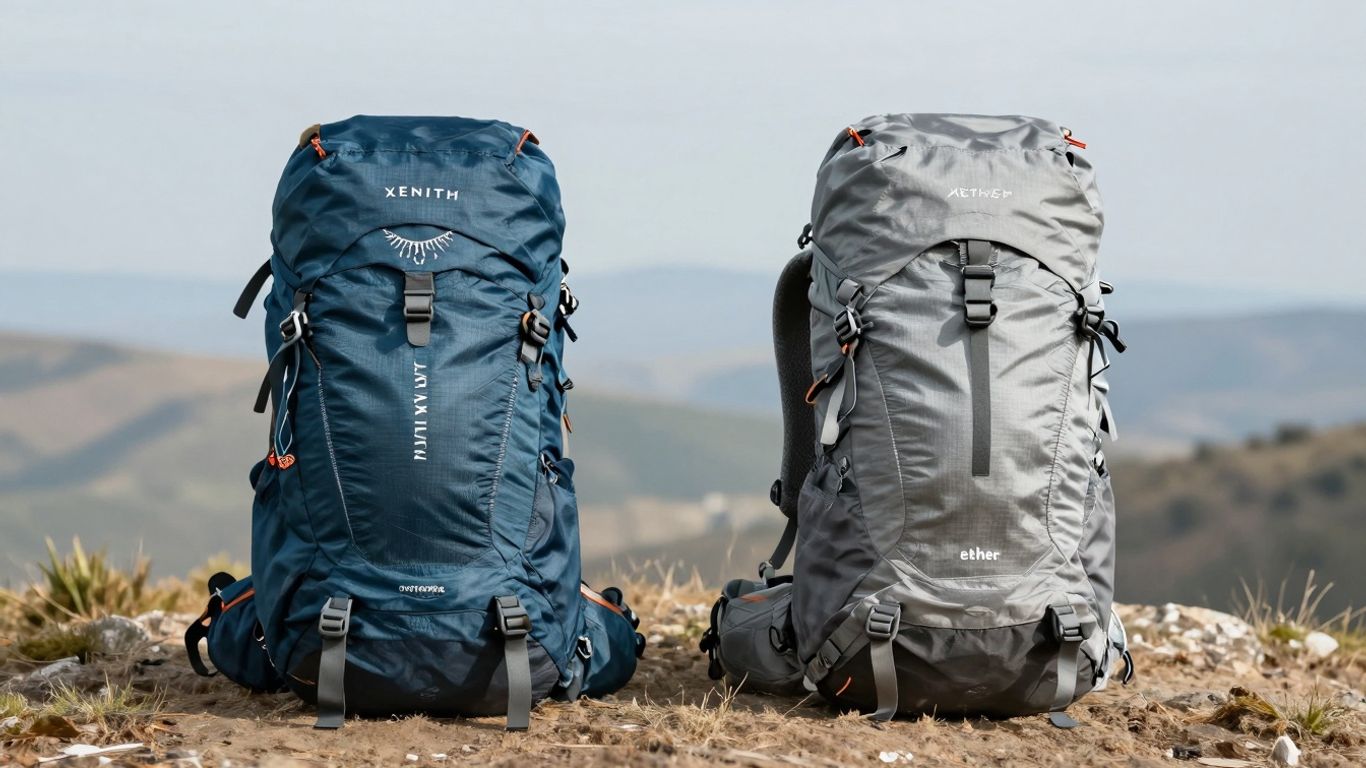
Alright, let’s get down to brass tacks with the Osprey Xenith 88 and the Aether 85. These aren’t just any backpacks; they’re Osprey’s heavy hitters, designed for serious mileage and serious gear. Think of the Xenith series as the burly older sibling, built for those trips where you need to haul a ton of stuff, maybe for extended expeditions or when you’re packing for more than just yourself.
It’s got a robust suspension system that’s really meant to handle a significant load. The Aether series, on the other hand, while still a beast, leans a bit more towards versatility for multi-day treks. It’s a solid choice for longer trips, but maybe not quite as extreme as the Xenith’s intended use. Osprey really positions the Aether as a great all-rounder for extended backpacking, aiming for a balance between comfort and capacity.
Key Differentiating Features
So, what makes these two packs stand apart? A few things jump out. The Xenith 88 boasts an AirScape back panel, which is designed for serious ventilation and a ridged structure to keep things stable. It also features Osprey’s BioForm hip belt technology, which is meant to mold to your body with heat for a custom fit, especially important when you’re carrying a lot of weight.
The Aether 85 uses the Anti-Gravity (AG) suspension system, which is known for its excellent airflow and how it wraps around your body. While both have advanced hip belt tech, the Xenith’s BioForm system, coupled with its ErgoPull design, is often cited as being particularly good for heavy loads. Another big difference is access: the Xenith 88 typically offers dual side access points to the main compartment, in addition to the top, whereas the Aether 85 (depending on the specific model year) might have a single front J-zip or side access.
Target Audience and Use Cases
Who are these packs for, really? The Xenith 88 is definitely aimed at the more hardcore backpacker. If you’re planning on week-long (or longer) trips, venturing into remote areas, or just tend to pack a lot of gear – maybe for winter camping or expeditions – this is probably your jam. It’s built to handle loads up to 70 lbs (32 kg), making it ideal for those who need serious load-carrying capability.
The Aether 85, while still very capable, is a fantastic option for those who do a lot of multi-day backpacking, perhaps 4-5 nights or more, and want a pack that’s comfortable and organized. It’s a great choice for general extended trips where you might not be pushing the absolute limits of weight capacity but still need a reliable, comfortable pack. If you’re looking for a versatile pack for various types of longer hikes, the Osprey Aether Plus 88 could be a strong contender.
Here’s a quick rundown:
- Xenith 88: Expedition-style trips, heavy loads, extended backpacking, remote adventures.
- Aether 85: Multi-day treks, general extended backpacking, those prioritizing ventilation and a close-to-body feel.
When choosing between these two, consider not just the volume, but how you pack and the typical weight you’ll be carrying. The suspension system and load-carrying capacity are key differentiators for serious backcountry use.
Suspension System and Comfort
AirScape vs. Anti-Gravity Back Panel
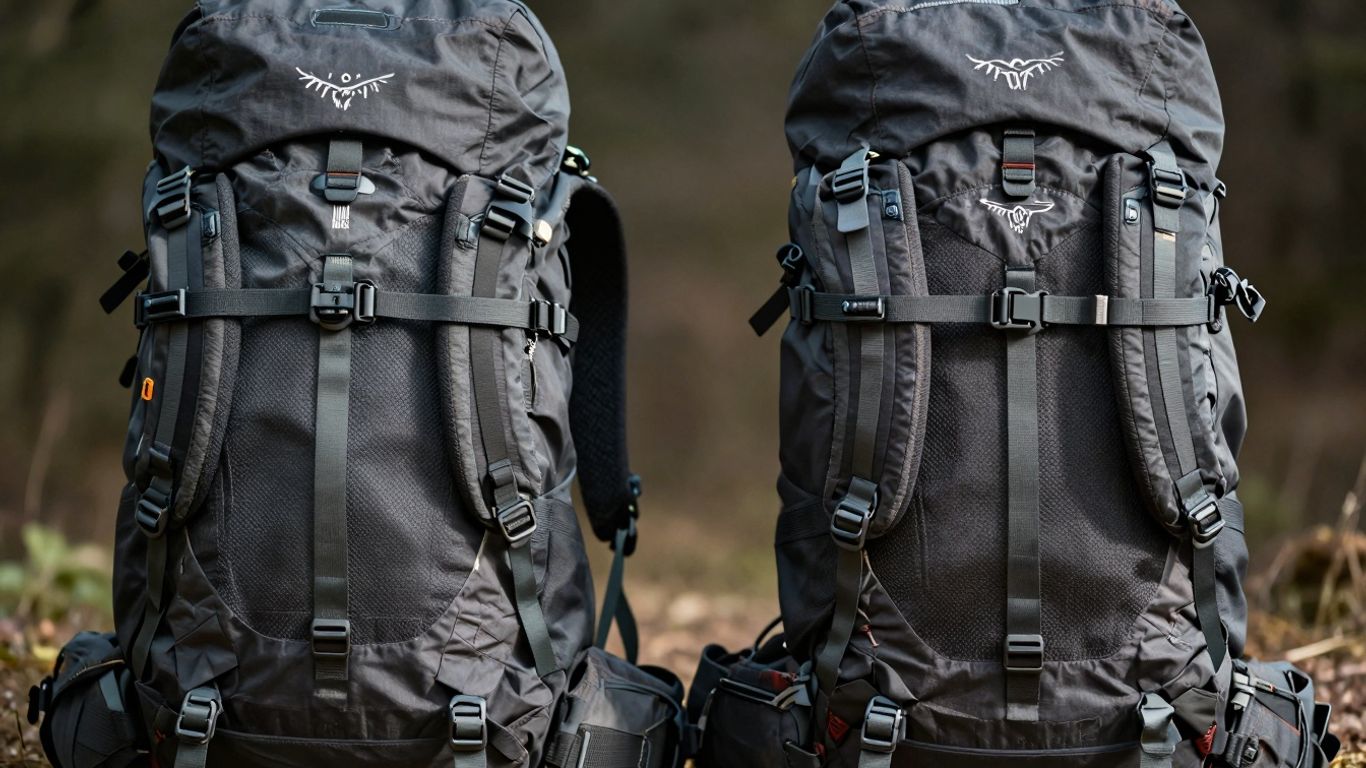
When it comes to carrying a heavy load, the suspension system is everything. Osprey uses two main technologies here: the AirScape back panel on the Xenith and the Anti-Gravity (AG) system on the Aether. The Xenith’s AirScape is designed to keep the pack close to your body, with channels cut into the foam to allow for some airflow. It’s pretty solid and does a decent job of keeping things stable.
On the other hand, the Aether’s Anti-Gravity system is a bit different. It uses a suspended mesh back panel that creates a significant gap between your back and the pack itself. This allows for a lot more air to circulate, which can be a real lifesaver on hot days. It feels like the pack is floating a bit, which can be really comfortable, especially when you’re moving around a lot.
BioForm vs. IsoForm Hip Belt Technology
The hip belt is where a lot of the weight actually rests, so it’s super important. Both the Xenith and Aether use what Osprey calls BioForm hip belts, which are designed to be heat-moldable. You wear them for a bit, and your body heat helps shape the foam to your hips. This gives you a really custom fit.
However, the Xenith takes it a step further with its IsoForm CM hip belt. This system has V-shaped straps on the front that let you cinch down the upper and lower parts of the hip belt independently. This means you can really dial in the fit around your hip bones, which is fantastic for really heavy loads. The Aether’s hip belt is still very good, but the Xenith’s extra adjustability here gives it an edge for maximum load-carrying comfort.
Load Carrying Capacity and Weight Distribution
Both of these packs are built to handle serious weight, but there are some differences. The Xenith 88 is generally rated for a higher maximum load than the Aether 85. This is partly due to its beefier frame and the more robust hip belt system we just talked about.
Here’s a quick look at how they stack up:
| Feature | Xenith 88 | Aether 85 |
|---|---|---|
| Max Load Capacity | Up to 65 lbs (29.5 kg) | Up to 60 lbs (27 kg) |
| Frame Material | Stronger, thicker aluminum alloy | Slightly lighter aluminum alloy |
| Hip Belt System | IsoForm CM with ErgoPull, V-straps | BioForm with standard pull-forward |
| Back Panel | AirScape with channels | Anti-Gravity suspended mesh |
While both packs are designed for heavy loads, the Xenith 88 feels more purpose-built for those truly massive hauls. Its suspension system and hip belt are engineered to distribute extreme weight more effectively, making it a better choice if you consistently pack for extended expeditions with a lot of gear.
For most trips, though, the Aether 85’s Anti-Gravity system does a great job of making its load feel lighter and more manageable. It’s a different kind of comfort, focusing on breathability and a floating sensation.
Access and Organization
When you’re out on the trail, especially for longer trips, being able to get to your gear without unpacking everything is a big deal. Both the Osprey Xenith 88 and Aether 85 do a pretty good job here, but they have some differences.
Main Compartment Access Points
The Xenith 88 offers a few more ways in than the Aether 85. It’s got access from the top, of course, but also from the left side, the right side, and the bottom. That’s four points of entry, which is quite a lot. The Aether 85, on the other hand, gives you top access, front access (a U-shaped zipper), and bottom access.
While the Xenith has more options, I personally find the Aether’s large front panel zip on the Osprey Aether Plus 85 to be really convenient for grabbing things from the middle of the pack without a fuss. It really comes down to what you prefer – more distinct entry points or one big, easy-to-open one.
Pocket Configuration and Functionality
Both packs come with a total of nine pockets, so the number isn’t the differentiator here. The functionality is pretty similar too, with a good mix of stretch mesh pockets on the front and sides, hip belt pockets for snacks or a phone, and internal sleeves.
The Xenith 88 does have an external hydration reservoir sleeve, which is a nice touch if you use a water bladder. It means you can refill without digging through your main pack. The Aether 85 has an internal sleeve. It’s not a huge difference, but for quick refills, the external sleeve on the Xenith is a bit more user-friendly.
External Storage and Compression Systems
Both packs have attachment points for things like trekking poles using Osprey’s Stow-on-the-Go system. The Aether 85, however, also features dual front StraightJacket compression straps. These are pretty neat for cinching down the load, even if the pack isn’t completely full, helping to keep everything stable. The Xenith 88 doesn’t have this specific feature, but it still has plenty of ways to strap gear externally if needed.
Organization is key on any multi-day trip. Having easy access to your essentials, like snacks, maps, or rain gear, without having to completely dismantle your pack makes a world of difference. Think about how you typically pack and what you need to get to most often when deciding which access style works best for you.
Capacity and Volume Considerations
Comparing 88L and 85L Volumes
Alright, let’s talk about how much stuff these packs can actually hold. We’re looking at the Osprey Xenith 88 and the Aether 85, and while the numbers seem close – 88 liters versus 85 liters – that extra 3 liters on the Xenith can make a difference on longer trips. It’s not a huge jump, but it’s there if you need it. Think of it like having a little extra room for those
Additional Features and Practicalities
Removable Lid and Daypack Integration
Both the Osprey Xenith 88 and Aether 85 have a trick up their sleeve when it comes to the lid. It’s not just a lid; it’s a removable daypack. This is super handy for those trips where you might want to leave your main pack at the campsite and go explore a bit.
You can stash essentials like water, snacks, and a light jacket in it. The Xenith’s lid converts into a lumbar pack, which is a bit different from the Aether’s, which transforms into a more traditional daypack. Honestly, I found the Aether’s daypack setup a little more comfortable for longer strolls, especially when loaded with a few extra pounds, though the Xenith’s lumbar option is neat for quick jaunts.
Hydration Reservoir Compatibility
Staying hydrated on the trail is a big deal, and thankfully, both these packs are ready for it. They both have sleeves for a hydration reservoir. The Xenith 88 has an external sleeve, which is pretty convenient. You can refill your water bladder without having to unpack everything, which is a lifesaver when you’re on the move. The Aether 85 has an internal sleeve. While it keeps the reservoir tucked away neatly, refilling it means you might have to do a bit more digging around inside the pack. For me, the external access on the Xenith is a slight win here.
Included Accessories: Rain Cover and More
When you’re shelling out for a pack like this, you want it to be ready for anything. The Aether 85 comes with a built-in rain cover, which is a really nice touch. It tucks away neatly and is quick to deploy when the weather turns sour. The Xenith 88, however, does not include a rain cover.
This is a bit of a bummer, especially considering the price point. You’ll likely need to buy one separately or get creative with dry bags inside. It’s a small detail, but for extended trips in unpredictable weather, that included rain cover on the Osprey Aether Plus 85 Pack is a definite plus.
Here’s a quick rundown of some other handy bits:
- Attachment Points: Both packs offer good options for attaching gear externally, like trekking poles with the Stow-on-the-Go system. The Aether also features StraightJacket compression straps on the front, which are great for cinching down loads.
- Bottom Compartment: Both packs have a separate compartment at the bottom, often used for a sleeping bag. While some folks find these useful, I personally think they can add unnecessary weight and complexity. It’s a matter of preference, really.
- Pockets: You’ll find plenty of pockets on both. The Xenith 88 boasts a few more external pockets, including two vertical zippered ones on the front and a large mesh pocket. The Aether 85 has a solid pocket setup too, though slightly less in number. For a big pack, having ample pockets is definitely a good thing.
Durability and Construction
When you’re out there, miles from anywhere, the last thing you want is your pack giving up on you. Both the Osprey Xenith 88 and Aether 85 are built tough, but there are some differences in how they achieve that ruggedness.
Frame Thickness and Material
The Xenith 88 uses a beefier 420-denier nylon fabric for its main body. Think of it like a thicker canvas – it’s designed to take a beating. The Aether 85, on the other hand, opts for a 210-denier fabric. While this might sound less robust, Osprey’s fabric choices are generally pretty solid, and the 210D is still quite durable for most backpacking scenarios. It’s a bit of a trade-off between absolute maximum toughness and a slightly lighter pack.
Overall Build Quality
Osprey generally has a good reputation for how they put their packs together, and these two are no exception. You’ll find strong stitching, well-placed reinforcements in high-wear areas, and quality zippers and buckles. It feels like they’ve thought about where a pack is most likely to fail and added extra attention there.
The Xenith might feel a bit more ‘heavy-duty’ overall, but the Aether is still a very well-constructed piece of gear. It’s worth noting that Osprey offers a pretty solid lifetime warranty, which gives you some peace of mind with either choice.
Long-Term Performance Expectations
For the Xenith 88, with its thicker fabric and robust frame, you can expect it to hold up exceptionally well over many years, even with frequent, hard use. It’s built for those who push their gear to the limit. The Aether 85, while perhaps not quite as over-engineered in the fabric department, is still designed for serious backpacking. With reasonable care, like avoiding dragging it over sharp rocks unnecessarily and keeping it clean, it should also provide reliable service for a long time.
Many backpackers find their Osprey packs last for a decade or more, and these models are no different in that regard. If you’re looking for a pack that can handle just about anything you throw at it, the Xenith might have a slight edge, but the Aether is still a very dependable companion for your adventures. You can check out other great backpacking options if you want to compare further.
Making Your Choice: Xenith 88 or Aether 85
When the Xenith 88 Shines
So, you’re staring down the barrel of a big trip, maybe longer than a week, or perhaps you just tend to pack a bit more than the average bear. The Xenith 88 really steps up when you need that extra space and a suspension system that can handle a serious load. Think of it as the workhorse. If you’re hauling gear for winter camping, or maybe you’re the designated pack mule for a family trip, the Xenith 88’s beefier frame and suspension are designed for those heavier loads, potentially up to 70 lbs (32 kg).
One of the standout features for the Xenith 88 is its access. You get not one, but two side zip accesses to the main compartment, plus the top and bottom. This makes grabbing something from the bottom without unpacking everything a real lifesaver on the trail. It also boasts the BioForm hip belt, which is Osprey’s more recent custom-molding tech. You can get it heated and molded to your hips at a dealer, which can make a huge difference in comfort when you’re carrying a lot of weight for extended periods.
- Extra Access: Dual side zippers mean easier gear retrieval.
- Heavy Load Support: Designed for loads up to 70 lbs (32 kg).
- Custom Fit: BioForm hip belt offers a more personalized fit.
- Removable Lid: Doubles as a functional daypack.
The Xenith 88 is built for those who push the limits of capacity and demand robust support for their heaviest loads. Its thoughtful access points and superior load-carrying capabilities make it a top choice for extended expeditions and demanding conditions.
When the Aether 85 is the Better Fit
Now, the Aether 85. This pack is still a serious contender, especially if your trips are generally in the 4-5 night range, or if you pack efficiently. It’s geared more towards extended trips than a general-purpose pack, but it doesn’t quite go to the extreme hauling capacity of the Xenith. The Aether 85 uses the Anti-Gravity (AG) suspension system, which is known for its excellent ventilation and comfortable carry, especially for loads that aren’t pushing the absolute maximum.
While the Xenith has two side accesses, the Aether 85 typically offers a J-zip front access. This is still pretty good for getting to your gear, just not quite as versatile as the Xenith’s dual side zips. The hip belt technology on the Aether is IsoForm, which is also very good, but the BioForm on the Xenith is a step up for custom molding. If you’re not consistently packing over 55-60 lbs (27.2 kg), the Aether 85’s suspension should handle things just fine, and you might appreciate its slightly lighter feel and potentially better airflow.
- Balanced Load: Great for loads up to around 55-60 lbs (27.2 kg).
- Ventilation: Anti-Gravity suspension offers superior airflow.
- Efficient Access: J-zip front access is convenient for most trips.
- Comfortable Carry: IsoForm hip belt provides a secure and comfortable fit.
| Feature | Xenith 88 | Aether 85 |
|---|---|---|
| Max Load Capacity | ~70 lbs (32 kg) | ~55-60 lbs (27.2 kg) |
| Main Compartment Access | Top, Bottom, Dual Side Zips | Top, Bottom, J-Zip Front |
| Hip Belt Tech | BioForm (Custom Moldable) | IsoForm |
| Suspension System | AirScape (More robust for heavy loads) | Anti-Gravity (Better ventilation) |
Final Verdict on Osprey Xenith 88 vs Aether 85
Choosing between the Xenith 88 and the Aether 85 really boils down to how much weight you plan on carrying and how you like to access your gear. If you’re consistently packing heavy, going on very long trips, or need the absolute best in custom hip belt comfort for those loads, the Xenith 88 is likely your winner. Its dual side access points are a significant advantage for organization and quick grabs.
However, if your trips are long but not necessarily heavy, or if you prioritize ventilation and a slightly more streamlined pack, the Aether 85 is an excellent choice. It offers a fantastic balance of capacity, comfort, and weight distribution for most serious backpackers. Think about your typical loadout and your longest planned excursions. That’s usually the best indicator of which pack will serve you better on the trail.
So, Which Pack Wins?
Alright, after looking at both the Osprey Xenith 88 and the Aether 85, it’s clear they’re both solid packs. The Xenith 88 seems to have a slight edge, especially if you’re planning on carrying a lot of gear or just want that extra bit of comfort and access. Its suspension system is built for heavier loads, and having those extra access points makes digging around for stuff way easier.
The Aether 85 is still a great pack, don’t get me wrong, but for those times when you’re really loading up, the Xenith 88 feels like the more capable choice. If you’re on the fence, and especially if you tend to pack heavy, the Xenith 88 is probably the way to go.
Frequently Asked Questions
What’s the main difference between the Osprey Xenith 88 and Aether 85?
The Xenith 88 is built for really heavy loads and super long trips, with a tougher suspension system to handle more weight. The Aether 85 is also great for long trips but is a bit lighter and might be better if you don’t always pack extremely heavy gear.
Which backpack is better for carrying a lot of stuff?
The Xenith 88 is generally considered better for carrying the heaviest loads. It has a higher weight capacity and a more robust frame designed for serious weight.
How do I get things out of these backpacks?
The Xenith 88 has more ways to open it up, including access from the top, both sides, and the bottom. The Aether 85 typically has top and front access, plus the bottom compartment.
Can I turn part of the backpack into a smaller bag?
Yes, both the Xenith 88 and Aether 85 have a removable top lid that can be turned into a small daypack for shorter hikes or exploring around your campsite.
Which backpack is more comfortable for my hips?
Both use Osprey’s BioForm hip belt technology, which molds to your body. The Xenith 88 adds an ‘ErgoPull’ system that helps cinch the belt down more securely and comfortably, especially with heavy loads.
Do these backpacks come with a rain cover?
Usually, the Xenith 88 does not include a rain cover. The Aether 85 might include one depending on the version, but it’s always a good idea to check the product details or bring your own.
Recommended Approach and Hiking Gear
These products can improve fit, mobility, and comfort during long climbing days.
Affiliate disclosure: As an Amazon Associate, TradClimbers may earn from qualifying purchases at no additional cost to you.
Keep exploring helpful trad climbing, gear, safety, and technique resources.