

So, you’re looking at the Osprey Aether 70 vs Gregory Baltoro 75 and wondering which one is the better pack for your adventures? It’s a common question, and honestly, both are pretty solid choices for hauling a lot of gear. They’re built tough and designed for those longer trips where you need to carry more. But they do have their differences, and figuring out which one fits your style better can make a big difference on the trail. Let’s break down the Osprey Aether 70 vs Gregory Baltoro 75 to help you decide.
Key Takeaways
- The Osprey Aether Plus (formerly Aether AG) has a much better convertible top-lid daypack compared to the Gregory Baltoro’s simpler hydration sleeve conversion. The Aether’s daypack much like the Osprey kestrel 48 is more fully featured with a hipbelt and harness.
- When it comes to pockets, both packs have a similar functional number, but the Aether Plus has superior hipbelt pockets, making it easier to access small items on the go.
- The Aether Plus now includes an integrated rain cover, a feature that the latest Baltoro model no longer offers, giving the Osprey an edge in weather protection.
- For hikers needing a wide range of torso fit, especially those on the shorter or taller ends of the spectrum, the Osprey Aether Plus offers significantly more harness adjustability than the Baltoro.
- While both are durable, Osprey generally has a stronger reputation for warranty and customer support, meaning you’re likely to be well-covered if any issues arise with your Aether pack.
Osprey Aether 70 vs Gregory Baltoro 75: Key Differences
Alright, let’s get down to the nitty-gritty. When you’re looking at the Osprey Aether 70 and the Gregory Baltoro 75, they seem pretty similar on the surface, right? Both are big packs meant for serious trips. But dig a little deeper, and you’ll find some pretty significant distinctions that might just sway your decision.
Daypack Functionality Comparison
This is where things get really interesting, and honestly, it’s a pretty big deal. The Osprey Aether 70 has a top lid that completely detaches and transforms into a fully functional daypack. We’re talking shoulder straps, a hipbelt, padded shoulder straps, and even its own little pocket. It’s like getting two packs in one, and it’s genuinely useful for those side hikes or quick trips into town from basecamp.
The Gregory Baltoro 75, on the other hand, has a hydration sleeve that can be removed and fashioned into a daypack. It’s… well, it’s basic. It lacks the structure and comfort features of the Aether’s convertible lid. So, if you plan on doing a lot of exploring away from your main campsite, the Osprey definitely has the edge here.
Exterior Pocket Design and Accessibility
Both packs have a good number of pockets, but how you use them and how easy they are to get to makes a difference. The Baltoro 75 technically boasts more exterior pockets, but a couple of those are just for accessing the water bottle holders from the side.
The Aether 70’s water bottle pockets are already easy to reach, so it feels like they have a similar number of useful pockets. What really stands out, though, are the hipbelt pockets. The Aether 70’s hipbelt pockets are just better designed – easier to get into and more secure for snacks or your phone. It’s a small thing, but when you’re on the move, those little conveniences add up.
Integrated Rain Cover Inclusion
This one’s pretty straightforward. The Osprey Aether 70 now comes with an integrated rain cover. That’s a big plus because, let’s face it, weather can change in an instant out there, and keeping your gear dry is pretty important. The Gregory Baltoro 75, unfortunately, no longer includes a rain cover. You’ll have to buy one separately. So, for convenience and preparedness right out of the box, the Osprey takes this round.
While both packs are built to haul a lot of gear, the specific ways they handle organization and secondary use, like the daypack conversion, are quite different. It really comes down to what features you prioritize for your type of trips.
Comfort and Fit Considerations
When you’re out on the trail for hours, maybe even days, how your pack feels is a pretty big deal. It’s not just about how much weight it can hold, but how it distributes that weight and how it moves with you. Both the Osprey Aether 70 and the Gregory Baltoro 75 aim to be comfortable haulers, but they go about it a little differently.
Torso and Hipbelt Adjustability
Getting the fit just right often comes down to how much you can tweak the pack to your body. Most packs let you adjust the hip belt by tightening a strap, but some go further. The Aether 70, for instance, offers a decent amount of vertical adjustment for the shoulder straps, which helps dial in that torso length.
It also has shoulder straps and hip belt padding that can be adjusted, giving you a bit more control over the fit. The Baltoro 75 also has adjustable hip belt padding, which is great because it means the cushioning can extend outwards. This is a nice touch if you have a wider waist or just want more padding where you need it most. It’s like having a custom fit without actually having to get one custom-made.
Harness Range for Varied Body Types
We all come in different shapes and sizes, right? So, a pack that fits one person perfectly might feel all wrong on someone else. The good news is that both Osprey and Gregory seem to understand this. They’ve designed their suspension systems, which include the frame, shoulder straps, and hip belt, to work for a range of body types.
The goal is to spread the load across your shoulders, hips, and back evenly. We had a bunch of different testers try these packs out, and generally, the ones that fit the most people well were the ones that scored highest in comfort. It’s all about how the pack transfers that weight to your hips and keeps you moving without feeling like you’re fighting your gear.
Load Carrying Performance
This is where the rubber meets the road, or rather, where the pack meets the trail with a heavy load. For those times when you absolutely have to pack a lot of gear, both the Aether 70 and the Baltoro 75 are built to handle it. They use sturdy foam in their padding, which gives a good mix of support and comfort. The shoulder straps are designed to be ergonomic and have a bit more stiffness.
Now, that stiffer padding might feel a little less plush when the pack is empty, but when you’re carrying 40, 50, or even more pounds, that rigidity is what prevents the padding from compressing too much. This helps keep the load stable and transfers it effectively to your hips, making those long miles feel a bit more manageable. It’s a balancing act between plush comfort and the support needed for serious weight.
The suspension system is key here. It’s not just the padding; it’s how the frame, straps, and belt work together to move the weight from your shoulders down to your hips. A well-designed system makes a huge difference when you’re miles from anywhere with a full pack.
Construction and Durability
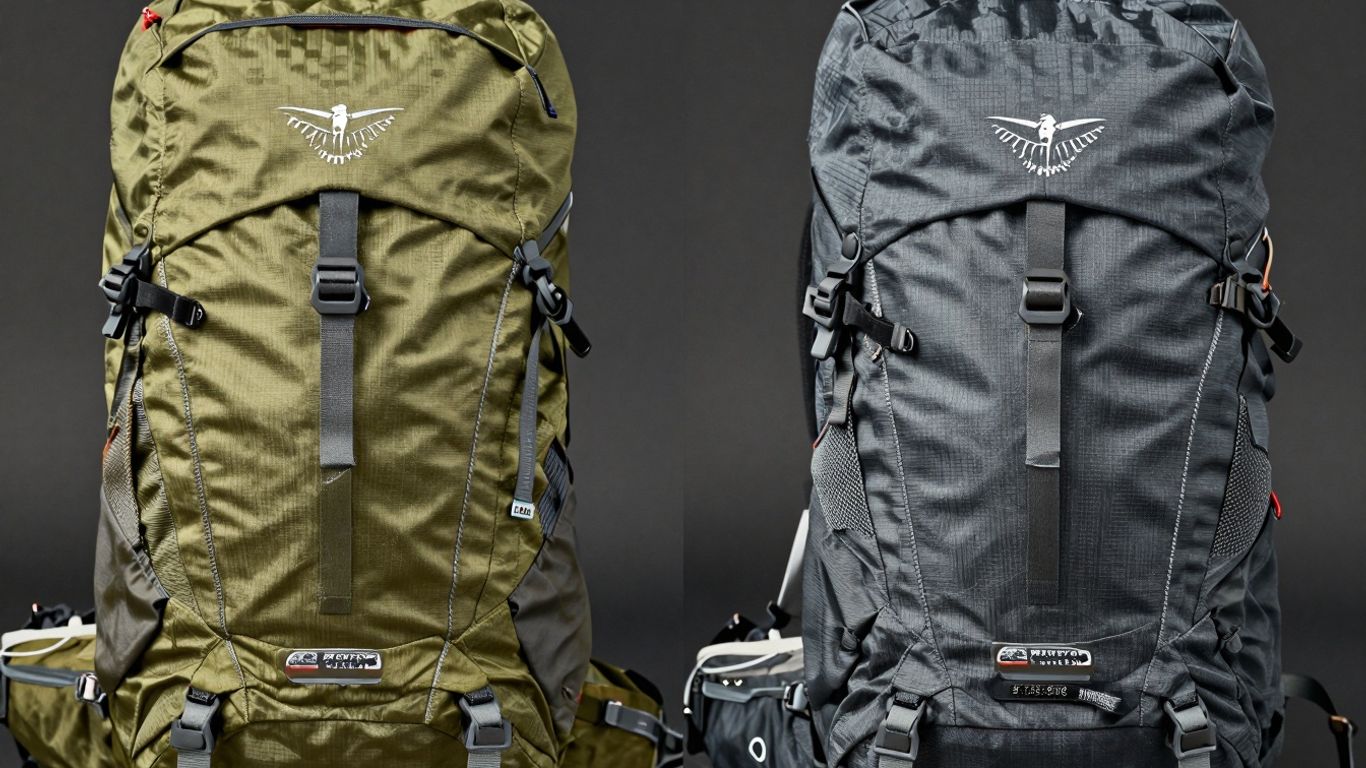
When you’re out there, miles from anywhere, the last thing you want is your pack falling apart. Both the Osprey Aether 70 and the Gregory Baltoro 75 are built to handle some serious abuse, but they go about it a little differently.
Robust Fabric Choices
Osprey tends to use a mix of high-denier nylon fabrics, often with a ripstop weave. This means they’re tough and can resist tears if you snag them on a branch. Gregory, on the other hand, often opts for a slightly heavier, more robust nylon that feels really substantial. It’s like comparing a heavy-duty work jacket to a really well-made hiking shell – both are protective, but one feels like it can take more of a beating.
Reinforcement and Base Durability
Pay attention to the bottom of the pack. This is where most of the wear and tear happens, especially when you’re setting your pack down on rocky ground. Both brands reinforce these areas, but Gregory often puts a bit more emphasis on this, using thicker materials or extra stitching. It’s a small detail, but it adds up over time.
Overall Build Quality
Looking at the stitching, zippers, and buckles, you can tell these packs are made to last. Gregory often gets praise for its really solid hardware and the overall feeling of a pack that’s over-engineered in the best way possible. Osprey is no slouch either, with clean stitching and reliable components. It really comes down to personal preference on which feels more ‘bombproof’ to you.
Here’s a quick look at some common materials:
| Pack Component | Osprey Aether 70 (Typical) | Gregory Baltoro 75 (Typical) |
|---|---|---|
| Main Body | High-denier Nylon Ripstop | Heavy-duty Nylon |
| Base | Reinforced Nylon | Extra-thick Reinforced Nylon |
| Zippers | YKK | YKK |
| Buckles | Duraflex | Duraflex |
You’re looking for a pack that can withstand the rigors of the trail, season after season. This means paying attention to the materials used, how well the seams are put together, and the quality of the hardware. A pack that feels solid and well-constructed is more likely to be a reliable companion on your adventures.
Capacity and Access Points
Main Compartment Access
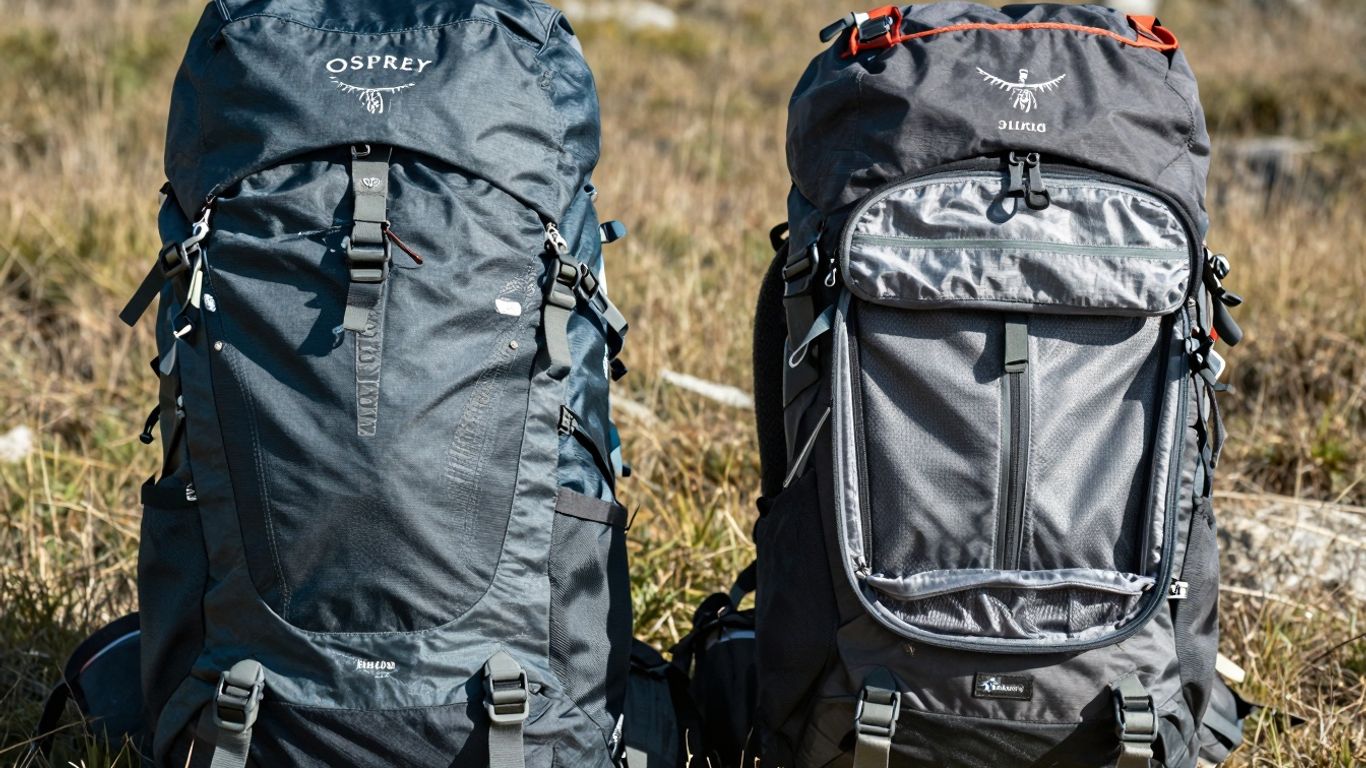
When you’re out on the trail, the last thing you want to do is unpack your entire backpack just to grab a snack or a rain jacket. Both the Osprey Aether 70 and the Gregory Baltoro 75 are designed with this in mind, offering multiple ways to get into your gear. Most packs, including these two, are top-loading, which is pretty standard.
But what really matters is how easily you can get to stuff buried deeper inside. The Baltoro 75, for instance, often comes with a front panel access zipper, letting you get to things without digging from the top. The Aether 70 also usually has some form of side or front access, though sometimes these can be a bit tricky to close when the pack is stuffed full. It’s a trade-off, really, more access points mean more zippers, which adds a little weight. You gotta decide if that extra zipper is worth it for you.
Volume Offerings
Figuring out how much stuff a pack can actually hold can be a bit confusing. Manufacturers sometimes count every single pocket when they list the volume, and sometimes they only count the main part. We did our own tests, filling packs with ping pong balls to get a real sense of the main compartment size.
For the Aether 70 and Baltoro 75, their advertised volumes are generally pretty close to what we measured, but it’s always good to be aware that the ‘main compartment’ might be a bit smaller than the total advertised liters. This is especially true for packs in this size range, where you’re expecting to carry a good amount of gear for longer trips.
| Pack | Advertised Volume (L) | Approximate Main Compartment Volume (L) |
|---|---|---|
| Osprey Aether 70 | 70 | ~55-60 |
| Gregory Baltoro 75 | 75 | ~60-65 |
Hydration Sleeve Integration
Staying hydrated is super important, and both the Aether 70 and Baltoro 75 usually have a dedicated sleeve inside for a hydration reservoir. This means you can keep your water bladder separate from your other gear. There’s typically a port near the top of the pack where you can thread the drinking tube through, so it’s easily accessible while you’re hiking. It’s a pretty standard feature on most larger backpacking packs these days, and it works well for keeping your water handy without having to stop and dig out a bottle.
Warranty and Customer Support
When you’re investing in a big piece of gear like a backpack, knowing what happens if something goes wrong is pretty important. Both Osprey and Gregory have reputations for standing behind their products, but there are some nuances to their approaches.
Osprey’s Warranty Reputation
Osprey is pretty well-known for its “All Mighty Guarantee.” Basically, they’ll fix any damage or defect for any reason, free of charge, for the lifetime of the product. This isn’t just for manufacturing flaws; they’ll even repair damage caused by airline mishaps or that time you accidentally dragged your pack over a rock face.
This commitment to repair is a huge plus for long-term ownership. They really want you to keep using their gear, which is great for sustainability and your wallet. You can check out their warranty details on their website, and they make the repair process pretty straightforward, though you’ll have to ship your pack to them.
Gregory’s Customer Service
Gregory also offers a solid warranty, typically covering manufacturing defects for a period of time, often around five years. While it might not be the “fix anything, anytime” approach of Osprey, it’s still very good and covers the most common issues you’d expect. Their customer service is generally well-regarded, and they’re usually helpful in sorting out any problems. If you have a specific issue, it’s always best to contact them directly to see how they can help. They focus on making sure you’re happy with your pack, and their support team is usually pretty responsive.
Here’s a quick look at what you might expect:
- Osprey: Lifetime “All Mighty Guarantee” covering repairs for any reason.
- Gregory: Typically a multi-year warranty against manufacturing defects.
Both brands are solid choices when it comes to backing their products. Osprey’s lifetime repair policy is hard to beat if you want ultimate peace of mind, especially for a pack you plan to use extensively. Gregory offers strong support that covers the essentials for most backpackers.
Value Proposition: Price vs. Features
When you’re looking at the Osprey Aether 70 and the Gregory Baltoro 75, figuring out which one gives you more bang for your buck is key. Both are serious packs, built for the long haul, but they come with different price tags and a distinct set of features that might sway your decision.
MSRP and Retail Pricing
Generally speaking, both the Aether 70 and the Baltoro 75 sit in the premium category for backpacking packs. You’re looking at an investment, not a casual purchase. While exact prices can fluctuate based on sales and retailers, expect to see them both hovering in a similar, higher-end bracket.
It’s worth checking current prices, as sometimes one might have a slight edge over the other depending on the season or specific model year. For the latest on top-tier packs, you can check out this guide to backpacking backpacks.
Cost-Benefit Analysis
So, what are you actually getting for your money?
- Osprey Aether 70: Often praised for its robust construction and excellent suspension system, the Aether 70 is built to handle heavy loads comfortably. Its adjustability is a big plus, letting you dial in the fit. You’re paying for that renowned Osprey durability and a pack that’s designed to last for years of serious trekking.
- Gregory Baltoro 75: The Baltoro 75 is known for its exceptional comfort, especially on longer trips, and its thoughtful organization. It often features more pockets and access points, making it easier to keep your gear sorted. The trade-off might be a slightly heavier pack compared to some competitors, but the comfort factor is a big draw for many.
Long-Term Investment
Choosing between these two often comes down to personal preference and how you plan to use the pack. If you’re someone who packs light and prioritizes a streamlined, adjustable system, the Aether 70 might be your pick.
If you value supreme comfort for multi-week expeditions and appreciate having a place for everything, the Baltoro 75 could be the better long-term investment. Both brands have solid reputations, and a well-cared-for pack from either will serve you well for many adventures to come. It’s about matching the pack’s strengths to your specific backpacking style and needs.
Ultimately, the ‘value’ isn’t just about the sticker price. It’s about how well the pack performs for you on the trail, how long it lasts, and how much you enjoy using it. Think about the types of trips you do most often and what features are non-negotiable for your comfort and convenience.
So, Which Pack Wins?
Alright, so we’ve gone over the Osprey Aether 70 and the Gregory Baltoro 75. Both are seriously tough packs built for hauling a lot of stuff, no doubt about it. But if I had to pick just one for most people, I’d lean towards the Aether 70.
Its daypack is way more useful, and it comes with a rain cover built-in, which is a nice bonus. The Baltoro is still a great pack, especially if you find it on a good sale, but those little extras on the Aether just give it the edge for everyday adventures. Remember, though, the best pack is always the one that fits you right, so try them on if you can!
Frequently Asked Questions
What’s the main difference in how the daypacks work?
The Osprey Aether’s top lid turns into a really useful daypack with its own straps and belt. The Gregory Baltoro’s daypack is simpler, made from the water bag part, and doesn’t have as many features.
Which backpack has better pockets?
While the Baltoro technically has more pockets, the Aether’s hipbelt pockets are much easier to use. Both packs have side pockets for water bottles, but the Aether’s design makes them more accessible.
Does either pack come with a rain cover?
Yes, the Osprey Aether Plus now includes a built-in rain cover. The Gregory Baltoro used to have one, but the newer models do not, so you’d have to buy one separately if needed.
Are these backpacks good for different body types?
The Osprey Aether offers more adjustment in its straps and torso length, making it a better choice for people who are very tall, very short, or still growing. The Baltoro is also adjustable, but its range isn’t quite as wide.
Which backpack is better for carrying heavy loads?
Both are designed for heavy loads. The Baltoro is known for its super comfortable padding and strong frame, making it feel great even with over 40 pounds. The Aether also handles weight well and offers a lot of ways to adjust the fit for comfort.
Which backpack is a better value for the money?
The Gregory Baltoro is usually a bit less expensive. However, the Osprey Aether often includes features like a better daypack and a rain cover, which might make it a better deal if you plan to use those features. It really depends on what’s most important to you.
Recommended Approach and Hiking Gear
These products match the equipment and gear topics covered in this article.
Affiliate disclosure: As an Amazon Associate, TradClimbers may earn from qualifying purchases at no additional cost to you.
Keep exploring helpful trad climbing, gear, safety, and technique resources.