

Camping in the cold can be a real adventure, but nobody wants to freeze while they’re trying to sleep. That’s where an insulated tent comes in and there are many 4 season tents out there to choose from too. It’s not just about staying warm; it’s about making your outdoor experience enjoyable, even when the temperature drops. We’ll cover why an insulated tent is a smart move, how to pick the right one, and some simple tricks to make your shelter even cozier. Let’s get your tent ready for whatever the weather throws at it.
Key Takeaways
- An insulated tent helps keep your body heat inside, making your shelter much warmer.
- Proper insulation reduces condensation, meaning you won’t wake up to a damp tent.
- Look for four-season tents designed to handle wind, snow, and cold.
- Insulate your tent from the ground up, use windbreaks, and add layers inside.
- Good ventilation is still important, even in an insulated tent, to manage moisture.
Understanding The Importance Of An Insulated Tent
When you’re heading out into the cold, the tent you choose isn’t just a place to sleep; it’s your primary shelter against the elements. An insulated tent does more than just keep the rain out. It’s designed to actively manage the temperature inside, making your camping trip way more comfortable and, honestly, safer.
Retaining Your Body Heat
Think about it: your body is a little furnace, constantly generating heat. Without proper insulation, that warmth just escapes right through the tent fabric and into the cold air outside. An insulated tent acts like a thermos, trapping that heat close to you. This means you don’t have to work as hard to stay warm, leading to better sleep and less shivering. The goal is to create a microclimate inside your tent that’s significantly warmer than the outside air.
Minimizing Interior Condensation
This is a big one that catches a lot of people off guard. When warm, moist air from your breath and body hits the cold inner walls of a non-insulated tent, it turns into water droplets. This is condensation, and it can make your tent feel damp and clammy, even if it’s not raining. Insulated tents help reduce this by keeping the inner walls warmer, so less moisture forms. It’s all about managing that temperature difference.
Shielding Against Harsh Elements
Beyond just temperature, insulation provides a buffer against other winter woes. It helps cut down on wind chill that can seep through thinner fabrics. It also offers a bit more protection against the cold ground, which can be a major heat thief. Basically, it adds an extra layer of defense, making your tent a more robust and reliable refuge when the weather turns nasty.
Choosing The Ideal Insulated Tent For Your Adventures
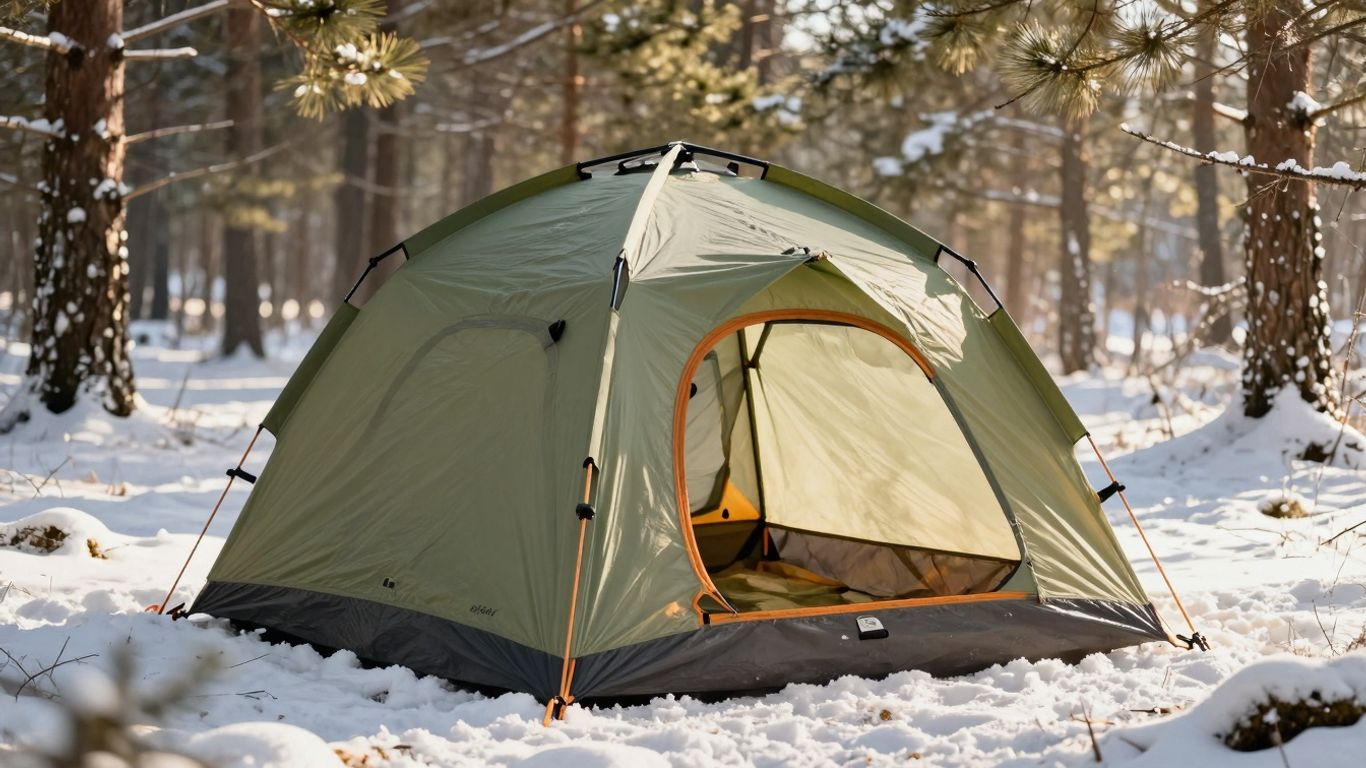
Alright, so you’ve decided to brave the cold and camp in the winter. Awesome! But before you start thinking about how to make your tent a cozy little igloo, you need the right shelter. Not all tents are built for this kind of action, you know. Picking the right one is like laying the foundation for a warm house – get it wrong, and everything else is just a struggle.
Prioritizing Four-Season Tent Designs
When you’re looking at tents, keep an eye out for ones labeled “four-season.” These aren’t your average summer tents. They’re beefed up to handle serious weather – think heavy snow loads and strong winds that could turn a lesser tent into a kite. They usually have stronger poles, more robust fabric, and a design that’s less likely to flap around like a flag in a hurricane. This kind of tent is your best bet for staying safe and warm when the mercury really drops.
Considering Tent Size For Efficiency
This might sound a bit counterintuitive, but for winter camping, smaller is often better. Why? Because the heat you generate inside the tent – from your body, your stove, whatever – has less space to escape. A super-sized palace might be nice in July, but in January, it’s just a big, cold box that’s going to take ages to warm up. Think snug, not sprawling. You want enough room to sleep comfortably and store your gear, but not so much that you’re practically shouting across the room.
Evaluating Fabric Quality And Ventilation
Look at the materials. You want fabrics that are tough and can handle freezing temperatures without getting brittle. But here’s the tricky part: ventilation. It sounds weird, right? You want to keep the heat in, so why would you want vents? Well, it’s all about managing condensation. When your warm breath hits the cold tent walls, you get moisture. Too much, and you’ll wake up in a damp sleeping bag, which is no fun at all. Good four-season tents have adjustable vents that let you control airflow, letting out just enough moisture without letting all your precious heat escape. It’s a balancing act, for sure.
Picking the right tent is more than just finding something waterproof. It’s about finding a shelter that works with the cold, not against it. Think about how it’s built, how much space you really need, and how it handles that inevitable moisture.
Here’s a quick rundown of what to look for:
- Durability: Can it handle snow and wind?
- Size: Cozy is good, cavernous is bad.
- Fabric: Tough and temperature-resistant.
- Ventilation: Adjustable vents are key for managing moisture.
- Pole Strength: Stronger poles mean a more stable structure.
Effective Strategies For Insulating Your Tent
So, you’ve got your four-season tent, and you’re ready to face the cold. But just having the right tent isn’t the whole story. You’ve got to actively work on keeping that warmth in. Think of your tent like a thermos – you want to seal it up tight against the outside chill.
Fortifying Your Tent’s Foundation
The ground is a massive heat sink, just waiting to pull warmth right out from under you. Starting with a good tent footprint or groundsheet is non-negotiable. It creates a basic barrier between your tent floor and the frigid earth. For even better results, consider adding a layer of closed-cell foam insulation or even an old rug underneath your sleeping pads. This extra buffer makes a surprising difference.
Constructing A Protective Windbreak
Wind is the enemy of warmth. It whips around your tent, chilling everything inside and making your heater work overtime. If you’re in a snowy area, building a snow wall around your tent is a fantastic natural insulator. Pack the snow down firmly, but remember to leave some gaps for ventilation. If there’s no snow, or you’re on rocky ground, you can pitch an extra tarp or your rainfly on the side facing the wind. This simple barrier deflects the worst of the gusts, creating a calmer microclimate around your shelter. Choosing a campsite that’s already sheltered by trees or hills is also a smart move before you even start setting up.
Utilizing Thermal Barriers Inside
Once the outside is as protected as you can make it, it’s time to focus on the interior. Think of adding layers, just like you would wear yourself. Reflective emergency blankets, often called Mylar blankets, can be hung on the inside walls. They work by bouncing your body heat back into the tent instead of letting it escape through the fabric. You can also use extra blankets, sleeping bags, or even a fleece liner to create an additional insulating layer within the tent itself. This trapped air between layers is key to staying toasty. Reducing the overall volume of air you need to heat can also help; consider using sleeping pads that fit snugly together to minimize empty space.
Keeping your tent dry is just as important as keeping it warm. Condensation is a real issue when warm, moist air from your breath meets the cold tent walls. Proper ventilation, even in cold weather, is vital to manage this. Open vents slightly, even if it feels counterintuitive, to allow moist air to escape.
Here are a few more ideas to boost your tent’s warmth:
- Ground Insulation Layers: Add a layer of closed-cell foam or even a thick rug under your sleeping area.
- Reflective Liners: Hang Mylar blankets or specialized tent liners on the interior walls.
- Extra Blankets: Drape old blankets or quilts over your sleeping bag or on the tent walls for added insulation.
- Snow Walls: In snowy conditions, build a packed snow wall around your tent for wind protection and insulation.
Maximizing Warmth Within Your Insulated Tent
So, you’ve got your insulated tent set up, and you’re ready to settle in. But how do you make sure it stays toasty warm all night? It’s all about layering and smart choices inside.
Adding Layers To The Tent Roof
Think of your tent roof like the ceiling in your house – heat rises, and it can escape right out the top. You can add an extra layer of insulation up there. A second rainfly or a tarp pitched a little above your main tent creates an air gap. This gap acts like a buffer, slowing down heat loss. You can even drape a thermal blanket over your rainfly for even more warmth. It might seem like a small thing, but it makes a noticeable difference when the temperature drops.
Employing Safe Heating Solutions
Keeping your tent warm doesn’t always mean relying solely on body heat. There are ways to introduce a little extra warmth, but safety is key. Never use unvented fuel-burning heaters inside a tent, as they can produce dangerous carbon monoxide. Instead, consider battery-powered heating pads or electric blankets if you have a power source. Another trick, used carefully, is heating rocks in a campfire, wrapping them in thick towels, and placing them inside the tent for a temporary boost. Just be super mindful of fire safety and potential condensation.
Maintaining A Dry Interior Environment
This is a big one. Even the best insulation won’t keep you warm if your tent is damp. Condensation happens when warm, moist air from your breath and body hits the cold tent walls. To combat this:
- Ventilate Properly: It sounds backward, but leaving vents slightly open, especially high ones, allows moist air to escape. You can also crack the door a bit.
- Use a Footprint: A groundsheet or footprint under your tent stops moisture from the ground seeping up.
- Wipe Down Surfaces: If you see condensation forming, give the walls a quick wipe with a towel.
A dry tent is a warm tent. Moisture inside your shelter can make you feel much colder than the actual air temperature, and it can also lead to mildew. Paying attention to ventilation and managing moisture is just as important as adding layers.
Additional Considerations For Cold Weather Camping
Strategic Campsite Selection
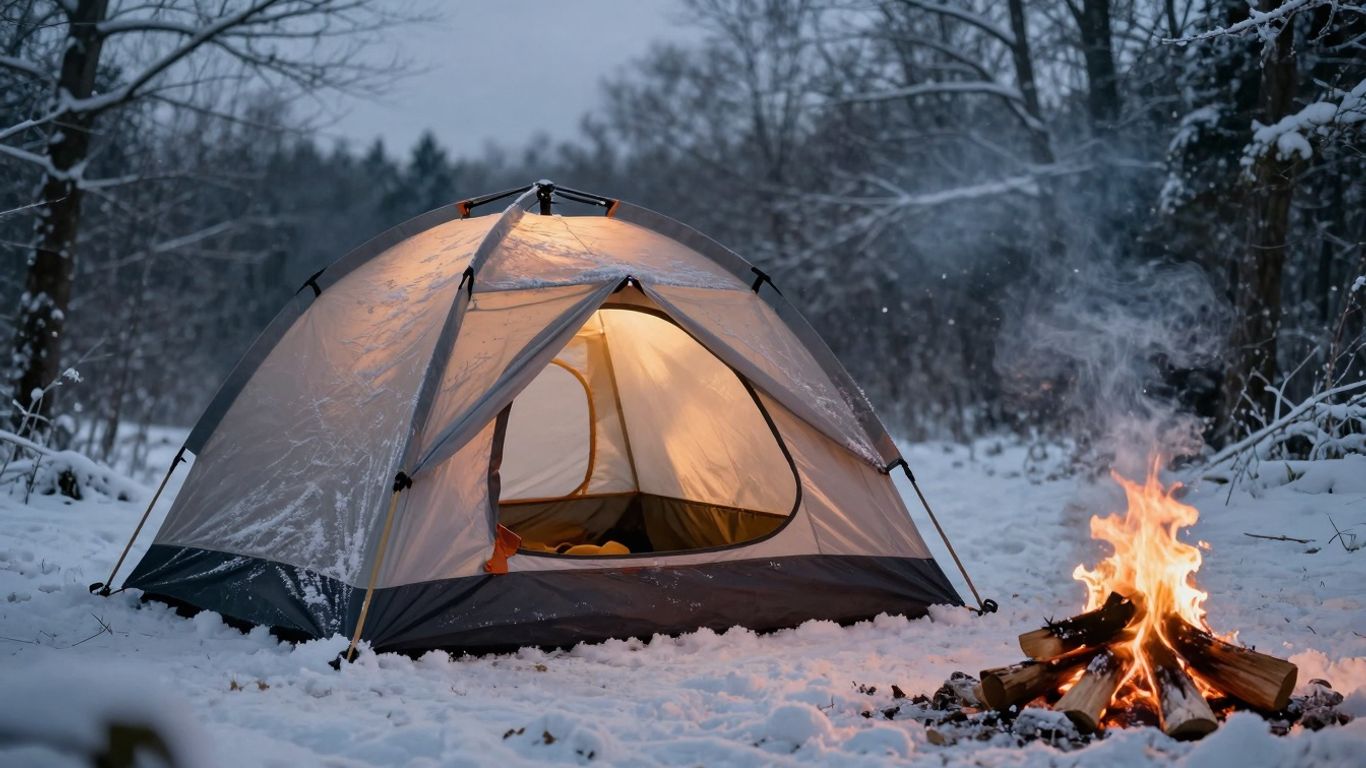
Picking the right spot for your tent can make a surprising difference when the temperature drops. Think about the sun’s path; positioning your tent to catch the morning rays can give you a nice little warmth boost as you wake up. But don’t let that be the only factor. If it’s windy, finding natural shelter like a cluster of trees, a large rock, or even a small hill can block that biting wind. Sometimes, you might even build a temporary wall out of packed snow if you’re in a snowy area. It’s all about assessing the environment and using what’s available to your advantage.
Ensuring Adequate Tent Ventilation
This might sound a bit odd when you’re trying to stay warm, but good ventilation is actually key. When you breathe inside a tent, you release moisture. If that moisture has nowhere to go, it can build up and make everything inside damp, which then makes you feel colder. Opening your tent vents, even just a little, helps let that moist air escape. This prevents condensation from forming on the inside walls and potentially freezing, which is the last thing you want. It’s a balance between keeping the cold out and letting moisture escape.
Investing In Quality Camping Gear
While you can do a lot with smart tent placement and ventilation, your gear is your primary defense against the cold. Make sure your sleeping bag is rated for temperatures colder than you expect. A mummy-style bag is usually a good bet because it fits closer to your body, leaving less air to heat up. Don’t forget insulated sleeping pads; they add a vital layer between you and the cold ground. Think of it like this:
- Sleeping Bag: Your personal cocoon of warmth.
- Sleeping Pad: The barrier between you and the earth’s chill.
- Clothing: Layers are your friend, even when sleeping.
Also, consider bringing a durable water bottle that you can fill with hot water before bed. It’s a simple trick that can keep your feet toasty all night long. And remember, practice makes perfect. Try out your gear on a shorter, less extreme trip before heading out for a long haul in freezing weather. You’ll learn what works and what doesn’t without the added stress of a serious cold-weather situation.
Wrapping Up Your Cozy Camp
So, there you have it. Keeping warm in your tent during the colder months really comes down to a few key things. Picking the right tent is a good start, but then you’ve got to think about how you’re insulating it from the ground up and from the wind. Using those thermal blankets and making sure you’ve got good layers inside can make a huge difference. It’s not about suffering through the cold; it’s about being smart with your gear so you can actually enjoy being out there. With these tips, you should be all set to have a much warmer and more comfortable time on your next winter adventure.
Frequently Asked Questions
What’s the best way to keep my tent warm in winter?
To keep your tent warm, focus on stopping heat from escaping. This means insulating the ground beneath you, blocking the wind from blowing on your tent, and adding extra layers inside, like blankets or special liners. Good ventilation is also key to prevent moisture buildup, which can make things feel colder.
Can I use a regular tent for winter camping?
While you can use a regular tent, it’s not ideal. Regular tents aren’t built to handle heavy snow or strong winds and don’t keep heat in very well. A four-season tent is designed specifically for winter conditions and will be much warmer and safer.
Do thicker tent walls make a tent warmer?
Yes, tents with thicker, more insulated walls do a better job of keeping the cold out and your body heat in. This makes them much warmer and more comfortable on chilly nights compared to tents with thin walls.
What should I wear to sleep in a tent during winter?
It’s best to wear layers of warm clothing, like thermal base layers, a cozy mid-layer, and a hat. This helps your body trap heat. Make sure your sleeping bag is also rated for cold weather to work with your clothing.
How can I stop my tent from getting wet inside?
Condensation happens when warm, moist air inside your tent meets the cold tent fabric. To reduce it, make sure your tent has good airflow by opening vents. Also, try not to bring too much wet gear or damp clothes inside the tent.
Besides insulation, what else helps keep a tent warm?
Choosing a good spot for your tent that’s protected from the wind is important. Also, having a warm sleeping bag and using things like a hot water bottle inside your sleeping bag can add extra warmth. Staying dry is also crucial, as wet gear makes everything colder.
Recommended Climbing Products
These products can support climbing and mountaineering in snow, ice, and cold conditions.
Affiliate disclosure: As an Amazon Associate, TradClimbers may earn from qualifying purchases at no additional cost to you.
Keep exploring helpful trad climbing, gear, safety, and technique resources.