

Thinking about hitting the trails but not sure if you should lace up for a hike or pack for a trek? It’s a common question, and honestly, the lines can get a little blurry. Both involve walking outdoors, enjoying nature, and getting some exercise. But there are some differences, mostly around how long you’ll be out and how tough the path might be. We’ll break down hiking vs trekking so you can pick the right adventure for your next outdoor escape.
Hiking vs Trekking Post Key Takeaways
- Hiking is generally a shorter outdoor activity, often completed in a day or maybe an overnight trip, usually on established paths.
- Trekking involves longer journeys, typically spanning multiple days, and often takes you through more remote or challenging terrain.
- Gear for hiking can be lighter, focusing on day-trip needs, while trekking requires more robust equipment to handle extended periods and varied conditions.
- Planning for a trek usually involves more preparation regarding skills, supplies, and potential costs compared to a typical hike.
- While terms like ‘walking’, ‘bush walking’, or ‘tramping’ are used globally, they generally fall on the spectrum between a casual hike and a serious trek.
Understanding Hiking vs Trekking
So, you’re thinking about hitting the trails, but what’s the real difference between hiking and trekking? It’s a question many outdoor enthusiasts ponder, and honestly, the lines can get a bit blurry. At its core, both activities involve walking outdoors, usually in natural settings. The main goal is often to connect with nature, get some exercise, and maybe see some cool sights along the way. It’s all about enjoying the fresh air and the journey.
Defining The Core Differences
When we talk about hiking versus trekking, the most obvious distinction usually comes down to time and intensity. Hiking is generally a shorter affair, often a day trip or just a few hours. Think of a walk in a local park or a well-marked trail up a moderate hill. Trekking, on the other hand, implies a longer, more involved journey. This usually means multiple days, often in more remote or challenging environments. The commitment in terms of time and physical effort is typically greater for trekking.
Shared Goals Of Outdoor Exploration
Despite their differences, hiking and trekking share a common spirit. Both are about stepping away from the everyday and immersing yourself in the natural world. Whether you’re out for an afternoon stroll or a week-long expedition, the desire to explore, witness natural beauty, and challenge yourself physically is often the driving force. It’s about the experience of being out there, away from screens and concrete.
Subtle Nuances Of Each Activity
Beyond the duration, there are other subtle differences. Hiking trails are often well-maintained and clearly marked, making navigation simpler. Trekking routes, however, might involve less defined paths, varied terrain, and require more self-sufficiency. This means the gear you need can also differ significantly.
For a trek, you’ll likely need more robust equipment to handle extended use and varying conditions, whereas a day hike might only require the basics. It’s about choosing the right activity for your current goals and skill level. If you’re just starting out, a day hike is a great way to get a feel for being on the trail, and you can find some excellent resources for beginner hiking tips. For those looking for a more significant adventure, trekking offers that deeper immersion.
Key Distinctions In Duration And Difficulty
Time Commitment: Day Trips Versus Extended Journeys
When you’re figuring out whether you’re going for a hike or a trek, one of the biggest clues is how long you plan to be out there. A hike is usually something you can knock out in a single day. Think of it as a good way to spend an afternoon or a full day exploring a local park or a well-marked trail. You pack some snacks, water, and maybe a light jacket, and you’re good to go. You’ll be back home by dinner.
Trekking, on the other hand, is a whole different ballgame. These are multi-day affairs. We’re talking about journeys that can last anywhere from a couple of days to weeks, or even months. Trekkers are usually heading into more remote areas, and they need to be prepared to spend nights out in the wilderness, whether that’s camping or staying in basic shelters along the way. It’s a much bigger time commitment, and the planning involved is way more involved.
Assessing The Challenge Level
Hikes are generally less demanding. While you might get a good workout, especially if there’s some elevation gain, they typically don’t push you to your absolute limits. The trails are often clear, and the focus is more on enjoying the scenery and getting some fresh air. You might feel pleasantly tired at the end of the day, but it’s usually manageable.
Trekking, however, is often about the challenge. It’s a journey with a purpose, a destination you’re working towards. This means you’re likely to encounter more difficult conditions. You’ll need more stamina, both physically and mentally, to keep going day after day. It’s about pushing yourself and seeing what you’re capable of when you’re out there in the wild for an extended period.
Navigating Varied Terrain
Hiking trails are usually pretty well-defined. You’ll find clear paths, signs, and maybe even maps readily available. It’s designed to be accessible for a wide range of people. You might walk through forests, along coastlines, or up moderate hills.
Trekking, though, often involves more rugged and less predictable terrain. This can include steep mountain slopes, dense forests with no clear paths, river crossings, or even deserts. You might find yourself navigating through areas that require more advanced skills and a good sense of direction. The path isn’t always obvious, and you need to be prepared for whatever the environment throws at you.
Here’s a quick look at how they stack up:
| Feature | Hiking | Trekking |
|---|---|---|
| Duration | Typically a single day | Multi-day (days, weeks, or months) |
| Difficulty | Moderate exertion, less physically taxing | High exertion, physically and mentally demanding |
| Terrain | Well-defined trails, accessible | Varied, rugged, potentially off-trail |
| Planning | Basic preparation | Extensive planning, logistics, supplies |
| Remoteness | Often closer to civilization | Usually in remote or wild areas |
Essential Gear For Hiking Versus Trekking
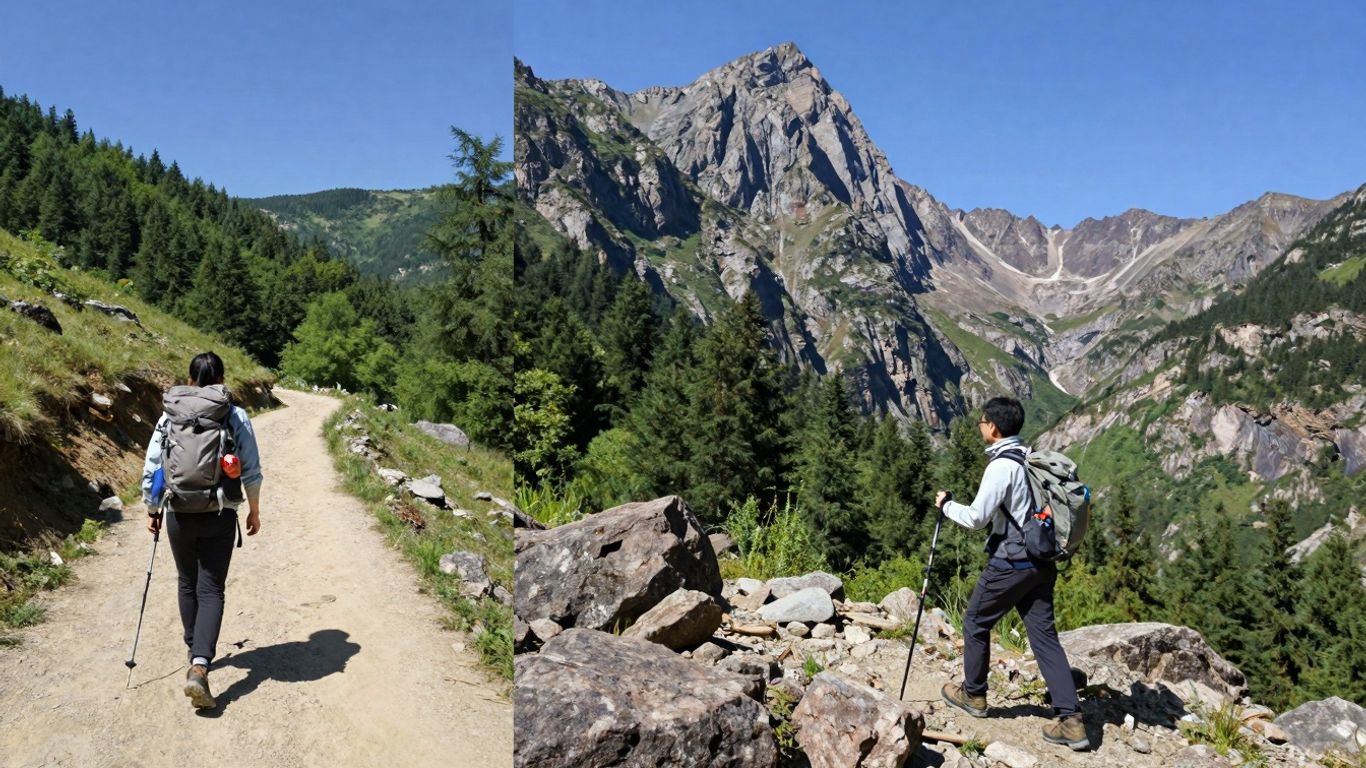
Alright, let’s talk about what you actually need to bring with you. When you’re heading out, whether it’s for a quick hike or a multi-day trek, the gear makes a big difference in how comfortable and safe you’ll be. It’s not just about throwing stuff in a bag; it’s about picking the right things for the job.
Footwear Considerations For Different Terrains
This is probably the most important thing. Your feet are doing all the work, right? For a day hike on a pretty clear path, you might be okay with some sturdy trail runners or lighter hiking shoes. They’re usually flexible and breathe well, which is nice when you’re just out for a few hours.
But if you’re planning a trek, especially one that goes for days or involves rougher ground, you’ll want something more substantial. Think boots with good ankle support – they really help when you’re carrying a heavier pack or walking on uneven surfaces. Waterproofing is also a big plus for treks, just in case you hit some wet weather or have to cross a stream. Blisters are no fun, and the right footwear can save you a lot of pain.
Backpack Selection For Extended Trips
When you’re just hiking for the day, a small backpack, maybe 20-30 liters, is usually plenty. You can fit your water, snacks, a light jacket, and a basic first-aid kit in there without feeling weighed down. But trekking? That’s a different story.
You’re out for longer, so you need to carry more food, more layers, maybe a tent, a sleeping bag, and other survival stuff. This means you’ll need a bigger pack, often in the 50-70 liter range. It needs to be comfortable enough to wear for days on end, with good padding and adjustable straps to distribute the weight properly. Choosing the right size and fit for your backpack is key to enjoying a longer trek.
Crucial Safety And Navigation Tools
No matter if you’re hiking or trekking, some safety items are non-negotiable. A basic first-aid kit is a must-have. You never know when a small cut or scrape might happen. For navigation, a map and compass are old-school reliable. Even if you have a GPS device or your phone, it’s smart to have a backup that doesn’t rely on batteries. For longer treks, especially in remote areas, consider a personal locator beacon (PLB) or satellite messenger. It’s a bit of extra weight, but it could be a lifesaver if you get into serious trouble.
Here’s a quick rundown of what to consider:
- First-Aid Kit: Band-aids, antiseptic wipes, pain relievers, gauze, tape, any personal medications.
- Navigation: Map of the area, compass, and know how to use them. A GPS device or app is a good supplement.
- Communication: Fully charged phone, portable charger, and for remote areas, a satellite messenger or PLB.
- Light Source: Headlamp or flashlight with extra batteries. Always good to have, even for day hikes.
- Sun Protection: Sunscreen, sunglasses, and a hat.
When packing for any outdoor trip, always think about the ‘what ifs.’ What if the weather turns bad? What if you get a little lost? What if someone gets hurt? Packing a few extra items for these scenarios can turn a potentially bad situation into a manageable one. It’s better to have it and not need it, than to need it and not have it.
Planning Your Outdoor Adventure
Cost Implications Of Each Activity
When you’re thinking about heading out, the money side of things can really change depending on whether you’re planning a quick hike or a longer trek. For a day hike, you’re mostly looking at the cost of snacks, water, and maybe some gas to get to the trailhead. It’s pretty straightforward and doesn’t usually break the bank. Trekking, though, that’s a different story. You’ll need more serious gear – think sturdy boots, a good backpack, maybe a tent, sleeping bag, cooking supplies, and specialized clothing. Plus, if you’re going somewhere remote, travel costs can add up too. It’s definitely an investment.
| Activity | Typical Cost Range (USD) | Notes |
|---|---|---|
| Day Hike | $10 – $50 | Primarily for food, water, and transport. |
| Trekking | $100 – $1000+ | Varies greatly with duration, location, and gear needed. |
Required Skills And Preparation
Getting ready for a hike is usually pretty simple. Most people can head out with just a bit of common sense and maybe a quick look at a trail map. You’ll want to know basic trail etiquette, like staying on the path and not leaving trash behind. For trekking, it’s a whole other ballgame. You might need to know how to read a map and compass, understand basic first aid for outdoor situations, and maybe even know how to set up a camp. It’s really important to be honest about your fitness level and experience before you commit to a trek.
Here’s a quick rundown:
- Hiking:
- Familiarity with trail markers.
- Understanding weather changes.
- Basic hydration and snack planning.
- Trekking:
- Navigation skills (map, compass, GPS).
- Wilderness first aid knowledge.
- Camp setup and Leave No Trace principles.
- Physical conditioning for multi-day exertion.
Planning ahead is key for any outdoor trip, but it becomes even more critical when you’re heading out for multiple days. Thinking through potential challenges and having a plan B can make a huge difference in your safety and enjoyment.
Choosing The Right Excursion For You
So, how do you pick? If you’ve only got a few hours and want some fresh air, a hike is probably your best bet. It’s a great way to get out and see some nature without a massive commitment. But if you’re craving a real adventure, something that pushes your limits and immerses you in the wild for days on end, then trekking might be calling your name. Consider what you want to get out of the experience – is it a relaxing stroll or a challenging journey? Your answer will point you in the right direction.
Geographic Variations In Terminology
Global Perspectives On Outdoor Walks
It’s pretty interesting how the same activity can have a bunch of different names depending on where you are in the world. What one person calls a hike, another might call something completely different. It really shows how diverse our relationship with the outdoors is.
Understanding Local Lingo: Walking, Bush Walking, And Tramping
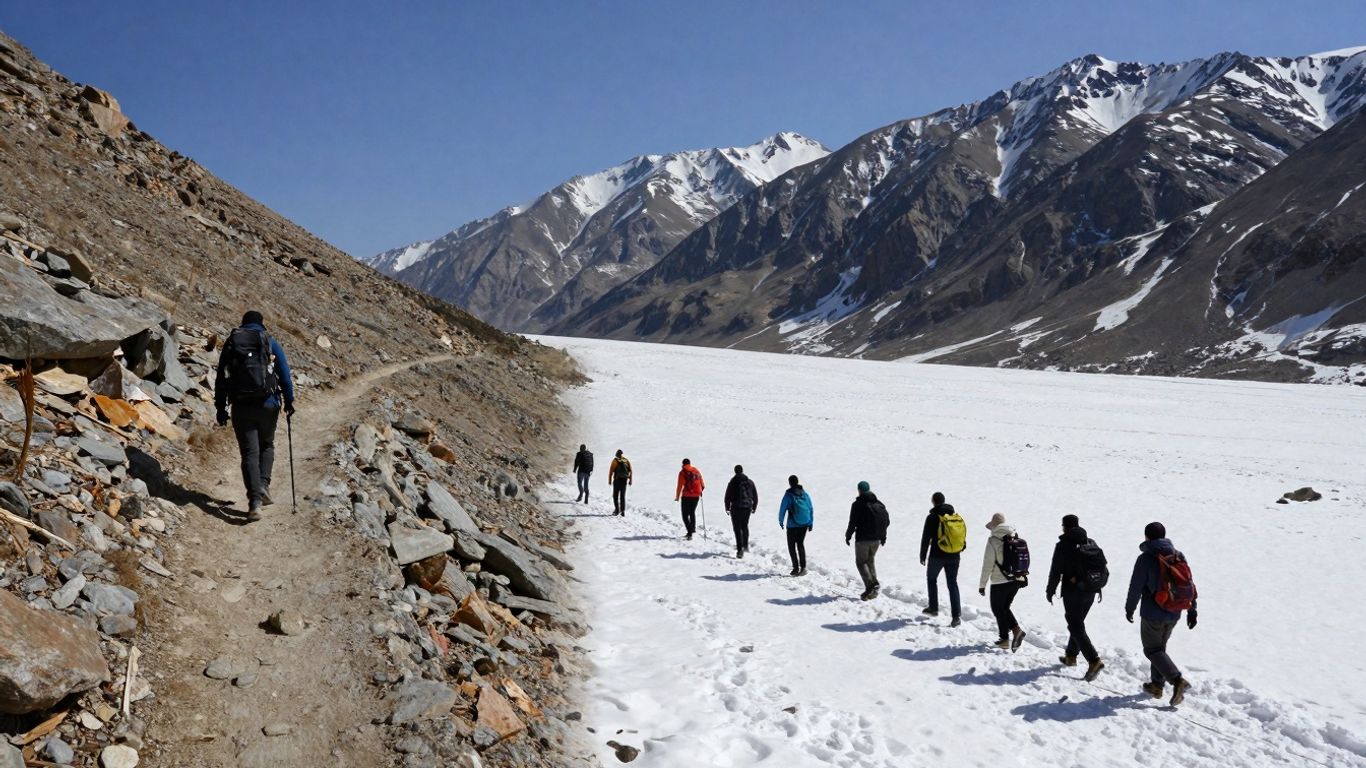
In the United Kingdom, you’ll often hear people talk about ‘walking’ for pretty much any excursion on foot, whether it’s a quick jaunt to the local shop or a serious trek through the hills. It’s a pretty broad term. Over in Australia, they tend to use ‘bush walking’ which is basically their version of hiking. It paints a nice picture, doesn’t it? Then you’ve got New Zealand, where ‘tramping’ is the word. This one leans more towards what we’d call trekking – longer, tougher journeys through wilder places. They even have famous ‘Great Walks’ that are essentially multi-day treks.
Historical Terms And Nostalgia
Some older terms like ‘rambling’, ‘hillwalking’, and ‘fellwalking’ are still around, mostly used by folks who have been doing this for ages. They carry a bit of history with them, a sense of a different era of exploring the outdoors. It’s kind of nostalgic, thinking about how people used to experience nature before all the modern gear and lingo.
The way we talk about walking in nature often reflects the landscape and culture of a place. What might be a simple ‘walk’ in one country could be a significant ‘trek’ in another, highlighting the subjective nature of these terms.
Here’s a quick look at some common regional terms:
- United Kingdom: Walking (general term), Rambling (older term)
- Australia: Bush Walking (similar to hiking)
- New Zealand: Tramping (closer to trekking)
- United States: Hiking (common term for most walks)
It’s a good reminder that while the activity is the same, the language we use to describe it can be quite different, and that’s part of the fun of learning about outdoor adventures worldwide.
Making The Most Of Your Hiking And Trekking Experience
So, you’ve figured out the difference between a casual hike and a full-blown trek. Awesome! Now, how do you actually make sure you have a great time out there, whether you’re out for an afternoon or a week? It’s not just about putting one foot in front of the other, you know.
The Spectrum Of Outdoor Pursuits
Think of hiking and trekking as points on a line. On one end, you’ve got your easy-peasy nature walk, maybe a couple of hours on a well-marked path. On the other end, you’ve got multi-day expeditions through rugged, remote country. Most of us fall somewhere in between, and that’s totally fine. The key is to match the activity to your current fitness, your available time, and what you actually want to get out of it. Don’t feel pressured to tackle a week-long trek if a scenic day hike is more your speed right now. It’s all about enjoying the outdoors.
Discovering A Passion For The Outdoors
What’s the real magic behind getting out there? It’s more than just exercise. It’s about disconnecting from the daily grind and reconnecting with something bigger. You notice the little things – the way the light hits the trees, the smell of pine needles, the sound of a distant stream. These moments can be incredibly grounding. Finding that connection is what keeps people coming back. It builds resilience, both physically and mentally. You might even find yourself planning your next adventure before you’ve even finished the current one!
Balancing Enjoyment And Exercise
It’s easy to get caught up in the gear or the distance, but remember why you’re out there. Are you trying to hit a certain mileage, or are you looking to soak in the views? Sometimes, the best days are the ones where you slow down. Maybe pack some extra snacks and take a longer break by a waterfall. Or perhaps you want to push your limits a bit. Both are valid! It’s about finding that sweet spot for you. Here’s a quick look at how different types of trips might balance out:
| Activity Type | Primary Goal | Typical Duration | Gear Focus |
|---|---|---|---|
| Day Hike | Recreation, light exercise | 2-6 hours | Lightweight daypack, water, snacks |
| Overnight Hike | Extended exploration, camping | 1-2 days | Adds tent, sleeping bag, cooking gear |
| Multi-day Trek | Immersion, challenge | 3+ days | Robust pack, survival gear, navigation tools |
Remember that even a short hike can be a significant physical activity. Listen to your body, especially when you’re starting out or trying new trails. Pushing too hard too soon can lead to injury and take the fun out of the experience. It’s better to have a positive, shorter outing than a miserable, long one.
Planning for longer trips, like a thru-hike, requires careful consideration of costs and logistics. Many first-time thru-hikers find that their initial budget estimates are a bit low, so doing thorough research is key. You can find some great advice from experienced hikers about preparing for long-distance trails.
So, What’s the Takeaway?
Alright, so we’ve talked about hiking and trekking, and honestly, they’re both pretty awesome ways to get outside. Whether you’re looking for a quick afternoon stroll on a well-worn path or a multi-day adventure deep in the wilderness, there’s something out there for you. The biggest differences really boil down to how long you’ll be out and how much gear you need to haul. Don’t overthink it too much – pick the adventure that feels right for you right now. You might even find that trying one leads you to discover a love for the other. Happy trails, everyone!
Frequently Asked Questions
What’s the main difference between hiking and trekking?
Think of hiking as a shorter trip, usually done in a day or maybe overnight, on marked paths. Trekking is more like a big adventure that lasts for several days, often in wilder places with tougher trails.
Do I need special gear for hiking versus trekking?
For hiking, you need comfy shoes, weather-appropriate clothes, and a small backpack with snacks and water. For trekking, you’ll need sturdier boots, a bigger backpack for more supplies like a tent and sleeping bag, and possibly tools for survival since you’ll be out longer and in more remote spots.
Is trekking always harder than hiking?
Usually, yes. Trekking involves longer distances, more days, and often rougher terrain, so it’s more demanding. However, a really tough day hike with steep climbs can also be quite challenging!
How long does a typical hike or trek last?
A hike is generally a shorter outing, maybe a few hours to a full day, or an overnight trip. A trek is a longer commitment, typically spanning multiple days and sometimes even weeks or months.
Are there different names for hiking and trekking around the world?
Yes! In Australia, they might call hiking ‘bush walking.’ In New Zealand, ‘tramping’ is used, which is usually like trekking. In the UK, ‘walking’ can mean anything from a short stroll to a mountain climb.
Can beginners go trekking?
Beginners can definitely go trekking, but it’s smart to prepare well! This means building up your fitness and maybe going with an experienced guide, especially for longer or more remote treks. It’s a great way to challenge yourself and see amazing places.
Recommended Approach and Hiking Gear
These products match the equipment and gear topics covered in this article.
Affiliate disclosure: As an Amazon Associate, TradClimbers may earn from qualifying purchases at no additional cost to you.
Keep exploring helpful trad climbing, gear, safety, and technique resources.