
Back to Trad Climbing Gear Reviews
Pulley injuries sneak up fast in grip-heavy sports. These small bands inside your fingers guide tendons smoothly. When they strain or tear, tendons bowstring away from bone, causing pain and weak grips.
Enter H tape finger support. It’s a simple H-shaped strip of athletic tape, like Leukotape, that pulls tendons snug against bone. This protects the pulley and lets you train or play with less risk.
Athletes love it for quick pain relief during rehab. Studies show it cuts bowstringing by up to 22 percent, boosts grip strength, and improves joint feel. You get back to crimping holds or dribbling without full downtime.
This guide covers everything you need. We’ll start with finger anatomy basics so you understand why pulleys fail. Then, dive into full benefits and when to use H tape finger support.
Next comes the step-by-step taping method with tips for climbers, basketball folks, and others. We’ll look at real sports uses, plus risks to watch and smart alternatives like X-tape or buddy taping.
You’ll learn to apply it right, check for safe circulation, and wean off as you heal. No guesswork, just proven steps from sports medicine pros.
Ready to tape up?
How Finger Pulleys Work and When They Need H Tape Protection
Your fingers rely on tiny pulleys to grip holds or catch balls without fail. These pulleys act like tough bands of tissue. They guide the tendons that bend your fingers close to the bones. Picture a flagpole pulley keeping the rope snug against the pole. Without it, the rope bows out and loses power.
Each finger has several pulleys. The key ones are the A2, right at the base of your finger near the middle knuckle, and the A4, toward the middle joint. When you crimp hard in climbing or jam a finger in basketball, these pulleys take the hit. The tendon pulls away from the bone. This bowstrings the tendon, much like a loose guitar string. You lose grip strength and feel pain.
Strains start small but can rupture fully. Climbers crimp on tiny edges and overload the A2 pulley, especially in the ring finger. Basketball players dive for loose balls and smash fingers against hands or floors. Both lead to pulley tears.
H tape finger support steps in here. You apply tape in an H shape over the pulley. It presses the tendon back against the bone. Studies show this closes the gap by 15 to 22 percent. That adds stability so you can keep training light. It cuts pain and protects healing tissue.
Spotting the Signs Your Finger Needs Support Right Away
Catch pulley trouble early to avoid weeks off. Minor irritation feels like a dull ache after a long session. It fades with rest and ice. Serious issues hit harder and linger.
Look for these clear red flags. Pain shoots when you crimp or grip tight. Your finger swells on the palm side. You hear or feel a pop during the move. Weakness creeps in, so holds slip that you used to lock.
Bruising or redness joins the party near the joints. Stiffness locks the finger when you try to bend it fully. These point to strain or tear in the pulley.
Don’t push through if pain ranks high or you’re young. Kids’ tissues heal different, so see a doctor fast for X-rays or checks. Adults with bad pain need pro advice too. Rest alone won’t fix ruptures.
H tape finger buys time here. It reduces pain on contact. The snug fit boosts proprioception, or that “joint feel” you need for precise moves. Tape lessens bowstring pull, so tendons glide better. Apply it, test grips lightly, and monitor. If symptoms worsen, stop and get help. Early tape keeps you in the game while pulleys mend.
Top Benefits That Make H Tape Finger Support a Must-Try
Athletes swear by H tape finger support for good reason. It tackles pulley pain head-on and lets you stay active during recovery. You avoid total downtime while protecting your fingers. Backed by solid research, this method spreads load across the tendon, eases friction, and supports smart training. Let’s break down the standout perks.
Pain Relief and Faster Recovery Without Sitting Out
H tape finger support shines in pain management. It presses the tendon close to the bone, cutting bowstringing that causes sharp aches. A key 2007 study by Schöffl tested it on climbers with pulley injuries. They found it reduced bowstringing by 16% and boosted crimp grip strength by 13%. Other tapes like figure-8 or wraps fell short.
This setup spreads pressure evenly over the pulley area. It lowers friction so tendons glide smoother. That prevents tendinopathy, or tendon wear from constant rubbing. Climbers report pulling tiny crimps feels easier, even on sore fingers. One forum user noted, “Tape lets me session lightly without that bowstring snap.”
You train at low intensity right away. No weeks of ice and rest alone. Pair it with rehab exercises for quicker healing. Just check circulation often; loosen if fingers tingle.
Builds Confidence to Train Smarter, Not Harder
Feel that secure wrap? H tape finger support boosts your sense of finger position during grips. It enhances proprioception, or body awareness, by stabilizing the joint. You sense holds better, which cuts sloppy moves that worsen strains.
This builds trust to train light. In rehab, it acts like a stand-in pulley. You progress from hangs to easy routes without fear. Climbers use it for safer sessions on slabs or jugs. Basketball players tape jammed fingers for drills, regaining dribble control faster.
But watch for false confidence. Tape doesn’t make you invincible; it just aids healing. Push too hard, and you risk setbacks. Studies show gains only in injured fingers, not healthy ones. Use it for 3 months on mild strains, longer for bad tears.
Start with short sessions. Test bends and grips. Build volume slowly. That way, you train smart and return stronger.
Master the Perfect H Tape Finger Application in Minutes
You can nail H tape finger support in under five minutes once you know the drill. Grab the right materials first: a 1-inch wide strip of athletic tape like Leukotape, cut to 8-10 inches long; scissors; and an alcohol wipe. Clean your finger well. Dry it fully. No lotion or sweat allowed.
Follow these steps for a rock-solid hold that protects your pulley.
- Cut the H shape. Tear the tape down the middle from each end. Leave a 1-inch center uncut. This forms the H.
- Flex your finger. Bend it at the PIP joint, the middle knuckle, to 30-60 degrees. Mimic your crimp position.
- Place the center. Lay the uncut middle flat on the palm side right over the PIP joint. Press smooth. No wrinkles.
- Wrap the top arm. Pull one split end around the finger above the PIP. Keep it taut. Overlap the ends a bit on the back of the finger.
- Wrap the bottom arm. Do the same with the other end below the PIP. Tug firm but comfy.
- Secure extras if needed. Add a thin circle of tape at the finger base or over the A2 pulley for hold.
- Test it out. Crimp and flex. Tape should stay put. Feel the tendon hug the bone.
Key tip: Position in crimp keeps it snug during pulls. Re-tape each session. Tape loses stick over time. Go wider for big fingers; narrower for pinkies. Always check circulation. Pinch your nail. Color should return in two seconds.
Safety stays first. No numbness? Good. Fingers turn white? Loosen now.
Quick Fixes for Common Taping Slip-Ups
Tape goes wrong fast for newbies. Don’t sweat it. Here’s how to fix the big ones and level up.
Too tight? Your finger goes numb or white. Undo it. Rewrap looser so you slide the finger easy. Check your pulse at the tip.
Too loose? It slips during pulls. Up the tension on wraps. Prep skin better next time.
Skin prep fails? Dirty or sweaty skin kills adhesion. Wipe with alcohol. Dry fully. Add spray adhesive under tape for sweat sessions.
Slipping in sweat? Climbs or games loosen it quick. Tighten wraps more. Layer a base circle at the finger root. Switch to sweat-resistant tape like KT. Re-tape mid-session.
Beginners stick to basic H. One layer does the job. Pros add circles over A2 and base for 12 percent better bowstring control. Or try X-tape hybrid: Cross the arms over PIP like an X. Wrap two to three passes around each pulley. Use flexible tape. It moves with you but takes practice.
| Variation | Best For | Quick How-To |
|---|---|---|
| Basic H | Beginners | Standard steps. One layer. |
| H + Circles | Sweaty sessions | Add rings at A2 and base. |
| X-Tape Hybrid | Pros | Cross arms over PIP. Multiple wraps. |
Practice on a good finger first. Test crimps. Feel the support, ditch the pain.
Where H Tape Shines in Climbing, Basketball, and Gymnastics
H tape finger support fits perfect in grip-intensive sports. Climbers rely on it as the gold standard for A2 pulley protection during crimps. Basketball players tape jammed fingers to stay in drills. Gymnasts use it against bar grip stress. You apply it most in training to build back strength safely. Save full games for healed fingers, or use light tape if pain stays low. Pros like Alex Megos tape minor splits with H or X methods on climbs. It lets you session without full breaks.
This method cuts bowstringing and boosts grip feel. Pair it right for each sport, and you train smarter. New trends point to AR apps that scan your hand for exact placement. Hybrid orthotics mix tape with 3D braces for reusable support. Early tests show 20 percent less injury risk.
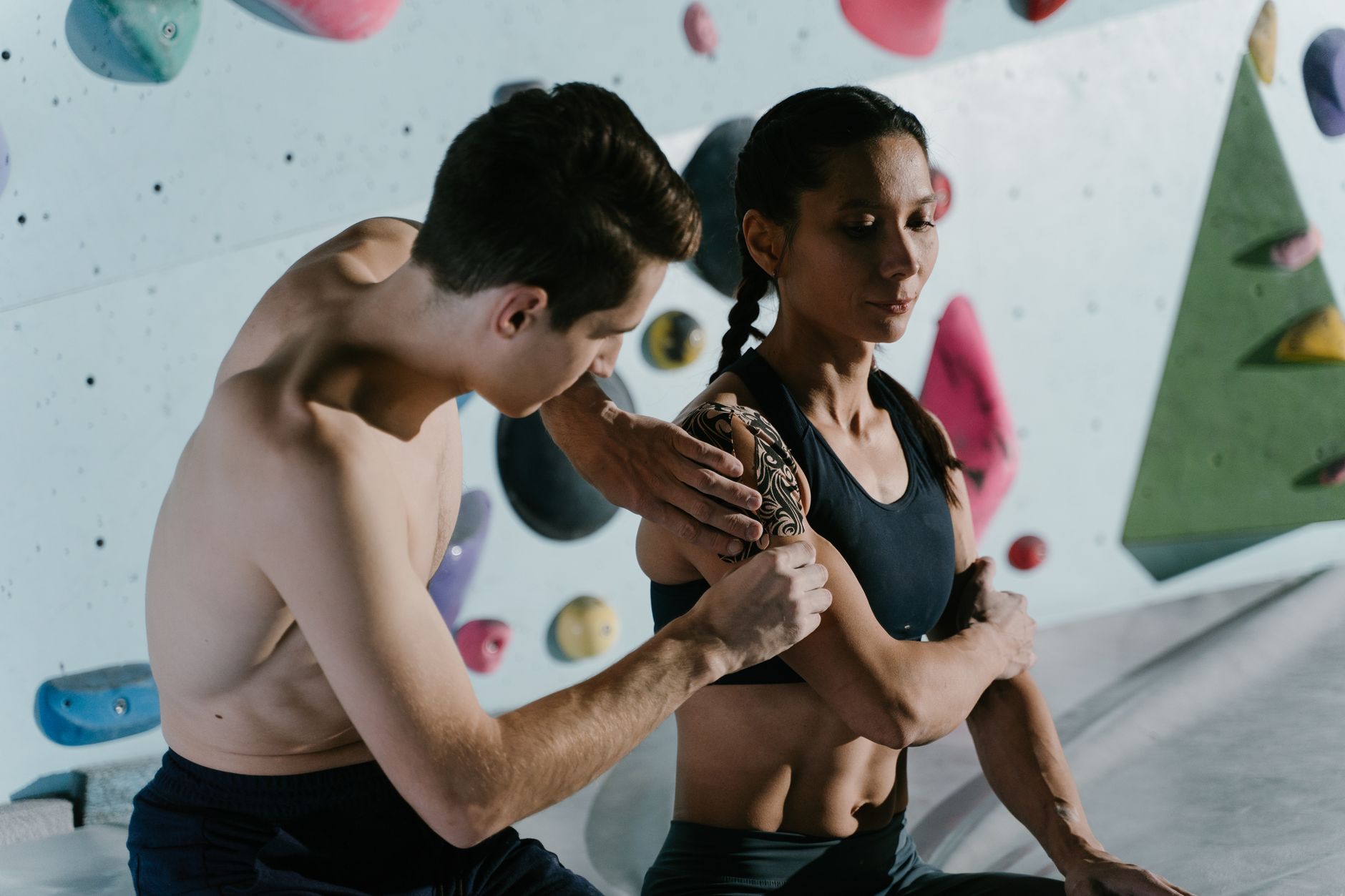
Photo by cottonbro studio
Tailoring H Tape for Your Sport’s Unique Demands
Match your H tape finger to the sport’s pull. Climbers crimp sharp edges, so cut narrow H strips, about half-inch wide. Place the center tight over the A2 pulley at the middle knuckle base. Wrap ends firm to hug the tendon. This fights overload on tiny holds. Dust with chalk after for extra stick and less slip.
Basketball demands wider tape, three-quarters inch or more. Jammed fingers need broad support for hard dribbles and blocks. Flex at the PIP joint, lay the H palm-side, and overlap wraps snug. It steadies the joint during fast twists. Skip chalk here; sweat kills it.
Gymnasts face bar torque, so blend H with a base anchor. Use medium width over stressed pulleys. Add a half-wrap around the base for grip flips. Test bends to keep motion free.
Always clean skin first. Reapply per session. In training, tape lets you hang boards or shoot free throws light. Games? Only if symptoms fade. These tweaks make tape work best for you.
Steer Clear of Risks and Explore Smarter Alternatives
H tape finger support helps during recovery, but it brings risks you can’t ignore. Tape too tight, and problems pile up fast. Use it smart, or skip it for better options. Let’s cover the pitfalls and paths that heal your pulley for good.
Key Risks That Can Derail Your Progress
Tight tape cuts blood flow. Fingers go numb, turn white, or tingle. Always pinch the nail bed. Color must return in two seconds. Loosen right away if not.
Skin takes a hit too. Constant taping irritates it, causes blisters, or pulls hairs on removal. Give skin breaks. Clean well before each use.
Overuse weakens your finger. Tape does the work, so pulleys don’t rebuild strength. Studies show fingers get frailer over time. You risk re-injury when you stop. Recent lab tests confirm H tape finger fails to prevent ruptures or stabilize bad tears.
False confidence tricks you. Pain fades, so you grip too hard. Tape slips in sweat or pulls, leaving you exposed. It won’t fix full ruptures or boost healthy fingers.
Build a Safe Wean-Off Plan
Don’t tape forever. Pulley strains heal in 2-6 weeks with rest. Start light hangs without tape after two weeks if pain drops. Cut sessions to every other day. Drop to half volume by week four. Full crimps come last, around eight weeks. Track pain daily. If it spikes, back off.
Better Ways to Heal Without Tape Reliance
Rest tops the list. Drop volume when fingers hurt. Ice and elevate to kill swelling.
Buddy taping works well. Link the sore finger to a strong one next door. It shares load without weakening.
Splints offer steady hold. They won’t shift like tape.
See a doctor or PT for bad pain. Get scans and rehab plans. X-tape or hybrids suit some, but pair with exercises.
Gradual climbs build real strength. Tape aids short-term, but these fix the root.
Conclusion
H tape finger support offers a quick fix for pulley strains in climbers, basketball players, and gymnasts. You learned how it presses tendons close to bone for pain relief and better grip feel. Studies back up to 22 percent less bowstringing, so you train light without full breaks. The steps stay simple: cut the H, flex at the PIP joint, wrap snug, and test circulation. Tailor it for your sport, watch for skin issues or numbness, and wean off as you heal.
Grab your tape and try it next session on a sore finger. Start with easy hangs or drills to build confidence. If pain sticks around or worsens, talk to a doctor or PT right away. They can check for tears and set up a full rehab plan.
Trends point to smarter tools ahead, like apps that guide perfect placement or hybrid braces for reuse. Pair tape with rest and exercises now, and you’ll dodge setbacks.
Back to Climbing Tape Review
Recommended Products for Trad Climbing
These products can support safer climbing, belaying, rappelling, and emergency readiness.
Affiliate disclosure: As an Amazon Associate, TradClimbers may earn from qualifying purchases at no additional cost to you.
Keep exploring helpful trad climbing, gear, safety, and technique resources.
- A Climber’s Guide to Rock Climbing in Thailand
- A Trad Climber’s Guide to the Isle of Skye Ridge
- Hueco Tanks Rock Climbing: hueco tanks rock climbing Essentials
- A Climber’s Guide to The Nose of El Capitan
- The Top 8 Unforgettable Climbing Routes El Capitan Has to Offer in 2026
- Yoga for Climbers: Boost Strength, Flexibility, and Recovery | yoga for climbers