
Back to Prusik Loop Tips
Pain shoots up your hand, but thanks to the finger safety tape you wrapped on earlier, it holds firm. No trip to the ER that night.
Finger safety tape is that flexible, self-sticking wrap climbers, grapplers, and woodworkers swear by. It shields your digits from sprains, cuts, and blisters while you grip holds, chokes, or saw handles. You’ll get joint support, better grip strength, and faster recovery from tweaks.
In climbing, it locks fingers during tough overhangs. BJJ folks use it to survive gi pulls and armbars. Woodworkers tape up to dodge tool slips and friction burns on thumbs.
This post breaks it down simply. You’ll learn what makes good tape, the best types for your needs, and how to pick the right one. Then we cover step-by-step taping methods, tips for each sport, and mistakes that cause more harm than good.
Grab some finger safety tape today. Protect those hands and keep crushing your sessions without the downtime.
Why Finger Safety Tape Deserves a Spot in Your Toolkit
You already know finger safety tape saves the day in tough spots. But let’s look closer at why this simple wrap belongs in every climber’s chalk bag, BJJ practitioner’s gym kit, and woodworker’s bench drawer. Made from flexible, self-adhering material, it sticks only to itself.
This means no sticky residue on your skin. It molds right to your fingers for snug support that moves with you. Use it for high-grip sports like climbing and BJJ, or woodworking tasks that risk cuts. It covers wounds, prevents skin picking, and keeps you training or building without breaks.
Here are five standout benefits backed by real use:
It stops sprains and jams. Climbers tape pulleys to handle crimps without tears. It props up joints and ligaments. BJJ players wrap for gi grips that pull hard. It builds grip strength. Limits finger flex so your forearms take over. It blocks cuts and scrapes. Woodworkers add a layer against sharp tools. It stays breathable and comfy. Sweat wicks away for hours of wear.
How Finger Safety Tape Provides Targeted Protection
Finger safety tape wraps tight yet comfy. It curbs bad bends but lets your fingers flex as needed. Think of it like a smart guardrail on a curve. The tape locks joints at risky angles without full stiffness.
Single wraps work solo on one finger. They focus support where you need it most, like a sore thumb. Buddy taping pairs fingers together. Tape a pinky to the ring finger for shared stability. This spreads force across two digits.
Thumbs get extra love in high-stress grips. They bear the load in climbs or chokes. Wrap them base to tip for solid hold.
In climbing, X-patterns or H-tapes shield pulleys. A study found H-taping cuts tendon bowstringing by 16 percent and boosts crimp strength 13 percent. BJJ grips stay safe from twists. No more hyperextended fingers mid-roll. Apply it pre-session, and it shifts stress to your wrists and forearms. You bend for control but dodge harm. That’s targeted work at its best.
Real-World Benefits That Keep You Going Stronger
Finger safety tape packs real punch. It prevents injuries like dislocations that sideline you for weeks. One climber told me he skipped a pulley tear on a steep boulder problem thanks to preemptive wraps. No ER visit, just send after send.
Grip enhancement cuts fatigue fast. Tape limits that last finger curl, so your forearms kick in stronger. Climbers report longer hangs on tiny holds. BJJ athletes hold gi collars deeper into rolls without shakeout.
For woodworking, it acts as a cut barrier. Wrap thumbs and pointers before chisel work or sawing. It blunts nicks from slips, keeping blood off your project.
Picture a grappler in a marathon tournament. Taped fingers shrug off armbar pressure. Sessions stretch longer with less pain. Woodworkers plane edges for hours sans blisters. Everyone builds endurance.
These perks stack up. You train harder, recover quicker, and stay consistent. Tape doesn’t replace strong fingers. Pair it with hangs or rolls for top results. Your hands thank you with every grip.
Exploring the Best Types of Finger Safety Tape
Finger safety tape comes in several styles. Each suits different needs in climbing, BJJ, or woodworking. Rigid types lock joints during hard pulls. Flexible ones allow movement for long sessions. Self-adhering wraps pull off clean. Narrow rolls from 0.3 to 1 inch fit fingers best. Check breathability, tearability, and grip texture. Here’s a quick look at top picks.
| Type | Pros | Cons | Best For | Widths |
|---|---|---|---|---|
| Zinc oxide rigid | Strong joint hold, textured grip, breathable | Low stretch, circulation risk if tight | Climbing crimps, BJJ grips | 0.3-0.5 inch |
| Rayon/cotton | Hand-tearable, compression without bulk | Loosens in heavy sweat | Bouldering, joint stability | 0.4-1 inch |
| Elastic adhesive (EAB) | Stretches for motion, water-resistant | Less rigid support | Dynamic rolls, saw work | 0.3-0.5 inch |
| Kinesiology | Boosts blood flow, very comfy | Weak for heavy loads | Recovery, long woodworking | 0.5-1 inch |
| Cohesive self-adhering | No skin residue, easy adjust | Slips in water | Quick wraps, tool handling | 0.5-1 inch |
Rigid Tapes for Maximum Joint Support
Zinc oxide tape delivers rock-solid hold. This white cotton style grips skin tight. It shines in BJJ for gi pulls or climbing crimps. Breathable weave lets sweat escape. Textured surface boosts friction on holds or mats. Brands like Hampton Adams Pro stick through tough sessions. Go for 0.3 to 0.5 inch widths. They wrap neat without bulk.
Rayon or cotton blends add immobilization too. Kaizenine or Fairtex TAP2 tear by hand. No scissors needed mid-climb. They compress pulleys well. Perfect for bouldering jams or BJJ armbar defense. Hypoallergenic picks suit sensitive skin. Drawback? They loosen if you sweat buckets. Retape as needed. These rigid options prevent tweaks. Your fingers stay straight under stress.
Flexible Options for All-Day Comfort
Elastic adhesive bandages stretch with you. Monkey Tape or Gold BJJ lead here. They conform to bends in rolls or chisel swings. Water-resistant build handles sweat or shop splashes. Joints breathe easy. No pins from stiffness. Use 0.3 to 0.5 inch rolls for thumbs or pointers. Great for dynamic BJJ moves. They shift force without restricting flow.
Kinesiology tape takes comfort further. It lifts skin for better circulation. Cotton lite versions stay put all day. Ideal for woodworking marathons. Fingers flex free during plane strokes or long climbs. Pricier, but worth it for recovery days. Cons include less punch for max grips. Pair with rigid tape for hybrids.
Cotton lite adds joint-friendly support. Breathable and light. Dynamic overhangs or extended shop time feel easy. You move natural. Fatigue drops. These flex tapes keep you in the game longer.
Self-Adhering Tapes That Won’t Stick to Skin
Cohesive tapes stick to themselves only. Finger Pro or Progress Pro pull off residue-free. Beginners love the no-mess remove. Textured layers grip tools or bars. Adjust on the fly. 0.5 to 1 inch widths work fast. Ideal for woodworking slips. No glue fights your skin.
They shine for quick BJJ wraps pre-roll. Layer for custom hold. Sweat weakens them less than rigid styles. Easy for thumbs on saw handles. Downside? Not the toughest for all-day abuse. Swap mid-session. These suit tools or no-gi. Clean hands mean back to work fast.
How to Choose Finger Safety Tape That Fits Your Needs
Picking the right finger safety tape starts with your activity. Do you climb steep walls, roll on the mats in BJJ, or handle sharp tools in the shop? Think about your skin too. Hairy hands call for underwrap to avoid pulls. High sweat means water-repellent picks.
Narrow widths suit fingers best. Ask yourself: Do you need rigid hold or stretch? Budget tape works for starters, but premium lasts longer. Test your grip after wrapping. Does it feel secure yet natural? Check for latex-free options and breathability to stay comfy. Sport-specific tapes shine, so match them close.
Matching Tape to Your Sport or Hobby
Start with climbing. You need rigid, non-stretch tape for pulley support. It locks fingers in X or H patterns during crimps and hangs. Brands like 8BPLUS or Metolius grip tight without residue. Friction Labs adds texture for holds. Tear to 0.5-inch strips. These prevent tears on boulders or routes.
BJJ demands flexible wraps. They move with gi pulls and armbars. Adapt climbing tape like Bighorn, torn thin, or elastic styles. Monkey Tape stretches for rolls without bulk. It shifts stress to forearms so you grip deeper.
Woodworking calls for thin cohesive tape. Self-sticking types like vet wrap protect from splinters and cuts. They cling to themselves, not tools or skin. No mess when you unwrap mid-project. Opt for 1-inch rolls that tear easy.
Pick based on your main pursuit. Climbers go rigid. BJJ picks flex. Woodworkers grab cohesive. Test a roll first to confirm fit.
Key Features to Look For Every Time
Focus on width first. 0.3 to 0.5 inches wraps fingers neat. Wider suits thumbs or quick covers.
Stickiness matters. High grip holds through sweat, but no skin residue. Avoid cheap tapes that rip or peel early.
Stretch varies by need. None for climbing locks. Some for BJJ flows. High in cohesive for crafts.
Durability keeps you going. Session-long tape resists tears. Breathable weaves cut blisters.
Latex-free suits allergies. Water-repellent fights sweat. Hand-tearable saves time.
Skip bargain bins. They shred under pull. Brands like 8BPLUS or Bighorn deliver. Your wraps stay strong, so you stay safe.
Step-by-Step: Perfect Ways to Apply Finger Safety Tape
Ready to wrap like a pro? Start with clean, dry fingers. Skip lotion or oils that make tape slip. Grab finger safety tape in 1/2-inch or 1-inch widths, like zinc oxide for grip strength. Cut strips 8 to 12 inches long. Add pre-wrap foam if your skin gets irritated. These steps work for climbing crimps, BJJ grips, or woodworking tools. Always test after: flex fingers freely, squeeze a fist, and check no numbness. Now let’s nail the basics.
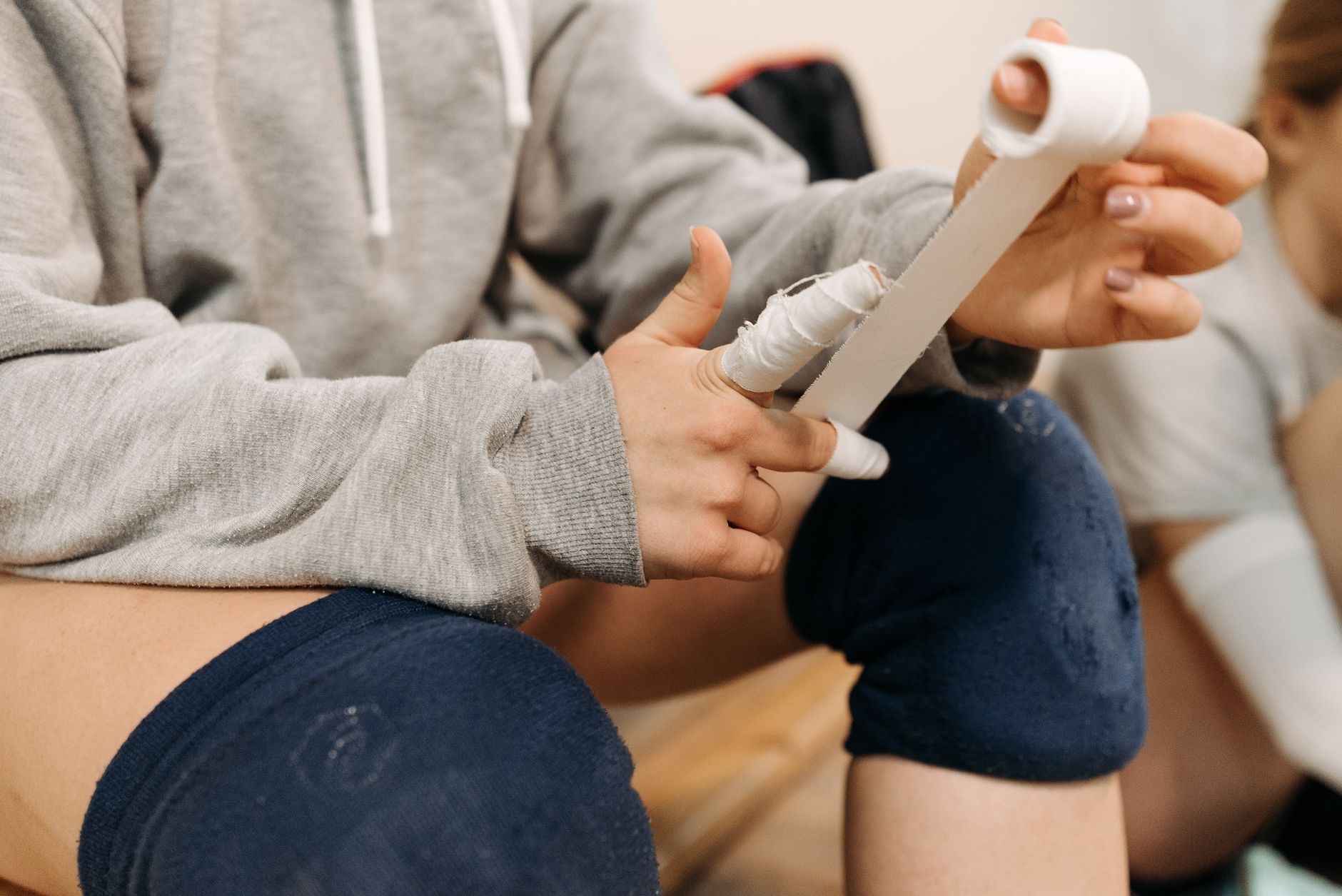
Photo by Pavel Danilyuk
Basic Single-Finger and Buddy Taping Basics
Single-finger taping shields one digit from pulley strains or jams. It leaves the tip free for feel. Follow these steps for base-to-tip coverage with joints mobile.
- Anchor at the base. Wrap above the palm knuckle two to three times. This hits the second pulley.
- Cross the middle. Palm up, run tape under the finger pad and over to the opposite side below the nail. Target third and fourth pulleys.
- Loop the top. Wrap near the nail two to three times for the fifth pulley.
- Cross back. Return tape over the middle to form an X on the palm side.
- Repeat once or twice. Finish with an anchor wrap at the base.
Buddy taping splints a hurt finger to its neighbor for shared support. Align them straight and close.
- Wrap both bases. Cover above the knuckles two to three times. Focus on the injured one’s second pulley.
- Wrap the top joints. Go near the nails two to three times. Protect the sore knuckle.
- Add a figure-8 if needed. Loop one finger, cross to the other, and repeat twice between joints.
- Test spread. Fingers should resist but still flex a bit.
These methods keep you safe in pulls or slips. Retape every session or if it loosens.
Tension Tricks for Secure, Comfortable Fit
Get the pull right: snug like a firm handshake, not a vice grip. Too tight blocks blood flow; too loose lets it shift. Aim for 50 percent overlap on each wrap. This builds smooth coverage without bulk.
Feel these tests to confirm fit. Bend each joint fully. Tape should move without tugging. Squeeze your fist hard. It holds firm with no pinch. Grip a bar, gi, or tool for five to ten minutes. No slip or color change means good to go. Purple tint? Loosen right away.
You adjust on the fly. Start lighter for long woodworking shifts. Pull firmer for climbing hangs. Practice on your off hand first. That way, your wraps stay secure and comfy all session.
Special Thumb Taping for Grip-Heavy Activities
Thumbs take a beating in BJJ chokes, climbing pinches, or hammer swings. Use the H-method for solid stability at the base joint.
- Anchor the base. Wrap near the wrist two times on the thumb base.
- Run the vertical bar. Go straight up the palm side to the tip.
- Add the first crossbar. Halfway up, wrap horizontally across the thumb to the hand and back.
- Add the second crossbar. Near the tip, repeat the horizontal wrap.
- Return to base. Form the full H on the palm side. Add an X for extra hold.
For figure-8 on thumbs, start at the base with two wraps. Loop over the top joint, under to the side, then cross back. Repeat two to three times with 50 percent overlap. End at the base.
Test by pinching hard. Thumbs flex but stay locked. These keep your opposition grips strong without bulk. Perfect for those grip-intensive days.
Tailored Taping Techniques for Climbing, BJJ, and Woodworking
You have the basics down from those general wraps. Now tailor your finger safety tape to your sport. Climbers protect pulleys on steep crimps. BJJ folks build grips that endure long rolls. Woodworkers add slim guards against blade slips. These methods use minimal tape. They support without slowing you down. Practice them dry first. Feel the difference in your next session.
Climbing Pulley Protection with H-Tape
H-tape targets your A2 and A4 pulleys. These spots take the brunt in crimps and hangs. The shape forms a clean H on your palm side. It locks joints without extra bulk that kills feel on holds.
Start at the base knuckle. Wrap twice for anchor. Run tape straight up the palm to the tip. That’s your vertical bar. Halfway up, add a horizontal crossbar. Wrap around the finger to the back of your hand and return. Near the tip, add another horizontal bar the same way. Finish by running back to the base. The H cradles the pulleys. It spreads force across the finger.
This works because it mimics pulley paths. No bunching means full crimp power. You hang longer on tiny edges. Sweat won’t loosen it if you pick zinc oxide tape. Test on campus board pulls. Adjust tension so fingers flex but resist full curl. One layer does the job. Skip it on slabs where feel rules.
BJJ Grip Wraps That Last Through Rolls
Figure-8 loops fight grip fatigue in gi pulls and armbars. They cross knuckles for deep hold. Tape stays put through sweaty rolls. Your forearms lead while fingers tag along.
Pick your pointer and middle fingers. Anchor at the base with two wraps above the palm knuckle. Loop tape over the top joint. Cross under to the opposite side at the knuckle. Pull back over the top for the eight shape. Repeat twice between each joint. Add a knuckle cross: run tape flat across both knuckles, then anchor down. Cover the tips lightly.
The loop shifts stress from finger extensors. Knuckle cross adds friction for collar grips. You hold lasso guard without shakeout. Elastic tape adapts to twists. In no-gi, lighten it for speed. Practice on a heavy bag. Grip for five minutes. No burn means it’s right. These wraps let you roll three rounds strong. Retape between if sweat builds.
Woodworking Wraps to Dodge Blade Mishaps
Slim single layers keep feel sharp on chisels and saws. Cohesive tape clings without glue mess. It blocks nicks yet lets you sense wood grain.
Use 0.5-inch cohesive rolls. Wrap thumbs and indexes once from base to tip. Overlap 50 percent. No anchors; it sticks to itself. For pointers on table saws, add a figure-8 at the middle joint. Cross palm side only. Skip full coverage on pinkies unless carving.
Minimal layers preserve touch. You guide blades precise without slips. Cohesive choices peel clean from tools. Sweat or sawdust won’t budge them. Test by planing scrap. Feel should match bare hands. Add pre-wrap if hair pulls. One layer stops splinters cold. Refresh mid-project. Stay cut-free and focused.
Steer Clear of These Common Finger Taping Mistakes
You’ve nailed the taping basics and sport-specific wraps. Now dodge the pitfalls that turn finger safety tape into a hassle. Wrap too tight, pick the wrong type, or skip prep work, and you risk numbness, slips, or skin rash. Climbers face pulley strain from bulk. BJJ players deal with peels mid-roll. Woodworkers fight irritation from dust. Spot these errors early. Fix them quick to keep your hands safe and strong. Retape after hard pulls or sweat buildup. Always check for numbness before starting.
Fixing Overly Tight Wraps and Circulation Woes
Pull your tape too snug, and blood flow drops. Fingers turn numb, tingly, or blue at the tips. You see this in climbing crimps or BJJ gi tugs when you crank for extra hold. Woodworkers notice it during long chisel sessions. Bad wraps mimic a vice on your digits.
Ease up right away. Slide a finger under the edge; it should fit with no fight. Colors stay pink, and you feel all joints. Cut the tape off if needed. Redo looser: anchor light at the base, use 50 percent overlap, and test a fist squeeze. No pinch means you win. Practice on your off hand. Fingers flex free, but support holds. Retape every hour in sweat or after big efforts. Loose fits prevent woes and let you grip all day.
Picking the Wrong Tape Type and Why It Fails
Grab stretchy kinesio tape for rigid needs, and it flops. Climbing pulleys slip in crimps. BJJ grips loosen on armbars. Woodworking thumbs shift on saws. Stretch fails under hard pulls; it lacks lock.
Swap to non-stretch zinc oxide tape. Tear it to 0.3 to 0.5 inches for fingers. It grips tight, breathes well, and stays put. Test it: crimp a hold or tug a gi. No slide confirms it’s right. Rigid styles like Hampton Adams shine for climbers and grapplers. Elastic suits recovery only. Match type to task, and your wraps last sessions long. Ditch mismatches now.
Other Slip-Ups Like Bulk and Skin Irritation
Dirty or sweaty skin makes tape peel fast. Hair pulls cause rashes without underwrap. Excess overlap bulks fingers stiff. Full joint covers kill flex for precision work.
Clean hands first: wash with soap, dry full, trim hair short. Add thin underwrap or foam for cushion. Limit overlap to half; lay strips flat. Skip full wraps; use X or H patterns that cover two-thirds max. These keep bulk low and skin happy.
Run this quick checklist before taping:
- Skin dry and clean?
- Right tape for your sport?
- Tension snug, not tight?
- Underwrap on hairy spots?
- Patterns leave joints mobile?
Fix slips on the spot. Retape mid-session if it bunches or peels. Clean hands stay protected. Your fingers thank you with every pull or cut.
Conclusion
Finger safety tape keeps your hands ready for anything. You now know the top benefits like joint support, better grips, and cut protection. Rigid zinc oxide works best for climbing crimps and BJJ pulls. Flexible or self-adhering types shine in woodworking or long rolls. Master H-tapes, figure-8s, and buddy wraps for each sport. Skip tight fits, wrong tape choices, or bulk that kills feel.
Grab a roll of finger safety tape today. Brands like Hampton Adams or Monkey Tape start you right. Practice these wraps on your off hand this week. Test them in your next climb, roll, or shop session. Protect those fingers now and cut downtime to zero.
Back to Climbing Tape Review
Recommended Products for Bouldering
These products can support safer climbing, belaying, rappelling, and emergency readiness.
Affiliate disclosure: As an Amazon Associate, TradClimbers may earn from qualifying purchases at no additional cost to you.
Keep exploring helpful trad climbing, gear, safety, and technique resources.
- A Climber’s Guide to Rock Climbing in Thailand
- A Trad Climber’s Guide to the Isle of Skye Ridge
- Hueco Tanks Rock Climbing: hueco tanks rock climbing Essentials
- A Climber’s Guide to The Nose of El Capitan
- The Top 8 Unforgettable Climbing Routes El Capitan Has to Offer in 2026
- Yoga for Climbers: Boost Strength, Flexibility, and Recovery | yoga for climbers