
Petzl Cordex Gloves Overview
Back to Trad Climbing Gear Slings
You’ve taken a rope burn to the palm, scorched your hands on a hot rappel, or ended a belay session with torn skin. These issues hit hard during long days on the crag or at work. You need gear that protects without slowing you down.
Petzl Cordex gloves solve that. They’re lightweight full-finger rope gloves for climbing and rope work.
They shine with dexterity and protection. Goat leather palms and double layers in high-wear spots hold up to abuse. Stretchy backs keep your hands cool and mobile.
They’re perfect for belaying, rappelling, guiding, rescue ops, and tower work. Climbers and pros grab them for precise rope handling.
They don’t work in wet conditions or extreme cold, though. No waterproofing here. This guide breaks down sizing, fit tips, and real-world climbing use so you pick the right pair.
What makes Petzl Cordex gloves different from regular work gloves
Petzl Cordex gloves set themselves apart from basic work gloves right from the start. Regular work gloves handle rough jobs like digging or hauling, but they often feel stiff and bulky on the rope. These gloves use targeted materials for climbing tasks. Think double-layer goat leather in high-wear spots, a stretch nylon back for movement, and a neoprene cuff with Velcro and a clip hole. They offer an ergonomic fit that boosts dexterity for belay devices, knots, and carabiners. You get pro-level protection with CE EN 21420 and EN 388 certifications for abrasion and cuts. Regular gloves skip these climbing-specific details. The result? Hands that stay protected yet nimble during long belays or rappels.
Double-layer goat leather where ropes grind the most
Ropes chew through gloves fast if you skimp on tough spots. Petzl Cordex gloves fix that with double-layer goat leather right where it matters: the palm, fingertips, and the web between your thumb and index finger.
Goat leather feels soft against your skin, yet it stands up to constant friction. That palm reinforcement takes the brunt of rope pulls during belays. Fingertips get extra padding so you pinch and control without wearing thin. The thumb-index area? Ropes slide and grind there most, so the double layer prevents quick breakdowns.
This setup delivers real perks. Gloves last longer through multi-pitch days or guide shifts. You avoid hot spots that form from uneven wear and lead to blisters. Grip improves too; the leather molds to the rope for confident handling without slips. Regular work gloves might cover the palm, but they ignore these precise zones. You end up with torn leather or numb fingers by lunch.
Breathable stretch back so your hands can still move
Hot hands mean sweaty slips on the rope. The stretch nylon back on Petzl Cordex gloves changes that. It lets air flow to keep you cool and dry in warm weather.
This flexible back moves with you. Clip carabiners without bulk slowing your fingers. Tie knots or feed rope through devices with ease. Thinner material boosts feel for subtle adjustments, like catching a slight tug on belay. Sure, it trades some warmth for that dexterity; pair them with liners if temps drop.
Regular work gloves use thick fabric backs that trap heat and limit motion. You fight stiffness just to rack gear. Here, your hands stay agile. Picture threading a figure-eight knot mid-route; these gloves make it feel natural, not forced.
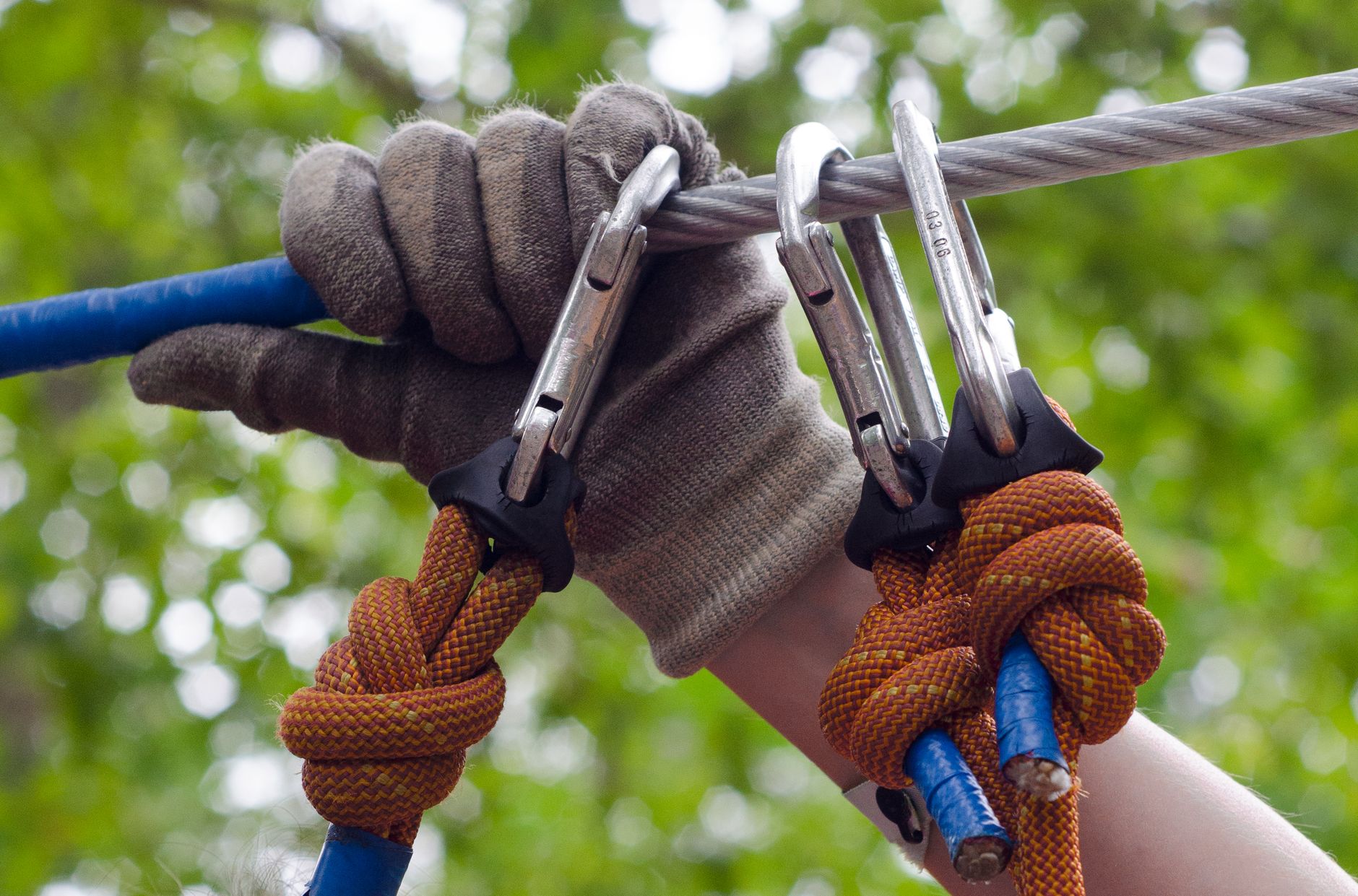
Photo by ClickerHappy
Cuff, Velcro closure, and clip hole for daily climbing routines
Nothing kills flow like a glove slipping mid-belay. The neoprene cuff with Velcro on Petzl Cordex gloves locks everything in place. It hugs your wrist snug without pinching, so the glove stays put during dynamic pulls or rappels.
That secure fit matters when you’re lowering a climber or hauling loads. No fumbling to readjust. The built-in clip hole shines here too. Thread a carabiner through it, rack the gloves on your harness, and they’re always handy. Quick on and off at belay stations? Simple; peel the Velcro and go.
Regular work gloves lack this system. They bunch up or fall off at bad moments. These features fit your routine: clip them off-route, grab for a rappel, done. Dexterity stays high for clipping draws or managing slings. Over time, you build trust in gear that just works.
Picking the right size and fit so you do not lose dexterity
Petzl Cordex gloves keep your hands nimble for belays and rappels, but only if the size fits right. A poor choice kills control and invites blisters. These gloves run true to size, with pairs weighing about 100 to 120 grams depending on your pick. Go snug for sharp rope feel, or add a bit of room if you layer liners or chase all-day comfort. Some climbers size down one for max grip, but skip that if it cuts circulation. Nail the fit, and you handle ropes like bare hands.
A quick at-home measurement you can do in one minute
Grab a soft tape measure or string and get your number fast. This checks hand circumference around the knuckles, excluding your thumb. It matches Petzl’s chart perfectly.
Follow these steps:
- Make a loose fist to spread your knuckles.
- Wrap the tape snug around the widest knuckle spot, keeping it flat.
- Note the measurement in centimeters.
- Check both hands and use the larger one.
Match it here:
| Size | Hand Circumference (cm) |
|---|---|
| XS | 19 |
| S | 20 |
| M | 21.5 |
| L | 23 |
| XL | 24.5 |
Stuck between sizes? Pick based on your routine. Go smaller for rappel-heavy days when you need ironclad brake-hand bite. Choose larger for casual belays or if your hands run wide. Narrow palms suit the snug side; thicker shapes need extra space.
How tight is too tight for belay and rappel gloves
You want feedback from the rope, not pain. A snug fit boosts control on Petzl Cordex gloves, but too tight spells trouble. Watch for these red flags:
- Fingertips pull away from the ends when you spread your hand.
- Numbness creeps in after 10 minutes.
- You struggle to close your fist fully.
- Velcro barely meets at the cuff.
These cut dexterity fast. Blood flow drops, and rope slips become real risks on descents. Ease up a half size if this hits.
Too loose wastes your money too. Fabric bunches in the palm during pulls. Fingers twist inside as you clip or knot. Brake-hand precision fades; you second-guess every feed. Thumbs flop on smaller hands, killing pinch grip. Test by belaying a loop of rope at home. If it shifts, size down.
Stick to snug overall. It molds quick and locks in feel for multi-pitch trust.
Break-in time, comfort hot spots, and what to do about them
Petzl Cordex gloves use soft goat leather that breaks in after one or two sessions. The double layers in palms and fingertips soften without losing toughness. You feel it right away on ropes.
Hot spots pop up at first: thumb webbing rubs on heavy pulls, or cuffs chafe wrists. Stop if you sense friction mid-use. Adjust the Velcro looser and flex your hand.
Keep comfort simple with these habits:
- Dry them fully after wet routes; damp leather stiffens.
- Skip oils or conditioners; they slick up grip.
- Air them out post-climb, away from direct sun.
Do this, and they form to your shape. No more raw spots by session three. Your hands stay cool and ready through long days.
How to use Petzl Cordex gloves in real climbing and rope work
Petzl Cordex gloves turn rope handling from a skin-risk chore into a confident task. You keep full control while they shield against burns and friction. Climbers and pros swear by them for belays, rappels, and hauls because the goat leather grips ropes clean without bulk. Just remember, they prevent rope burns but demand your solid technique. No glove replaces brake-hand discipline. Pair them right with your setup, and they fit everyday climbs or jobs. Let’s look at key uses.
Belaying with gloves without losing rope control
Petzl Cordex gloves let you belay smooth and firm. The leather palm feeds rope easy through devices like GriGris or ATCs. You hold a strong grip on skinny ropes too; that double layer stops slips under load.
New ropes feel slick at first, so tweak your device. Add a twist or extra carabiner for friction if needed. The gloves mold fast, so rope glides when you pay out but locks on pulls.
Practice matters. If you’re new to gloves, clip a loop at ground level first. Feel the feedback. Test catches and feeds. Climbers note it takes one session to adjust, then it boosts security. Your hands stay cool thanks to the breathable back, no sweaty palms mid-belay.
Rappelling: managing heat, speed, and long descents
Rappels generate serious heat from rope and device friction. Petzl Cordex gloves save your skin on those burns. The palm takes the heat; you brake steady without raw palms.
Keep your brake hand low always. Let the rope run over it smooth. Speed up? Add wraps or a prusik for extra bite. Never grab above the device; that yanks you off line.
Long descents test them best. Thicker gloves suit super-fast or multi-stage raps, but these handle most with dexterity intact. Climbers love them post-cleaning routes; no gear swap needed. On hot days, the stretch back vents sweat. They are not waterproof, so skip wet rappels or dry them quick after.
Multipitch and guiding: keeping gloves handy between pitches
Multipitch means constant transitions. Clip Petzl Cordex gloves to your harness via the cuff hole. They dangle ready at every station. No digging in packs.
At belays, slap them on for anchors, knots, or lowering. Peel Velcro, rack draws, tie in fast. Breathable backs help on sunny slabs; your hands don’t overheat between pitches. Guides carry them full-time now; one forgot theirs and felt naked.
Quick swaps build rhythm. Handle slings or equalize stations without fumbling. On warm rock, that nylon vents air. They shine in trad or sport multipitch, but pull them for pure scrambling if dexterity dips.
Work and rescue tasks: when Cordex shines and when it does not
Petzl Cordex gloves excel at rope-heavy jobs. Haul bags with solid palm grip. Lower loads precise. Tower work or arborist tasks? They manage coils and pulls without bulk.
Rescue ops too: rig anchors, handle prusiks, or improvise lowers. Dexterity lets you clip and knot under stress. Double leather lasts through shifts; pairs hold years in pro use.
Know the limits. They are not cut-proof for sharp edges. Skip chemicals; leather soaks them up. No winter duty; pair with liners max, as they lack insulation. Wet ropes ruin grip fast. For tough hauls, the thumb web reinforcement takes abuse. Climbers use them big-wall cleaning too. Pick tasks that need rope feel over heavy armor.
Durability, care, and smart alternatives if Cordex is not the right match
Petzl Cordex gloves punch above their weight in durability for such a light design. Users push them through regular belays, rappels, and climbs for two to three years before heavy wear sets in. That double-layer goat leather in palms, fingertips, and the thumb-index web handles rope friction well. You get strong grip and dexterity without bulk. Still, they are not indestructible or waterproof; wet ropes soften the leather and cut life short. Proper checks and care keep them going strong. If they do not fit your needs, smart swaps exist.
How long they last, and the early signs it is time to replace them
Expect Petzl Cordex gloves to last two to three years with steady use like weekly climbs or guiding shifts. One climber ran a pair through scrambling and rope work that long before grabbing a new set. Another saw palm stitching hold after two years of fast rappels. The goat leather shines here; it molds to your hand and grips skinny ropes without quick tears.
Watch these spots for trouble first:
- Palms: Leather wears thin or develops holes from constant pulls.
- Fingertips: Double layer thins out, letting rope heat through.
- Thumb-index web: Seams fail or slick spots form from pinch grips.
Inspect after every big day. Look for slick palms that drop rope control, failed seams, or outright holes. If grip feels off, retire them for climbing right away. Safety trumps sentiment; a compromised glove risks slips on descents. Many keep worn pairs for yard work, but swap for ropes.
Cleaning and drying without ruining the leather
Dirt builds up fast on Petzl Cordex gloves, but a quick routine keeps the leather supple. Start by brushing off loose grit with a soft brush. Then wipe palms and fingers with a damp cloth and mild soap in lukewarm water. Scrub gently; focus on sweaty cuffs. Rinse under cool water until suds gone.
Air dry them slow in a shady spot. Hang by the cuff or stuff with newspaper to hold shape. Skip heaters, dryers, or sun; heat cracks leather. Once dry, clip them to your harness via the hole for storage. Keep Velcro brushed free of snags to avoid fabric pulls. Skip conditioners; they slick the grip. Users say this method keeps pairs fresh through seasons, no stiffening.
Choosing Cordex vs Cordex Plus vs other belay gloves
Petzl Cordex gloves suit most with their light weight and breathability. Pick them for hot days, quick belays, or crack work where dexterity rules. Need more? Step to Cordex Plus for padded palms and leather backs that block rope heat on long rappels.
Here is a simple guide:
| Glove Type | Best For | Key Trade-off |
|---|---|---|
| Cordex | Everyday belay, dexterity-focused climbs | Less padding for extreme heat |
| Cordex Plus | Long lowers, big walls | Adds weight (140g vs 115g) |
| Thicker options (e.g., Black Diamond Crag full) | Heavy protection, all-day rope abuse | Cuts some feel |
| Thinner minimalist (e.g., half-finger Crag or Ocun Crack) | Max rope sense, gym tasks | Shorter life, less coverage |
Go thicker for big-wall lowering where heat builds. Thin styles fit knot-tying or light touch but wear faster. Test in your setup; Cordex hits the sweet spot for many.
Conclusion
Petzl Cordex gloves fit climbers who crave dexterity paired with solid palm protection for belays and rappels. They deliver on everyday rope work without the bulk of heavy gloves.
Key strengths stand out. Double-layer goat leather shields high-wear zones like palms, fingertips, and thumb-index webs. The breathable stretch back keeps hands cool and mobile. A secure neoprene cuff with Velcro locks them in place, and the clip hole lets you rack them on your harness for quick access.
They have limits too. No waterproofing means skip wet routes. They lack insulation for cold days, so add liners. For very long rappels with intense heat, thicker options like Cordex Plus provide more padding.
Grab Petzl Cordex gloves if your setup matches. Measure your hand, check the chart, and test a snug fit at home.
Quick checklist before you buy:
- What’s your main use: belay, rappel, or multipitch?
- Expected temperatures: warm or chilly?
- How long are your rappels: short or marathon descents?
- Do you prefer max feel or extra padding?
Back to Crack Gloves
Recommended Products for Trad Climbing
These products can support safer climbing, belaying, rappelling, and emergency readiness.
Affiliate disclosure: As an Amazon Associate, TradClimbers may earn from qualifying purchases at no additional cost to you.