
Trad Climbing Rope Drag Solutions for Smoother Leads
Picture this: you’re halfway up a burly crack on Priest Draw, fingers jammed deep, but every move upward feels like wrestling an invisible anchor. Your rope snakes back and forth across the rock, yanking hard against steep terrain. It’s rope drag in full force, rubbing against ledges and snagging gear, turning a fun lead into a pump-fest.
Rope drag happens when the line between your protection points zigzags instead of running straight. This friction fights your progress, wears on the sheath, and can even shock-load cams during falls. On wandering trad routes, it steals your energy fast.
Good news, though. You’ll discover practical trad climbing rope drag solutions here that make leads smoother and safer. These tips cut friction so you clip with confidence.
Start with straight placements to keep the rope path direct. Clip extended draws or slings on corners and roofs to push carabiners away from edges. Use longer slings over stacking short ones. Manage slack from the belay below to avoid belly-button pulls. Opt for thinner ropes that glide better.
You’ll climb faster, save your forearms from extra pump, and catch falls cleaner. No more wrestling the rope mid crux.
These fixes come from real-world sends on granite and sandstone, plus the latest gear insights. Stick around, and your next trad rack will feel lighter already.
Why Rope Drag Slows You Down in Trad Climbing
Imagine cranking through a hand crack on a sunny desert tower. Your hands lock in perfectly, feet smear up. Then you pull for the next jam, and the rope yanks you backward like a stubborn dog on a leash. That’s rope drag at work, turning smooth moves into a battle.
It starts with zigzag protection placements. On wandering face climbs, cams offset left then right create bends in the rope line. Tight clips over sharp rock edges add rub points. Extra slings stacked short bunch up friction. In cracks, gear behind flakes pulls sideways. Each turn multiplies drag.
The toll hits quick. Your arms pump faster from hauling dead weight. Progress slows as every clip fights resistance. Falls get messy; uneven drag shock-loads lower pieces first, risking whips into corners. One climber noted on forums that long pitches with 20 placements make pulling slack feel twice as heavy, forcing mid-pitch belays.
Spot drag early with this tip: glance back every few moves. A straight run means good flow. Curves spell trouble. Check out Petzl’s take on poor rope drag consequences for fall risks.
Spotting Rope Drag Before It Hits Hard
Look for visual cues first. Does the rope curve sharply behind you? Pulls sideways from pro? Those bends scream friction ahead.
Feel it in your hands too. Sudden tugs when clipping signal building drag. Moving up gets jerky, like towing a sled uphill.
Pause mid-pitch and check with these steps:
- Clip a sling to a solid cam below.
- Pull 2-3 feet of slack through. Smooth glide? You’re fine.
- Tug harder. Resistance means redirect gear now.
- Scan the rope path. Straighten bends with extends.
Catch it here, and you’ll save energy for the top. No surprises halfway up.
Master Straight-Line Gear Placements to Cut Drag
Place your cams, nuts, and stoppers in a straight line up the rock face. This keeps the rope running direct from belay to you, slashing friction that builds on zigzags. Those bends pull sideways, turning every move into a tug-of-war. Your arms burn extra, slack fights you on clips, and falls whip unevenly into walls.
Read the route’s natural weakness first. Follow the cleanest crack or seam. Skip side pulls that force offsets. Use passive nuts in shallow spots for quick, straight sets. Picture gear like beads on a string, aligned tight.
Take Y Crack in Yosemite. Its finger crack runs laser-straight. Slot cams from #0.3 to #1, every 10 feet. The rope glides free, no snags on flakes. Check the route details on Mountain Project. Leads feel effortless, pulls smooth.
Benefits stack up. You clip faster, save forearm pump, and catch falls even. Gear holds firm without sideways yank.
When to Skip a Clip for Zero Friction
Skip every other piece when the line stays straight. On splitter cracks, one solid cam protects 15 feet fine if rock quality holds. Safety rules first: never skip if runouts exceed your comfort or rock flakes loose.
On wandering lines like mixed face and crack, test the path. Pull slack after a placement. Smooth? Skip the next tempting pod. Example: a dihedral roam pulls left then right. Place in the main groove, ignore offsets. Rope stays direct.
Pros: Zero added drag, lighter rack feel, quicker ascent.
Cons: Longer gaps raise fall risk; always back it with belay sight.
This selective clip cuts friction to nothing. See ClimbingTechniques.org on preventing rope drag for visuals.
Choose the Right Pro Sizes for Clean Runs
Build your rack around sizes that hug the line, not force bad spots. Oversized cams walk sideways, bend the rope bad. Carry singles or doubles in popular finger-to-hand range: think Black Diamond 0.4 to #3 Camalots.
For 2026 lightweight gear, grab Edelrid Photon quickdraws at 91 grams each. Pair with slim cams like the new Ohmega carabiners. Rack tip: four each of #0.5, #0.75, #1, #2; doubles below #1 for cracks. Add 10 nuts for tips.
Avoid the trap of big cams in thin features. They torque out under drag. Test fit before lead: snug, no wiggle.
Smart racks glide the rope clean. Builds trust on lead. Black Diamond’s first trad rack guide nails the basics.
Gear Choices That Slash Rope Drag Instantly
Extended quickdraws and double-length slings rank among the best trad climbing rope drag solutions. They push the rope away from sharp ledges and roofs, so it glides straight instead of grinding against rock. Stock draws hug gear tight, forcing rubs on edges. Extended versions add 12 to 24 inches of space, keeping clips clean over bumps. You trade a bit of weight, say 20 grams per draw, for huge gains in flow and rope life. On a 30-meter pitch, that’s less pump and smoother pulls.
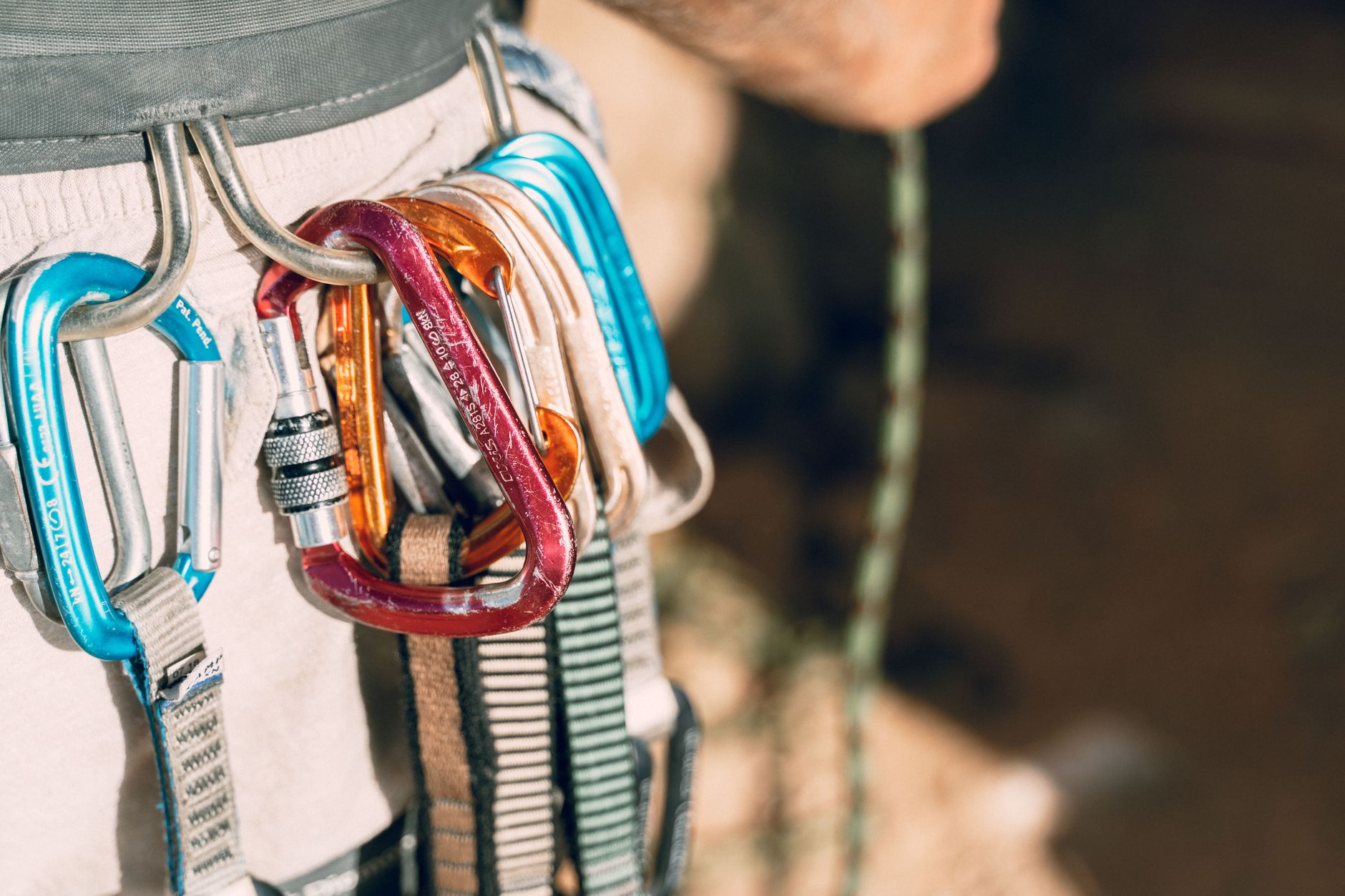
Photo by Liam Moore
Premade alpine draws shine here. Grab the DMM Wisp (new for 2026) in 18 cm for light trad packs at under 100 grams. Or Trango Phase Alpine for durable flex. Pair four alpine draws with six double slings on roofs. See Trail and Crag’s guide on extending trad gear for visuals.
Extend Draws and Slings the Smart Way
Rack extended gear right to avoid snags. Start with these steps:
- Clip the bottom carabiner to your gear loop, spine out.
- Fold the sling neatly; tuck the top carabiner into the bottom for no twists.
- Use a double-overhand knot for custom lengths on slings, trim tails short.
Best combos for trad racks: Eight 12-inch extends for face clips, six 24-inch alpine draws for roofs, four double slings (120 cm) for big ledges. Rack draws on shoulders, slings on hips.
Spot twists on the ground. Hang your rack, pull slack through a mock clip. Rope binds? Refold. Test by clipping a stick as pro; smooth pull means ready. This setup cuts drag on wanders like dihedrals. Check Climbing.com on why extend draws for more.
Weights stay low: alpine draws add just 80 grams total versus stock. Your leads zip up.
Belay Smarts for Drag-Free Pitches Above
Your partner blasts off on the next pitch, but a messy rope pile below turns smooth pulls into snarls. Smart belay management keeps the line feeding clean, slashing drag that builds halfway up. Stack ropes on wide ledges, coil tight on steep walls, or clip loops for tiny stances. These trad climbing rope drag solutions speed the team and cut tangles. Picture your leader flying free while you feed slack without fights.
Stack, Coil, or Clip: Pick the Best Method
Choose your setup by stance size and terrain. On wide ledges, stack the rope in neat piles at your feet. Flake it fully first: pull all slack through the belay device, then pile coils shoulder-width apart. Your partner stands over the stack to avoid snags. Pros: zero twists, fast feeds. Cons: eats space; wind scatters loose ends. Safety first: anchor piles away from cracks.
Steep walls demand coils. Drape loops over your knee or a carabiner on the anchor. Drop the end through a large locker for controlled pay-out. Pros: compact, no ground drag. Cons: knots form if you rush. Visual: coils like a fire hose, ready to unwind straight.
Tiny belays? Clip every 10 feet of rope to a big carabiner on your harness or anchor. Pros: tangle-proof, quick clips. Cons: slight added weight. See Peak Mountaineering’s rope tips for stance photos. Pick right, and drag drops 30 percent on long leads.
Backup Knots Keep Things Tangle-Free
Tie figure-8 backups every 10-20 feet in your pile or coils. Grab a fist of rope, twist into a loose loop, pass the end through, and clip it to your belay loop or anchor carabiner. Dress tight, tails 6 inches.
These knots prevent hanks from forming, so slack feeds smooth. Tests show they cut drag buildup by half; no knots mean even pulls to the top. Build the habit: tie one per arm’s reach while flaking. Your partner clips without yanks, and teams rap faster. Simple fix for smoother multi-pitch days.
Avoid These Drag Traps on Your Next Trad Lead
You clip solid gear all day, yet the rope fights you like a coiled snake. These trad climbing rope drag solutions spotlight four sneaky pitfalls that trap leaders on wandering pitches. Spot them, fix them quick, and keep your flow.
Over-Clipping Every Pod
You jam a cam in every crack, thinking more pro means safer. But extra pieces zigzag the line, stacking friction that yanks on crux moves. Your arms burn double.
Quick fix: Clip every 10-15 feet max. Test slack pull; smooth means skip the next spot. Safety stays high on quality rock.
Stacking Short Slings
Short draws rub edges raw. You stack two or three, but they bunch up, grinding sheath life away on roofs.
Quick fix: Swap for one extended 24-inch sling. Push the rope clear; watch drag vanish on ledges. Petzl’s quick tips video shows the extend technique.
Messy Belay Piles Below
Your belayer flakes loose, knots form halfway up. Slack feeds jerky, pulling you off balance mid-jam.
Quick fix: Demand neat stacks or knee coils. Tie backup figure-8s every 10 feet. Feeds stay tangle-free.
Rack Imbalance Forces Offsets
Too many fat cams skip thin seams, so you offset left-right. Rope bends sharp, shock-loading lower gear on falls.
Quick fix: Balance sizes: doubles in #0.3-#1, singles bigger. Follow the cleanest line; ignore tempting side pulls.
Pro Checklist for Drag-Free Leads
Run this before your next pitch:
- Path check: Rope runs straight? No sharp bends.
- Extend count: Four+ long slings on roofs?
- Slack test: Pull 5 feet; glides easy?
- Belay scan: Piles neat, backups tied?
- Clip skip: Gaps under 15 feet, pro solid?
Nail these, and pitches fly smooth. No more surprise yanks.
Conclusion
Straight placements keep your rope path clean and direct. Extended draws and slings push clips away from edges, so the line glides free over roofs and corners. Smart belay stacks or coils below feed slack without knots or pulls. These trad climbing rope drag solutions turn pumpy battles into smooth sends.
Picture that Priest Draw crack again. No more yanks mid-jam. Your fingers lock in, feet stick, and you flow to the chains with gas left in the tank. Falls catch even, gear holds true.
Grab one fix for your next lead. Rack four extra alpine draws, or flake ropes neat at belay. Climb the same route, note how arms stay fresh, clips snap quick. The difference hits fast.
Back to Trad Climbing Skills and Techniques
Recommended Products for Trad Climbing
These products can support safer climbing, belaying, rappelling, and emergency readiness.
Affiliate disclosure: As an Amazon Associate, TradClimbers may earn from qualifying purchases at no additional cost to you.