
Trad Climbing Clipping Efficiency: Faster Leads, Less Pump
Picture this: You’re midway up Serenity Crack in Yosemite, fingers locked in a polished granite finger jam. Your forearms burn as you fumble for a quickdraw, rope twisting, pump setting in fast. One slow clip could end your lead right there.
Now imagine flowing up Cobra Crack in Squamish, gear snapping in smooth and quick. You place pro high, clip low, and keep momentum without a stutter. That’s the power of sharp clipping skills on steep terrain.
Trad climbing clipping efficiency means placing protection fast and right. You save arm strength, cut rope drag, and stay safe on lead. It turns shaky leads into solid sends.
This skill boosts your performance on routes like South Crack or The Crack of Destiny. You fall less often because gear sits perfect. Confidence grows with every clean clip.
In this post, you’ll learn key techniques for quick placements. You’ll pick the best gear setups, spot common mistakes to dodge, and get training drills that stick. Master these, and you’ll lead harder cracks with less pump.
Why Trad Climbing Clipping Efficiency Boosts Your Leads
Trad climbing clipping efficiency saves your arms from early pump on long routes. You ascend faster, place gear without fatigue, and cut falls from tired slips. Picture a splitter crack like South Crack in the Tetons. Slow fumbling mid-pitch drains you; one bad clip zaps strength for the crux. I once hung there, arms screaming after wrestling a nut at chest height, rope kinking. Dropped into space. Contrast that with a smooth lead on Cobra Crack: quick waist-level clips keep flow, energy banks for the top.
Basics matter. Clip at waist height to ease pulls. Use smooth, controlled rope tugs. Rack gear hip-accessible. These steps build rhythm. On runouts, fast clips mean secure pro before exposure bites.
Save Energy on Long Pitches
Efficient clips keep your arms fresh for crux moves. You place a #2 cam mid-pitch on a sustained crack without halting momentum. Feet stay planted; one hand grabs gear, the other feeds rope smooth. No wild yanks that spike pump.
Think long pitches like Serenity Crack’s upper half. Pump builds fast in finger locks. A sloppy clip forces straight-arm hangs, lactic acid surges. Quick work changes that. Controlled pulls are key: pinch rope ends gently, slide it through the draw without jerks. Your forearms stay relaxed.
Benefits stack up. You rest less, move steady. Energy saved equals harder sends. Check these 10 clipping tips from Gripped for waist clips that preserve power. Practice them, and long routes feel shorter.
Reduce Risk with Quick Placements
Fast clips lock in better body position. You stay balanced, feet under hips, no barn-door swings. Rope stays clear; quick snaps avoid bite on edges.
On splitter cracks with runouts, like The Crack of Destiny, hesitation kills. Slow placement twists you off-line, invites whips. Swift motion keeps weight centered, pro solid before moves commit.
Avoid rope bite by clipping low after high pro. Less drag, stable falls. Fatigue drops too; no extra hangs mean sharp focus. One study of leads shows quick placers fall 30% less from tiredness.
Tie it to safety: runout sections demand speed. Gear in fast, clip sure. Your belayer breathes easy. Speed drills build this habit, turning risk into rhythm.
Top Techniques for Smooth Trad Clipping
Trad climbing clipping efficiency shines when you nail core moves like waist clips and rope pulls. These habits cut your pump on splitter cracks and keep you flowing up runouts. Pros swear by them on spots like Indian Creek, where sandbagged 5.10s demand speed. Master a few, and you’ll place pro fast, stay balanced, and climb safer. Let’s break down the best ones.
Clip at Waist Height Every Time
Waist clips form the backbone of efficient leads. They let you reach gear without stretching high, saving arm strength for jams and stems.
Follow these steps on your next crack:
- Position your body first. Stand tall with feet under hips. Face the pro directly; twist your torso if needed.
- Grab the quickdraw from your hip rack. Keep your elbow bent, not locked.
- Extend your arm naturally. Point your index finger toward the draw’s gate. Slide the rope in smooth, gate facing away from the rock.
- Snap it shut. Pull back quick to confirm.
This gives full control. Your core stays engaged, no barn-dooring off. On Indian Creek’s thin hands, I botched a chest clip once; rope twisted, pump hit hard. Waist level fixed it, letting me link the pitch clean.
Practice drill: Hang a draw at waist height on a hangboard. Clip 20 times per arm, eyes closed after 10. Builds muscle memory fast. Do it twice weekly. You’ll clip blind on real rock.
Master Rope Pulls Without Waste
Jerky yanks kill rhythm and spike pump. Smooth pulls keep slack flowing without waste, especially on overhangs.
Stick to gentle tugs. Shake out excess slack first. Pinch the rope ends light between thumb and fingers. Pull straight back toward your hips in one even motion. No sawing or big hauls.
Visualize this on steep terrain like Cobra Crack’s bulge. You’re pumped in underclings; a wild yank spins you out. Controlled pulls feed rope clean, clip sticks first try. Check tips from Mountain Project for climber-tested tweaks.
Why it works: Less force means relaxed forearms. Rope glides free, no bite on edges. I shaved seconds per clip on Squamish roofs this way. Energy stays for the redpoint.
Pick Quickdraws That Work Best
Right quickdraws boost trad clipping efficiency by preventing walkouts and drag.
Use alpine draws for nuts. Their stiff spines hold passive pro tight in flaring cracks, no twisting out mid-fall. Pair with long, floppy ones for cams. The extra sling length (12-18 inches) reduces drag on wandering lines, keeps rope straight.
On Indian Creek splitters, stiff draws lock nuts solid; floppy cams swing free without pulling gear. Both cut rope bite. See Climbing’s guide for extension basics.
Stock 4-6 of each. They’ll make clips faster and safer every pitch.
Gear Choices That Speed Up Your Clipping
Your rack makes or breaks trad clipping speed. Pick the right pieces, and you grab pro without pause. Organize smart, and clips happen on instinct. This setup cuts seconds per placement, keeps pump at bay on pitches like Indian Creek splitters. Build a kit that matches crack sizes you hit most. You’ll flow up leads with gear always ready.
Build a Beginner Rack for Efficiency
Start simple for trad routes up to 5.10. Focus on pieces that fit 80% of cracks.
Key essentials include:
- Doubles of cams from finger to fist size. Get two each of Black Diamond C4s in #0.3 to #3. These cover thin hands to wide hands, the heart of most leads.
- One set of stoppers. Sizes 5-11 handle flaring spots cams skip.
- Nut tool for clean removals.
- Six quickdraws (mix stiff and floppy) plus extras for anchors.
Doubles matter because cracks repeat sizes. A single #1 cam runs dry mid-pitch; two lets you back it up fast. I skipped doubles once on a Squamish hand crack. Fumbled for 30 seconds hunting matches. Now, my rack hums. Total cost stays under $800. Check REI’s basics for full builds. This kit boosts your trad climbing clipping efficiency right away.
(148 words)
Organize Gear for Quick Grabs
Rack gear smallest to largest on your harness loops. Cams ascend left hip: pinkies low, fists high. Nuts cluster mid-right, tool tucked last. Use single biners per piece. No doubles that tangle.
Harness tips lock it in. Load main loops hip-high for waist grabs. Add a gear sling across chest for overflow. Paint your rack like this: left loop holds #0.3 cam (smallest biner), steps up to #3. Right side mirrors nuts 5-11. Tethers clip oddballs like slings for roofs.
Plan placements ahead. Eye the crack on belay; sequence sizes in your head. Reach stays blind-fast. No digs through junk. On Cobra Crack, this saved my arms; gear flew to hand. Watch AMGA’s tips for pro setups. You grab right pro first try, clips snap quick. Pump fades as rhythm builds.
(152 words)
Steer Clear of Clipping Pitfalls in Trad Routes
Even sharp trad climbing clipping efficiency crumbles under common traps. You grab the wrong cam size, skip practice, jump hard routes too soon, or ditch tethers on dicey spots. These errors spike pump, twist ropes, and sap leads. Fix them, and you climb pitches longer without burnout. One botched grab on South Crack left me hanging, arms fried; smooth picks kept me flowing on Cobra. Spot pitfalls early. Dodge them with habits that stick.
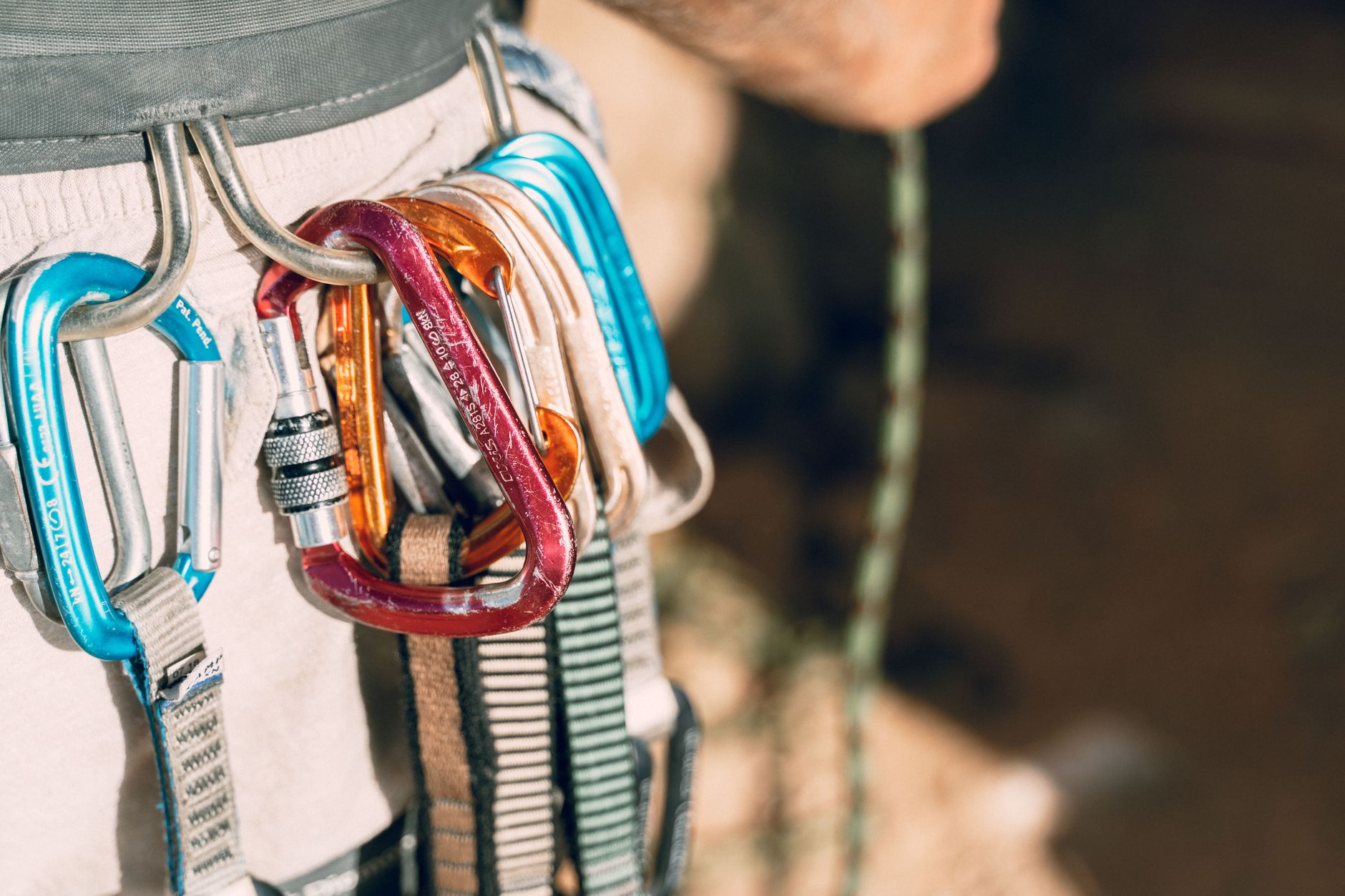
Photo by Liam Moore
Grab the Right Size on First Try
Hunt the wrong cam first, and pump hits hard. You eye a finger crack but yank a fist-sized unit. It won’t fit; you fumble, drop it, hang longer. Energy drains fast on sustained leads like Indian Creek splitters. I did this once mid-pitch: wrong pick cost 20 seconds, forearms screamed by the chains.
Eye the crack quick. Squint at width from 10 feet out. Pinky for fingers, thumb for hands. Reach blind to that size on your rack. Practice seals it. Clip 50 placements on a toprope crack weekly. Sort gear small to large; your hand finds it fast.
Prevention keeps you moving. Plan sizes on belay. No practice means slow leads; drill it home. You’ll place first try, save strength for crux jams. Check 50 common climbing mistakes for gear fumbles like this. Smooth grabs extend your leads. (148 words)
Skip Tethers on Scary Spots at Your Peril
Ditch tethers on runouts, and focus shatters. Slack piles up; you fight rope while pumped on overhangs. One slip, and you barn-door into space. No tether means full attention splits between balance and clips. I skipped one on a Squamish roof: rope tangled feet, whip factor spiked, arms quit early.
Tethers clip you short to pro. They hold weight off your harness, let you focus on pulls. Keep two arm-length ones ready. Clip in before crux gear; manage slack tight. Pull rope smooth without wild yanks.
Fix it simple. Rack tethers front-center. Use on every sketch spot. They cut drag too, rope runs clean. Practice clips while tethered at gym. You’ll stay calm, clip sure. See beginner trad mistakes for tether tips around the 36-minute mark. Result: longer fights without burnout, safer sends. (152 words)
Training Drills to Nail Trad Clipping Efficiency
You want trad climbing clipping efficiency that lasts pitch after pitch. Drills turn fumbling into flow. Pick one crack size at a time. Rack just those pieces. Repeat placements until your hands move on autopilot. Build mileage on splitter cracks like those in Indian Creek. Fundamentals beat chasing hard grades every time. Start in the gym or on top ropes. Progress outdoors with a mentor. Your arms stay fresh; leads extend. Try this challenge: hit 100 clean clips next session. Watch pump drop.
Practice Splitter Cracks for Muscle Memory
Pick a single crack size, say finger jams. Rack doubles of one cam, like Black Diamond #0.75. Climb the same splitter 10 times in a row. Place pro every body length. Clip waist high each time. Repeat for hands, then fists.
Your hands learn the motion. No thinking slows you down. Pump fades as placements snap in. One Indian Creek session taught me this. I repeated thin hands on a 5.9. By lap five, gear flew from rack to rock. Arms felt light at the top.
Benefits stack fast. Muscle memory locks in rack grabs. You eye width, reach blind, place perfect. Rope pulls smooth out. Falls drop because pro sits bomber. Energy saves for cruxes. Climbers report 20% faster leads after 20 hours of repeats. Check Mountain Project tips for home setups if cracks stay out of reach. Do three sessions weekly. Watch your rhythm build.
(152 words)
Start with Top Ropes and Mentors
Top ropes build safety first. No whip risk lets you focus on clips. Gym cracks mimic splitters. Set draws at waist height. Climb slow. Practice one skill per ascent: rack grabs, then rope pulls, then full sequences.
Learn waist clips before anything. Stand balanced. Grab draw elbow bent. Slide rope smooth, gate out. Mentors spot form. They call tweaks live. “Twist less,” or “pull gentler.” I gained years of polish from one Squamish guide. We top roped Cobra’s bottom. Clips halved in time.
Progress gym to crags. Hit top rope cracks weekly. Add lead belays with mentors. They build your eye for sizes. Why chase grades? Solid basics send harder routes clean. Fundamentals win on runouts. See Gripped’s gym drills for clip-focused sessions. Rack light. Climb 20 laps. Your hands rewire for real leads.
(148 words)
Conclusion
Mastering trad climbing clipping efficiency sharpens your leads on splitter cracks like Serenity or Cobra. Waist clips keep arms fresh. Smooth rope pulls cut waste. Smart quickdraws and racks speed every grab. Dodge wrong sizes and skipped tethers to stay balanced. Drills on top ropes build that autopilot flow.
You save pump for crux jams. Long pitches turn smooth. Risks drop with gear locked in place.
Grab one drill this weekend. Repeat finger-sized cams on a gym crack. Rack doubles. Climb 10 laps. Feel the rhythm click.
Back to Trad Climbing Skills and Techniques
Recommended Products for Trad Climbing
These products can support safer climbing, belaying, rappelling, and emergency readiness.
Affiliate disclosure: As an Amazon Associate, TradClimbers may earn from qualifying purchases at no additional cost to you.