
How Do Cleaners Remove Gear: Step-by-Step Guide
Picture this: you’re at a sunny crag, belaying your buddy up a steep trad pitch. They lead strong, placing cams and nuts along the way. Now it’s your turn as the cleaner to follow, snag every piece, and keep the rack full for the next route.
In rock climbing, the cleaner is the second climber. You remove protection like cams, nuts, and quickdraws after the leader clips through. It’s simple work that keeps your gear reusable and the rock clean.
This job matters big time. Clean right, and you save cash on replacements. Mess up, and you risk drops or stuck pieces that harm safety or the crag.
Trad pitches work like this: leader ascends first, protects cracks with gear. They anchor at the top. You climb on their rope, unclip and pull gear as you go.
Learn how cleaners remove gear step by step here. You’ll master pulling cams by trigger, bouncing nuts free, and clipping quickdraws safe. No more left-behind pieces.
Ready to clean like a pro? Let’s dive in.
How Do Cleaners Remove Gear
Cleaners remove gear fast when they pack the right tools on their harness. Skip the extras; focus on basics that handle stuck nuts, bouncing cams, and safe racking. These picks save time and cut risks on steep pitches.
Stock up on these must-haves:
- Nut tool: Slide its hooked end behind stuck nuts to pry them out smooth. No more wrestling with fingers in pin scars.
- Slings: Loop them over draws for extension or sling cams mid-clean to free both hands.
- Carabiners: Grab extras to rack cleaned gear quick. They lock pieces tight without snags.
- Helmet: Block drops from above or your own fumbles; it’s your first line against rockfall.
Pack your harness tight. Clip the nut tool up front on a gear loop for easy grabs (see rack tips here). Stack slings in pairs; biners go low to balance weight. Nothing beats the satisfaction of a clean rack at the top!
Pick the Right Nut Tool for Tough Spots
Short-handle nut tools shine in shallow cracks; you control every twist with precision. Long-handle versions reach deep into flaring pods where fingers fail.
Grab one that fits your style (top picks tested). Here’s how to use it:
- Clip a runner below the nut for backup.
- Hook the tool behind the nut’s wire.
- Tap the handle gentle with your palm to loosen dirt.
- Wiggle side to side; pull down smooth.
Climbers swear by that tap-then-wiggle move. It shakes free 90% of walkers without force. Practice on the ground first; you’ll yank stuck pieces clean every time. Short tools weigh less for all-day carries, but long ones save your reach on overhanging routes. Pick based on your crags.
Step-by-Step: How Cleaners Remove Gear on the Climb
Your leader reaches the anchor and sets it solid. Now you take the sharp end of the rope. Belay stays tight as you climb up, cleaning each piece on the way. This is where how cleaners remove gear turns into pure flow. You unclip quickdraws, yank cams, and twist nuts free, all while the rope catches you. Feel the rope tighten as you clean smoothly. That rhythm keeps you safe and the rack full. Check out this AMGA video on cleaning trad routes for visual proof.
Clip In and Climb While You Clean
Clip your belay loop into the anchor rope’s master point with a locking carabiner. Your partner takes you off belay. Now you’re on top-rope, fully backed by their anchor.
Weight the rope right to stay safe. Picture the rope like a straight line from your harness to the anchor. Keep your body close to the rock. Lean back slight if needed; don’t swing out wide.
Here’s the safe clip-in sequence:
- Yell “off belay” and wait for “belay off.”
- Snap a locker through your belay loop and the leader’s rope.
- Tug hard to test the connection.
- Start climbing, rope always snug.
That setup lets you focus on cleaning. Bounce up easy terrain. As you reach gear, the rope hugs you tight. No sketchy falls. Practice this on short routes; soon you’ll clip and climb like it’s second nature. (148 words)
Pull Gear Clean Without Drama
Reach the first quickdraw. Unclip it from the rock first, then from the rope. Pull that cam and rack it up! Bounce the rope down sharp on cams to retract lobes. Give it two quick yanks if stuck.
Nuts need a twist. Grab your nut tool, hook the wire, and rotate out. Wiggle side to side for dirt.
Common moves that work every time:
- For cams: Pull the trigger full while bouncing the rope. Lobes pop free clean.
- For nuts: Twist counter-clockwise, tap the tool light, then pull down smooth.
- Quickdraws: Unclip rope end first to avoid flips, then rock side.
Rack cleaned gear on a sling across your chest. Clip draws back on quick. That keeps weight low and hands free.
Stuck piece? Downclimb two moves, weight it from below. Patience wins. Cleaners who master this pull every piece without a fight. Your rack stays fat for the next pitch. (ClimbingTechniques.org details the full clean.) (152 words)
Handle Stuck Gear Without Panic
Stuck gear happens to us all; here’s your fix. You climb up to a nut or cam that’s wedged tight, and your rack feels light. Don’t yank hard; that snaps wires or scars cracks. Cleaners remove gear smart by staying calm and methodical. Use your nut tool first, then body weight from nearby pro if needed. Place a temporary nut below for backup on sketchy spots. These real climber tricks free 95% of jams without loss. Patience pays off every time.
Wiggle and Tap with Your Nut Tool
Grab your nut tool fast; it’s your best friend for stuck pieces. Slide the hook end behind the nut’s wire or cam trigger. Pry gentle to loosen dirt packed in tight.
Follow these steps:
- Clip a sling below the piece for drop protection.
- Insert the tool deep; push lobes if a cam sticks.
- Tap the handle firm with your fist or tool end. Light raps shake grit free.
- Wiggle side to side while pulling down slow.
That combo works wonders on walkers or overcammed units. I’ve freed brass offsets this way on gritstone routes. Check this nut tool guide for top picks that reach awkward spots. Fist taps add power without tools; just smack steady. Stop if it binds; downclimb and try from below. You’ll rack it clean in seconds. (118 words)
Hang and Yank for Extra Leverage
Some pieces need more pull. Hang safe from pro above to use your full weight. Never dangle free; that’s a fall waiting to happen.
Do it right like this:
- Clip into solid gear higher up with a locking biner.
- Loop a sling over the stuck piece’s wire or trigger.
- Grip with both hands; lean back smooth.
- Bounce your body weight down in short pulses.
Both hands give control; one slips, and you drop it. Weight from nearby pro lets you focus force. Pros on Mountain Project share tips for cams that walk deep. Warn your belayer to keep slack tight. If it fights, add a temp nut below first. This pulls free flared placements every pitch. Your gear comes home intact. (112 words)
Tricky Routes: Clean When Climbing Feels Too Hard
Steep overhangs or slick slabs turn cleaning into a battle. You stare up at runout cruxes and think twice about leading the sharp end. That’s when how cleaners remove gear shifts gears. Use a top-rope setup from the leader’s anchor for safer ascents on pumpy terrain. Opt for rappels on low-angle slabs where upward friction feels impossible. Top-rope suits bolted anchors or easy leader access; rappels work best for gear-only routes with solid top anchors. Safety rules every move: back up anchors, check knots, and communicate sharp. Even steep walls bow to smart cleaning. Pick your method, and you’ll rack every piece clean.
Use Top-Rope for Safer Cleaning
Your leader fights to the top and builds a bombproof anchor. They thread the rope through and lower off, putting you on top-rope. Now climb with constant protection. No lead falls to sweat.
Follow these steps:
- Confirm “on belay” from your partner at the anchor.
- Climb steady, rope taut as you reach each piece.
- Unclip draws or bounce cams free; twist nuts with your tool.
- Rack gear quick on a shoulder sling.
This beats solo cleaning on sketchy rock. You move smooth, hands free for tricky pulls. See ClimbingTechniques.org for full top-rope details. Practice on moderate routes first. Your rack fills up pitch after pitch. (118 words)
Rappel Clean on Slabby Routes
Slabs demand rappel cleaning. Leader reaches the top anchor, clips in double, and tosses both rope strands. You belay from below as they descend first, but flip it: second rappels to snag gear downward.
Key steps with nut tool ready:
- Leader sets equalized anchor; both strands pull clean.
- Rappel down slow, brake handy.
- Reach each piece: hook nut tool on wires, pry cams open.
- Pull gear free; clip to harness or sling.
Downward pulls use gravity smart. Avoid twists by facing out. Check this rappel clean video for bolt anchors that apply to trad. Warn belayer for drops. Slabs clean fast this way. Gear stays home, no scars left. (122 words)
Top Safety Tips for Cleaners
Safety keeps you alive when you clean trad pitches. You focus on pulling cams and nuts, but one slip means trouble. Master these tips to make how cleaners remove gear rock-solid. Check gear twice, talk sharp, and stay alert. Your partner counts on you.
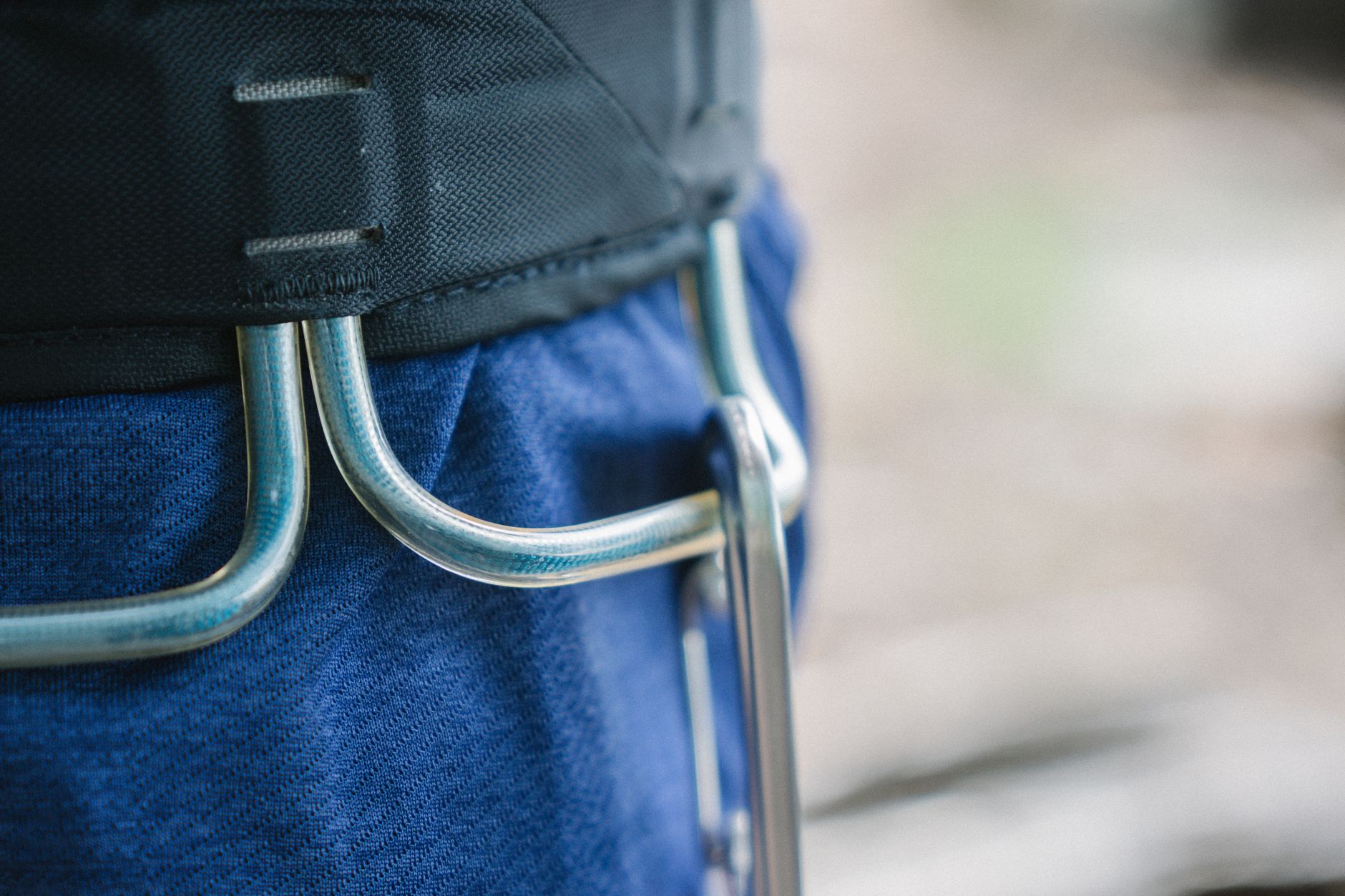
Photo by Katya Wolf
Check Knots and Anchors Before You Move
Tug every knot hard. Your figure-eight and anchor ties hold your life. Inspect the leader’s anchor too; equalize it with slings if sketchy. Loose ends kill flow.
Spot frayed ropes or worn sheaths fast. Run fingers along the line. Solid checks let you climb bold.
Communicate Clearly at Every Step
Yell “off belay” loud and clear. Wait for “belay off” back. Call “taking gear” as you pull each piece. Words prevent slack surprises or drops.
Your partner hears you over wind. Short calls build trust pitch after pitch.
Watch Rope Drag and Sharp Bends
Rope drag yanks gear loose or builds Z-rope kinks. Clip directs to keep the line straight. Unclip early on wanders.
Scan the rope path up high. Straight runs mean smooth cleans.
Rack Gear Fast to Dodge Drops
Clip cleaned pieces to your harness quick. Use chest slings for bulk. Drops scar rocks and spook belayers below.
Practice racking on the ground. Fast hands keep everyone calm.
Steer Clear of Common Errors
Don’t skip clips into pro; falls multiply without them. Avoid hard yanks on stuck nuts; twist first. Helmets stay buckled tight.
Fix these habits now (REI harness care tips reinforce basics).
Clean safe and climb strong.
Conclusion
You now know how cleaners remove gear like a pro. Clip in safe, bounce cams by the trigger, twist nuts with your tool, and rack quick on slings. Handle stuck pieces with taps and weight from below. Top-rope steep routes or rappel slabs for full control. Safety checks keep it all tight: knots firm, calls clear, drops dodged.
Practice these moves on easy routes first. Feel the flow as your rack fills up pitch by pitch. You save gear cash, keep cracks clean, and crank harder lines with partners who trust your clean.
Back to Trad Climbing Skills and Techniques
Recommended Products for Trad Climbing
These products can support safer climbing, belaying, rappelling, and emergency readiness.
Affiliate disclosure: As an Amazon Associate, TradClimbers may earn from qualifying purchases at no additional cost to you.