

Finding cool chalk bags is more than just picking a cool pattern. These days, your chalk bag needs to handle a lot more than just chalk. We’re talking about keeping your phone safe, preventing chalk dust from getting everywhere in your pack, and just generally making your climbing life a bit easier. Whether you’re hitting the gym or heading out for a multi-pitch adventure, the right chalk bag is a small piece of gear that makes a big difference. Let’s look at some of the best Cool Chalk Bags out there.
Key Takeaways
- When picking Cool Chalk Bags, think about how well they keep chalk in. Dropping a bag or stuffing it in a pack can show you if it’s truly leak-proof.
- Modern smartphones, especially larger ‘Pro Max’ models, need specific features like ‘bellows’ or ‘vertical’ storage in zippered pockets to fit.
- Material science and bag shape matter. Some designs are better at preventing chalk dust from escaping than others.
- Consider your climbing style: buckets are great for bouldering, while waist bags are better for longer climbs where you need easy access.
- Look for durability and features like good zippers and comfortable waistbands, but also consider brands that use recycled materials for a more sustainable choice.
Choosing Your Ideal Cool Chalk Bag
Understanding Chalk Bag Leakage
So, you’re looking for a chalk bag, huh? It might seem like a simple piece of gear, but there’s more to it than just a colorful pouch. The biggest headache most climbers face is chalk dust escaping everywhere. It’s like a fine white powder that finds the tiniest opening to make its grand escape. This isn’t just annoying; it can coat your phone, your snacks, or even your car interior.
The physics of chalk dust are simple: it’s a fine aerosol that seeks the path of least resistance. Think of it like water finding cracks in a dam. A cheap drawstring closure or a poorly designed lining can be the weak points. We’ve tested bags by dropping them from waist height – if chalk puffs out, it’s a fail. We also stuff them into packed backpacks to see how they hold up under pressure. It’s all about containment, and frankly, most bags don’t cut it.
The ‘Pro Max’ Standard: Digital Device Compatibility
Let’s talk phones. We all carry them, and increasingly, we want them accessible on the wall for beta or photos. The problem? Modern smartphones, especially the larger ‘Pro Max’ or ‘Ultra’ models, are getting bigger. Many chalk bags, even those with zippered pockets, just aren’t designed to fit these devices, especially with a protective case.
A pocket that seems spacious might be too shallow or too narrow. We’ve found that a bag’s ability to hold a 6.7-inch dummy phone is a good benchmark. If your phone barely fits or doesn’t fit at all, that’s a major drawback. Some bags use a ‘bellows’ or vertical storage design to better accommodate larger items, which is something to look out for.
Material Science and Geometry for Smart Choices
When picking a chalk bag, don’t just go for the coolest pattern. Think about how it’s made. The materials and the shape, or geometry, play a big role in how well it works. A bag made from tough, water-resistant fabric will last longer and resist wear and tear. The lining inside is also important; a soft, plush lining holds chalk better and feels good on your hands.
The closure system is key for preventing leaks. Some have simple drawstrings, while others have more complex cinching mechanisms. The overall shape of the bag, its depth, and how it sits on your waist or harness all contribute to its performance. It’s about finding a balance between durability, chalk retention, and ease of use.
Here’s a quick look at what matters:
- Closure Type: Drawstring, magnetic, roll-top – each has pros and cons for sealing.
- Lining Material: Fleece, microfiber, or synthetic – affects chalk adherence and feel.
- Bag Shape: Deep and narrow versus wide and shallow impacts stability and access.
- External Pockets: Size, depth, and closure for phones or small items.
Choosing the right chalk bag is about more than just aesthetics; it’s a functional decision that impacts your climbing experience. A well-designed bag keeps chalk accessible, prevents messes, and can even carry your essential tech.
Top Cool Chalk Bags for Every Climber
For The ‘Gym-to-Crag’ Commuter: Buckets
When you’re heading to the gym and then straight to the crag, you need a chalk bag that can handle both worlds. For the gym-to-crag commuter, a chalk bucket is often the go-to. These are larger, more stable chalk reservoirs that usually sit on the ground. They’re great because they offer easy, two-handed access to chalk, which is super convenient when you’re racking up or just need a quick touch-up between boulder problems. Plus, they tend to have better chalk containment, meaning less of that fine white dust ends up coating your gear (or your car interior).
- Stability: Designed to stand upright, minimizing chalk spills.
- Capacity: Holds more chalk, reducing the need for frequent refills.
- Access: Wide opening allows for easy, two-handed chalking.
While buckets are fantastic for bouldering sessions or when you’re setting up at the base of a climb, their bulk can be a downside for those who need to pack light. If space in your backpack is a major concern, a bucket might not be the best fit for your commute.
For The Multi-Pitch Trad & Alpine Climber: Waist Bags
If you’re spending hours on the wall, moving from pitch to pitch, a waist bag is your best friend. These are the classic chalk bags that clip around your waist. The key here is portability and quick access while you’re on the move.
For multi-pitch trad and alpine climbing, you need something that stays out of the way but is still easy to reach when you’re pumped and need that extra grip. Look for bags with a good drawstring closure to keep chalk in and a sturdy waistband that won’t slip. Some even come with small pockets for essentials like a tape or a small snack.
| Feature | Benefit for Multi-Pitch |
|---|---|
| Compact Size | Fits easily in a pack when not in use. |
| Secure Closure | Minimizes chalk loss during ascents and descents. |
| Waistband Attachment | Keeps chalk accessible without needing to unclip. |
| Durable Materials | Withstands abrasion from rock and gear. |
For The Social & Recreational Climber
For the climber who enjoys a mix of gym sessions, outdoor sport routes, and hanging out at the local crag, the “social and recreational” category is all about versatility and a bit of personal style. You might not need the absolute lightest or most specialized bag, but you still want something that works well and looks good.
Many climbers in this group appreciate bags with extra features, like small zippered pockets for keys or a phone, or unique designs that stand out. It’s about finding that sweet spot between performance and everyday usability.
- Style Options: A wide range of colors and patterns to match your personality.
- Convenience Features: Pockets for small items are a big plus.
- Balanced Performance: Good chalk containment and easy access for casual use.
Performance-Driven Cool Chalk Bag Features

When you’re out there, chalk dust everywhere isn’t just annoying; it can ruin your phone or laptop. That’s why performance matters. We’re talking about how well these bags actually keep chalk in and how they handle your modern climbing needs.
Leak-Proof Scores and The ‘Poof Test’
Nobody likes finding a fine white powder coating everything in their pack. We put these bags to the test to see just how well they seal. The ‘Poof Test’ is pretty straightforward: we drop a chalk bucket from about waist height onto a gym mat. If a noticeable puff of chalk escapes, it loses points. It’s a simple way to see which bags are actually built to contain the mess.
Here’s a quick look at how some bags might stack up:
| Bag Model | Leak-Proof Score (out of 5) | Notes |
|---|---|---|
| Arc’teryx Ion LT | 4.5 | Excellent seal, very minimal dust escape. |
| Cotopaxi Halcon | 4.0 | Good seal, but occasional minor leakage. |
| Black Diamond Mondo | 4.2 | Solid closure, holds chalk well. |
A tight closure isn’t just about cleanliness; it’s about having chalk ready when you need it, not all over your gear. Look for bags with robust drawstrings and secure cinching mechanisms.
Phone Fit Scores and ‘Backpack Compression’
Let’s face it, our phones are practically glued to us, and climbers are no exception. We need to know if your ‘Pro Max’ or similarly sized phone will actually fit in the zippered pockets. We also tested how well waist bags hold up when stuffed into a full backpack – does the chalk stay contained under pressure? Bags that can handle a large phone and survive being squashed in your pack score higher.
Abrasion Resistance and Durability
Climbing gear takes a beating. Your chalk bag will get scraped against rock, dragged on the ground, and generally abused. We looked at the materials used – things like tough Cordura or repurposed nylons – and how well they hold up over time. A bag that lasts longer is a better investment, plain and simple. We’re talking about fabrics that can handle the rough and tumble of the climbing life without falling apart after a few months.
Innovative Designs in Cool Chalk Bags
The Arc’teryx Ion Lightweight Chalk Bag
When you need something that just works, without a lot of fuss, the Arc’teryx Ion LT Chalk Bag is a solid pick. It’s built tough with this really strong, water-resistant polyester fabric that feels like it can take a beating. They really focused on keeping it light and durable, which is great when you’re hauling gear. It’s got a simple drawstring closure that seals up pretty tight, and a spot for your brush. It’s the kind of bag that doesn’t get in your way.
The Cotopaxi Halcon Chalk Bag – Del Día
Now, if you like a bit more flair and some extra features, the Cotopaxi Halcon Del Día is where it’s at. What’s cool is that each one is totally unique. They use leftover fabrics, so the colors and patterns are always a surprise, making your bag one-of-a-kind. It’s a bit bigger and has some handy extras like a zippered pocket – perfect for your phone or keys – and a soft, fleece-lined interior. It’s a bit heavier than the super minimalist bags, but those little additions can be really useful.
The Black Diamond Mondo Chalk Pot
The Black Diamond Mondo Chalk Pot is less about being a sleek, personal chalk bag and more about being a communal chalk station. Think of it as a mini-bucket for your chalk. It’s designed to sit on the ground or a ledge, making it super easy for everyone in your group to get a chalk-up without fumbling with individual bags.
It’s sturdy, has a wide opening, and is great for bouldering sessions or when you just want easy access to chalk without any hassle. It’s not something you’d clip to your harness for a multi-pitch, but for certain situations, it’s a game-changer.
Here’s a quick look at how these bags stack up:
| Feature | Arc’teryx Ion LT | Cotopaxi Halcon Del Día | Black Diamond Mondo Pot |
|---|---|---|---|
| Weight | Very Light | Light-Medium | Heavy (Stationary) |
| Unique Design | No | Yes (Repurposed) | No |
| Zippered Pocket | No | Yes | No |
| Communal Use | No | No | Yes |
| Primary Use | Performance | All-around | Bouldering/Group |
When you’re looking at these different designs, it really comes down to what you’re doing most. Are you focused on shaving off every ounce for a long climb, or do you appreciate the little conveniences that make a session more comfortable? There’s no single ‘best’ bag; it’s all about finding the one that fits your climbing style and needs.
Practical Considerations for Cool Chalk Bags
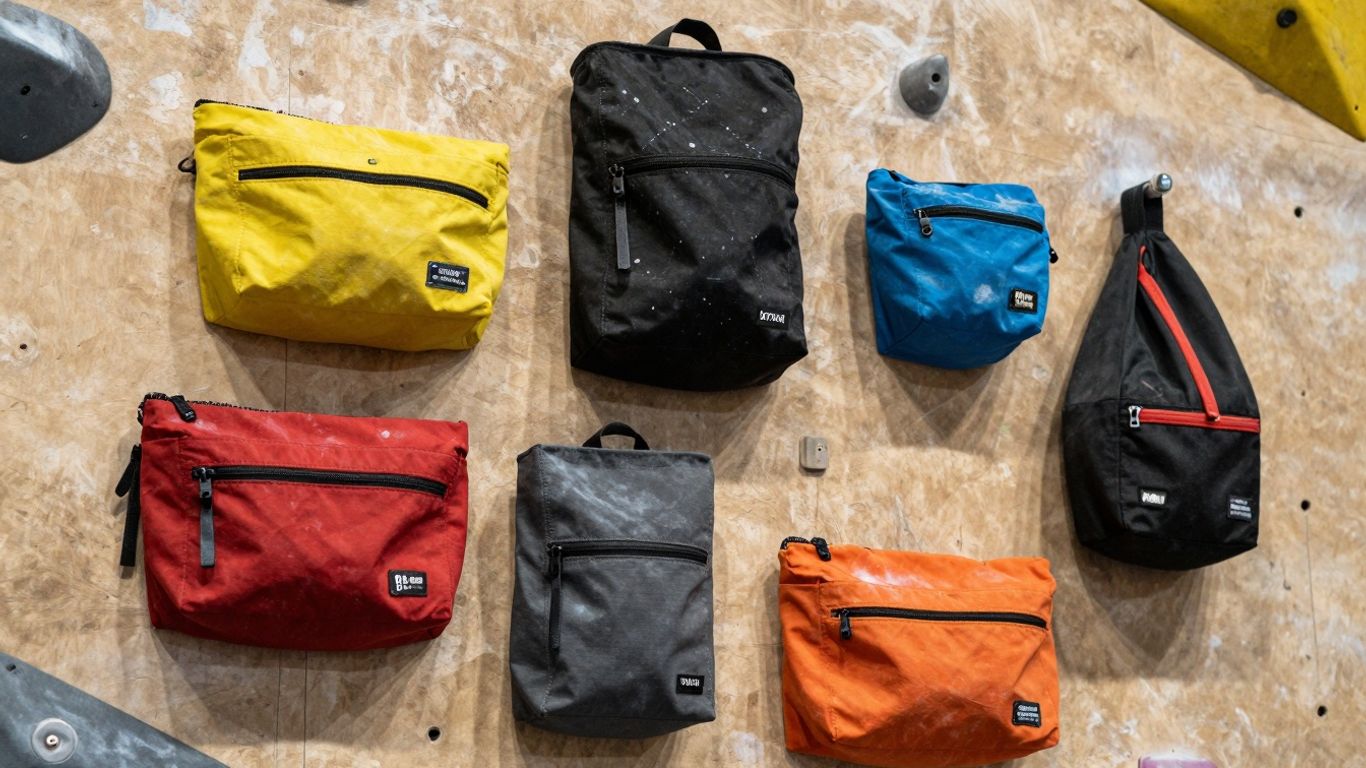
Alright, so you’ve picked out a chalk bag that looks cool, but before you commit, let’s talk about the stuff that actually matters when you’re out there climbing. It’s not just about the color or the brand, you know? We need to think about how it’s going to work for you.
Zippered Pockets and ‘Bellows’ Storage
So, you want to stash your phone, keys, or maybe a snack? A zippered pocket sounds great, right? But here’s the catch: most standard zippered pockets are too small for modern smartphones, especially if you’ve got a bulky case on it. We’re talking about those big ‘Pro Max’ or ‘Ultra’ models.
If your phone doesn’t fit, that pocket is pretty useless. Some bags have what they call ‘bellows’ storage, which is basically a pocket that can expand outwards. This is way better for fitting larger items. Always check the dimensions or, better yet, try fitting your phone in it if you can.
Here’s a quick rundown:
- Standard Zipper Pockets: Often too tight for large phones.
- Bellows/Expandable Pockets: Designed to stretch and fit bulkier items.
- Vertical Pockets: Some designs offer vertical storage, which can also accommodate larger phones.
Remember, a pocket that can’t hold your phone is just extra weight and a potential snag hazard. Prioritize function over just having a pocket.
Comfort, Drawstrings, and Waistbands
This is all about how the bag feels when it’s hanging off your hip or harness. A good drawstring closure is key to keeping chalk in the bag, but it also needs to be easy to open and close with one hand, maybe even when you’re pumped.
Some drawstrings are just a simple cord, while others have a more robust closure system. For waistbands, you’ve got options. Some bags come with a strap, others are designed to clip directly to your harness with a carabiner. What feels best is totally personal preference. Some people like a bag that sits snug, others prefer it to swing a bit. Make sure whatever system it uses, it feels secure and doesn’t dig into you.
Sustainability and Repurposed Materials
It’s awesome that more companies are thinking about the planet. You’ll see chalk bags made from recycled materials or even from leftover fabric scraps – like those cool ‘Del Día’ bags from Cotopaxi where each one is unique. This is a great way to reduce waste. While it might not directly affect how the bag performs on the rock, it’s a nice bonus if you care about your gear having a lower environmental impact. Plus, sometimes these repurposed materials can be really durable and look pretty unique, which is a win-win.
Maintaining Your Cool Chalk Bag
So, you’ve got a sweet new chalk bag, and you want it to last, right? Keeping your chalk bag in good shape isn’t rocket science, but a little attention goes a long way. Think of it like taking care of your favorite climbing shoes; a bit of maintenance means better performance and a longer lifespan.
How to Prevent Chalk Bag Leaks
Nobody likes finding a fine white powder coating everything in their pack. Chalk, especially the good stuff, is basically a dust cloud waiting to happen. The biggest culprit is usually the closure. A simple drawstring, if not cinched tight, can let chalk escape.
- Always cinch your drawstring down tight. Seriously, give it a good pull. If it has a cord lock, make sure that’s engaged.
- For extra security, especially if you’re tossing it in a pack with electronics, consider a secondary containment. A simple Ziploc bag or a small dry sack works wonders.
- Some bags have advanced closures, like roll-tops. These are generally much better at keeping chalk contained. Look for bags advertised with ‘zero-spill’ features.
The physics of chalk containment are pretty straightforward: it’s a fine powder that finds the path of least resistance. Microscopic holes in the fabric or a loose closure are all it needs to escape. A well-designed bag minimizes these escape routes.
Washing Your Chalk Bag for Optimal Performance
Yeah, you can wash your chalk bag. In fact, you probably should. Over time, the fleece lining inside can get clogged with chalk residue, making it less effective at transferring chalk to your hands. This means you’ll be dipping more often, and it just won’t feel as good.
Here’s a basic rundown:
- Rinse it out: Use warm water. If your bag has a water-resistant coating (DWR), try to avoid using any soap or detergent, as it can strip that coating. Just a good rinse should help dislodge the packed-in chalk.
- Gentle scrub (if needed): For really stubborn clogs, you might need to gently rub the fleece lining with your fingers or a soft brush.
- Air dry completely: This is super important. Hang it up somewhere with good airflow and let it dry thoroughly. Never put it in a dryer, as the heat can damage the materials. Make sure it’s totally dry before you put chalk back in it to avoid mildew.
Keeping your chalk bag clean means it’ll hold and dispense chalk more effectively, giving you that grippy feeling when you need it most. It’s a small step that makes a noticeable difference on the wall. For more on materials that resist moisture, check out nylon and Cordura.
Wrapping It Up
So, there you have it. Finding the right chalk bag in 2026 (and beyond) isn’t just about grabbing the coolest looking one. It’s about making sure it actually holds your chalk without making a mess, and maybe even fitting your phone if you’re into that. We looked at a bunch, from the ones built tough for the gym-to-crag crowd to the sleeker options for those multi-pitch days.
Remember to think about what you really need – does it need to be super leak-proof for your backpack, or is a bit of extra space for snacks more your style? Hopefully, this guide helps you pick a bag that works for you and keeps your hands chalky and your gear clean.
Frequently Asked Questions
Why do chalk bags leak so much?
Chalk dust is super fine, like a tiny powder that can sneak through even the smallest openings. Think of it like trying to hold water in a colander – the chalk finds any little hole in the closure or fabric to escape. This is especially true for older bags or those with simple drawstring tops that don’t close tightly.
Can I wash my chalk bag?
Yes, you totally can and should wash your chalk bag! Over time, chalk and dirt can build up inside, making the fuzzy lining less effective at holding chalk. Just rinse it with warm water – avoid soap if it has a special coating – and let it air dry completely. This helps it grab more chalk and prevents funky smells.
Do I still need powder chalk if I use liquid chalk?
Most climbers do! Liquid chalk is like a base coat that helps your hands grip better initially. But for sweaty hands during a long climb, you’ll still want that powder chalk to keep your hands dry. Liquid chalk just means you might need to carry less powder overall.
What’s the difference between a chalk bag and a chalk bucket?
A chalk bag is usually worn around your waist for climbing where you move around a lot, like on a rope. A chalk bucket is bigger and sits on the ground, perfect for bouldering when you’re doing lots of short climbs and need easy access to lots of chalk. Buckets are also usually better at keeping chalk from spilling.
How can I stop my chalk bag from making a mess in my backpack?
The best way is to use a chalk bag that has a really secure closure, like a roll-top that seals like a dry bag. If your bag just has a regular drawstring, the safest bet is to put it inside a plastic bag or a separate dry sack before tossing it in your backpack. That way, no chalk dust escapes!
Why are some chalk bags so expensive?
Sometimes, the price goes up because of the materials used – think super strong, lightweight fabrics that can handle a lot of abuse. Other times, it’s because of special features, like really good sealing mechanisms, extra pockets for your phone, or because the company uses recycled materials and ethical production, which also adds to the cost.
Recommended Products for Bouldering
These products can improve fit, mobility, and comfort during long climbing days.
Affiliate disclosure: As an Amazon Associate, TradClimbers may earn from qualifying purchases at no additional cost to you.
Keep exploring helpful trad climbing, gear, safety, and technique resources.