

Have you been searching for climbing gear for beginners? Thinking about getting into climbing, or maybe you’ve been at it for a while and want to brush up on your knowledge? It can feel like a lot to take in, especially when you’re just starting out.
This post is here to break down the important stuff, whether you’re grabbing your first pair of climbing shoes or you’re already a seasoned pro. We’ll cover the basics for newcomers and touch on some more advanced topics for those who’ve spent more time on the rock. Plus, we’ll talk about keeping your gear in good shape and what else might be out there for you.
Climbing Gear for Beginners Post Key Takeaways
- For beginners, focus on getting the right footwear for grip, comfortable clothes, and protective gloves like these best alpine climbing gloves.
- Experienced climbers might look into anchor parts, how to use pitons, and specific knot tying.
- Everyone needs to pay attention to safety gear like harnesses, belay devices, and helmets.
- When starting out, look for starter kits, budget-friendly options, and know when it’s time to buy better gear.
- Properly cleaning ropes, checking harnesses, and storing gear correctly are important for everyone’s safety and the gear’s lifespan.
Essential Climbing Gear for Newcomers
Getting into climbing can feel like stepping into a whole new world, and honestly, the gear list can look a bit intimidating at first. But don’t worry, most of it is pretty straightforward. You don’t need the fanciest stuff right away; focusing on the basics will get you climbing safely and comfortably. The most important thing is to get gear that fits well and feels right for you.
Footwear For Traction
Your shoes are your connection to the rock, so they matter. For beginners, you’re not looking for super aggressive, downturned shoes that might feel painful. Instead, aim for something comfortable with a flat sole that offers good grip. Think of them like specialized sneakers for climbing. They should feel snug, but not so tight that your toes are curled painfully. A good fit means you can stand on small edges without your foot slipping.
Here’s a quick rundown on what to look for:
- Fit: Snug, but not painful. Your heel shouldn’t lift much when you pull up.
- Sole: Look for a sticky rubber sole. This is what gives you grip on the rock.
- Type: Neutral or slightly asymmetric shoes are usually best for starting out.
Comfortable Apparel Choices
When you’re climbing, you need to be able to move freely. Forget about jeans or anything too baggy that could get caught. Think athletic wear that breathes and stretches.
- Pants/Shorts: Comfortable, stretchy pants or shorts are ideal. Avoid anything that restricts your leg movement, especially when high-stepping.
- Shirts: A simple t-shirt or athletic top works great. Long sleeves can be good for sun protection or cooler days, but make sure they don’t bunch up under your harness.
- Layers: Depending on the weather, having a light fleece or jacket you can easily take on and off is a good idea.
The key here is comfort and freedom of movement. You’ll be stretching, reaching, and contorting yourself in ways you might not expect, so your clothes shouldn’t be a distraction. Think about what you’d wear for a hike or a yoga session, but maybe a bit more durable.
Protective Handwear
While not every climber wears gloves all the time, especially on rock, they can be super helpful for beginners. They protect your hands from scrapes and calluses as you get used to the rough texture of the rock or climbing wall. Many people start with simple, inexpensive gloves.
- Type: Cycling gloves or even sturdy gardening gloves can work well initially.
- Grip: Make sure they don’t make your hands too slippery. You still need to grip the holds!
- Fit: They should fit snugly without restricting your finger movement too much.
Advanced Gear Considerations for Experienced Climbers
Understanding Anchor Components
For those who’ve spent a good amount of time on the rock, the focus shifts to building bombproof anchors. This isn’t just about throwing in a couple of pieces and calling it good. Experienced climbers know that a solid anchor is a system, and each part matters. We’re talking about understanding the strengths and weaknesses of different types of protection, like cams and nuts, and how they interact with the rock. It’s also about knowing when to add that extra piece, even if it feels redundant, especially if you’re thinking about bailing. The goal is redundancy and equalization, making sure the load is distributed if one piece fails.
Pitons and Their Application
Piton use is a bit of a throwback, but they still have their place, especially in certain types of climbing. These metal spikes are hammered into cracks. While they can be bomber, they also do damage to the rock, which is why they’re not as common as they once were. For experienced climbers, knowing how to place a piton correctly, and more importantly, when it’s appropriate to use one, is part of a deeper skillset. It’s about understanding the rock and the tool, and using the right tool for the job, even if that tool is old school.
Specialized Knot Techniques
Beyond the basic figure-eight and clove hitch, there are knots that can make life a lot easier and safer on the wall. Think about knots that are easy to untie after taking a big fall, or ones that help manage rope when you’re setting up rappels. For instance, the “swamp knot” is a handy trick for managing slack, and knowing how to tie it can prevent a lot of headaches. It’s these little details, these specialized knots, that separate the seasoned climber from the beginner. They might seem minor, but they add up to smoother, safer climbs.
Safety Equipment for All Climbers
Alright, let’s talk about the gear that keeps us from becoming a statistic. Whether you’re just starting out or you’ve been climbing for years, safety equipment is non-negotiable. It’s the stuff that, hopefully, you’ll never have to truly test, but you absolutely need it to be in good working order.
Harness Fit and Function
Your harness is basically your connection to the rope, and by extension, your belayer and the anchor. Getting the right fit is super important. It shouldn’t be so tight that it’s uncomfortable or restricts movement, but it definitely shouldn’t be loose enough to slide down or allow you to slip through it. Most harnesses have adjustable leg loops and a waist belt, so you can fine-tune the fit. A properly fitted harness distributes the force of a fall across your hips and thighs, not just your waist.
Here’s a quick check for a good fit:
- Waist Belt: You should be able to fit a flat hand between the belt and your waist, but not much more. It should feel snug and secure.
- Leg Loops: These should also be snug but not constricting. You should be able to move your legs freely without the loops riding up uncomfortably.
- Buckles: Make sure all buckles are properly threaded and tightened. Double-check that any “auto-locking” buckles are indeed locking.
Belay Device Basics
This is the gadget your belayer uses to control the rope and catch your falls. There are a few different types, like assisted braking devices (often called ” Grigris” or similar) and simpler tube-style devices. Each has its own way of working, and it’s vital to know how to use yours correctly. Improper use of a belay device can lead to serious accidents.
- Tube-Style Devices: These rely on friction and proper rope management. You feed the rope through, and the device helps you create friction to hold the climber.
- Assisted Braking Devices: These have a mechanism that helps lock the rope when a fall occurs, but they still require active management and a proper brake hand.
- Locking Carabiner: Always use a locking carabiner with your belay device. This prevents the device from accidentally coming off the rope.
Helmet Importance
Falling rocks, dropped gear, or even a clumsy fall can lead to head injuries. A climbing helmet is designed to protect your noggin. It might seem like overkill sometimes, especially when you’re just climbing at the gym, but outdoors? It’s a lifesaver. Make sure it fits well and doesn’t wobble around when you move your head. Think of your helmet as your most important piece of protective gear.
Wearing a helmet isn’t just about protecting yourself from falling objects. It also protects your head if you fall and hit the rock or ground. The foam liner absorbs impact, and the hard shell prevents penetration. It’s a simple piece of equipment that offers a huge amount of protection for something so vital.
Remember, safety gear isn’t just about having the equipment; it’s about knowing how to use it correctly and maintaining it. Always double-check your gear before every climb, and if you’re ever unsure about something, ask someone experienced or a certified guide.
Choosing Your First Climbing Kit
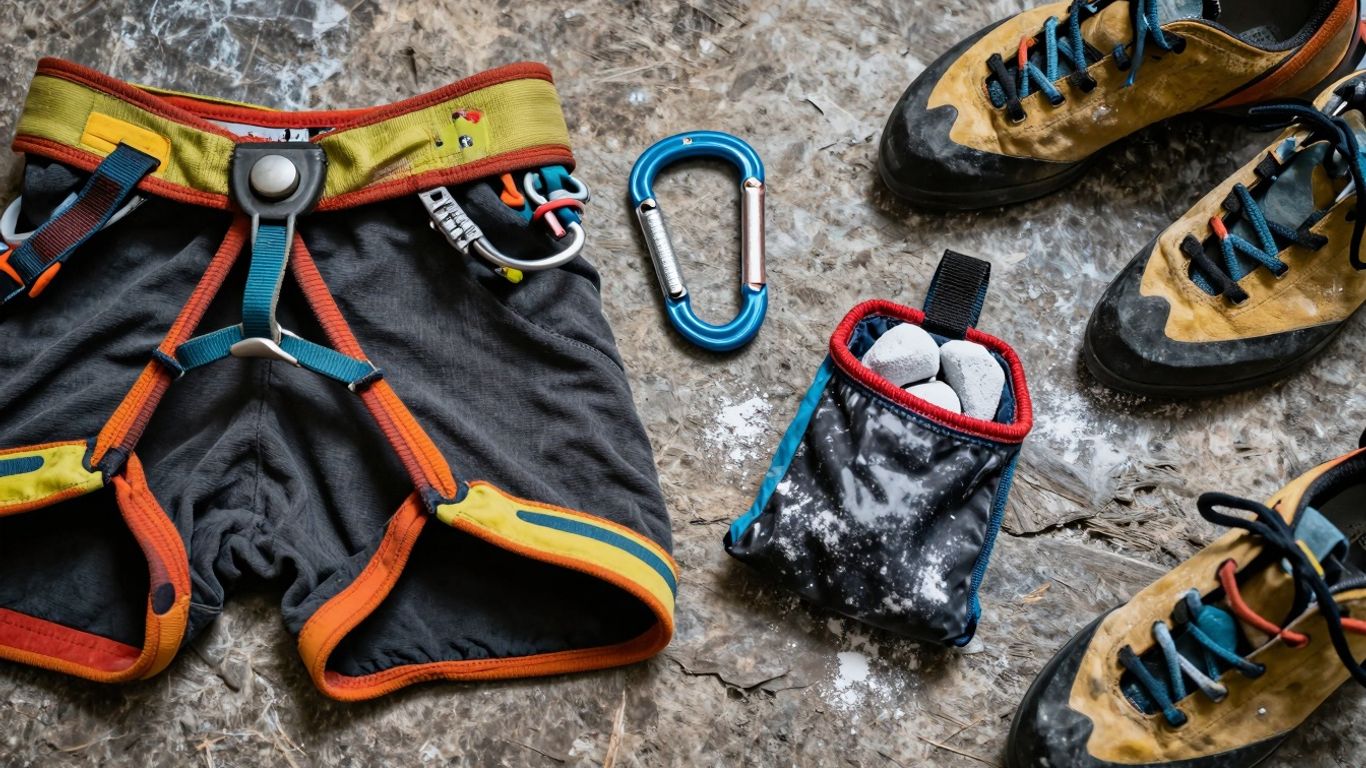
So, you’re ready to get your own climbing gear? That’s awesome! It can feel a bit overwhelming at first, with all the different bits and pieces out there. But don’t sweat it. We’ll break down what you really need to get started, and then talk about when it makes sense to spend a bit more.
Starter Pack Essentials
When you’re just beginning, you don’t need the fanciest stuff. Focus on the basics that will keep you safe and comfortable while you learn the ropes. Think of this as your foundational setup. You can always upgrade later as you get more into the sport.
- Climbing Shoes: These are super important. They need to fit snugly, almost like a second skin, but not painfully tight. Look for a pair with a good rubber sole for grip.
- Harness: This is what you’ll wear to connect to the rope. Make sure it’s comfortable and adjustable. You’ll want one that’s easy to put on and take off.
- Belay Device and Carabiner: This is how you manage the rope for your climbing partner. A simple ATC-style device is a great starting point. You’ll also need a locking carabiner to attach it to your harness.
- Chalk Bag and Chalk: Chalk helps keep your hands dry, giving you a better grip. A simple chalk bag that clips to your harness is all you need.
Budget-Friendly Options
Getting started doesn’t have to cost a fortune. Many outdoor gear shops offer beginner packages that bundle the essential items at a reduced price. You can also find good quality used gear, but be sure to inspect it carefully for any signs of wear or damage. Sometimes, borrowing gear from a friend or a climbing gym for your first few outings is a smart way to figure out what you like before you buy.
Don’t feel pressured to buy the most expensive gear right away. Focus on getting reliable, safe equipment that fits your current needs and budget. As you climb more and discover your preferences, you can invest in specialized or higher-end items.
When to Invest in Upgrades
Once you’ve been climbing for a while and know you want to stick with it, that’s when it’s time to think about upgrading. Maybe your beginner shoes are getting worn out, or you’re looking for a harness that offers more comfort for longer days. You might also consider investing in better quality ropes or more advanced belay devices as your skills grow. Listen to your body and your climbing partners; they’ll often tell you when a gear upgrade would make a real difference.
Gear Maintenance and Care
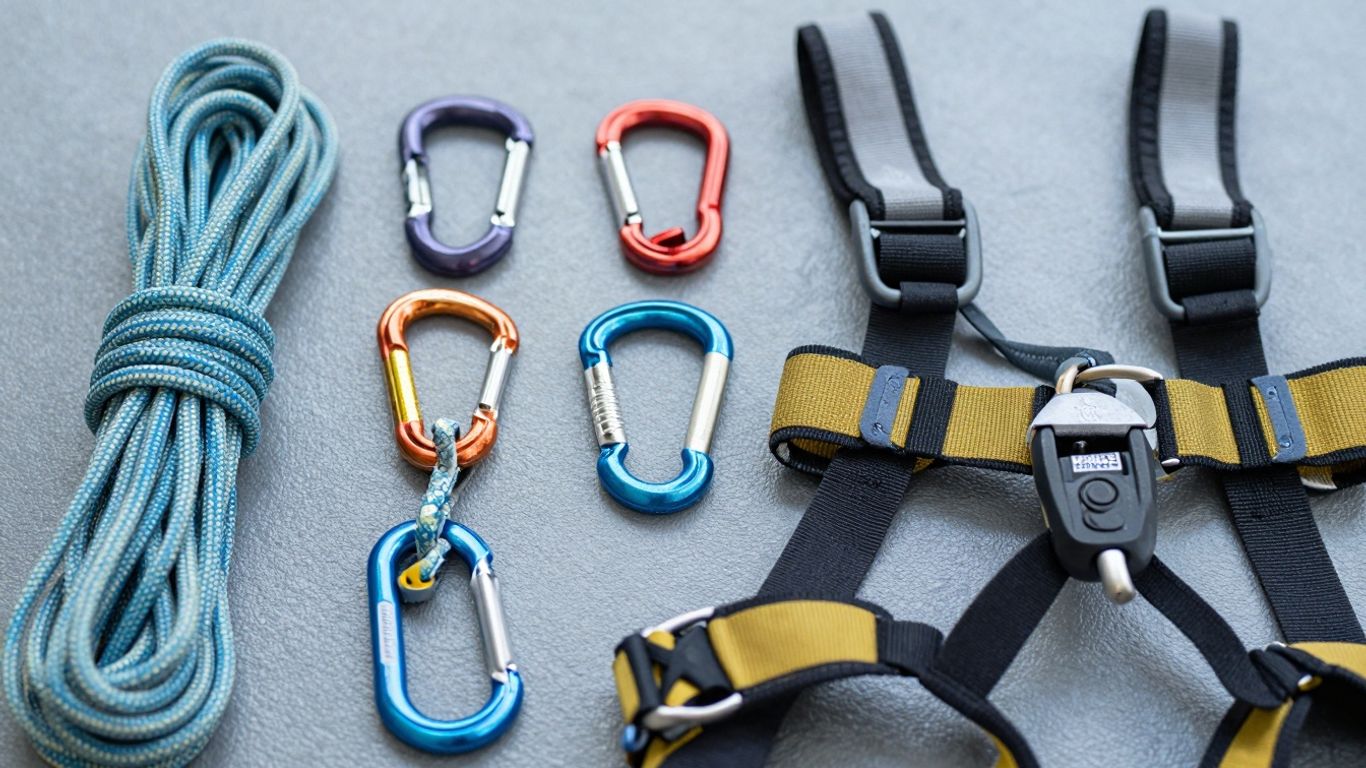
Taking care of your climbing gear isn’t just about making it last longer; it’s a big part of staying safe out there. Think of it like this: your gear takes a beating every time you use it, and if you don’t give it some TLC, it might not be there for you when you really need it. It’s not super glamorous, but it’s definitely important.
Cleaning Your Climbing Ropes
Your rope is probably the most critical piece of equipment you own. Dirt, grime, and even small particles can get worked into the fibers over time, weakening the rope and making it feel rough. Regular cleaning is a must.
Here’s a basic rundown:
- Hand Wash: Use a soft brush and a mild soap (like a specialized rope cleaner or a gentle dish soap) with cool water. Gently scrub the rope, paying attention to any really dirty spots. Rinse thoroughly until all soap is gone.
- Machine Wash (Use Caution): If your rope is really dirty, you can use a washing machine on a gentle cycle with cool water and a mild detergent. Never use bleach or harsh chemicals. Place the rope in a mesh laundry bag to prevent tangling.
- Drying: Lay the rope out flat or hang it loosely over a large, smooth surface. Avoid direct sunlight or high heat, as this can damage the fibers. Let it air dry completely before storing.
Inspecting Harnesses and Slings
Before and after each climb, give your harness and slings a good once-over. Look for:
- Webbing: Check for any fraying, cuts, or excessive wear. Pay close attention to the edges and any areas that see a lot of friction.
- Stitching: Make sure all the stitching is intact. Loose or broken threads are a red flag.
- Buckles and Hardware: Ensure buckles are functioning correctly and aren’t bent or cracked. Check any metal components for damage.
- Load Bearing Points: These areas, like the tie-in points and leg loop connections, should be your primary focus for wear and tear.
Proper Storage Techniques
How you store your gear can make a big difference. Keep your equipment clean and dry before putting it away. Store it in a cool, dry place away from direct sunlight and chemicals. Avoid stuffing it into tight spaces or piling heavy things on top of it, which can cause damage or deformation. A dedicated gear bag or bin works well for keeping things organized and protected.
Gear maintenance might seem like a chore, but it’s really an investment in your safety and the longevity of your equipment. A little bit of effort goes a long way in preventing unexpected failures when you’re out on the rock.
Beyond the Basics: Specialized Climbing Equipment
Traditional Climbing Protection
Once you’ve got the basics down, you might start looking into trad climbing. This is where things get a bit more involved. Instead of relying on pre-placed bolts, you’re placing your own protection as you ascend. This means you’ll need a rack of gear like cams and nuts (also called chocks). Cams are spring-loaded devices that expand to fit into cracks, while nuts are wedge-shaped pieces of metal that jam into constrictions. Learning to place these effectively is key to staying safe when you’re not on bolted routes. It takes practice, and a good mentor can really help speed up the learning curve here.
Pitons and Their Application
Pitons are metal spikes hammered into cracks. They’re less common now than they used to be, especially in places where gear can be removed without damage, but they still have their place, particularly in aid climbing or on certain alpine routes. You’ll see different shapes and sizes, each designed for specific crack types. Hammering them in correctly is a skill that requires a good feel for the rock and the tool. It’s not something you just pick up overnight; it takes a lot of hands-on experience.
Ice Climbing Gear
If you’re thinking about venturing onto frozen waterfalls or icy slopes, you’ll need a whole different set of gear. This includes ice axes (both for climbing and self-arrest), crampons that attach to your boots for traction on ice, and specialized ice screws that you can place into the ice for protection. The clothing is also different, focusing on staying warm and dry in very cold, wet conditions. Ice climbing is physically demanding and requires a solid understanding of snow and ice conditions, plus the right tools to manage them.
Wrapping It Up
So, whether you’re just starting out or you’ve been climbing for years, the gear you use really matters. For newcomers, getting the right basics can make all the difference in feeling confident and safe. And for the seasoned climbers, always looking to refine their setup or learn a new trick, there’s still plenty to explore. The climbing world keeps evolving, and so can your gear and your skills. Keep learning, keep climbing, and most importantly, have fun out there.
Frequently Asked Questions
Do I need to own my own climbing gear to start?
While having your own gear is great, it’s not always a must. Many places can lend you the basics, like a harness and climbing shoes, especially when you’re just beginning. It’s a good idea to check ahead and see what’s available so you know what to expect or if you need to borrow or buy anything specific.
What kind of shoes are best for climbing?
You’ll want shoes that grip well, so think about sneakers or hiking boots with good soles. For actual rock climbing, special climbing shoes are designed to stick to the rock. But for general climbing activities or introductory sessions, sturdy, closed-toe shoes with grippy bottoms are usually recommended to keep your feet safe and help you climb better.
Is climbing safe for beginners?
Climbing can be very safe when you follow the rules and use the right gear. Always make sure your harness fits right, your helmet is on, and you’re connected to a belayer who knows what they’re doing. Learning from experienced climbers or instructors is key to understanding safety steps and building confidence.
What should I wear when I go climbing?
Comfortable, flexible clothing is best. Think athletic pants or shorts that let you move freely, and a t-shirt or long-sleeved shirt that you can tuck in. Avoid anything too baggy that could get caught. Layers are also smart, as the weather can change, and you might get warm while climbing.
How do I know if I’m ready for more advanced climbing?
As you get more comfortable with the basics, you’ll naturally want to try harder climbs. This usually means learning new skills, like how to place your own safety gear (like protection in cracks) or mastering more complex knots. Taking classes or climbing with experienced mentors helps you learn these advanced techniques safely.
How do I take care of my climbing gear?
Keeping your gear in good shape is super important for safety. Ropes should be kept clean and stored properly, away from sunlight and chemicals. You should also regularly check your harness and other equipment for any signs of wear or damage, like fraying or cracks. Making sure everything is in top condition means it will work best when you need it.
Recommended Climbing Products
These products can support safer climbing, belaying, rappelling, and emergency readiness.
Affiliate disclosure: As an Amazon Associate, TradClimbers may earn from qualifying purchases at no additional cost to you.
Keep exploring helpful trad climbing, gear, safety, and technique resources.
- A Climber’s Guide to Rock Climbing in Thailand
- A Trad Climber’s Guide to the Isle of Skye Ridge
- Hueco Tanks Rock Climbing: hueco tanks rock climbing Essentials
- A Climber’s Guide to The Nose of El Capitan
- The Top 8 Unforgettable Climbing Routes El Capitan Has to Offer in 2026
- Yoga for Climbers: Boost Strength, Flexibility, and Recovery | yoga for climbers