

So, I’ve been messing around with the Black Diamond Gridlock Magnetron for a bit now. It’s definitely a different kind of carabiner, aiming to make belaying safer. They’ve got this magnetic lock thing going on and a shape that’s supposed to stop you from loading it wrong. I was curious to see if all the fancy tech actually made things easier or just more complicated. Let’s get into it.
Key Takeaways
- The Black Diamond Gridlock Magnetron uses magnetic arms and a special shape to prevent cross-loading, making it a very secure option for belaying.
- While the magnetic lock is strong and has a satisfying click, some users find the operation a bit fiddly and time-consuming, especially when dealing with belay devices or wearing gloves.
- Its unique design is great for keeping the belay loop in place, but this specialization means it’s less versatile and can be annoying to clip onto gear loops.
- Compared to other locking carabiners, it’s on the heavier side and significantly more expensive, with the value proposition being questionable for those who don’t prioritize its specific safety features above all else.
- It’s best suited as a dedicated belay carabiner, particularly for gym climbing, where its safety benefits might outweigh the convenience drawbacks for some users.
Black Diamond Gridlock Magnetron: An Overview
Alright, let’s talk about the Black Diamond Gridlock Magnetron. This isn’t your average carabiner; it’s designed with some pretty specific ideas in mind, especially for belaying. Black Diamond really tried to shake things up with this one, focusing on safety and a unique locking system.
Innovative Magnetron Technology
The big deal here is the “Magnetron” part. Instead of a traditional twist-lock or a spring-loaded gate that you just push and twist, this one uses magnets. To open it, you have to squeeze two specific points on the gate simultaneously. This magnetic locking mechanism is designed to be super secure, making it really hard for the gate to pop open accidentally. It’s a neat bit of engineering, and when it clicks shut, there’s a satisfying little sound that lets you know it’s locked. It feels pretty solid, too.
GridLock Shape For Safety
Beyond the locking tech, the shape of the Gridlock is also pretty unique. It’s not just a standard D or HMS shape. It has this sort of extended nose and a specific curve that’s meant to keep your belay loop from sliding around and potentially getting cross-loaded. You know, where the load isn’t on the major axis of the carabiner, which is a big no-no for strength. This shape is supposed to keep everything aligned just right, making it a safer setup for belaying.
Keylock Nose Design
Another feature you’ll notice is the “Keylock” nose. This means there are no sharp little teeth or nooks on the nose of the carabiner where the gate closes. Why does this matter? Well, it helps prevent snagging. When you’re unclipping, especially in a busy situation or when you’re trying to get gear on and off quickly, a snag can be a real pain. The smooth Keylock design is supposed to make those transitions a bit smoother and less frustrating, though with the Gridlock, other factors can sometimes complicate things.
Performance And Usability
Magnetron Locking Mechanism
So, how does this thing actually work? The Magnetron system uses magnets to lock the gate. It’s pretty neat, honestly. You just close the gate, and snap, it locks. This automatic locking is a big deal for safety, meaning you can’t accidentally forget to lock it.
It feels a bit futuristic, and that satisfying click when it locks is kind of addictive. It’s definitely a step up from fiddling with screw gates, especially when you’re trying to get things done quickly. The whole idea behind the Black Diamond Magnetron Gridlock is to make locking super simple.
Gate Clearance And Internal Bar
This is where things get a little more complicated. The Gridlock has this internal bar, part of its anti-crossloading design. It’s supposed to keep your belay device from sliding over to the gate side, which is a good safety feature. However, this bar also means the gate opening isn’t as wide as you might be used to. It can feel a bit tight, especially when you’re trying to get a rope or a knot through it. It’s not a dealbreaker, but it’s something you notice, particularly when you’re dealing with thicker ropes or multiple carabiners.
Ease of Use With Gloves
Alright, let’s talk about using this thing when your hands are cold and you’ve got gloves on. This is where the Gridlock can be a bit of a pain.
That slick Magnetron lock? It’s much harder to operate with bulky gloves. You really need to feel what you’re doing to get the gate to engage properly. It’s not impossible, but it’s definitely not as straightforward as it is with bare hands. If you climb in cold weather a lot, this is something to seriously consider. It makes you appreciate the simplicity of a basic carabiner sometimes.
Here’s a quick rundown of how the setup process feels:
- Initial Clip: Open the gate, clip your belay device to your belay loop. Easy enough.
- The Fiddle: Close the gate. Now, to get your belay loop past that internal bar, you have to open the gate again. This is the step that takes some getting used to.
- Final Lock: Position the belay loop correctly, close the gate, and enjoy that magnetic click.
While the Magnetron system is undeniably cool and adds a layer of security, the multi-step process for setting up a belay can feel cumbersome. It’s a trade-off between advanced safety features and immediate, fuss-free operation. For some, the added security is worth the extra few seconds, while others might find it slows down their workflow, especially in situations where speed is important.
| Feature | Performance Notes |
|---|---|
| Magnetron Lock | Automatic, secure, satisfying click |
| Gate Clearance | Slightly reduced due to anti-crossloading bar |
| Glove Use | Can be tricky, requires more dexterity |
| Belay Setup Process | Multi-step, takes practice to become fluid |
Security Features Of The Gridlock Magnetron
When it comes to safety, the Black Diamond Gridlock Magnetron really tries to stand out. It’s built with a few key ideas in mind to keep you secure, especially when you’re belaying.
Preventing Cross-Loading
One of the biggest selling points is how it stops cross-loading. You know, when the carabiner ends up loaded sideways on your harness belay loop instead of straight on the spine? That’s a big no-no. The Gridlock’s unique shape and that little extension bar at the bottom are designed to physically trap your belay loop.
This means it pretty much forces the carabiner to stay oriented correctly, which is a pretty neat trick. This feature is designed to make accidental sideways loading much less likely. It’s a clever bit of engineering aimed at simplifying safety for the climber and belayer. You can read more about how the GridLock Magnetron compares to other locking carabiners in our review.
Redundant Locking System
The Magnetron part is where the auto-locking magic happens. When the gate snaps shut, it uses magnets to lock itself. To open it, you have to deliberately pinch two specific points on the gate. This dual action makes it really hard for the gate to pop open accidentally. It’s a different approach than a simple twist-lock, and some might find it a bit more involved, but the security aspect is definitely there. It’s a system that relies on intentional manipulation to disengage.
Potential For Ice And Dirt Interference
Now, nothing’s perfect, right? The magnetic locking system, while cool, can have its weak spots. If you’re climbing in really cold or dirty conditions, ice or even just some gritty dirt could potentially get into the mechanism.
This might stop the magnets from grabbing properly, meaning the carabiner might not lock as securely as it should. So, even with this fancy tech, a quick visual check before you clip in is still a good idea. It’s just something to keep in mind if you’re heading out into less-than-ideal weather.
While the Gridlock Magnetron offers advanced security features, its complexity can sometimes lead to a less intuitive user experience, especially for those accustomed to simpler locking mechanisms. The trade-off for enhanced safety is often a bit more fiddling involved in daily use.
Comparing The Gridlock Magnetron
So, how does the Black Diamond Gridlock Magnetron stack up against the competition? It’s a bit of a mixed bag, honestly. When you look at the numbers, it’s not always the lightest or the cheapest, but it does bring some unique features to the table.
Weight And Dimensions
Let’s talk specs. The Gridlock Magnetron tips the scales at 72g. That’s not exactly feather-light compared to some other locking carabiners out there, but it’s not the heaviest either. Its modified HMS shape is distinctive, and the gate clearance is a decent 21 mm. This gives you enough room for most belay devices and knots, though the internal bar can sometimes be a bit finicky.
Comparison To Other Locking Carabiners
When you line it up against other locking carabiners, the Gridlock Magnetron really stands out for its safety features, particularly its ability to prevent cross-loading. This is a big deal for some climbers, offering peace of mind that a standard carabiner might not.
However, this comes at a cost, not just in dollars but also in convenience. Many other locking carabiners, like the Petzl Attache or the Edelrid HMS Strike Slider, offer auto-locking mechanisms that are generally easier to use, especially when you’re in a hurry or wearing gloves. The DMM Rhino is also a strong contender for anti-crossloading, often at a better price point.
Here’s a quick look at how it compares:
| Carabiner | Weight | Gate Clearance | Shape |
|---|---|---|---|
| Black Diamond GridLock Mag | 72g | 21 mm | Modified HMS |
| Petzl Attache | 56g | 24 mm | Compact HMS |
| DMM Rhino | 72g | 20 mm | HMS |
| Edelrid HMS Strike Slider | 62g | 22 mm | HMS |
Value Proposition
Now, about the price. The Gridlock Magnetron is definitely on the pricier side. You’re paying a premium for that Magnetron technology and the unique shape designed to keep your belay loop in place. While safety is paramount, you have to ask yourself if the added security is worth the extra cash and the potential hassle.
The Screwgate version of the Gridlock is a more budget-friendly option, and many climbers find that a simple screwgate, combined with careful practice, offers sufficient security without the added complexity. For many, a reliable locking carabiner is all they need.
The Gridlock Magnetron is a carabiner that prioritizes security above all else. Its design actively works to prevent common mistakes like cross-loading, which can be a significant concern for some. However, this focus on safety introduces a level of complexity in its operation that might not appeal to every climber, especially those who value speed and simplicity in their gear.
Ultimately, whether the Gridlock Magnetron is a good value depends on your personal priorities. If you’re looking for the absolute safest belay carabiner and don’t mind a bit of a learning curve or a higher price tag, it might be the one for you. If convenience and cost are bigger factors, you might want to explore other options.
User Experience And Feedback
Fiddly Operation Concerns
So, let’s talk about actually using the Gridlock Magnetron. Some folks find it a bit of a pain, honestly. The whole point is to keep your belay device from sliding around, which it does, but getting it set up can feel like an extra step you didn’t really need. You open the gate, clip the belay loop, close it, then open it again to get the loop in the right spot, and then open it again to clip your belay device.
It’s a lot of little movements, especially when you’re just trying to get things going. For some, this extra fiddling just isn’t worth the safety benefit. It’s not like a regular carabiner where you just clip and go. It feels a bit more involved, and if you’re in a hurry or just want simplicity, this might get on your nerves.
Addictive Magnetron Click
Here’s a weird thing: the magnetron lock itself is pretty cool. It snaps shut with this satisfying click, and honestly, it’s kind of addictive. You find yourself just opening and closing it, listening to that click. It feels solid, and you know it’s locked.
But, and this is a big but, some people worry that this ‘addictiveness’ could be a problem. Like, you might find yourself fiddling with it more than you should, especially when your partner’s life is literally hanging on that lock staying shut. It’s a strange psychological thing, I guess. You want it to be secure, but the mechanism is almost too fun to play with.
Dedicated Belay Carabiner Potential
Because of its specific design, the Gridlock Magnetron really shines as a dedicated belay carabiner. It’s not really meant for much else. You can’t easily use it for racking gear or building anchors because of that internal bar and the way it locks.
But if you’re looking for something that only does belaying and does it with a focus on preventing cross-loading, this could be your guy. It’s a bit of a trade-off: you lose versatility, but you gain a very specific kind of security. It’s a carabiner that says, ‘I’m here for one job, and I’m going to do it right.’
Here’s a quick rundown of what users often mention:
- Pros:
- Prevents cross-loading effectively.
- Satisfying and secure magnetron lock.
- Feels very robust and well-made.
- Cons:
- Operation can be slow and require multiple steps.
- Not very versatile for other climbing tasks.
- Can be tricky to use with gloves on.
Some climbers feel the unique design, while prioritizing safety, introduces a level of complexity in operation that detracts from the overall climbing experience. The repeated actions required for clipping and unclipping can become tedious during longer sessions or when switching partners.
Black Diamond Gridlock Magnetron: Best Use Cases
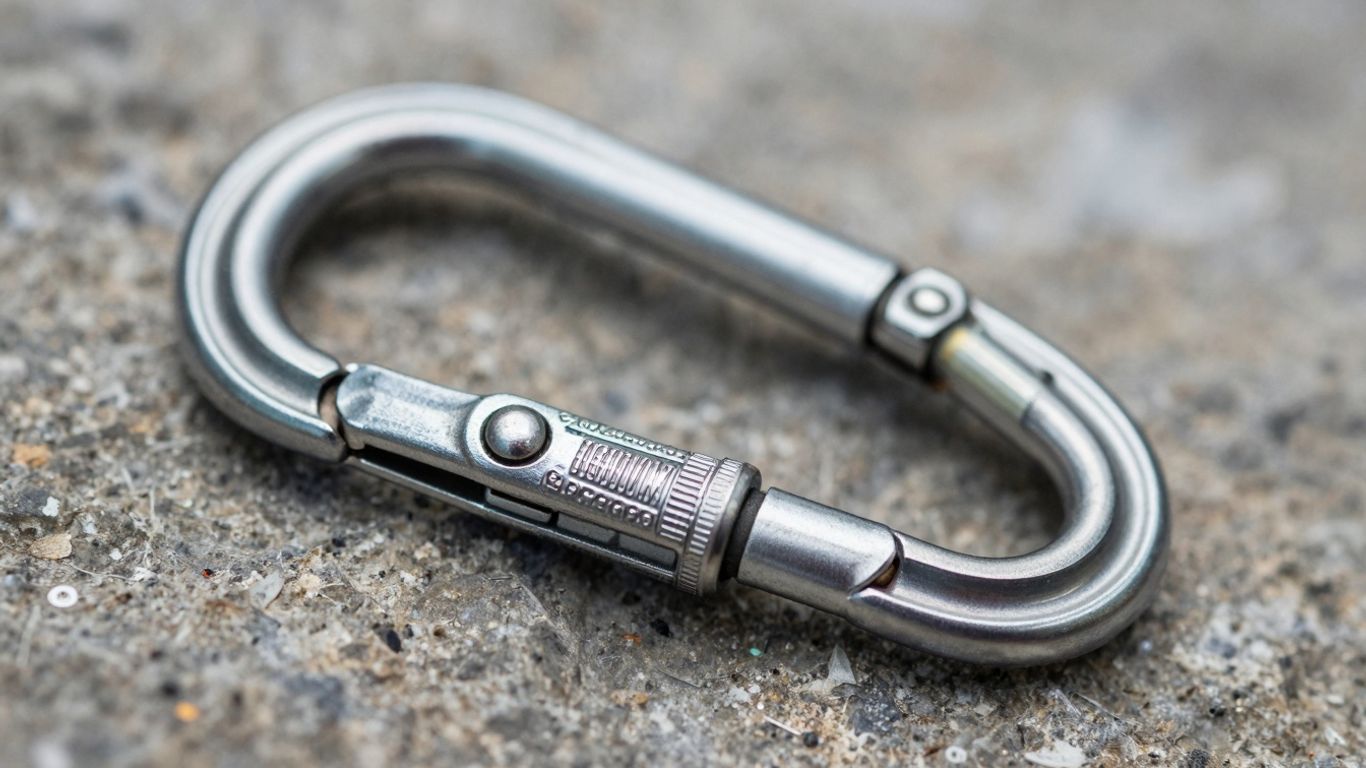
So, where does the Black Diamond Gridlock Magnetron actually shine? While it’s not exactly the most user-friendly carabiner out there, its unique design makes it a solid choice for specific situations where security is the absolute top priority, and a little extra fiddling is a price worth paying.
Gym Climbing Scenarios
For gym climbing, especially if you’re belaying a lot, the Gridlock Magnetron can be a good option. The auto-locking feature means you don’t have to worry as much about accidentally leaving the gate open while you’re distracted by the latest route. Plus, the anti-crossloading shape is a nice bonus, even if it can be a bit of a pain to get your belay device set up just right. It’s a trade-off between convenience and an extra layer of security in a controlled environment.
Dedicated Belay Carabiner
This carabiner was really designed with belaying in mind. If you’re someone who likes to have a specific piece of gear for a specific job, the Gridlock Magnetron fits the bill. It’s built to keep your belay loop locked and prevent it from sliding into a dangerous position. It might take some getting used to, but once you’ve figured out the best way to clip your belay device, it does its job well.
When Convenience Is Secondary
There are times when you just want the most secure connection possible, even if it means a bit more effort. Think about situations like:
- Glacier travel: When you’re roped up and moving across a glacier, the risk of accidentally weighting your tie-in point is higher. The Gridlock Magnetron’s auto-locking and anti-crossloading features provide peace of mind.
- Simul-climbing or party of three: Similar to glacier travel, these climbing styles can involve dynamic situations where a secure connection is paramount.
- Long rappels: While not its primary function, the robust design and secure lock can be beneficial when you need a reliable locker for rappelling.
While the Gridlock Magnetron’s magnetic auto-locking system is effective, it’s worth noting that some users find it a bit tricky to operate, especially with gloves on. The unique shape, while great for preventing cross-loading, can also make clipping and unclipping feel less fluid than with a standard carabiner. It’s a carabiner that prioritizes safety features over ease of use, and that’s okay for certain applications.
Ultimately, the Gridlock Magnetron isn’t for everyone. If you’re looking for a quick and easy locker for everyday sport climbing or trad climbing, you might find it frustrating. But if you value its specific security benefits and don’t mind a slightly more involved process, it can be a dependable tool for those niche scenarios.
So, Should You Buy It?
Alright, so after messing around with the Black Diamond GridLock Magnetron, what’s the final word? It’s definitely a unique piece of gear. The whole anti-crossloading thing is pretty neat, and the magnetic lock feels super secure, almost addicting to play with, which is kind of a double-edged sword. But, let’s be real, it’s also kind of a pain to use.
Getting it set up, especially with gloves or when you’re in a hurry, can be a real hassle. It’s pricey too, which makes those usability issues sting a bit more. If you’re all about having the absolute safest setup and don’t mind the extra steps, maybe this is your jam. For most of us, though, there are probably simpler, more convenient options out there that do a good enough job without making belaying feel like a puzzle.
Frequently Asked Questions
What makes the Black Diamond Gridlock Magnetron special?
This carabiner has a unique shape that keeps your belay loop from sliding around, which helps stop it from getting loaded the wrong way. It also uses magnets to automatically lock the gate shut, making it super secure.
Is the Magnetron locking system easy to use?
It’s a bit tricky at first. You have to squeeze two parts of the gate at the same time to open it. While it’s very secure, some people find it takes extra time and effort, especially when wearing gloves or in a hurry.
Can the magnets in the Gridlock Magnetron get blocked?
Yes, things like ice or dirt with iron in it can stick to the magnets and make it hard for the gate to lock properly. It’s a good idea to check the magnets now and then to make sure they are clean.
Why is this carabiner sometimes called ‘annoying’?
Because of its special shape and locking system, it can be a bit of a hassle to clip and unclip, especially when you’re trying to set up your belay device quickly or when you have a lot of gear on your harness. It requires more steps than a regular carabiner.
Is the Gridlock Magnetron good for gym climbing?
Many find it’s a good fit for gym climbing because you don’t move around as much, and the extra security can be appreciated. Since you’re not usually in a rush, the slightly slower operation isn’t as much of a problem.
Is the Gridlock Magnetron worth the extra cost?
It’s one of the more expensive carabiners. If having the absolute safest setup is your top priority and you don’t mind the extra steps, it might be worth it. However, many climbers find that other, less expensive carabiners are easier to use and still provide enough safety.
Recommended Products for Trad Climbing
These products can support safer climbing, belaying, rappelling, and emergency readiness.
Affiliate disclosure: As an Amazon Associate, TradClimbers may earn from qualifying purchases at no additional cost to you.
Keep exploring helpful trad climbing, gear, safety, and technique resources.