

Are you looking for the best womens backpacking sleeping bags? Finding the right sleeping bag like the perfect backpack like the Osprey Talon 44, can make or break a backpacking trip. You want something warm enough for chilly nights, light enough to carry, and comfy enough to actually sleep in.
Since we’re all built a little differently, especially when it comes to staying warm, women’s specific sleeping bags are a game-changer. They’re designed with our bodies in mind, often meaning more insulation where we need it and a better fit overall. We’ve checked out a bunch of options to help you find the best womens backpacking sleeping bags for your next adventure.
Best Womens Backpacking Sleeping Bags Post Key Takeaways
- Women’s specific sleeping bags are designed with women’s bodies in mind, often featuring more insulation in key areas and a more tailored fit.
- Down-filled bags generally offer better warmth-to-weight ratios and pack down smaller, but can lose warmth when wet.
- Synthetic bags are a good choice for wet conditions and are often more budget-friendly, though they can be heavier.
- Consider the temperature rating of the bag based on the conditions you expect to encounter on your trips.
- Look for features like a well-designed hood, draft collar, and a zipper that doesn’t snag to improve comfort and warmth.
1. Western Mountaineering Alpinlite
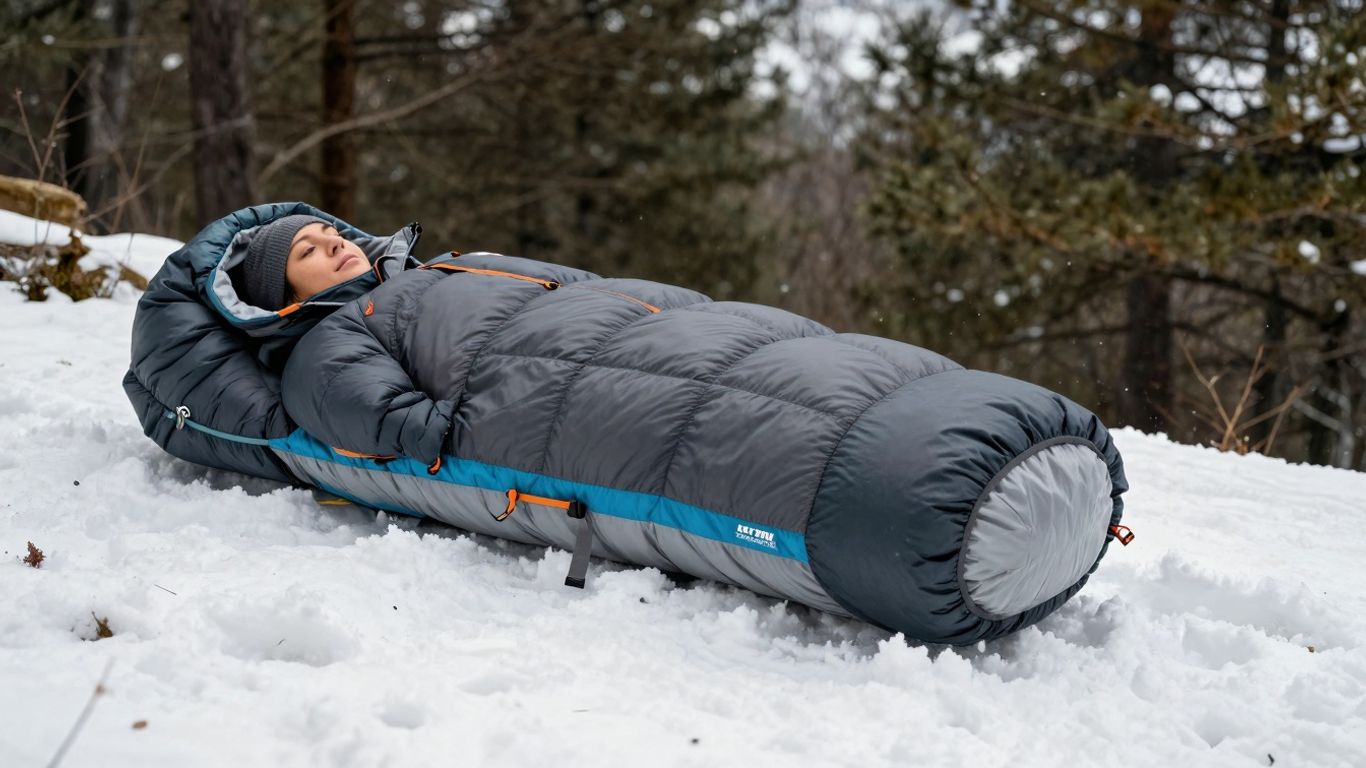
When you’re looking for a sleeping bag that’s pretty much the gold standard for serious backpackers, the Western Mountaineering AlpinLite often comes up. It’s made in the USA, which is a nice touch, and uses really good quality goose down. This bag is built to last and keep you warm on some pretty demanding trips.
One thing testers noted is that while it’s a great bag, it can be a bit narrow for some people. If you like a bit more room to toss and turn, you might find it a little snug. However, that snugness also helps keep the warm air in. It’s designed with a focus on warmth-to-weight ratio, meaning you get a lot of warmth without a lot of extra bulk or weight in your pack. That’s a big deal when you’re hiking miles every day.
Here’s a quick look at some specs:
- Temperature Rating: 20°F
- Fill Power: 850+ Goose Down
- Weight: Around 1 lb 5 oz (for a regular size)
- Fill Weight: 19 oz
It doesn’t come with a stuff sack, which is a bit of a bummer considering the price. You’ll probably want to buy one separately to keep it compressed in your pack. But honestly, the quality of the materials and the construction mean this bag could be with you for a very long time, potentially decades if you take care of it. It’s a simple design, no fancy bells and whistles, but what it does, it does really well. The zipper is also pretty solid and doesn’t snag easily, which is always a plus when you’re fumbling around in the dark trying to get in or out of your bag.
2. Feathered Friends Swallow Ul 20
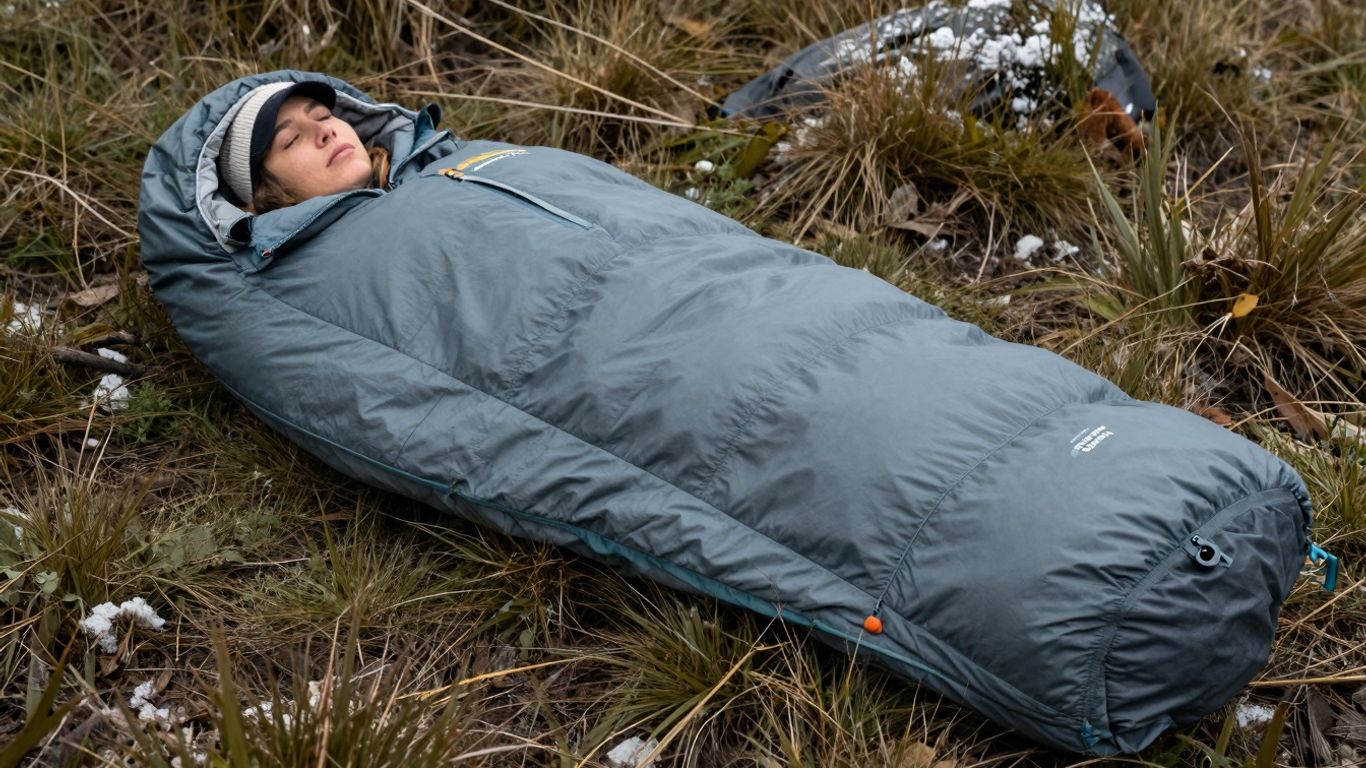
Alright, let’s talk about the Feathered Friends Swallow UL 20. This bag is pretty much a dream for anyone who’s serious about shedding weight from their pack. It’s incredibly light and packs down super small, which is a huge win when you’re trying to fit everything in.
What really sets this bag apart is the quality of the down. We’re talking 950+ fill power goose down here, and it’s packed in there pretty generously. This means it’s really warm for its weight, keeping you cozy when the temperature dips around its 20°F rating. The mummy shape is designed to keep heat from escaping, and the baffles are arranged in a way that helps with that too. Plus, that high-quality down compresses like crazy, saving you precious space.
Now, it’s a mummy bag, so it’s going to be snugger than a rectangular bag. Some folks might find it a bit tight, especially if you’re broader or tend to move around a lot in your sleep. The footbox is also designed to be narrow to keep your feet warm, which is great for warmth but might feel a little restrictive for some.
When it comes to features, Feathered Friends keeps it pretty simple here. You get a smooth zipper, a draft collar to stop heat from escaping around your neck, and a hood you can cinch down. Don’t expect a bunch of extra pockets or bells and whistles – it’s all about function and weight savings.
Here’s a quick look at some specs:
| Feature | Specification |
|---|---|
| Weight | ~1 lb 11.3 oz |
| Fill Power | 950+ |
| Fill Weight | 16.8 oz |
| Comfort Rating | ~20°F |
This bag is definitely an investment, no doubt about it. It’s not the cheapest option out there. But if you’re a dedicated backpacker or mountaineer who values saving every ounce and needs reliable warmth, the Swallow UL 20 might just be worth the splurge. It’s built to last and perform when you need it most.
3. Big Agnes Torchlight Exp 20 – Women’s
The Big Agnes Torchlight EXP 20 is a sleeping bag that really tries to do it all. It’s packed with features, aiming to give you a super customizable sleeping experience out in the backcountry. This bag is all about options, letting you tweak things to get just the right amount of comfort and space.
One of the standout features is the expandable side panels. You can unzip these to add about 10 inches of room inside the bag. This is great if you tend to toss and turn or just want a bit more wiggle room on warmer nights. However, testers noted that opening these panels can let out some warmth, so it’s best to use this feature when the temperature is above freezing. It’s a trade-off between space and heat.
Here’s a quick look at how it stacks up:
- Insulation: 650 fill DownTek (down)
- Weight: Around 2.31 lbs
- Temperature Rating: 20°F
- Unique Features: Expandable side panels, “pillow barn” to hold your pillow, pad attachment system.
Speaking of features, the “pillow barn” is a neat idea – it’s a sleeve on the outside where you can stuff your pillow or a jacket to keep it from sliding around. Plus, there’s a system to connect your sleeping pad to the bag, which stops you from sliding off your pad in the middle of the night. This is especially handy if you sleep on uneven ground.
While the Torchlight EXP 20 is designed to be versatile, some users might find that the added features contribute to a bit more weight and bulk compared to simpler bags. It also doesn’t come with a compression sack, which means you might have to work a bit harder to get it down to its smallest packed size.
If you’re someone who loves having lots of bells and whistles and wants to fine-tune your sleep setup, the Torchlight EXP 20 is definitely worth a look. It’s a feature-rich design that aims to please those who want more than just a basic bag.
4. Mountain Hardwear Bishop Pass 15 – Women’s
If you’re looking for a solid down sleeping bag that won’t completely empty your wallet, the Mountain Hardwear Bishop Pass 15 is a pretty good contender. It hits a sweet spot between affordability and performance, making it a great choice for folks who aren’t necessarily aiming for ultralight backpacking.
This bag uses 650 fill power down, which is a bit heavier and less compressible than the super-high-end stuff, but it’s also significantly cheaper. They’ve packed in a good amount of it, 21.2 ounces to be exact, to keep you warm down to about 15°F. It’s definitely a three-season bag, ready for most of your adventures from spring through fall.
One thing to note is the fit. It’s a mummy bag, designed to trap heat efficiently, but it’s on the slimmer side. The shoulder circumference is around 62 inches and the waist is about 53 inches. If you’re slender, you’ll probably be fine, but if you tend to move around a lot in your sleep or have a broader build, it might feel a little snug. It’s a trade-off for that extra warmth, I guess.
When it comes to features, they’ve put some thought into it. The zipper is designed to be anti-snag, which is a lifesaver when you’re fumbling around in the dark trying to get in or out. It also has a little internal pocket, perfect for stashing your phone or headlamp. It even comes with a compression sack, which is handy for packing it down small.
Here’s a quick look at some of its specs:
| Feature | Specification |
|---|---|
| Temperature Rating | 15°F |
| Fill Power | 650 |
| Fill Weight | 21.2 oz |
| Total Weight | 2 lb 5.2 oz |
| Insulation Type | Down |
While it might be a bit heavier than some ultralight options, the Bishop Pass 15 offers a lot of bang for your buck. It’s a reliable bag for casual backpackers who want to stay warm without breaking the bank. You can find more details about this Mountain Hardwear sleeping bag if you’re curious.
5. Sierra Designs Get Down 20 – Women’s
Alright, let’s talk about the Sierra Designs Get Down 20. This bag is kind of the budget-friendly option in our lineup. It’s made with materials that aren’t quite as fancy as some of the other bags, which means it’s not going to be your go-to for serious cold-weather trips. If you’re planning on backpacking when it’s below freezing, you might want to look at other options. Seriously, for those really chilly nights, something like the Western Mountaineering AlpinLite or the Mountain Hardwear Phantom 15 would be a better bet.
However, if you’re just starting out, don’t hit the trails every weekend, or mostly camp in milder weather, this bag could be a good fit. It’s definitely lighter and packs down smaller than many pricier down bags, and it’s pretty comfortable too. Plus, it’s roomy enough that you can layer up inside if the temperature drops unexpectedly. One tester even mentioned that for the price, it’s a solid choice that’ll get you a decent night’s sleep, and you can always add layers for extra warmth.
Here’s a quick look at how it stacks up:
- Warmth: Decent for 3-season use, but not for freezing temps.
- Weight: Pretty good, especially for the price point.
- Comfort: Generally comfortable, though some find the half-zip design a bit limiting.
- Packability: Packs down nicely, making it easy to fit in your backpack.
It’s a good value, no doubt about it. Just know its limitations when it comes to really cold conditions. For a similar weight and price, the Mountain Hardwear Bishop Pass 15 is a bit warmer and has more room, though it costs a little more.
6. Nemo Tempo 20 Synthetic – Women’s
The Nemo Tempo 20 Synthetic is a solid choice if you’re looking for a warm sleeping bag that won’t break the bank. It’s a women’s specific model, though the main difference is a zipper that can connect with Nemo’s men’s bags. While it’s not the lightest or smallest bag out there, especially compared to down options, it does come with a compression sack, which helps a bit with packing.
This bag really shines when it comes to warmth. It’s got a comfort rating of 23°F and a lower limit of 12°F, meaning it can handle some pretty chilly nights. Even when it got unexpectedly snowy during testing, the synthetic insulation kept testers warm and cozy. Plus, synthetic insulation has that great advantage of still keeping you warm even if it gets damp, which is a big plus in unpredictable weather.
Here’s a quick look at how it stacks up:
| Feature | Rating/Value |
|---|---|
| Warmth Score | 8.0 |
| Weight Score | 3.0 |
| Comfort Score | 8.0 |
| Packed Size | 7.5 |
| Features Score | 8.0 |
| Weight | 3.75 lbs |
| Insulation | Synthetic |
One thing to note is the hood. It’s pretty deep, which is nice, but it didn’t quite fit a standard backpacking pillow comfortably. Some testers found it easier to stuff a jacket in there for extra warmth. If a dedicated pillow pocket is a must-have for you, you might want to check out other options.
While the Tempo 20 isn’t the best for those aiming for ultralight gear, its affordability and reliable warmth make it a good pick for car camping, river trips, or shorter backpacking adventures where every ounce isn’t a major concern.
7. The North Face Cat’s Meow – Short
The North Face Cat’s Meow is a solid choice if you’re looking for a reliable three-season bag that won’t break the bank. It’s designed to keep you comfortable when the temperatures start to drop, making it a good option for spring, summer, and fall adventures.
This bag offers a good balance of warmth and weight for its price point. It uses synthetic insulation, which performs better than down when it gets damp, a definite plus for unpredictable weather. The mummy shape helps to trap body heat effectively, and the draft collar and hood can be cinched down to keep the cold out.
Here’s a quick look at some of its features:
- Insulation: Heatseeker™ Eco synthetic insulation (made with 100% recycled content)
- Temperature Rating: 20°F (-7°C)
- Weight: Around 3 lbs 5 oz (regular size)
- Packability: Compresses down reasonably well for its class
- Features: Full-length draft tube, adjustable hood, internal stash pocket
While it might not be the absolute lightest or warmest bag out there, it’s a dependable workhorse. It’s a great option for casual backpackers or those who prioritize durability and value over shaving off every last ounce.
The Cat’s Meow is a bag that just gets the job done. It’s not fancy, but it’s warm enough for most three-season conditions and holds up well to regular use. If you’re not aiming for ultralight, this is a sensible pick.
8. Nemo Disco 15 – Women’s
The Nemo Disco 15 is a sleeping bag that really tries to do things a bit differently, and for the most part, it succeeds. It’s a fantastic option if you’re someone who tosses and turns or prefers sleeping on your side. The spoon-shaped mummy design gives you more room around your elbows and knees, which makes a huge difference in comfort compared to those super-snug bags. I found myself able to shift positions without feeling like I was fighting the bag, which was a nice change of pace.
One of the coolest features is the “Thermo Gills.” These are basically zippers on the top of the bag that let you vent heat without letting in a ton of cold air. It’s a smart way to manage your temperature when the nights aren’t super frigid but you still want to stay cozy. Plus, there’s a full-length zipper on the side, and an oversized draft collar that really seals out the cold. It feels pretty well-built, too, with a waterproof footbox that’s handy if you’re dealing with damp gear.
What really sets the Disco apart, though, is Nemo’s commitment to sustainability with their Endless Promise program. The entire bag, from the shell fabric to the down, is designed to be recycled. When it’s reached the end of its life, you can send it back to Nemo, and they’ll recycle it into something new, even giving you a gift card for your trouble. It’s a big step towards reducing waste in the outdoor gear world, and honestly, it makes you feel good about your purchase. You can even send it in for repairs, which is pretty neat.
Here’s a quick look at some specs:
- Temperature Rating: 15°F
- Weight: Around 2 lbs 11 oz (women’s regular)
- Fill: 650-fill down
- Unique Features: Spoon shape, Thermo Gills, pillow pocket, waterproof footbox
It’s not the lightest or most compact bag out there, and because it’s roomier, it might not be as warm as a super-tight mummy bag in extreme cold. But for most three-season backpacking trips, especially if comfort is high on your list, the Nemo Disco 15 is a really solid choice. It’s a comfortable bag that also happens to be a more responsible option for the planet, which is a win-win in my book. You can check out more about Nemo’s commitment to sustainability on their site.
9. Kelty Cosmic Ultra 20 – Women’s
The Kelty Cosmic Ultra 20 is a solid choice if you’re looking for a sleeping bag that won’t break the bank but still keeps you warm. It’s a pretty good value, honestly. This bag is designed for three-season use, meaning it should handle most of your camping trips from spring through fall.
One thing that really stands out is how Kelty has updated this bag. They’ve made it a bit roomier, especially in the footbox, which is a nice touch for comfort. Plus, they’re using more recycled materials now, which is always a good thing. The shell is a durable nylon, and the inside is a soft polyester, both made from recycled stuff. They’ve also added a PFAS-free DWR finish to the shell to help it shed light moisture.
When it comes to warmth, the women’s version gets a significant amount more down fill compared to the men’s. This means the women’s bag is heavier, but testers found it felt true to its 20-degree rating. The men’s version, on the other hand, felt more like a bag for warmer nights. So, if you’re a woman looking for a bag that’s genuinely warm for its rating, this one is worth considering.
Here’s a quick look at some specs:
- Temperature Rating: 20°F (-7°C)
- Fill Type: 550-fill power duck down
- Shell Material: 20-denier recycled nylon taffeta with PFAS-free DWR
- Liner Material: 50-denier recycled polyester taffeta
- Weight (Women’s Regular): Around 3.3 lbs
I tested this bag out in the Boundary Waters, where it got down into the low 40s overnight. I was able to vent it from the bottom using the two-way zipper, which helped keep me from getting too warm. On a colder night, when it was in the mid-30s, the draft tube, collar, and hood all worked well to keep the warmth in. It felt pretty accurate for a 20-degree bag, though I wouldn’t push it much colder than that.
One thing to note is that Kelty doesn’t include a large storage sack with this bag. They do provide a compression sack, but it’s best to store your down bag uncompressed when you’re not using it to help it last longer. So, you might want to find a bigger, breathable sack for home storage.
Overall, the Kelty Cosmic Ultra 20 is a good option for backpackers who want a warm, comfortable bag without spending a fortune. It’s a great example of a budget-friendly sleeping bag that still performs well for its price point.
10. Marmot Teton 15 – Women’s
The Marmot Teton 15 is a solid choice if you’re looking for a reliable bag that won’t break the bank. It’s designed for three-season use, meaning it should keep you comfortable on most trips from spring through fall. This bag offers a good balance of warmth, weight, and affordability.
When it comes to keeping you warm, the Teton 15 uses Marmot’s own synthetic insulation, which is great because it still insulates even if it gets a little damp. That’s a big plus for backpacking where weather can be unpredictable.
Here’s a quick look at some of the specs:
- Temperature Rating: 15°F (-9°C)
- Weight: Around 3 lbs 5 oz
- Insulation Type: Synthetic
- Fill Power: 650
It’s not the lightest bag out there, but for the price, it’s a pretty good deal. The synthetic fill means it’s a bit bulkier than a down bag, so keep that in mind when you’re packing your backpack. However, its durability and ability to handle moisture make it a practical option for many backpackers.
The Teton 15 is a dependable bag that provides good warmth for its price point. It’s a great option for those who prioritize value and don’t mind a little extra weight for the added benefits of synthetic insulation.
11. Marmot Trestles Elite Eco 20 – Women’s
Alright, let’s talk about the Marmot Trestles Elite Eco 20 for women. This bag is a solid choice if you’re looking for a synthetic option that won’t completely break the bank. It’s designed to be a workhorse, and honestly, it holds up pretty well.
This sleeping bag is a great pick for backpackers who want reliable warmth and durability without the premium price tag of down. It uses recycled synthetic insulation, which is a nice touch for the eco-conscious among us. Plus, synthetic fill has that big advantage of keeping you warm even if it gets damp, which is a lifesaver in unpredictable weather. I remember one trip where everything else was soaked, but my sleeping bag was still doing its job. That’s the kind of peace of mind you get with synthetic.
Here’s a quick rundown of what it offers:
- Insulation: Recycled synthetic fill that performs well when wet.
- Temperature Rating: 20°F (-7°C), making it suitable for three-season use.
- Weight: Around 3 lbs 12.4 oz, which is on the heavier side but manageable for many.
- Features: A unique blanket-fold zipper for customizable ventilation, an internal stash pocket, and it comes with a compression sack.
It’s not the lightest or most compressible bag out there, so if you’re aiming for an ultralight setup, you might want to look elsewhere. But for general backpacking, car camping, or if you just prefer synthetic, it’s a really good value. The blanket-fold zipper is a neat little feature that lets you open up the top for airflow while keeping your feet toasty. It’s those little thoughtful touches that make a difference on a chilly night.
12. Rei Trailmade 20 – Women’s
The REI Trailmade 20 is a solid choice if you’re looking for a reliable sleeping bag that won’t break the bank. It’s designed with women in mind, so you get a bit more room in the hips and a footbox that’s shaped for comfort. This bag uses synthetic insulation, which is great because it still insulates even if it gets a little damp, unlike down. That’s a big plus when you’re out in unpredictable weather.
It’s a great all-around performer for three-season backpacking. You can often find this bag at a good price, making it accessible for many backpackers. It’s not the lightest bag out there, but for the warmth and features you get, it’s a pretty good deal. The shell material feels durable, and the zipper has a draft tube to keep the cold air out. Plus, knowing it’s from REI means you’re likely getting a product that’s been tested and is backed by a company that cares about outdoor gear.
Here’s a quick look at some of its specs:
- Temperature Rating: 20°F (-7°C)
- Insulation Type: Synthetic
- Weight: Around 3 lbs 5 oz (1.5 kg)
- Fill Power: 650
- Fill Weight: 28 oz (0.79 kg)
When it comes to packing, it’s not the most compressible bag, so you’ll want to make sure you have enough space in your pack. But for car camping or shorter trips where weight isn’t the absolute top priority, it’s a really comfortable and warm option. It’s definitely a bag that offers good value for the money, especially if you’re just getting into backpacking or need a dependable bag for general use. You can check out other backpacking sleeping bags to compare.
13. Rei Magma 15
The REI Magma 15 is a solid choice if you’re looking for a warm bag that can handle some serious cold. It’s got a comfort rating of 21°F, which means even if you tend to get chilly at night, you should be pretty cozy. For those who run hot, you might even be able to push it into the teens, especially if you’ve got a good sleeping pad underneath you.
What’s really cool about this bag is REI’s focus on inclusive sizing. They offer a really wide range of sizes, including options for different lengths and widths, which is a big deal. Finding a sleeping bag that actually fits well can make a huge difference in comfort and warmth.
The Magma 15 uses 850-fill down, which is pretty high quality. This means it’s warm for its weight and packs down pretty small, making it easier to stuff into your backpack. It has a true mummy shape, which is efficient for trapping heat because it cuts down on extra space your body has to warm up. Some people might find the leg area a bit snug, but like I said, they do offer wider versions if that’s a concern for you.
Here’s a quick look at some of the specs:
| Feature | Specification |
|---|---|
| Comfort Rating | 21°F |
| Fill | 850-fill down |
| Weight | 2 lb 3.6 oz (Reg) |
| Fill Weight | 23.3 oz (Reg) |
It also has some nice little touches, like a draft collar to keep the chill out around your neck and a stash pocket for small items. The zipper is designed to be snag-free, which is always a plus when you’re fumbling around in the dark.
This bag is a great option for winter camping or high-altitude trips where you know it’s going to get cold. The down fill and efficient design work together to keep you warm without weighing you down too much.
14. Big Agnes Backpacking Sleeping Bags
Big Agnes makes some seriously good gear, and their sleeping bags are no exception. If you’re heading out into the backcountry, you want something that’s going to keep you warm without weighing you down, and Big Agnes really hits that mark. They’ve got a range of bags designed for different conditions, but they all seem to focus on that sweet spot between warmth, durability, and being easy to pack.
What I like is that they’re thinking about the environment too. Many of their bags use PFAS-free water-resistance finishes, which is a nice touch. It means you can get a bit of protection from dew or light rain without all the harsh chemicals. When you’re out there, comfort is king, and Big Agnes seems to get that.
Here’s a quick look at what makes them stand out:
- Warmth-to-Weight Ratio: They manage to pack in good insulation without making the bag feel like a brick in your pack. This is huge when you’re covering miles.
- Thoughtful Features: Things like well-designed baffles to keep the insulation in place and zippers that don’t snag are often standard. Little things, but they make a big difference after a long day.
- Durability: Backpacking gear takes a beating, and Big Agnes bags are generally built to last through many trips.
Choosing the right sleeping bag is a big deal. It’s not just about staying warm; it’s about getting good rest so you can actually enjoy your hike. Big Agnes seems to put a lot of thought into making bags that help you achieve that.
They offer options whether you’re looking for something super light for summer trips or a bag that can handle colder shoulder seasons. It’s worth checking out their lineup if you’re in the market for a new bag that balances performance and practicality.
15. Down Or Synthetic?
So, you’re trying to figure out if you should go with a down or synthetic sleeping bag. It’s a pretty common question, and honestly, there’s no single right answer. It really depends on what you’re doing and what you prioritize.
Down bags are generally lighter and pack smaller than synthetic ones, making them a favorite for serious backpackers who need to shave every ounce. They also tend to be warmer for their weight. Think of it like this: down is super fluffy and traps air really well, which is what keeps you warm. However, down can be pricey, and if it gets wet, it loses its loft and warmth. It also takes a long time to dry out.
Synthetic bags, on the other hand, are usually more affordable. A big plus is that they still insulate pretty well even when they’re damp, and they dry out much faster than down. This makes them a solid choice if you often hike in wet conditions or if you’re on a tighter budget. The downside? They’re typically heavier and bulkier than down bags, so you’ll be carrying a bit more weight and taking up more space in your pack.
Here’s a quick rundown:
- Down: Lighter, packs smaller, great warmth-to-weight ratio, but expensive and loses warmth when wet.
- Synthetic: More affordable, insulates when damp, dries faster, but heavier and bulkier.
When you’re choosing, think about where you’ll be camping. If you’re heading to dry, cold places and want the lightest setup possible, down might be your best bet. But if you’re dealing with rain, humidity, or just want something that’s easier to care for and won’t break the bank, synthetic is a really good way to go. It’s all about finding the right balance for your adventures.
Wrapping Up Your Search
So, we’ve looked at a bunch of sleeping bags, trying to cut through all the noise to help you find the right one. It’s a big market out there, but hopefully, this guide gives you a clearer picture. Whether you’re heading out for a quick weekend trip or planning a longer trek, picking the right sleeping bag makes a huge difference in how comfortable you’ll be. We hope this helps you choose a bag that will keep you cozy on your next adventure.
Frequently Asked Questions
Why should I choose a sleeping bag made specifically for women?
Women’s sleeping bags are designed with a woman’s body in mind. They often have a shorter length, a more tailored fit for curves, and extra insulation in key areas like the feet and core. This means they can be warmer and more comfortable than a regular sleeping bag that might have too much extra space.
What’s the difference between down and synthetic sleeping bags?
Down sleeping bags are super warm, light, and can be squished down small. But, they don’t work as well when they get wet. Synthetic bags are usually a bit heavier and bulkier, but they still keep you warm even if they get damp. So, down is great for dry trips, and synthetic is better for wet or humid places.
How do I know what temperature rating is right for me?
The temperature rating on a sleeping bag tells you the lowest temperature it’s designed to keep you warm in. Think about where you’ll be camping. If you often camp in chilly weather, pick a bag with a lower temperature rating. It’s always better to have a bag that’s a little too warm than one that’s not warm enough!
What does ‘fill power’ mean for down sleeping bags?
Fill power is a way to measure how fluffy and warm the down is. A higher fill power number, like 800 or 900, means the down is of better quality. It traps more air, making the bag warmer without adding a lot of weight or bulk.
How important is the weight and packed size of a sleeping bag?
If you’re backpacking, every ounce counts! A lighter sleeping bag and one that packs down small will make your pack easier to carry. For long hikes, choosing a bag that’s both warm and lightweight is a big plus.
How should I wash and care for my sleeping bag?
To keep your sleeping bag in good shape, it’s best to wash it gently. Use a special cleaner for down or a mild soap. Wash it by hand or in a front-loading washing machine. After washing, tumble dry it on low heat with a few tennis balls to help fluff up the down. Washing it only once or twice a year is usually enough.
Recommended Mountaineering Equipment
These products can improve fit, mobility, and comfort during long climbing days.
Affiliate disclosure: As an Amazon Associate, TradClimbers may earn from qualifying purchases at no additional cost to you.
Keep exploring helpful trad climbing, gear, safety, and technique resources.