

So, you’re heading out into the wild and need a solid way to hang your hammock. Finding the right carabiner can make all the difference between a chill afternoon nap and a gear failure. We’ve all seen those super heavy-duty clips, but sometimes lighter is better, right?
Let’s talk about what makes a good hammock carabiner and what you should look for to keep your setup secure and your pack light. We’ll cover different materials and types to help you pick the best hammock carabiners for your next adventure.
Best Hammock Carabiners Post Key Takeaways
- Titanium carabiners are a great choice for being both strong and light, making them ideal for backpacking.
- Heavy-duty camping clips offer reliability for various outdoor tasks, not just hammocks.
- Locking carabiners provide extra security, preventing accidental unhooking, which is important for hammocks.
- Consider lightweight options if you’re trying to cut down on pack weight without sacrificing strength.
- Carabiners can be used for more than just hammocks, like securing gear or hanging food bags.
1. Titanium Hammock Carabiners
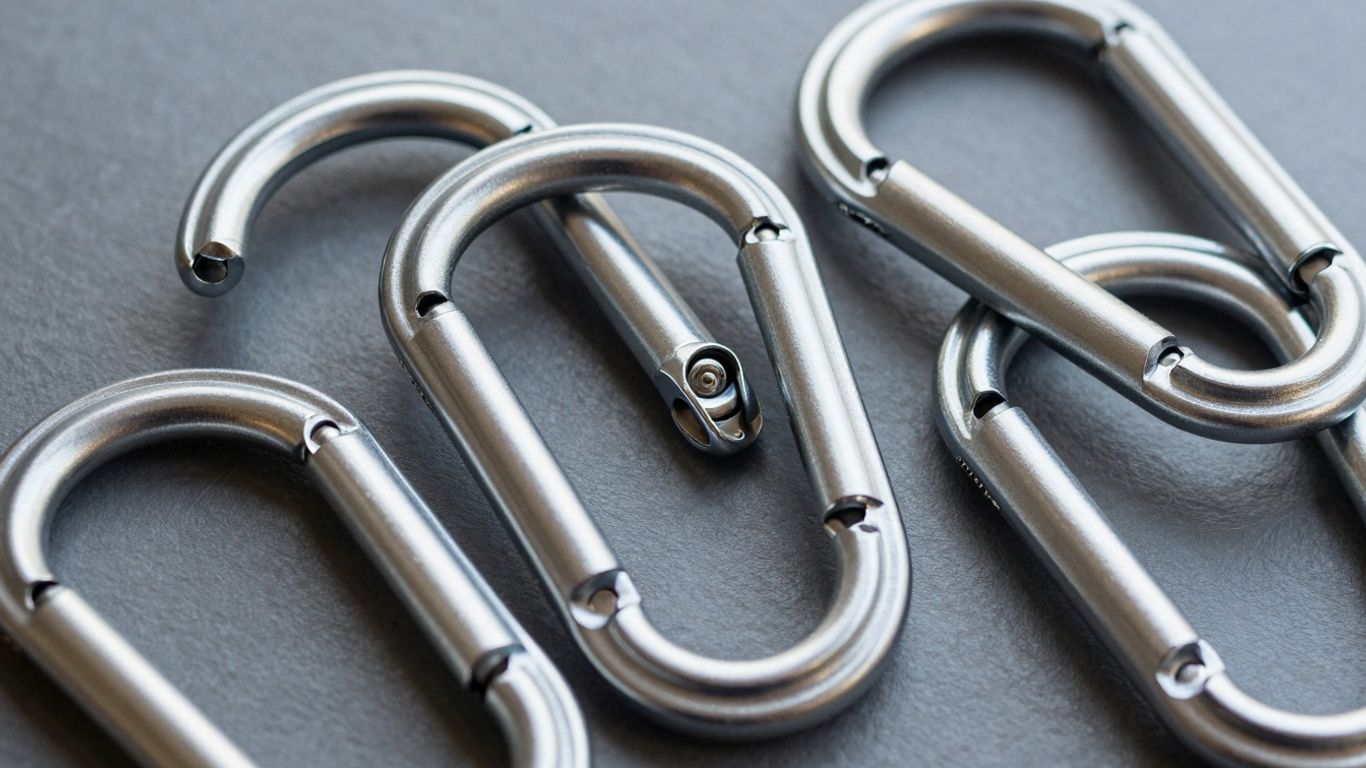
When you’re out in the wild, every ounce counts, right? That’s where titanium carabiners really shine. They’re super light, which is a big deal when you’re hiking for miles. Plus, titanium is really strong, so you don’t have to worry about it breaking when you’re hanging your hammock or securing gear. These aren’t your average keychain clips; they’re built for the outdoors.
Think about it: you want something reliable that won’t add a ton of weight to your pack. Titanium fits the bill perfectly. It doesn’t rust like some other metals, so even if you get caught in the rain, your carabiner will be fine. It’s a small piece of gear, but it makes a difference.
Here’s a quick look at why they’re a good choice:
- Weight: Significantly lighter than steel or even aluminum options.
- Strength: High strength-to-weight ratio, meaning they can hold a lot without being heavy.
- Corrosion Resistance: Won’t rust or degrade easily from exposure to the elements.
- Durability: Holds up well against wear and tear.
While they might cost a bit more upfront, the longevity and performance of titanium carabiners often make them a worthwhile investment for serious campers and backpackers. You’re paying for peace of mind and a lighter load.
So, if you’re looking to shave some weight and still have gear you can count on like a legitimate 4 season tent, definitely check out titanium carabiners for your next trip. They’re a solid choice for hanging your hammock or any other outdoor task.
2. Stainless Steel Scuba Diving Bolts
Okay, so maybe you’ve seen some folks using what look like heavy-duty bolts for their hammocks. These are often repurposed scuba diving hardware, typically made from stainless steel. They’re built to handle serious pressure and corrosive environments, which means they’re incredibly strong and resistant to rust. If you prioritize bomb-proof security over weight, these might be worth a look.
However, there’s a catch. These things are heavy. Like, really heavy. Carrying a few of these around can add a noticeable amount of weight to your pack, which isn’t ideal for long hikes. They also tend to be bulkier than standard carabiners, making them a bit less convenient to clip and unclip.
Here’s a quick rundown:
- Pros: Extremely strong, very durable, excellent corrosion resistance.
- Cons: Significantly heavier than typical hammock carabiners, bulkier, can be overkill for most hammock setups.
While they offer unmatched strength, the weight penalty is a major consideration for backpackers. For casual use or car camping where weight isn’t a primary concern, they can be a reliable option, but for serious trekking, lighter alternatives are usually preferred.
3. Heavy-Duty Camping Clips
When you’re out in the wild, the last thing you want is gear that fails. That’s where heavy-duty camping clips come into play. These aren’t your average little keychain doodads; we’re talking about carabiners built to handle some serious work. Think about hanging your hammock, securing a tarp in windy conditions, or even hoisting food bags away from critters. For these tasks, you need something robust.
These clips are designed for reliability when it matters most. They often feature thicker wire gates and stronger locking mechanisms than their lighter counterparts. While they might add a bit of weight to your pack, the peace of mind they provide is usually worth it. You’ll find many made from strong aluminum alloys or even steel, chosen for their durability and resistance to wear and tear.
Here’s a quick look at what makes them stand out:
- Material Strength: Often aluminum alloy or steel, offering a good balance of strength and weight.
- Load Capacity: Rated for higher weight limits, suitable for more demanding applications.
- Gate Mechanism: Robust gates, sometimes with screw-lock or auto-lock features, to prevent accidental opening.
- Durability: Built to withstand rough use, weather, and repeated stress.
When choosing a heavy-duty clip, always check the weight rating. It’s not just about how much it can hold, but how much you need it to hold for your specific setup. Don’t guess; know your gear’s limits.
For instance, if you’re setting up a base camp or planning an extended trip where gear security is paramount, investing in a few of these beefier clips makes a lot of sense. They’re the workhorses of the carabiner world, ready to take on whatever the outdoors throws at them.
4. Lightweight Carabiners
When you’re heading out into the wild, every ounce counts, right? That’s where lightweight carabiners really shine. They’re designed to give you the strength you need without weighing down your pack. Think about it – you’re hiking for miles, and suddenly that extra pound or two from heavier gear starts to feel like ten. Switching to lighter carabiners can make a noticeable difference, especially if you’re carrying a lot of other stuff.
These aren’t just about shaving off grams, though. The best lightweight carabiners are still built tough. They use materials like aluminum alloys that are strong but significantly lighter than steel. You’ll find they’re perfect for clipping your hammock to trees, securing your gear, or even just keeping things organized around camp.
Here’s a quick look at what makes them a good choice:
- Reduced Pack Weight: Less weight means more comfortable hiking and less fatigue.
- Easy to Carry: They don’t add bulk, making them convenient for any trip.
- Still Strong: Don’t let the light weight fool you; they’re engineered for reliable performance.
When choosing, always check the weight rating. Just because it’s light doesn’t mean it can’t handle the load. Look for carabiners that are rated for climbing or heavy-duty use if you plan on putting them under significant stress. It’s a balance between being light and being safe.
So, if you’re looking to trim down your gear without sacrificing functionality, definitely consider adding some lightweight carabiners to your setup. They’re a smart move for any outdoor enthusiast who values both comfort and capability.
5. Locking Carabiners
When you’re setting up your hammock, especially if you’re dealing with any kind of load or just want that extra bit of security, locking carabiners are a really good idea. Unlike regular carabiners that just clip shut, these have a mechanism that keeps them from accidentally opening. This is super important because you don’t want your hammock or gear coming loose when you’re miles from anywhere.
The main benefit is preventing accidental unlatching. Think about it: you’re hanging your hammock, maybe adjusting the tension, or just moving around. A standard carabiner could potentially get bumped just right and pop open. A locking one won’t do that. They usually have a screw gate or an auto-locking mechanism. Screw gates are pretty straightforward – you just twist the sleeve to open and close it. Auto-lockers are a bit fancier and snap shut on their own, often requiring a specific action to open, like pushing and twisting.
Here’s a quick look at the types:
- Screw Gate: Simple, reliable, and usually a bit lighter. You have to remember to screw it shut, though.
- Auto-Locking: Quicker to use if you’re frequently attaching and detaching. Some have a “twist-lock” action, while others might be a “ball-lock” or “triple-action” gate.
For hammock camping, I’d lean towards something like the FresKaro 3-inch 12kN auto-locking carabiner. They’re built tough from aluminum, which keeps the weight down, and they’re designed to handle the stress.
You might think they’re overkill for just hanging a hammock, but when you consider the forces involved, especially with wind or shifting weight, that extra security is worth its weight in gold. It’s one of those pieces of gear where you don’t really appreciate it until you really need it, and then you’re super glad you have it.
They’re not just for hammocks, either. If you’re using your carabiner for anything critical, like securing a tarp in bad weather or attaching gear to your pack that you absolutely cannot lose, a locking carabiner is the way to go. It adds a layer of confidence to your setup.
6. Versatile Carabiner Tools
When you’re out in the wild, having gear that can pull double duty is a game-changer. That’s where versatile carabiner tools really shine. These aren’t just for clipping your hammock; they can help with all sorts of campsite tasks. Think about securing your ridgeline, hanging your food bag away from critters, or even quickly adjusting your hammock suspension. A good carabiner is more than just a hook; it’s a problem-solver.
Some carabiners come with extra features that make them even more useful. You might find ones with built-in bottle openers, small screwdrivers, or even emergency whistles. While these might add a tiny bit of weight, the convenience can be worth it, especially if you’re trying to pack light. It’s like having a mini multi-tool right on your gear.
Here are a few ways these handy tools can help:
- Campsite Organization: Keep your cooking gear, water bottles, and lanterns off the ground.
- Gear Repair: A small flathead screwdriver on a carabiner can sometimes be just what you need for minor adjustments.
- Quick Attachments: Easily clip extra gear to your backpack or hammock suspension.
When choosing, consider what you’ll actually use. Do you need a full-blown multi-tool, or just something that clips and unclips easily? For many, a simple, strong carabiner that can handle the weight of their hammock and suspension is enough. But if you like having options, look for those with added functions. It’s always good to have a few of these on hand, maybe even check out some top multi-tools if you’re looking for more integrated solutions.
The beauty of a versatile carabiner is its simplicity combined with its potential. It’s a small piece of metal that can make a big difference in how smoothly your trip goes. Don’t underestimate the power of a well-chosen clip.
7. Durable Hammock Gear
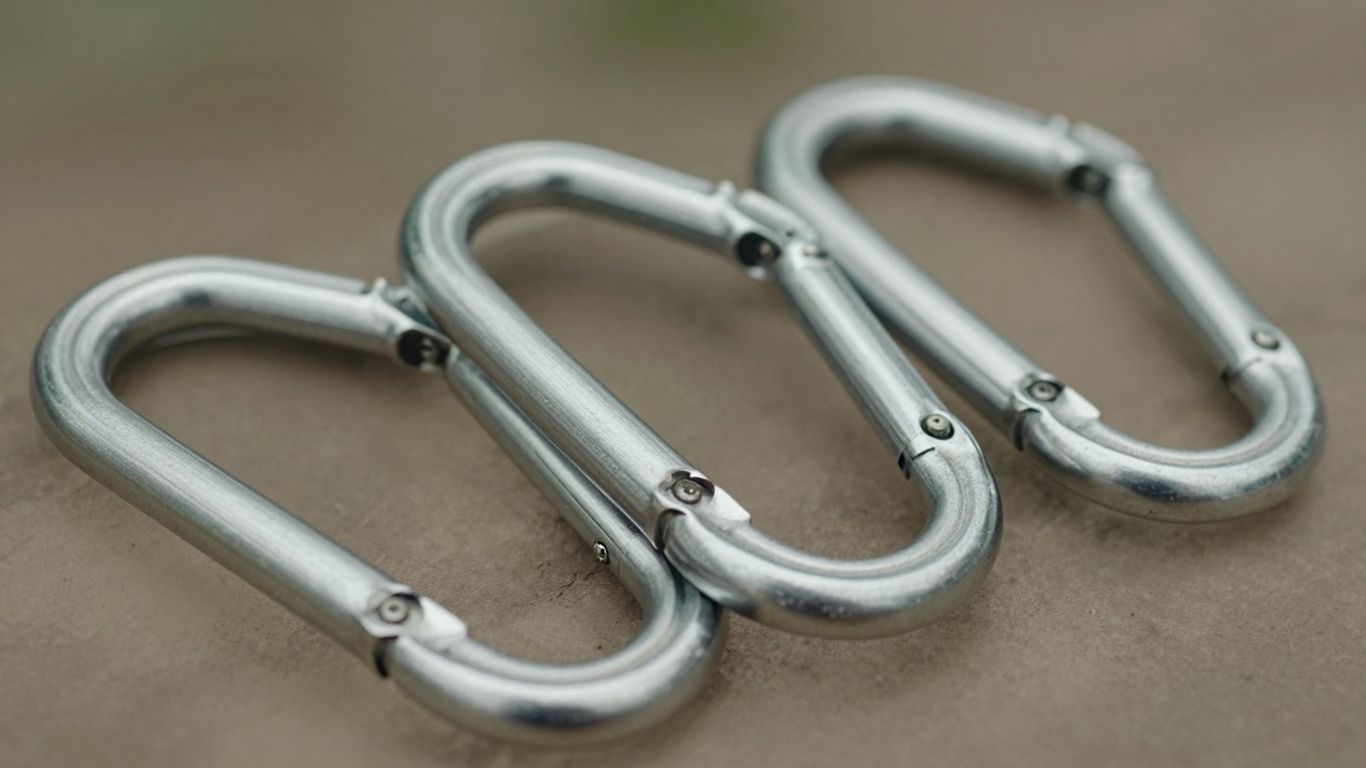
When you’re out in the wild, the last thing you want is gear that fails you. That’s where durable hammock gear comes into play. We’re talking about pieces built to last, to handle whatever the weather throws at them, and to keep you comfortable and secure.
The right gear means peace of mind. You don’t want to be worrying about a carabiner snapping or a strap fraying when you’re miles from anywhere. Durability isn’t just about toughness; it’s about reliability. It’s about knowing your setup will hold, night after night, trip after trip.
Here’s what makes hammock gear truly durable:
- Material Strength: Look for materials like high-grade aluminum alloys or even titanium. These offer a great balance of being strong without adding a lot of weight.
- Construction Quality: How is it put together? Are the welds clean? Are there any weak points? Good construction means it can take a beating.
- Weather Resistance: Gear that can handle sun, rain, and temperature changes without degrading is key. Think about coatings that prevent rust or UV damage.
- Weight Capacity: Always check the stated weight limit. Even the most durable gear has its limits, and it’s important to respect them.
Choosing durable gear might mean a slightly higher upfront cost, but it pays off in the long run. You’ll replace items less often, and more importantly, you’ll have gear you can count on when it matters most. It’s an investment in your comfort and safety outdoors.
Think about it like this: you wouldn’t want to rely on a flimsy rope for a critical task, right? The same applies to your hammock setup. Investing in durable components means you can focus on enjoying the scenery and the peace of hanging out, rather than worrying about your gear.
8. Reliable Carabiner Clips
When you’re out in the wild, the last thing you want is gear that lets you down. That’s where reliable carabiner clips come in. These aren’t just fancy metal loops; they’re your connection points for everything from your hammock to your cooking pot. You need to trust that they won’t fail, especially when you’re hanging high off the ground or securing important items.
Think about it: you’ve found the perfect spot, set up your hammock, and you’re ready to relax. If your carabiner isn’t up to the task, that relaxation can turn into a quick descent. The same goes for securing your food bag from critters or making sure your tarp stays put during a sudden downpour. A dependable clip means peace of mind.
Here’s what makes a carabiner clip truly reliable:
- Material Strength: Look for carabiners made from strong metals like aluminum alloy or steel. These materials can handle significant weight without bending or breaking.
- Secure Closure: Whether it’s a screw-gate or a spring-loaded gate, the closure mechanism needs to be robust. You don’t want it accidentally opening.
- Weight Capacity: Always check the load rating. For hammock use, you’ll want something that can handle well over your body weight, plus a safety margin.
- Smooth Operation: The gate should open and close smoothly without sticking. This is especially important if you’re dealing with cold hands or gloves.
Choosing carabiners isn’t just about picking the cheapest option. It’s about investing in safety and dependability for your outdoor adventures. A little extra spent on a quality clip can save you a lot of trouble down the line.
For instance, some carabiners are designed with a specific purpose in mind, like those made for climbing or rescue, which have incredibly high weight limits. While you might not need that extreme level for a hammock, it shows the kind of engineering that goes into reliable gear. For general camping and hammock use, focus on clips that balance strength, weight, and ease of use. You’ll find that many brands offer excellent options that won’t weigh you down but will hold strong when you need them to.
9. High-Quality Carabiners
When you’re out in the wild, relying on your gear is a big deal. That’s why picking out high-quality carabiners for your hammock setup isn’t just about having something shiny; it’s about trust. You want to know that when you hang your hammock, it’s going to stay put, no matter what.
Think about it: you’re miles from anywhere, maybe the weather’s turning, and the last thing you need is a carabiner failing. That’s where quality really shines. It means the metal is strong, the gate mechanism works smoothly every time, and it’s built to handle the stress of holding your weight, plus any movement.
Here’s what makes a carabiner stand out as high-quality:
- Material Strength: Look for carabiners made from good steel or even titanium. These materials are known for being tough and resisting corrosion, which is a plus if you’re often in damp conditions.
- Weight Capacity: Always check the load rating. For hammock camping, you need something that can handle more than just your body weight, especially if you’re tossing and turning or dealing with wind.
- Gate Action: A smooth, reliable gate is key. It should open and close without sticking and, if it’s a locking carabiner, the lock should feel secure.
- Finish and Construction: A well-made carabiner will have a clean finish, no rough edges, and feel solid in your hand. It just feels right.
Investing a little more in a top-notch carabiner can save you a lot of hassle and worry on your trips. It’s one of those small pieces of gear that makes a huge difference in your overall comfort and safety.
Don’t just grab the cheapest option. A truly high-quality carabiner is a small investment that pays off big in reliability and peace of mind when you’re enjoying your time outdoors.
10. U.S. Manufactured Carabiners
When you’re out in the wild, having gear you can trust is a big deal. That’s why looking for carabiners made right here in the United States can be a smart move. Companies that manufacture their gear domestically often have a closer eye on quality control and the materials they use. It means you’re more likely to get a product that’s built to last, and you’re supporting jobs closer to home.
Choosing U.S.-made carabiners often means you’re getting a product with a strong emphasis on durability and reliable performance. These aren’t just random clips; they’re often designed with specific outdoor uses in mind, like hanging your hammock or securing gear. You’ll find a good range of options, from lightweight models for backpacking to heavier-duty ones for more demanding situations.
Here are a few things to consider when looking at U.S.-manufactured carabiners:
- Materials: Many are made from strong aluminum alloys or stainless steel, chosen for their strength-to-weight ratio and resistance to rust.
- Weight Capacity: Always check the load rating. Even small carabiners can hold a surprising amount of weight, but it’s good to know the limits.
- Finish: Look for smooth finishes that won’t snag on your hammock or other gear.
- Design: Some are designed with specific features like wire gates for reduced weight or locking mechanisms for extra security.
Buying American-made gear can give you peace of mind. It often means a commitment to higher standards and a product that’s less likely to fail when you need it most. Plus, the support for domestic manufacturing is a nice bonus.
While specific brands might change, the general idea is that a carabiner made in the U.S. is often a solid choice for anyone who spends a lot of time outdoors and needs gear that won’t let them down. It’s about getting a dependable tool for your adventures.
Wrapping It Up
So, there you have it. Picking the right carabiner for your hammock setup might seem like a small detail, but it really makes a difference out there. Whether you’re just chilling in the backyard or deep in the woods, having gear you can trust is key. We’ve looked at some solid options that are tough, light, and won’t let you down when the wind picks up or you just need to hang your gear. Don’t skimp on this piece of your kit; a good carabiner is a simple way to make your outdoor time safer and more comfortable. Happy hanging!
Frequently Asked Questions
What makes titanium carabiners special for camping?
Titanium carabiners are super light but really strong. They’re great for your camping gear because they don’t add much weight to your pack, and they can hold a lot of stuff securely. Plus, they won’t rust or break easily, even in bad weather.
Why would someone use scuba diving bolts for a hammock?
Some people use heavy-duty scuba diving bolts because they are extremely strong and reliable. While they are heavier than regular carabiners, they offer peace of mind, especially in tough conditions, ensuring your hammock and gear stay put.
What’s the main benefit of heavy-duty camping clips?
Heavy-duty camping clips are built to last and can handle rough use. They’re perfect for attaching things like your hammock, tarp, or other outdoor gear securely. They make sure your setup stays stable and safe without being too bulky.
How do lightweight carabiners help campers?
Lightweight carabiners are a camper’s best friend when trying to pack light. They let you hang your hammock or secure your belongings without adding extra pounds to your backpack. This makes hiking and moving camp much easier.
When is a locking carabiner a good choice?
Locking carabiners are ideal when you need extra security. They have a gate that locks in place, preventing accidental opening. This is super useful for important items like your hammock suspension or securing gear that you don’t want falling off.
Are carabiners useful for more than just hammocks?
Absolutely! Carabiners are incredibly versatile. You can use them to hang food away from animals, secure your tent, organize your gear, or even help set up and adjust your hammock quickly. They’re handy tools for all sorts of outdoor tasks.
Recommended Approach and Hiking Gear
These products can support safer climbing, belaying, rappelling, and emergency readiness.
Affiliate disclosure: As an Amazon Associate, TradClimbers may earn from qualifying purchases at no additional cost to you.
Keep exploring helpful trad climbing, gear, safety, and technique resources.